





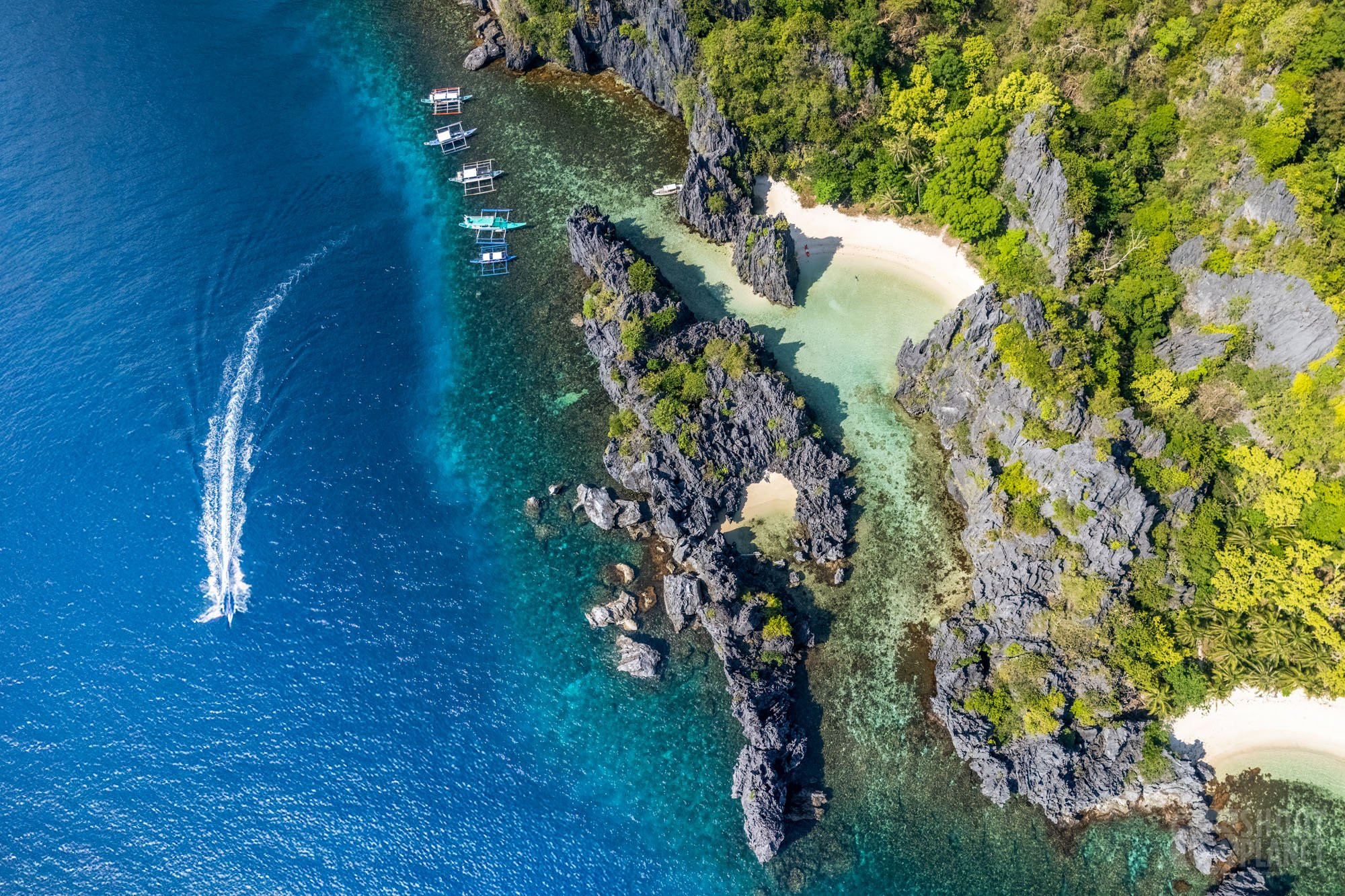

The world is full of wonders, some loudly advertised and others quietly tucked away, waiting for the curious, patient traveler to uncover them. Among these elusive gems, hidden lagoons hold a particular allure. Unlike the crowded beaches and popular swimming holes, these secret water havens are intimate, almost mystical, offering a rare chance to experience nature in a way that feels untouched by time.
The idea of a hidden lagoon evokes images of crystal-clear water, lush greenery, and a sense of peaceful isolation. For those fortunate enough to find them, these secluded spots often feel like entering another world—a world where the hum of modern life fades into the whispers of nature. But what exactly makes a lagoon “hidden,” and why do locals often guard their secrets so closely?
What Defines a Hidden Lagoon?
At first glance, a lagoon might seem like a simple body of water—calm, shallow, and separated from larger bodies by sandbars, reefs, or vegetation. Yet the term “hidden lagoon” carries a richer meaning. It is not merely a geographic feature; it is an experience, an atmosphere, and sometimes a rite of passage for those who seek it.
A hidden lagoon typically shares several characteristics:
- Seclusion: Unlike public beaches or well-known swimming spots, hidden lagoons require effort to reach. They may be tucked behind dense forests, accessible only by narrow trails, small boats, or even swimming through winding waterways.
- Pristine Nature: The water is often clear, the shoreline untouched by construction, and the surrounding flora and fauna abundant. These lagoons thrive because they remain relatively undiscovered.
- Local Knowledge: Many hidden lagoons exist only in local memory. Maps may omit them, and guides may only hint at their location. This secrecy is sometimes protective, ensuring the delicate ecosystems remain intact.
These factors combine to make hidden lagoons not only a visual delight but also a personal discovery—a feeling of privilege and wonder that large-scale tourism rarely allows.
The Allure of Secrecy
Why do hidden lagoons captivate the imagination? There is something irresistible about secrecy. The idea that a place exists which most people will never see feeds our curiosity and sense of adventure. When locals know about a hidden lagoon, they often regard it with reverence, treating it almost as a private sanctuary.
This secrecy can also heighten the emotional impact of discovery. Arriving at a lagoon after a long, challenging hike or a winding boat ride makes the first glimpse of the shimmering water unforgettable. There is a sense of reward, of earning the privilege to witness something rare.
Moreover, the hidden nature of these lagoons often preserves their ecosystems in ways that public beaches cannot. Without crowds trampling the vegetation or polluting the water, wildlife flourishes, from colorful fish darting beneath the surface to birds nesting along the shore. The lagoon becomes a living, breathing microcosm of nature—an ecosystem that exists largely untouched, its delicate balance maintained by the knowledge that few will disturb it.
How to Find a Hidden Lagoon
Finding a hidden lagoon is as much an art as it is a science. The first step is research—studying local geography, learning about regional flora and fauna, and speaking to locals who are willing to share hints. Patience is crucial, as these lagoons are often protected by both natural and social barriers.
Some common strategies include:
- Following Local Trails: Villagers and local fishermen often know paths that lead to secluded waters. A friendly conversation can yield more valuable insights than any online guide.
- Observing Nature Patterns: Birds, insects, and plant life often indicate the presence of water. Mangrove trees, for example, often hint at hidden waterways nearby.
- Kayaking or Canoeing: Exploring waterways from a small vessel allows access to lagoons hidden behind mangroves or dense foliage that are unreachable on foot.
- Timing Visits: Low tide or early morning can sometimes reveal trails and water access points that remain hidden the rest of the day.

While GPS and maps can provide clues, they rarely tell the full story. Hidden lagoons are often intentionally unmarked, their locations passed down through word of mouth rather than digital navigation.
The Geography of Hidden Lagoons
Hidden lagoons appear across the globe, shaped by diverse geological and ecological processes. Some form naturally when a sandbar or reef creates a calm, protected area of water along a coastline. Others may emerge inland, where rivers or streams create pockets of freshwater or brackish water surrounded by forests or marshlands.
- Coastal Lagoons: These are typically separated from the sea by barrier islands, coral reefs, or sandbars. They often feature crystal-clear waters, abundant fish, and diverse marine life.
- Forest Lagoons: Hidden within dense jungles or mangrove forests, these lagoons may require hiking or canoeing to reach. Their still waters are ideal for reflective photography, birdwatching, and quiet contemplation.
- Mountain Lagoons: Formed in volcanic craters or glacial depressions, mountain lagoons combine high-altitude scenery with isolation. The surrounding peaks often amplify the sense of being in a world apart from the everyday.
Each type of lagoon offers a unique aesthetic and ecological experience, making the search for them an adventure that appeals to all senses.
Stories and Myths Surrounding Hidden Lagoons
Many hidden lagoons carry with them local legends and folklore. Some are believed to be enchanted, home to spirits or mythical creatures, while others are linked to historical events or ancient settlements. These stories enrich the visit, adding layers of cultural depth to the natural beauty.
For instance, in some tropical regions, hidden lagoons are said to have healing waters. Locals might warn outsiders not to disturb the lagoon, believing that excessive intrusion could anger protective spirits. Elsewhere, lagoons are associated with lost treasures or pirate lore, making them a point of intrigue for adventurous travelers.
The blend of natural wonder and cultural mythology transforms a hidden lagoon from a simple geographic feature into a storybook setting, where each ripple of water and rustle of leaves seems infused with meaning.
Environmental Importance
Hidden lagoons are not just scenic; they are vital ecological zones. They often serve as nurseries for fish, amphibians, and other aquatic species. Birds rely on lagoons for feeding and nesting, while plants around the lagoon prevent soil erosion and maintain water quality.
Unfortunately, the very secrecy that preserves hidden lagoons can also make them vulnerable. A sudden surge of tourism or environmental neglect can disrupt these fragile ecosystems. Recognizing the environmental value of hidden lagoons reinforces why local knowledge and conservation efforts are crucial. Many communities have begun initiatives to protect lagoons, balancing access with sustainability.
Activities at Hidden Lagoons
Despite their quiet seclusion, hidden lagoons offer a wealth of activities for visitors who respect the environment:
- Swimming and Snorkeling: Calm waters make lagoons ideal for observing underwater life. Fish, turtles, and even small coral reefs can often be seen just beneath the surface.
- Kayaking and Canoeing: Paddling across a lagoon offers unique perspectives, from reflections of surrounding foliage to glimpses of wildlife along the shore.
- Photography and Painting: The interplay of light on water, the lush surroundings, and the absence of crowds make lagoons perfect for visual arts.
- Hiking and Exploration: Trails leading to lagoons often pass through diverse ecosystems, offering opportunities to discover birds, insects, and exotic plants.
- Meditation and Relaxation: Few places rival a hidden lagoon for quiet reflection. The gentle lapping of water, rustling leaves, and distant calls of birds create a natural symphony.
:max_bytes(150000):strip_icc()/craterlake.oregon-503d6a97700942efac8aaef9c64bc689.jpg)
Each activity is enriched by the lagoon’s hidden nature. Even the simplest paddle or swim feels like an adventure into a secret world.
Respecting the Secret
While the allure of hidden lagoons is undeniable, visiting them comes with a responsibility: respect. Overexposure or careless behavior can destroy the very qualities that make these places special. Travelers should follow basic principles of conservation:
- Leave No Trace: Avoid littering and take everything you brought with you back.
- Minimize Noise: Disturbing wildlife or other visitors reduces the lagoon’s natural serenity.
- Avoid Unnecessary Construction: Refrain from building shelters, docks, or any structures.
- Follow Local Guidance: Many lagoons have specific rules set by communities to protect the environment. Listening to locals ensures the lagoon remains pristine.
Respecting these principles ensures that hidden lagoons retain their magic for generations to come.
Why Locals Guard Their Secrets
It is common for local communities to be protective of their lagoons. After all, these spaces are not merely scenic—they are often sources of freshwater, fishing grounds, or spiritual significance. By keeping the locations secret, communities preserve their natural resources and cultural heritage.
Visitors who are fortunate enough to be invited to a hidden lagoon often find that access comes with trust. The experience is not just about seeing a beautiful place but participating in a small, respectful dialogue between human curiosity and local wisdom.
Hidden Lagoons Around the World
While the precise identity of many hidden lagoons remains a closely guarded secret, some general examples illustrate their global appeal:
- Tropical Southeast Asia: Dense mangrove forests hide lagoons with crystal waters and colorful fish, accessible only by kayak.
- South Pacific Islands: Coral reefs and volcanic formations create secluded lagoons that feel untouched by civilization.
- Mediterranean Coasts: Small inlets and coves offer private swimming areas framed by cliffs and pine forests.
- South America: Rainforest lagoons teem with biodiversity, often with trails leading from indigenous villages.
Each region offers its own flavor, ecology, and aesthetic, yet all share the common trait of intimacy and discovery.
The Emotional Impact of Discovery
Finding a hidden lagoon is rarely a purely visual experience. It is emotional, almost meditative. There is a thrill in stumbling upon a quiet cove after navigating dense forests or winding rivers. The first glimpse of still, mirror-like water often brings a sense of relief, awe, and connection.
Many travelers report that such discoveries feel like stepping out of time. The lagoon becomes a temporary refuge, a reminder of the quiet beauty that exists beyond human noise, schedules, and technology.
Planning Your Visit
For those seeking hidden lagoons, preparation is key:
- Research and Reconnaissance: Start with local guides, old maps, and regional knowledge.
- Safety Considerations: Bring necessary gear, be aware of wildlife, and check weather conditions.
- Travel Light: Minimalist packing allows easier movement through dense forests or along narrow trails.
- Mindful Observation: Take time to notice flora, fauna, and subtle water currents that may indicate the presence of lagoons.
Patience, respect, and curiosity are the most valuable tools for any hidden lagoon seeker.
Conclusion
Hidden lagoons are more than just secluded waters—they are portals to nature, culture, and personal discovery. Their allure lies in secrecy, pristine beauty, and emotional impact. The lagoons that locals guard so closely are invitations into a world where time slows, nature reigns, and humans are mere visitors.
In an age dominated by instant access and viral tourism, the hidden lagoon reminds us of the thrill of exploration, the value of patience, and the importance of preserving the fragile wonders of our planet. For those willing to seek them, these lagoons offer something extraordinary: a private slice of paradise, shimmering quietly in the shadows, waiting to be discovered.