





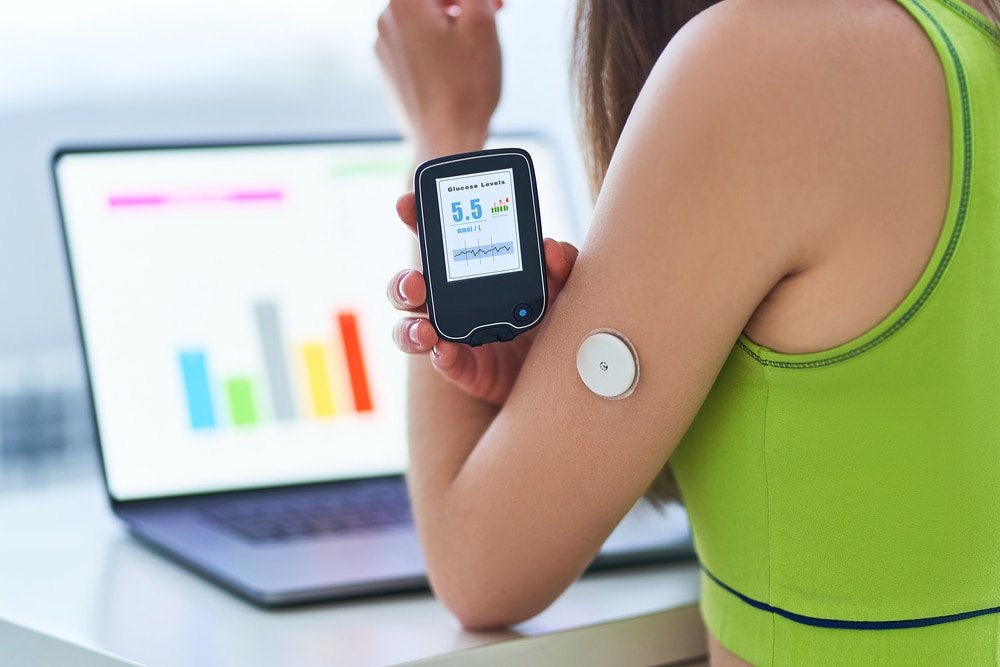

In recent years, wellness culture has undergone a quiet revolution. Once dominated by yoga classes, green smoothies, and mindfulness apps, the wellness industry now embraces a frontier approach: biohacking. The term itself evokes images of futuristic labs, wearable tech, and ambitious self-experimentation. But what is biohacking really? And could it become the standard way people approach health, longevity, and personal performance?
Biohacking is, at its core, the art and science of taking control of your own biology. From tracking sleep cycles to experimenting with nootropics, and even modifying diets to optimize performance, biohackers aim to push the boundaries of what the human body can achieve. It’s a convergence of biology, technology, and personal ambition—a blend of science, self-improvement, and, sometimes, a dash of audacity.
The Roots of Biohacking
Biohacking is not entirely new. At its core, it’s an evolution of self-optimization, which humans have pursued for centuries. Ancient civilizations explored herbs, fasting, and physical training to enhance vitality and mental clarity. Modern biohacking, however, is distinguished by its integration of technology and quantifiable metrics.
The term “biohacking” gained prominence in the early 2000s with the rise of DIY biology labs and the quantified self-movement. Quantified self, or self-tracking, involves measuring aspects of daily life—sleep, heart rate, steps, and even mood—to find patterns and optimize performance. These data-driven practices laid the foundation for contemporary biohacking, merging traditional health wisdom with digital precision.
Today, biohacking extends far beyond mere tracking. It includes genetic testing, neurofeedback, microbiome adjustments, and even emerging technologies like implantable devices and intermittent fasting protocols guided by biometric data. Essentially, it’s a hands-on approach to biology: an invitation to become your own scientist.
Key Practices in Biohacking
Biohacking encompasses a wide range of practices, but a few core strategies dominate the field. Understanding these methods is crucial to grasping why biohacking might be poised to become a wellness standard.
1. Nutritional Optimization
Nutrition has always been a cornerstone of wellness, but biohackers approach it with precision. This is more than counting calories—it’s about timing, nutrient ratios, and individualized strategies. Common biohacker approaches include:
- Intermittent Fasting: Structuring eating windows to support metabolism, autophagy, and cognitive function.
- Ketogenic Diets: Leveraging fat as the primary fuel to improve energy stability and brain function.
- Personalized Nutrition: Using genetic testing or microbiome analysis to determine which foods maximize health outcomes.
By fine-tuning diet based on measurable results, biohackers aim to transform nutrition from a general guideline into a personal optimization tool.
2. Sleep and Circadian Rhythm Management
Sleep is perhaps the most universally acknowledged pillar of health, yet most people fail to optimize it. Biohackers monitor sleep using wearable devices, adjust light exposure, and manipulate bedtime routines to enhance rest quality. Some even experiment with polyphasic sleep cycles—splitting sleep into shorter intervals—to test cognitive performance and recovery.

3. Cognitive Enhancement
The brain is a central focus for many biohackers. Nootropics—substances that may enhance memory, focus, or creativity—are widely explored. Common strategies include:
- Nutritional Nootropics: Omega-3 fatty acids, Bacopa monnieri, or Lion’s Mane mushrooms.
- Pharmaceutical Nootropics: Compounds like modafinil, used under careful supervision for focus and wakefulness.
- Neurofeedback and Brain Training: Using technology to monitor brainwaves and train attention and emotional regulation.
Cognitive biohacking is not just about working harder—it’s about optimizing the brain to think more efficiently, respond faster, and recover better.
4. Physical Performance Hacking
Athletic performance is another major focus area. From amateur runners to professional athletes, biohackers adopt data-driven approaches to improve strength, endurance, and recovery. Key practices include:
- Heart Rate Variability (HRV) Tracking: Monitoring stress and recovery to fine-tune workouts.
- Cold Exposure and Heat Therapy: Utilizing ice baths and saunas to enhance resilience and circulation.
- Wearable Tech: Smart watches, biosensors, and even implantable devices provide real-time feedback on performance metrics.
5. Genetic and Microbiome Interventions
The frontier of biohacking lies in the genetic and microbiome sphere. Genetic testing services allow individuals to identify susceptibility to certain conditions, nutrient needs, and metabolic tendencies. Microbiome analysis can reveal imbalances in gut bacteria, informing dietary and probiotic strategies.
Some biohackers go further, experimenting with emerging therapies like gene editing or personalized supplementation based on DNA and microbiome profiling. While still experimental and ethically debated, these practices showcase the ambition of modern biohacking.
Technology as a Catalyst
Biohacking’s rise is inseparable from the explosion of personal technology. Wearables, apps, and sensors have transformed health from an abstract concept into quantifiable data. Today, anyone can track steps, heart rate, sleep, blood oxygen levels, and even stress markers. These devices create a feedback loop: observe, adjust, and optimize.
Artificial intelligence and machine learning are also becoming key tools. AI can interpret vast datasets of biometric information, offering personalized recommendations that previously required professional oversight. In essence, technology turns every biohacker into a self-directed researcher.
The Psychological Dimension
Biohacking is as much about mindset as biology. Many practitioners report a heightened sense of agency—the feeling that one can shape their own health and performance rather than leave it to chance. This psychological empowerment is a driving force behind the movement’s appeal.

Moreover, biohacking taps into a desire for longevity and vitality that resonates across generations. In a world where aging and cognitive decline loom large, the promise of optimized human potential is seductive.
Risks and Ethical Considerations
Despite its allure, biohacking is not without risks. Self-experimentation can lead to unintended consequences, from nutritional deficiencies to hormonal imbalances. More extreme interventions, like DIY gene editing or untested supplements, carry unknown dangers.
Ethically, biohacking raises questions about equity and access. If personalized optimization becomes the wellness standard, will only those with resources enjoy its benefits? And how will society regulate experimental practices that challenge conventional medicine?
Biohacking also blurs the line between self-improvement and obsession. Tracking every metric, optimizing every habit, and chasing peak performance can strain mental health if not balanced with mindfulness and rest.
Why Biohacking Could Become Mainstream
Several factors suggest biohacking may shift from niche to mainstream wellness:
- Data-Driven Culture: People increasingly demand measurable results. Biohacking delivers metrics, making progress tangible.
- Tech Accessibility: Wearables, apps, and home testing kits are affordable and easy to use.
- Holistic Health Awareness: Modern wellness emphasizes prevention and performance, aligning perfectly with biohacking principles.
- Social Influence: Biohacking communities, online forums, and influencers normalize self-experimentation.
- Longevity Focus: Aging populations are eager for strategies to maintain vitality, creating a fertile market for biohacking solutions.
In short, biohacking fits seamlessly into a world that values optimization, personalization, and self-empowerment.
The Future of Biohacking
Looking ahead, biohacking is likely to evolve in three major directions:
1. Integration with Healthcare
Traditional medicine may adopt biohacking principles. Doctors could use wearable data, genetic analysis, and personalized nutrition plans to complement standard care, creating a more holistic approach to health.
2. Advanced Biotech Accessibility
As biotechnology becomes cheaper and more accessible, advanced interventions like gene therapy or microbiome engineering could enter everyday wellness. Safety regulations will be crucial, but the trend toward personal bioengineering is clear.
3. Ethical and Social Considerations
Society will face new questions about fairness, privacy, and mental health. Who owns personal health data? How do we prevent obsession with optimization? Ethical frameworks will be essential as biohacking scales.
Practical Biohacking for Everyday Life
You don’t need a lab coat to start biohacking. Even simple, evidence-based strategies can significantly enhance wellness:
- Track Your Sleep: Use apps or smart devices to identify patterns and improve rest quality.
- Optimize Nutrition: Experiment with fasting windows or macronutrient ratios while monitoring energy levels.
- Move with Purpose: Combine cardio, strength, and mobility exercises, then track recovery metrics.
- Experiment Mindfully: Test supplements or cognitive strategies cautiously, logging effects over time.
- Engage Your Mind: Brain-training apps, meditation, or learning new skills can enhance neuroplasticity.
Even small steps introduce the mindset of self-optimization and measurable improvement, which is at the heart of biohacking.
Conclusion
Biohacking represents a bold, data-driven approach to human wellness, combining technology, biology, and personal ambition. It goes beyond traditional wellness trends by offering measurable, customizable pathways to improved health and performance. While risks and ethical concerns exist, the movement reflects a profound cultural shift toward personal agency, prevention, and optimization.
Whether it becomes the new standard for wellness depends on accessibility, regulation, and societal acceptance. However, one thing is clear: the desire to hack our biology, to maximize energy, cognitive function, and longevity, is not a passing fad. It is a natural evolution of human curiosity and self-improvement.
As we enter a world where your body can be monitored, measured, and optimized with the same precision as a machine, biohacking may not just be a trend—it could define the future of wellness itself.