





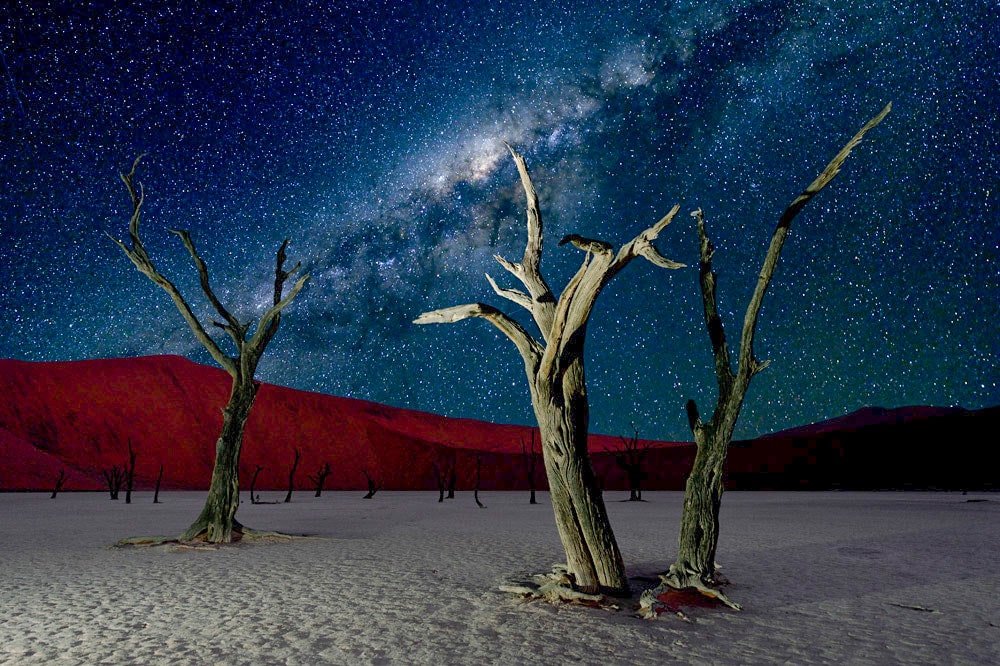

The night sky has always fascinated humanity. From the ancient astronomers who charted the heavens to modern astrophotographers who capture galaxies millions of light-years away, the stars have been our companions, our guides, and our inspiration. Yet, in the modern world, many of us rarely see the stars as they truly are. In bustling metropolises, skyscrapers pierce the skyline while neon lights blaze below, drowning out the delicate shimmer of celestial bodies. But step into a quiet desert night, far from the glare of urban civilization, and the universe opens up in ways that can feel almost overwhelming. Could the stars in the desert truly outshine city skyscrapers—not just metaphorically, but visually and experientially? Let’s explore this fascinating question.
The Urban Glow: Skyscrapers and Light Pollution
Cities are marvels of human ingenuity. Towers of steel and glass climb toward the clouds, each floor a hive of activity. Streets, stadiums, and parks are illuminated at night to ensure safety, productivity, and entertainment. While beautiful, this brilliance comes at a cost. Artificial lighting creates light pollution, a phenomenon that washes out the stars above.
In cities like New York, Tokyo, or Shanghai, you might look up and see only a handful of stars, if any. The sky seems gray or orange due to the scattering of artificial light, and the Milky Way—a band of billions of stars—vanishes entirely from view. Some studies suggest that more than 80% of the world’s population lives under light-polluted skies, unable to experience the universe in its natural glory.
Skyscrapers, with their towering LEDs and reflective glass, act as beacons of human civilization. Their lights are mesmerizing, iconic, and powerful. But compared to the vast, unending cosmos, can they truly compete?
Desert Nights: Nature’s Observatory
Contrast this with the desert, a landscape often perceived as barren and lifeless. In reality, deserts are some of the most spectacular places on Earth to observe the stars. With minimal light pollution and often clear, dry air, they offer a panoramic view of the night sky.
Places like the Atacama Desert in Chile, the Sahara, and the American Southwest boast skies so clear that astronomers have built major observatories there. The Milky Way stretches across the horizon like a luminous river. Stars of all colors—from deep red giants to icy blue supergiants—punctuate the darkness. Meteor showers and satellites add dynamic elements to the scene, making the desert sky a theater of light that skyscrapers cannot hope to replicate.
The desert provides an experience that is not only visual but emotional. In a city, even when you manage to see a star, it often feels small, distant, and muted. In the desert, every star feels close, intense, and alive. There is a profound sense of scale and connection to the universe that skyscrapers, no matter how glittering, cannot emulate.
Science Behind Stellar Visibility
Why are desert stars so bright? Several factors contribute:
- Atmospheric Clarity: Deserts typically have dry, thin air, which means less water vapor and dust to scatter light. The result is sharper, crisper views of distant stars.
- Altitude: Many deserts lie at higher elevations. Higher altitude reduces the atmosphere’s thickness above you, giving a clearer view.
- Low Humidity: Moisture in the air diffuses light. Dry desert air ensures that starlight reaches our eyes with minimal interference.
- Darkness: The absence of urban lights means no artificial skyglow, allowing the faintest stars to be visible.
For comparison, skyscrapers shine at perhaps tens of thousands of lumens per light source, which is impressive locally. But the stars, numbering hundreds of billions per galaxy, each with natural luminosities ranging from invisible to the naked eye to brilliant, dwarf these artificial sources. The collective brilliance of a star-filled desert night can, indeed, surpass the glow of an entire urban skyline.

Emotional Impact: Stars vs. Skyscrapers
While physics gives us one measure, human perception adds another. Cities evoke awe through human achievement: architectural feats, technological brilliance, and collective energy. Skyscrapers represent ambition, progress, and culture. They impress with size, light, and design.
Stars evoke awe on a different level: existential awe. Looking at the night sky can provoke feelings of humility, inspiration, and reflection. The sense of scale is incomprehensible—our planet becomes a tiny dot in an almost infinite expanse. In psychological studies, experiences of natural awe, such as observing a starry desert sky, increase empathy, decrease stress, and inspire creativity more than cityscapes.
In essence, skyscrapers awe the mind with what humans have built. Desert stars awe the mind and soul with what exists beyond us. The two experiences are profoundly different, but for pure, unadulterated wonder, many argue that desert stars have the edge.
Technological Attempts to Bridge the Gap
Modern cities have tried to reclaim a connection to the stars. Observatories and planetariums bring the night sky indoors, and augmented reality apps allow users to identify constellations despite urban lighting. Architects experiment with light reduction and smart city lighting to minimize light pollution. Some cities even host “dark sky” events in parks, dimming lights to allow residents to glimpse stars.
Yet, even with these innovations, the experience remains simulated or limited. Digital renderings cannot reproduce the feeling of standing under a vast, cold, infinite canopy of light. The desert remains the ultimate natural observatory.
Photography and the Art of Capturing the Night
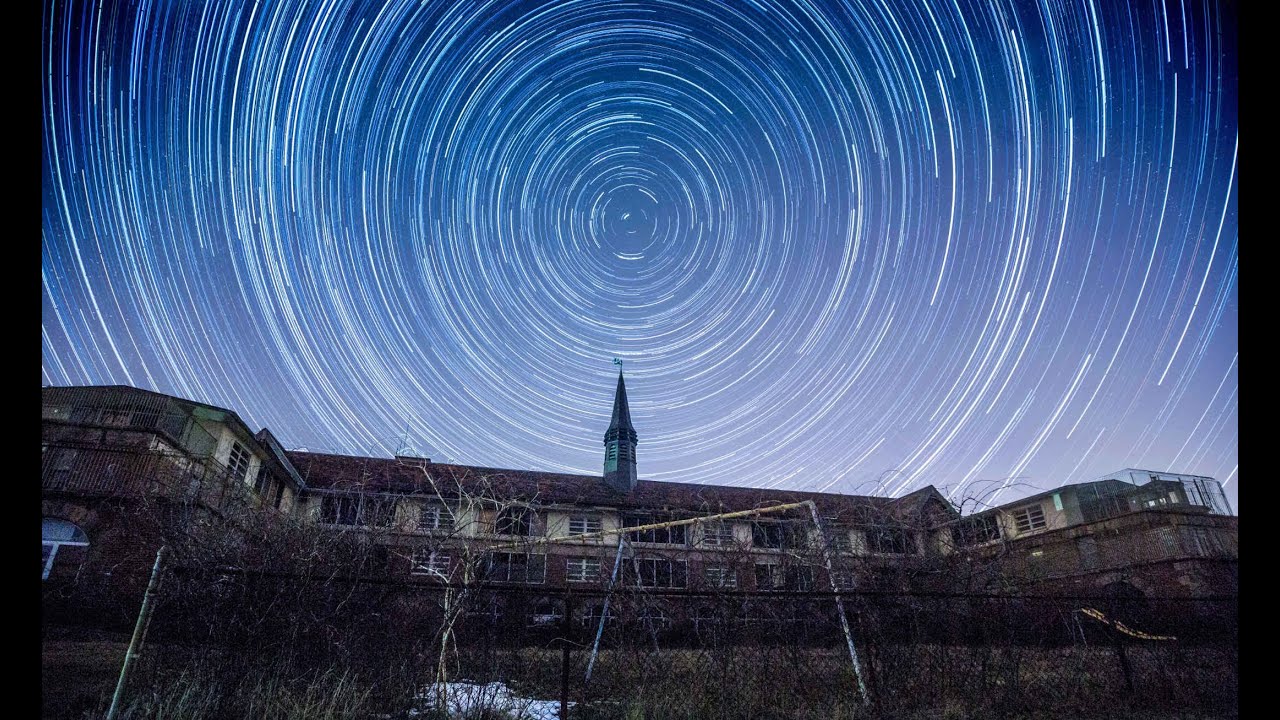
For photographers, the desert is a playground. Long-exposure techniques allow cameras to collect light over minutes or hours, revealing trails of stars and galactic bands invisible to the naked eye. In contrast, photographing city lights often results in glare, reflection, and washed-out images.
Astrophotographers in deserts can capture the aurora borealis, meteors, and the faint glow of distant nebulae, creating art that feels both cosmic and intimate. Cities, by comparison, are limited to capturing the artificial spectacle of human-made brilliance. The desert literally allows the stars to “outshine” city skyscrapers on film as well as in reality.
Skyscrapers as Modern Beacons
It’s worth acknowledging that skyscrapers, at their best, also engage with the night sky. The Empire State Building changes its lighting to mark seasons or causes. The Burj Khalifa illuminates Dubai in a glowing spectrum that can be seen from miles away. These displays are carefully curated and striking.
However, their luminosity is intentional and directional. Skyscraper lights are designed to attract attention and celebrate human achievement, not to offer natural beauty. Stars, in contrast, shine independently of human desire—they are ancient, self-luminous, and vast. In sheer scale and timelessness, they outshine even the most spectacular human-built towers.
Experiencing Both Worlds: Urban Stargazing and Desert Escape
Of course, it is not an either/or situation. Urban dwellers can appreciate city lights for their architectural beauty, then retreat to desert landscapes for an immersive star experience. Modern travel makes this increasingly feasible: weekend trips from cities to nearby deserts offer a chance to witness the Milky Way, meteor showers, and even the occasional comet.
Some cities have started integrating “astro-tourism” into their cultural offerings. Observatories, rooftop stargazing events, and partnerships with nearby dark-sky preserves allow people to experience the universe without giving up the convenience of urban life. Yet, the desert’s raw, unfiltered starry nights remain unmatched.
Philosophical Perspective: Humans and the Cosmos
There is a deeper question in our comparison: why do we measure stars against skyscrapers at all? Both are expressions of light, scale, and ambition—but one is natural, the other human-made. The stars represent the universe’s grandeur; skyscrapers represent human ingenuity. Comparing them is almost poetic, a reminder that our creations are tiny flashes against the eternal glow of the cosmos.
For centuries, humans have sought to connect with the heavens: from Stonehenge to modern telescopes. The desert sky reminds us of that pursuit, of our place in the universe, and of the delicate balance between human achievement and nature’s magnificence.
Practical Tips for Desert Stargazing
For anyone inspired to experience this firsthand, here are some practical tips:
- Choose the Right Desert: High elevation, dry air, and minimal human presence are ideal. Examples include the Atacama, Mojave, and Namib deserts.
- Check Lunar Phases: Avoid full moons; a dark sky allows more stars to shine.
- Bring Proper Gear: A reclining chair, warm clothes (desert nights can be cold), and a camera with long-exposure capability enhance the experience.
- Learn Constellations: Apps or guides can help identify stars and planets.
- Plan for Meteor Showers: Annual showers like the Perseids or Geminids provide spectacular, dynamic views.
Environmental Considerations
Interestingly, the fight against light pollution is also an environmental issue. Excessive city lighting disrupts ecosystems, affects human sleep patterns, and wastes energy. Efforts to reduce unnecessary illumination not only improve star visibility but also promote sustainability. Skyscrapers, while symbols of progress, are increasingly being designed with energy efficiency and minimal light pollution in mind—a small step toward coexisting with the cosmos.
Conclusion: Can Desert Stars Outshine City Skyscrapers?
In visual brilliance, experiential impact, emotional depth, and cosmic scale, the answer is clear: desert stars do outshine city skyscrapers. Skyscrapers impress the mind with human achievement; desert stars inspire the soul with the universe’s majesty. One is fleeting, controlled, and local; the other is eternal, uncontrolled, and universal.
Yet both have their place. The skyscraper teaches us about human creativity and aspiration. The desert star reminds us of our origins, our curiosity, and our connection to the cosmos. By experiencing both, we can appreciate the full spectrum of light—human and natural—and understand the delicate interplay between our cities and the universe above.
In the end, standing under a vast desert sky, surrounded by the glittering Milky Way, one realizes that skyscrapers, for all their brilliance, are just tiny sparks in the shadow of cosmic grandeur. And that, perhaps, is the most humbling—and awe-inspiring—view of all.