





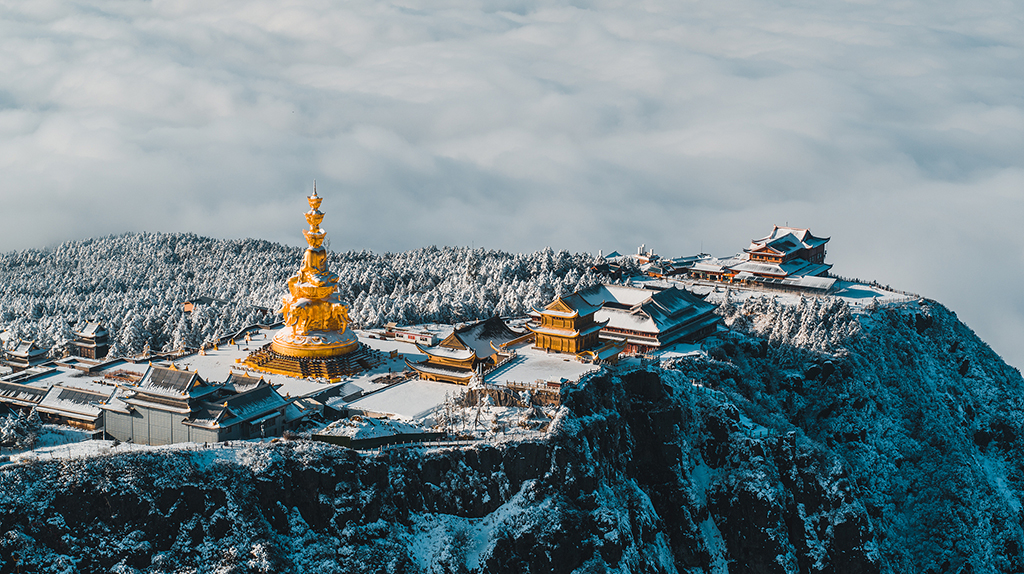

Imagine standing at the edge of a frozen mountain, the air crisp enough to tingle your lungs, snowflakes drifting lazily like tiny dancers caught in a gentle wind. Before you lies a temple, its wooden beams etched with centuries of devotion, its roof blanketed in pristine white snow. The silence is almost sacred, broken only by the occasional whisper of the wind or the soft creak of timber contracting in the cold. This is not merely a temple in winter—it is a threshold to tranquility, a place where the mind finds room to breathe, and the soul feels unburdened. But can these snow-covered temples truly be considered the most peaceful places on Earth? To answer this question, we must explore their history, architecture, spiritual significance, natural surroundings, and the subtle ways they shape human perception of peace.
The Unique Allure of Snow-Covered Temples
Snow has an almost magical effect on the environment. It muffles sound, softens lines, and transforms ordinary landscapes into dreamlike vistas. When temples—already designed to evoke reverence and contemplation—are cloaked in snow, the effect is amplified. The combination of stillness, silence, and sacred space creates an immersive environment that engages all the senses.
Unlike tropical or urban religious sites, snow-covered temples invite a form of introspection that is difficult to replicate elsewhere. The cold air sharpens awareness, the brightness of the snow stimulates visual clarity, and the isolation from bustling towns or cities naturally encourages meditation. People often report feeling “small but connected” in these environments, a paradoxical sensation that fosters humility and profound inner calm.
Architectural Harmony with Nature
One of the most fascinating aspects of snow-covered temples is how their architecture interacts with their environment. Traditional temple architecture, particularly in East Asia, incorporates natural materials such as wood, stone, and clay, which age gracefully under snow. The sloping roofs are not merely aesthetic—they are functional, designed to shed snow and prevent structural damage.
This architectural wisdom allows the temple to coexist harmoniously with its surroundings. When snow blankets the roof and grounds, the temple seems to emerge organically from the landscape rather than dominate it. This aesthetic of subtlety and integration aligns with the principles of Zen and Daoist philosophy, where harmony with nature is central. Visitors often remark on a sense of “flow” in these spaces—the idea that the temple is part of the mountain, the snow, and the air, rather than a foreign imposition.
The Sound of Silence
Silence is one of the most overlooked elements of peace. In snow-covered landscapes, sound is naturally absorbed. Snowflakes trap noise, and frozen vegetation restricts movement that might otherwise produce rustling. In practical terms, this means that every footstep, every breath, and every whispered prayer feels amplified, yet paradoxically, the overall atmosphere is quiet.
In these temples, silence is not an absence; it is a presence. It acts as a canvas upon which thoughts, emotions, and spiritual reflections can emerge without distraction. Studies in environmental psychology have shown that natural quiet reduces cortisol levels and promotes a state of mindful awareness. Snow-covered temples offer a rare combination: architectural intentionality that encourages contemplation and natural acoustics that enhance it.
Spiritual Resonance and Cultural Significance
Temples are not merely architectural feats—they are vessels of centuries of spiritual practice. Snow-covered temples often serve as retreats for monks, pilgrims, and spiritual seekers. The physical challenge of reaching these sites—trekking through snow, braving cold winds, navigating narrow mountain paths—adds a dimension of intentionality to the visit.
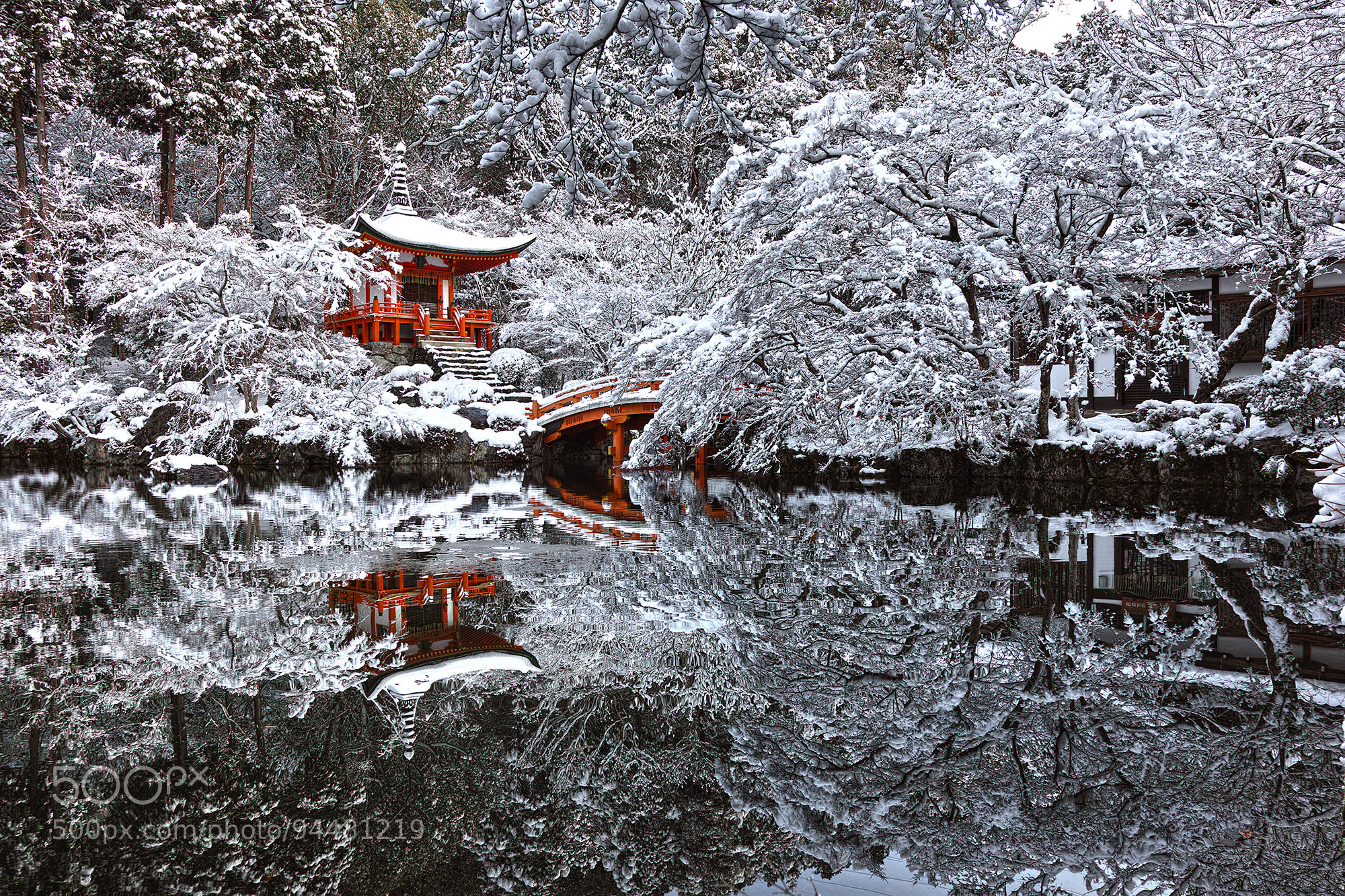
In many cultures, snow symbolizes purity, clarity, and renewal. In Buddhist thought, the pristine snow covering a temple can serve as a metaphor for the mind itself—untouched by distractions, open to insight. In Shinto practice, snow is associated with kami, or spirits, representing both the beauty and impermanence of life. This symbolic resonance heightens the sense of peace for visitors, reinforcing the spiritual and emotional impact of the environment.
Psychological Impact of Snowy Isolation
Modern life bombards us with stimuli: notifications, conversations, advertisements, and traffic. Snow-covered temples provide a stark contrast, a form of voluntary isolation where the mind can recalibrate. Research in psychology suggests that natural environments, especially those perceived as “sublime,” reduce rumination and encourage reflective thinking.
In snow-covered temples, isolation is gentle, not harsh. Visitors are often near enough to reach shelter and warmth if needed, yet far enough from civilization to experience the restorative effects of solitude. The act of walking through snow toward the temple entrance itself becomes a meditative practice, reinforcing mindfulness with every deliberate step.
Seasonal Transformations and Visual Poetry
The visual impact of snow on temples cannot be understated. In winter, contrasts are heightened: the dark wood of temple walls against brilliant white snow, the delicate smoke of incense curling upward into cold air, the footprints of visitors marking an otherwise untouched landscape. The seasonal shift transforms the temple into a living painting, a dynamic work of art that changes subtly with each snowfall.
Artists, photographers, and writers have long been drawn to this interplay of light, shadow, and texture. The visual poetry of snow-covered temples contributes directly to their perceived peacefulness. It is an environment that encourages slowing down, observing, and absorbing beauty in a way that urban or tropical settings rarely allow.
Movement and Stillness: The Duality of Experience
Peace is not just about stillness—it is also about rhythm. Snow-covered temples offer a balance of movement and stillness that is unique. The temple grounds may be silent and still, but the surrounding snow and wind provide subtle motion. A falling snowflake, a shifting shadow, a distant bird—these small movements heighten awareness without breaking serenity.
This duality mirrors spiritual teachings that emphasize balance: movement within stillness, activity within meditation, life within contemplation. Experiencing this rhythm can be deeply restorative, helping visitors reconnect with both their inner selves and the larger cycles of nature.
Global Examples of Snow-Covered Temples
Across the world, snow-covered temples embody similar principles despite cultural differences. In Japan, Zen temples such as Eiheiji and Kencho-ji are renowned for their serene winter landscapes. In the Himalayas, monasteries like Hemis and Tengboche provide breathtaking snowy sanctuaries above the clouds. In Europe, mountain chapels in the Alps offer equally striking scenes where snow and spirituality meet.
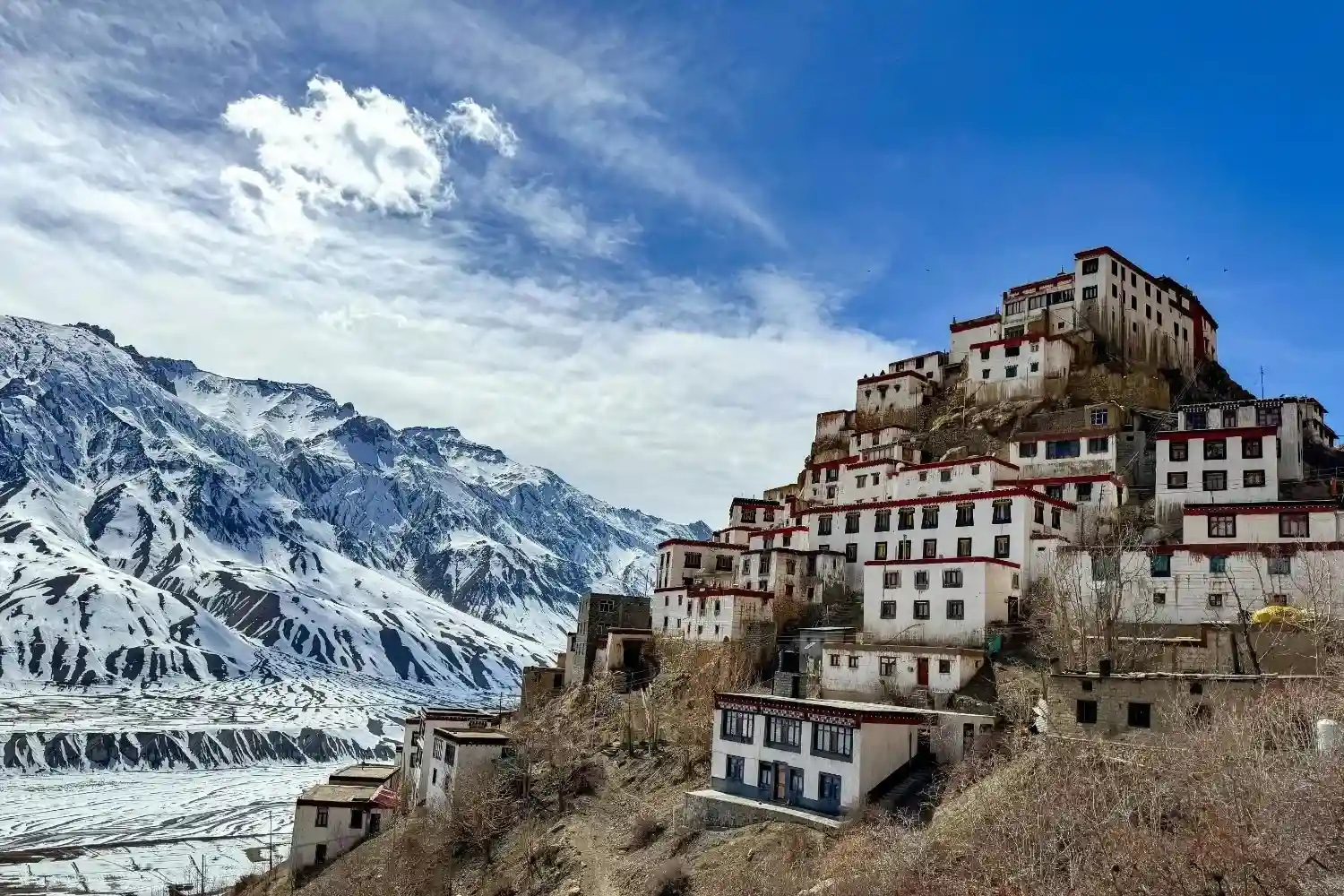
Despite variations in architecture, rituals, and historical context, these sites share core elements: isolation, integration with nature, aesthetic beauty, and spaces designed for reflection. This convergence suggests that the peace experienced in snow-covered temples is not merely subjective but emerges from universal interactions between environment, architecture, and human psychology.
Practical Tips for Experiencing Tranquility
To fully appreciate the serenity of snow-covered temples, preparation and mindfulness are essential. Here are a few practical considerations:
- Timing: Visit during early morning or off-peak winter months to avoid crowds. Snowfall is often heaviest at night, so morning light on fresh snow can be magical.
- Clothing: Layering is crucial. Cold is a challenge, but proper attire allows comfort and enhances focus rather than distraction.
- Mindfulness: Engage all senses. Notice the crunch of snow, the cold air on your cheeks, the subtle smell of wood and incense, and the visual contrasts around you.
- Movement: Walk slowly. In snow, movement becomes inherently deliberate, aiding meditative awareness.
- Respect: Temples are sacred spaces. Silence and contemplative observation are not only socially appropriate but spiritually enriching.
The Neuroscience of Peace in Snowy Temples
Recent research in neuroscience supports what monks and pilgrims have long known intuitively: certain environments can promote neurological states associated with calm and focus. Exposure to natural landscapes, particularly snowy ones, activates areas of the brain linked to positive emotion and stress reduction. Minimal noise levels and simple visual patterns reduce cognitive load, allowing the prefrontal cortex—responsible for executive function and emotional regulation—to operate efficiently.
Additionally, contemplative practices in these settings enhance neuroplasticity. Meditation, prayer, or quiet reflection within a snow-covered temple strengthens neural pathways related to attention, emotional regulation, and compassion. In short, the peace experienced is both emotional and neurological—it literally reshapes the brain toward serenity.
The Philosophy of Snow and Silence
Eastern philosophies often connect peace with emptiness, impermanence, and natural rhythm. Snow-covered temples embody these principles in tangible ways:
- Emptiness: Snow erases clutter, simplifying the visual field and metaphorically “clearing” the mind.
- Impermanence: Fresh snowfall is transient, reminding visitors that all beauty and life are fleeting.
- Natural rhythm: The temple, mountain, and snow move together in a quiet cycle of accumulation and melting, growth and rest.
Western visitors often find this contrasts with the achievement-oriented environments of modern cities. The snow-covered temple becomes a space where time seems suspended, inviting introspection without urgency.
Beyond Visual Beauty: Tactile and Olfactory Elements
While much attention is paid to the visual splendor of snowy temples, touch and smell are equally influential. Cold air stimulates alertness and clarity, while the smooth texture of wooden handrails, stone steps, and carved doors invites tactile exploration. The subtle scent of pine, incense, or damp earth enhances sensory richness. These multi-sensory cues reinforce the overall perception of calm, grounding the visitor in the present moment.
A Universal Model of Peace
When we ask if snow-covered temples are the most peaceful places on Earth, the answer depends on the criteria we use. If peace is defined as a combination of sensory serenity, spiritual resonance, aesthetic beauty, psychological restoration, and mindful engagement, snow-covered temples arguably rank among the highest.
Importantly, they exemplify universal principles of peace that can be applied beyond temples:
- Integration with nature
- Reduction of noise and distractions
- Encouragement of mindfulness
- Visual and sensory simplicity
- Symbolic and cultural resonance
By studying snow-covered temples, architects, urban planners, and wellness advocates can learn how to design environments that foster tranquility—even in bustling modern cities.
Conclusion: The Quiet Majesty of Snow
Snow-covered temples represent a rare convergence of natural beauty, human craftsmanship, and spiritual intention. They remind us that peace is not a commodity but an environment—one shaped by silence, simplicity, sensory harmony, and reverence for nature.
Standing in such a temple, watching snow settle gently on the roof, feeling the crisp air fill your lungs, and hearing only the whisper of wind, one can understand why humans have sought these places for centuries. Whether they are truly the most peaceful spots on Earth may be subjective, yet their ability to evoke profound calm, reflection, and awe is undeniable.
In an increasingly chaotic world, snow-covered temples offer more than scenery—they provide a template for experiencing peace. They teach that serenity is not found in isolation alone but in the deliberate harmony of environment, mind, and spirit. And perhaps, that is the most universal lesson these silent, snowy sanctuaries offer: that true peace is cultivated, not merely stumbled upon.