





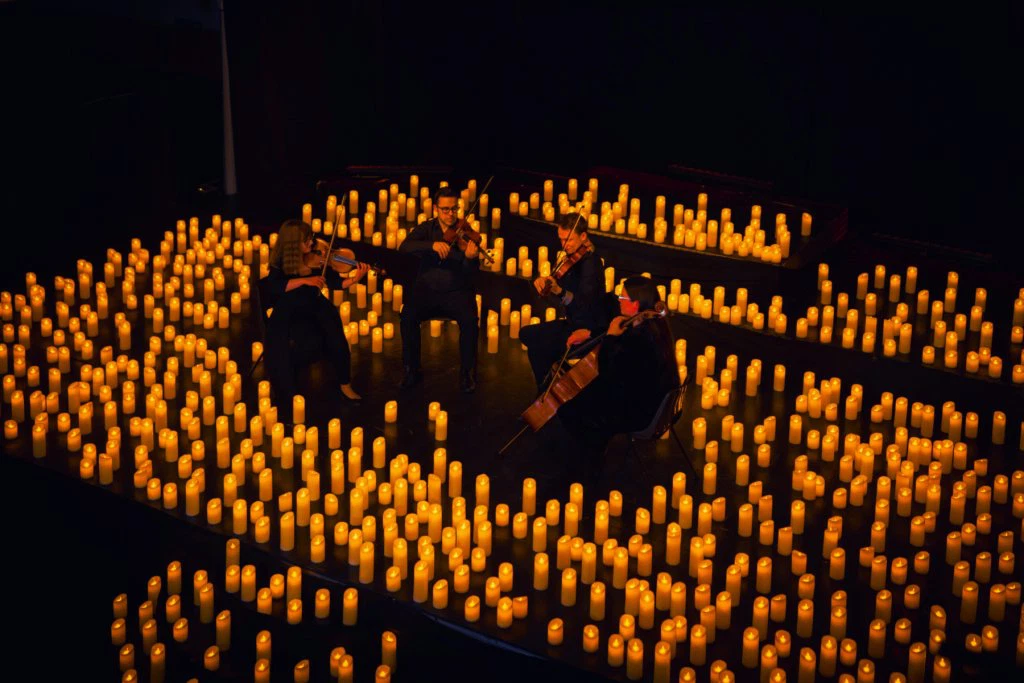

The allure of the supernatural has captured human imagination for centuries. Ghost stories whisper through history, folklore, and popular culture, drawing people toward the unknown. Among the many avenues through which this fascination manifests, ghost hunting guides have emerged as a modern phenomenon that combines history, storytelling, and thrill-seeking. They are advertised as tools to help ordinary people experience paranormal phenomena safely—or at least with a sense of guided exploration. But a question lingers: do ghost hunting guides genuinely scare participants, or are they primarily entertaining?
This exploration dives into the psychological, historical, and cultural layers behind ghost hunting guides, analyzing the factors that contribute to fear, excitement, and amusement in audiences and participants alike.
The Rise of Ghost Hunting Guides
Ghost hunting guides are part of a larger trend in paranormal tourism. From haunted hotels to abandoned asylums, organized ghost hunts promise participants a taste of the macabre, often blending education with fear. These guides vary widely, ranging from books and apps to live tours led by self-proclaimed paranormal experts.
Historically, humans have always sought ways to understand the unseen. Folklore and ghost stories were once passed down orally, often to caution or teach lessons. In contemporary settings, ghost hunting guides translate these ancient traditions into interactive experiences. Unlike simple storytelling, these guides frequently incorporate gadgets, rituals, and methods purporting to detect spirits, bridging folklore with pseudo-scientific practices.
Anatomy of a Ghost Hunting Guide
A typical ghost hunting guide aims to balance instruction and spectacle. Most guides include:
- Historical Context: Detailing the background of haunted locations, famous apparitions, and the people involved.
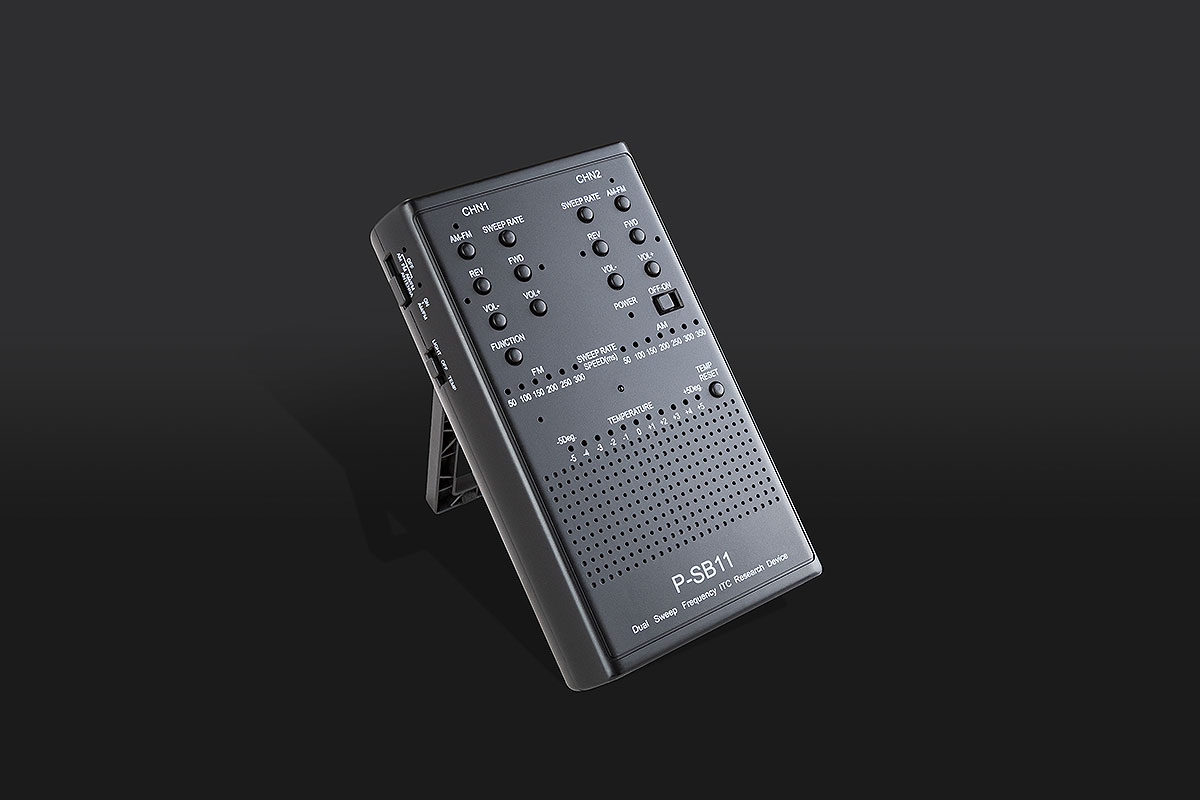
- Methodology: Step-by-step instructions on how to “detect” spirits, including the use of EMF meters, infrared cameras, voice recorders, and other paranormal investigation tools.
- Safety Precautions: Often emphasizing that certain locations may be physically hazardous, or that participants should respect the spiritual nature of the site.
- Storytelling Techniques: Crafting suspense, timing scares, and emphasizing eerie atmospheres to heighten engagement.
- Interactive Exercises: Encouraging participants to perform experiments, ask questions aloud, or participate in rituals intended to provoke supernatural responses.
The most effective guides are not simply manuals—they are performative scripts. They anticipate human reactions and leverage them to generate excitement, anxiety, or humor.
Psychological Factors: Why Ghost Hunting Feels Scary
Fear is subjective. What terrifies one person may delight another. Yet ghost hunting guides often rely on several psychological triggers that heighten perception of danger or the uncanny:
- Priming and Expectation: By reading or hearing about hauntings before a hunt, participants’ brains are primed to detect anomalies. Shadows, creaks, and flickering lights are interpreted as paranormal because the mind is already conditioned to expect them.
- Ambiguity and the Unknown: Humans have a natural aversion to uncertainty. Ghost hunting guides often exploit this by introducing vague instructions or unexplained phenomena, forcing participants to fill gaps with imagination.
- Sensory Deprivation: Dim lighting, quiet spaces, and isolation amplify subtle sounds or visual stimuli, making ordinary occurrences seem eerie.
- Group Dynamics: Shared fear amplifies individual reactions. Laughter, gasps, and nervous glances from others heighten collective suspense.
- Ritualized Participation: Engaging in structured paranormal exercises—like calling out to spirits or walking through haunted corridors—creates a sense of agency while heightening vulnerability.
These mechanisms suggest that ghost hunting guides do more than educate—they actively orchestrate emotional responses.
Entertainment Value: Why Ghost Hunting is Fun
While fear plays a role, entertainment is often the primary goal. Ghost hunting experiences blend theatricality, exploration, and social interaction, making them appealing beyond the thrill of the unknown.

- Storytelling: Well-crafted ghost hunting guides are essentially interactive narratives. They provide context, legends, and cliffhangers that immerse participants in an unfolding story.
- Exploration and Adventure: For many, visiting a historical site with hidden corners, secret passages, or unique architecture is enjoyable regardless of paranormal claims.
- Social Interaction: Group hunts encourage bonding and shared excitement. Participants exchange jokes, hypotheses, and reactions, turning potential fear into a communal experience.
- Gamification: Some guides introduce challenges, points, or investigative tasks, creating a sense of achievement. Searching for “evidence” becomes a game rather than merely a fright.
- Suspense Without Danger: Ghost hunting guides often balance tension with safety, giving participants a controlled thrill—an adrenaline rush without real risk.
In short, ghost hunting guides entertain through narrative immersion, interactive tasks, and social dynamics, often softening genuine fear into playful excitement.
Techniques Used in Ghost Hunting Guides to Enhance Fear
Effective guides are carefully designed to maximize engagement. Some commonly employed techniques include:
- Environmental Manipulation: Lighting, sound effects, and temperature control can create the illusion of a haunted space. Cold drafts, creaking floors, and faint whispers stimulate the imagination.
- Timing and Pacing: Guides structure events to coincide with moments when participants are most alert or suggestible—typically after dark or during quiet periods.
- Unexpected Events: Sudden noises, moving objects, or scripted “encounters” trigger surprise, a core component of fear.
- Narrative Anchoring: Linking physical spaces to ghost stories or historical tragedies strengthens the emotional impact. When participants associate a location with a tragic past, fear responses intensify.
- Technology-Enhanced Experience: EMF meters that flicker unpredictably, thermal cameras capturing ambiguous shapes, and audio recorders picking up faint sounds all create the illusion of scientific verification.
These techniques highlight that ghost hunting guides are less about empirical evidence and more about emotional orchestration.
Skepticism and Critical Thinking
Despite their entertainment value, ghost hunting guides invite scrutiny. Scientific investigations consistently show that most reported paranormal phenomena can be explained through natural causes:
- Environmental Factors: Drafts, reflections, animal sounds, and electrical interference often account for “hauntings.”
- Cognitive Biases: Expectation, suggestion, and pattern-seeking behaviors can create false perceptions of paranormal activity.
- Social Influence: In group settings, one person’s reaction can trigger similar responses in others, creating a feedback loop of fear.
Skeptics argue that guides exploit these psychological tendencies, packaging fear as entertainment. Yet this does not necessarily diminish their value; rather, it reframes ghost hunting as a form of immersive theater rather than scientific investigation.
Ghost Hunting Guides as Cultural Artifacts
Beyond psychology, ghost hunting guides reflect cultural attitudes toward death, the unknown, and storytelling. They serve multiple functions:
- Preservation of Folklore: Many guides document local legends, historical tragedies, and regional myths, keeping oral traditions alive.
- Exploration of Fear: Humans have always used controlled exposure to fear as a form of entertainment—from ancient rites to modern horror films.
- Tourism and Economy: Haunted tours and ghost hunting experiences are significant drivers of tourism, creating revenue while sustaining historic sites.
In this sense, ghost hunting guides are not just manuals; they are cultural mirrors, blending curiosity, playfulness, and reverence for the unknown.
Case Studies: Haunted Tours and Guides
Examining real-world examples illustrates the balance of fear and entertainment:
- The Tower of London Ghost Tour: Combining medieval history with ghost stories, guides use torchlight, narrative suspense, and occasional theatrics. Visitors report chills, but laughter and engagement dominate the experience.
- Eastern State Penitentiary Paranormal Tours: Abandoned prison corridors and historical context amplify tension. Guides employ structured storytelling and interactive devices, generating a mixture of fear, curiosity, and amusement.
- Edinburgh’s Vaults Walks: Underground chambers with known legends provide a sensory-rich setting. The experience blends horror, history, and comedy, often leaving participants more exhilarated than terrified.
Across these examples, the guides’ role is clear: they curate environments, narratives, and experiences to maximize engagement. Fear is a tool, but entertainment is the ultimate product.
Do Ghost Hunting Guides Really Scare?
The answer is nuanced. Genuine terror is relatively rare; most participants report excitement, curiosity, and mild fright rather than overwhelming fear. The combination of safety, social context, and theatricality mitigates potential trauma, transforming potentially scary situations into memorable adventures.
The guides are designed for controlled fear: the thrill of the unknown without real danger. For thrill-seekers, the fear is genuine enough to be satisfying. For skeptics, the entertainment value is in the narrative and exploration.
Balancing Scare and Entertainment
Effective ghost hunting guides achieve a delicate balance:
- Too much realism or intensity risks distressing participants, especially novices.
- Too little, and the experience becomes mundane, undermining the promise of paranormal adventure.
Successful guides modulate fear through pacing, sensory cues, and participant interaction. They rely on the psychology of suspense, ensuring that fear is entertaining rather than overwhelming.
Conclusion
Ghost hunting guides occupy a fascinating space between education, theater, and thrill-seeking. They play on human fascination with the unknown, employing storytelling, environmental cues, and interactive experiences to create a sense of paranormal adventure. While they can scare participants, the primary function is entertainment.
By blending history, folklore, and psychological insight, these guides craft controlled encounters with fear, satisfying curiosity without endangering participants. In essence, ghost hunting guides are modernized folklore, designed not merely to terrify but to amuse, engage, and immerse. They transform ordinary locations into arenas of imagination, proving that the thrill of fear is often inseparable from the joy of storytelling.
Whether one seeks goosebumps or just a memorable evening, ghost hunting guides succeed in delivering both. Fear is a tool, entertainment is the outcome, and the result is an experience that captivates the human desire for mystery, adventure, and a safe encounter with the unknown.