






In the age of information overload, survival guides are everywhere. From YouTube tutorials to glossy outdoor manuals, everyone promises to turn you into a self-reliant expert in the wild. But here’s the catch: are these guides really helping—or are they subtly inflating your confidence to dangerous levels? It’s tempting to think that reading a guide is enough to face life-threatening challenges in the wilderness. After all, you’ve memorized the steps for building a fire, navigating with a compass, or identifying edible plants. But does knowledge alone translate into true survival ability? Let’s dive into this question with curiosity, skepticism, and a dash of humor.
The Allure of Survival Guides
There’s something undeniably appealing about the idea of mastering survival. For centuries, humans have been drawn to stories of rugged explorers, heroic rescues, and ingenious bushcraft. Modern survival guides tap into this fascination, offering a structured pathway to “being prepared.”
Why they’re popular:
- Instant Expertise: Guides condense decades of experience into bite-sized instructions. You can feel like Bear Grylls after a few chapters.
- Safety Net Illusion: Following a manual gives a sense of security, as though memorizing steps equals readiness.
- Gamification: Many guides encourage exercises, challenges, and checklists, turning survival into a measurable skill game.
However, beneath these attractive qualities lies a subtle trap. Knowing what to do is far from knowing how to do it under stress.
Overconfidence: The Silent Threat
Overconfidence is the invisible hazard lurking behind every survival manual. Psychologists call this the Dunning-Kruger effect: when a little knowledge inflates your self-perception beyond your actual skill. In survival situations, this cognitive bias can be deadly.
Why overconfidence sneaks in:
- Simplified Scenarios: Guides often present situations in neat, predictable steps, but real survival is chaotic.
- Lack of Pressure Testing: Reading about finding water isn’t the same as doing it while exhausted, cold, or dehydrated.
- Ignoring Psychological Stress: Guides rarely train emotional resilience, which is crucial when fear, fatigue, or isolation hit.
A classic example: a hiker memorizes a map-reading chapter but panics when fog obscures the trail. Their “confidence” based on reading alone may delay decision-making, worsen mistakes, and increase risk.
Knowledge vs. Skill: The Survival Gap
A survival guide teaches knowledge, but survival demands skill. Let’s break down the difference:
| Knowledge | Skill |
|---|---|
| Knowing what edible plants look like | Recognizing them in poor lighting, after rain, or when they resemble toxic species |
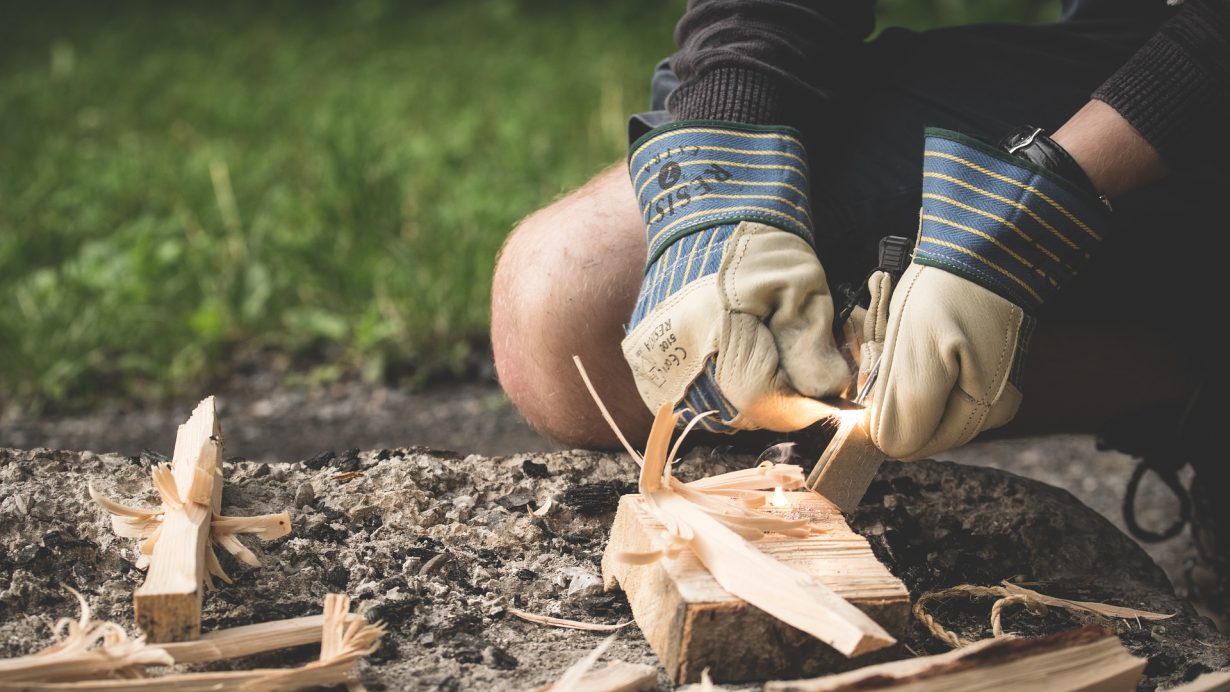
| Understanding how to build a fire | Actually igniting damp wood in wind and rain |
| Learning water purification methods | Handling equipment or improvising when your tools break |
The problem is that guides often blur this distinction. They give the illusion of competence without providing real-world experience, creating a dangerous comfort zone.
The Psychology Behind Survival Confidence
Human brains are wired to value preparation. Feeling ready triggers positive emotions, which reinforce behavior. This is why we get hooked on survival guides—they make us feel capable. But this positive reinforcement can mislead.
Cognitive traps include:
- Illusion of Control: Thinking that knowing steps gives you full control over unpredictable situations.
- Confirmation Bias: Overlooking gaps in your knowledge because guides confirm what you think you know.
- Overplanning: Spending hours memorizing strategies instead of practicing essential reactions under stress.
In short, your brain enjoys the confidence more than the competence.
The Limitations of Manuals
Not all guides are created equal, and most have inherent limitations:
- Static Knowledge: Nature is dynamic. Rivers shift, weather changes, and plants vary by region. Guides rarely capture this fluidity.
- Context Ignorance: A technique that works in one environment may fail completely elsewhere. Arctic ice versus desert sand, for instance.
- Human Factors: Panic, exhaustion, and injury dramatically affect performance. Guides assume rational actors, which is often far from reality.
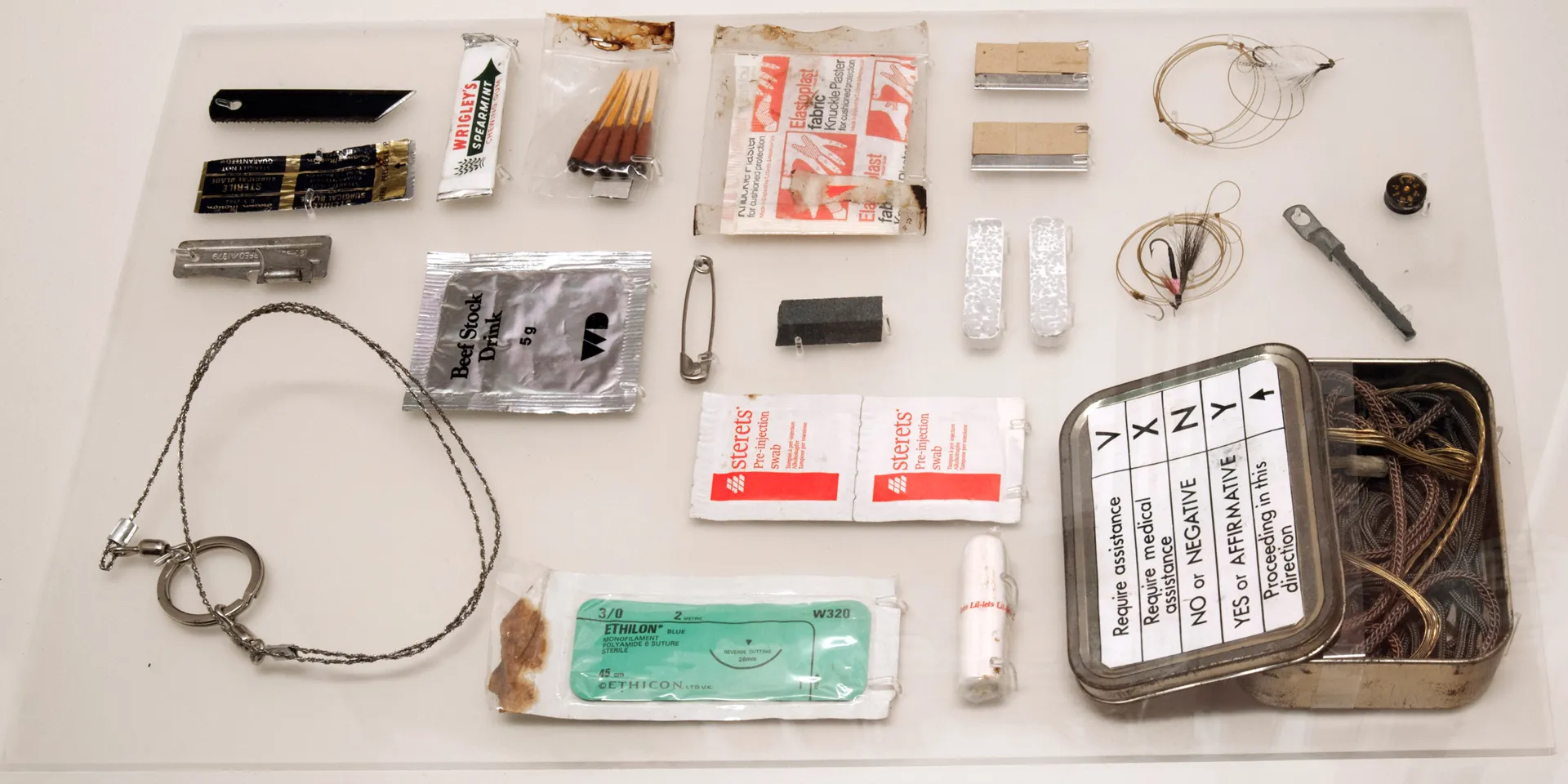
- Equipment Dependence: Many guides rely on tools that may break, get lost, or be unavailable, leaving the unprepared stranded.
These limitations highlight why reading alone is insufficient. Survival is messy, unpredictable, and rarely textbook-perfect.
Real-World Practice: The Key to Competence
The antidote to overconfidence is experience under realistic conditions. Theory without practice is like learning to swim by reading about it—potentially fatal if you jump in water untested.
Ways to translate knowledge into skill:
- Simulated Environments: Camping trips, controlled wilderness exercises, or urban survival drills.
- Incremental Challenges: Start with simple tasks under safe conditions, gradually increasing complexity and stress.
- Reflection: After each practice, analyze mistakes. Realize that failure teaches more than memorization ever can.
- Peer Learning: Practicing with others exposes blind spots that solitary reading can’t reveal.
Building competence isn’t glamorous, but it’s far more effective than simply memorizing steps.
When Survival Guides Help
It’s not that survival guides are useless—they have significant benefits if used correctly:
- Frameworks: They provide structured approaches for learning skills in a logical order.
- Inspiration: Guides motivate people to explore, train, and understand risks they might otherwise ignore.
- Reference: Having written or visual instructions available in emergencies can be life-saving.
The key is recognizing the limits: guides supplement, not replace, hands-on experience and critical thinking.
Practical Recommendations
To avoid overconfidence, consider these strategies:
- Combine Reading with Doing: Knowledge alone is dangerous. Apply everything in practice scenarios.
- Train Emotional Resilience: Learn to stay calm, assess risk, and adapt when plans fail.
- Start Small: Begin with local hikes, short survival exercises, or backyard drills.
- Challenge Comfort Zones: Test skills in adverse weather or under timed pressure.
- Reflect Honestly: After exercises, ask yourself: “Would I survive if this were real?”
These steps bridge the gap between perceived readiness and real capability.
Case Studies: When Overconfidence Fails
Consider the following hypothetical scenarios, all inspired by common survival mishaps:
- Hiker vs. Sudden Storm: Memorized compass directions fail to save a lost hiker when visibility drops, revealing a reliance on theory over adaptation.
- Urban Survival Misstep: Someone follows online guides to purify water with home equipment but misjudges contaminants, showing gaps between reading and real skill.
- Bushcraft Challenge: A camper builds a fire using a guide’s instructions but underestimates wind conditions, forcing improvisation under stress.
In each case, overconfidence fueled by guides without practice created unnecessary danger.
Modern Technology and Survival Guides
Smartphones, GPS, and apps have changed survival culture. Digital guides offer interactive features, but they also amplify overconfidence:
- Dependence on Devices: Batteries die, screens break, signals vanish.
- Information Overload: Excessive advice can paralyze decision-making.
- False Security: Instant access to information may mask the lack of hands-on skills.
Technology is a tool, not a replacement for physical capability and mental resilience.
Cultivating True Survival Competence
The essence of survival competence combines three pillars:
- Knowledge: Understanding principles, risks, and techniques.
- Skill: Ability to perform under diverse, unpredictable conditions.
- Mindset: Emotional control, adaptability, and realistic self-assessment.
Survival guides serve as gateways to knowledge but cannot create skill or mindset alone. The real work comes from deliberate practice, reflection, and humility.
The Fine Line Between Confidence and Overconfidence
Confidence motivates action; overconfidence invites disaster. A healthy survival mindset includes:
- Self-Awareness: Know what you can and cannot do.
- Scenario Planning: Anticipate multiple outcomes, including failure.
- Continuous Learning: Treat each trip as training, not proof of mastery.
This balance transforms guides from potentially misleading pep talks into valuable learning tools.
Conclusion
Survival guides are powerful, inspiring, and highly useful—but they carry an invisible risk: the illusion of competence. Knowing what to do does not guarantee you can do it under stress. Overconfidence can be more dangerous than ignorance, leading to delayed decision-making, misjudged risks, and unnecessary danger.
The solution is simple, if not easy: combine guides with real-world practice, challenge your assumptions, and cultivate emotional resilience. Treat every survival exercise as a lesson in humility and adaptability. Knowledge is your foundation, skill is your armor, and mindset is your compass. Together, they turn a survival enthusiast into someone who can truly survive—not just read about it.
Survival guides are not the enemy—they’re the spark. But beware of mistaking that spark for a fireproof suit.