






Introduction: A Question Painted on a Wall
Walk down an unfamiliar alley, turn a corner you almost missed, and suddenly a wall speaks. Not politely, not quietly, but with urgency. A hidden street mural can feel like a secret shared between the city and the curious passerby. Meanwhile, a gallery waits behind glass doors, climate control humming, labels aligned, lighting carefully calibrated. Both present art. Both claim cultural value. Yet the experience they offer could not be more different.
So the question arises—not as a provocation but as a genuine inquiry: Are hidden street murals better than galleries?
“Better” is a dangerous word in art. It suggests hierarchy, winners and losers, permanence and authority. Still, comparing these two modes of art presentation reveals something deeper than preference. It exposes how art interacts with space, power, audience, time, and meaning. This article does not aim to crown a victor. Instead, it explores how hidden street murals and galleries operate as parallel ecosystems, each shaping not only how we see art, but how we understand culture itself.
What Do We Mean by “Hidden Street Murals”?
Hidden street murals are not simply large paintings on walls. They are artworks embedded in the urban fabric, often outside official art circuits. “Hidden” does not always mean invisible; it means unannounced. No ticket, no map, no opening hours.
They might be found:
- In alleyways behind markets
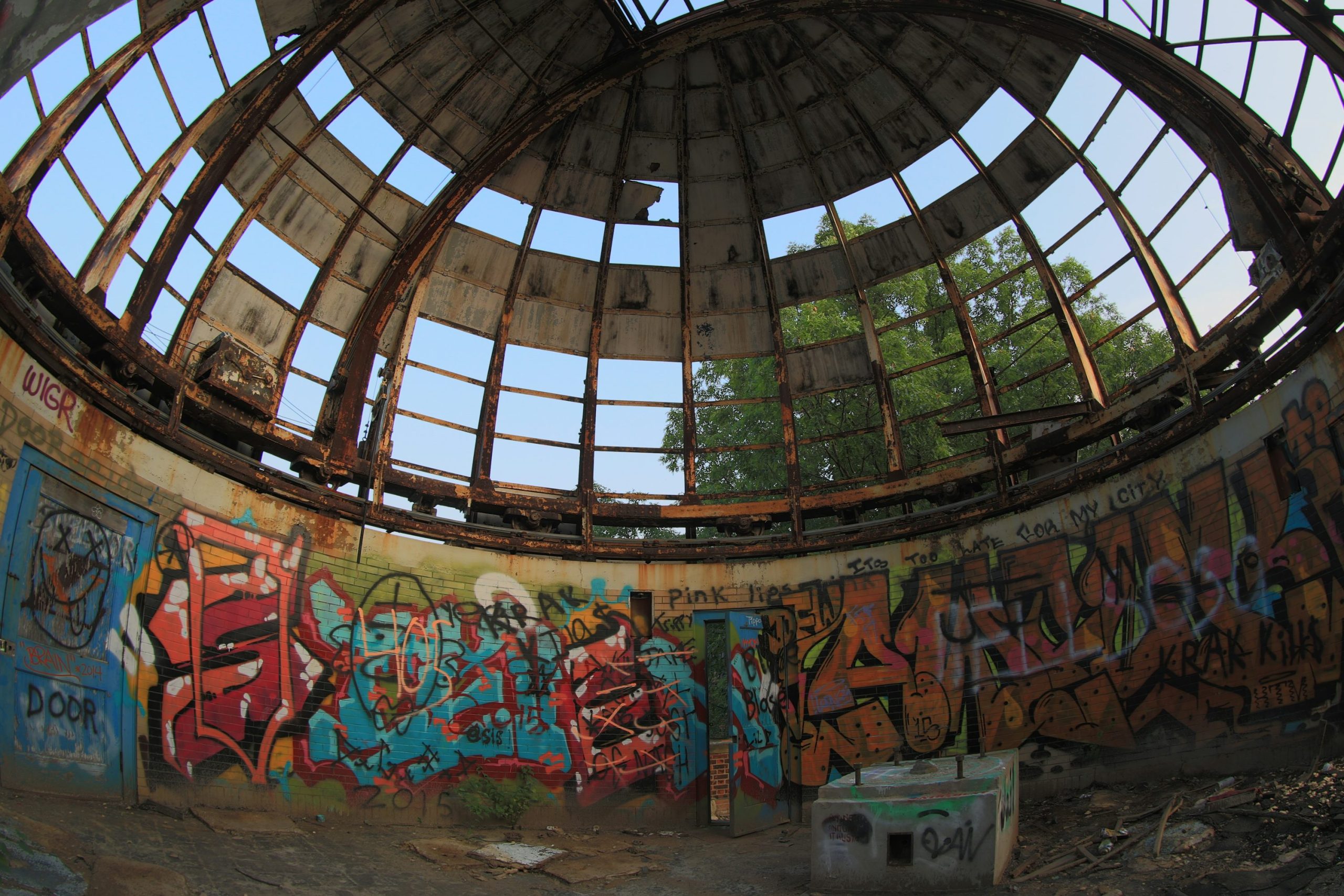
- On abandoned factories
- Under bridges or along railway lines
- Inside semi-public spaces like stairwells, tunnels, or back courtyards
These murals are often unsanctioned, semi-legal, or quietly tolerated. Some are painted overnight; others evolve over years. Their hidden nature is not always intentional, but it shapes how they are discovered and perceived.
Discovery is key. You don’t go to hidden murals; you encounter them.
What Is a Gallery, Really?
A gallery is more than a room with art on the walls. It is an institution—formal or informal—that organizes how art is selected, displayed, and interpreted. Galleries come with:
- Curatorial decisions
- Text panels and artist statements
- Opening receptions and schedules
- Social cues about behavior
Galleries promise focus. They ask visitors to slow down, to look carefully, to consider context and history. In exchange, they control the environment.
If a street mural shouts across traffic noise, a gallery whispers in a quiet room.
Accessibility: Who Gets to See the Art?
Street Murals: Radical Access
Hidden street murals exist in public or semi-public spaces. Anyone can see them—no ticket, no dress code, no prior knowledge required. You do not need to “understand art” to stand in front of a wall and feel something.
This accessibility is not just economic. It is psychological.
- No intimidation
- No fear of “not getting it”
- No pressure to behave correctly
A mural meets people where they already are: on their way to work, walking home, killing time.
Galleries: Structured Access
Galleries are accessible in theory, but selective in practice. They may be free, but they still require intention. You must decide to enter. You must accept the implicit rules:
- Speak quietly
- Don’t touch
- Move in a certain flow
For many, especially those without formal art education, galleries can feel like foreign territory.
Accessibility is not only about doors being open. It is about how welcome you feel once inside.
The Role of Surprise and Discovery
Hidden murals thrive on surprise. You are not prepared. You are not “in art mode.” That moment of unexpected beauty or provocation can be powerful precisely because it interrupts daily life.
Psychologically, surprise enhances memory. A mural found by accident often stays with you longer than a painting you planned to see.
Galleries, by contrast, offer anticipation rather than surprise. You expect art. You prepare yourself. This creates a different mental state—more analytical, more focused, but sometimes less emotionally raw.
Neither approach is superior in absolute terms. But surprise has a unique intensity that galleries rarely replicate.
Context Is the Canvas
The City as Frame
A hidden street mural is inseparable from its surroundings. Cracks in the wall, peeling paint, nearby graffiti, even trash or weeds become part of the composition.
Context is not neutral; it is active.
- A political mural near a government building
- A joyful image in a neglected neighborhood
- A quiet portrait in a noisy street
These contexts add layers of meaning without a single word of explanation.
The White Cube Effect
Galleries often use the “white cube” model: neutral walls, controlled lighting, minimal distractions. This isolates the artwork, allowing viewers to focus on form, technique, and concept.
This neutrality is powerful but artificial. It removes the artwork from everyday life and places it in a symbolic space of importance.
The question becomes: Do we understand art better when it is isolated, or when it is embedded in life?

Temporality: Art That Lives and Dies
Street murals are fragile. They can be:
- Painted over
- Damaged by weather
- Removed by authorities
- Altered by other artists
This impermanence is often seen as a weakness. But it can also be a strength.
A mural that might disappear tomorrow carries urgency. It exists in a specific moment. Its lifespan mirrors the instability of the city itself.
Galleries prioritize preservation. Artworks are protected, archived, insured. They are meant to last—or at least to be controlled.
Street murals accept entropy. Galleries resist it.
Authorship and Ego
In galleries, authorship is central. The artist’s name matters. Labels, biographies, CVs, and market value all orbit the work.
Hidden street murals complicate authorship:
- Artists may be anonymous
- Pseudonyms replace legal names
- The work matters more than the signature
This anonymity shifts attention away from career and toward message. It can also be a form of resistance against commodification.
However, anonymity can also erase labor and intention. Not all street artists want to disappear. The tension between visibility and invisibility is part of the medium.
Skill, Technique, and Misconceptions
A common misconception is that street murals are raw, untrained, or purely expressive, while gallery art is refined and technical.
In reality:
- Many street muralists are highly trained painters
- Many gallery artists deliberately embrace roughness
The difference lies not in skill, but in constraints.
Street muralists work with:
- Limited time
- Unpredictable surfaces
- Weather conditions
- Legal risks
Galleries offer controlled conditions that allow for precision and experimentation without external pressure.
Skill manifests differently under different constraints.
Audience Interaction: Passive Viewing vs Living With Art
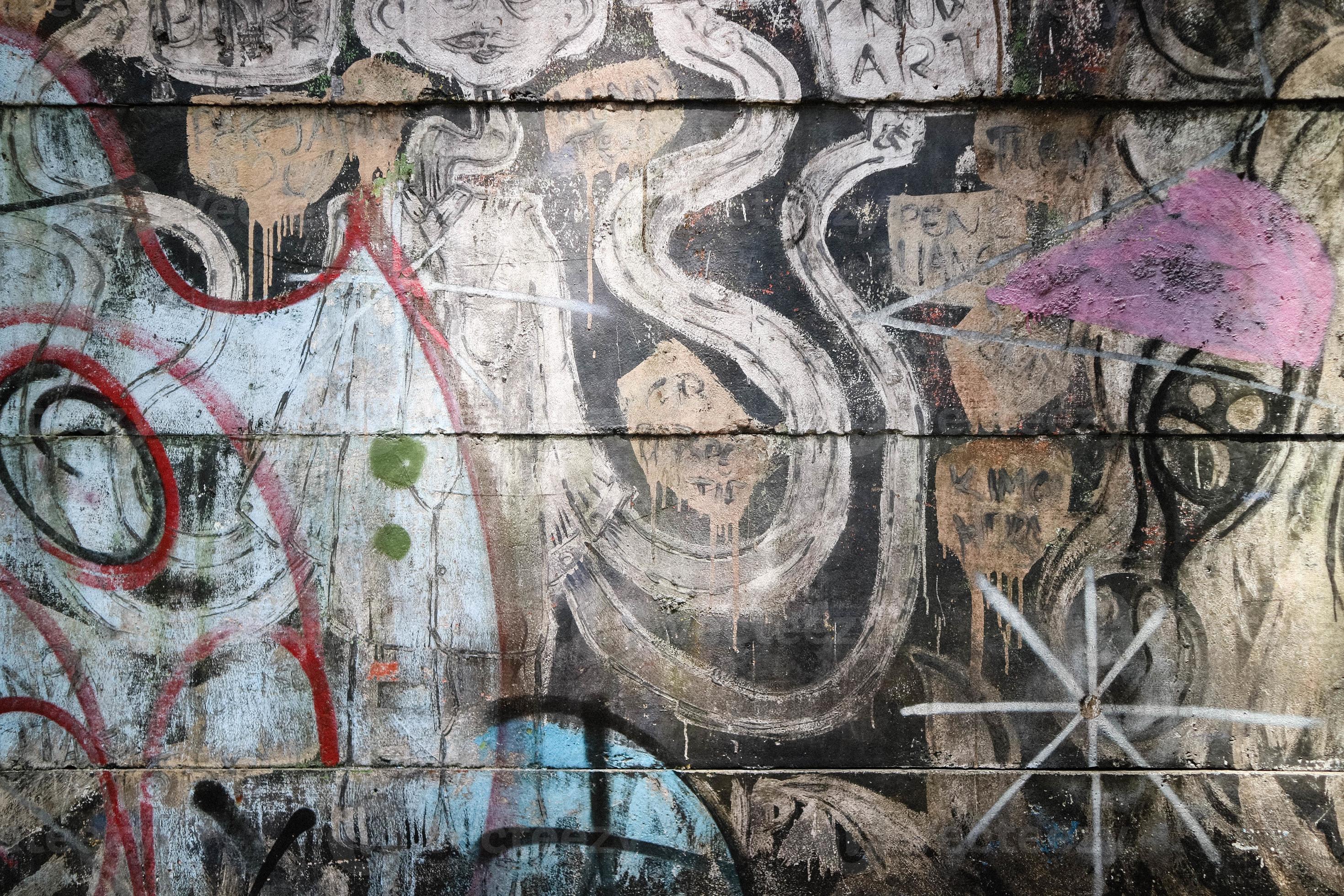
When you encounter a mural daily on your commute, it becomes part of your life. You may not stop to analyze it, but it seeps into your routine.
Over time:
- Meanings shift
- Details become familiar
- Emotional responses evolve
Gallery viewing is usually temporary and concentrated. You see many works in a short time, often once.
Street murals encourage long-term, low-intensity relationships with art. Galleries encourage short-term, high-intensity engagement.
Both are valid. Few people notice how deeply daily exposure can shape perception.
Power, Permission, and Space
Who decides where art belongs?
Galleries operate through permission: from owners, curators, funders. Street murals often operate through assertion.
Painting a wall without permission is not just an artistic act; it is a spatial claim. It challenges ideas of ownership and control in public space.
This does not make all street murals virtuous or all galleries oppressive. But it does mean street art is often entangled with questions of power in more visible ways.
Commercialization and Resistance
Galleries are tied to the art market. Even non-commercial spaces exist within an economy of grants, prestige, and career advancement.
Street murals exist outside this system—or at least they try to. Yet success brings attention, and attention brings commodification:
- Murals become tourist attractions
- Artists are invited into galleries
- Styles are appropriated by brands
Resistance is not a stable state. It is a constant negotiation.
Education and Interpretation
Galleries excel at providing context:
- Wall texts
- Guided tours
- Catalogs and talks
This educational framework helps viewers understand complex ideas, histories, and references.
Hidden street murals rarely offer explanations. Interpretation is left open, sometimes frustratingly so.
This openness can be liberating, but it can also lead to misunderstanding or superficial readings.
The question is whether art should explain itself—or whether explanation limits imagination.
Emotional Intensity and Authenticity
Many people describe street murals as more “authentic.” This perception comes from:
- Their raw environments
- Their direct messages
- Their lack of mediation
But authenticity is not inherent to location. It is a feeling shaped by expectation.
A gallery artwork can be deeply authentic. A mural can be calculated and hollow.
What changes is the threshold. Street murals start closer to everyday emotion. Galleries require a mental shift before emotion arrives.
The Myth of Opposition
The idea that street murals and galleries are opposites is misleading.
In reality:
- Many artists work in both spaces
- Galleries document and preserve street art
- Murals borrow techniques from fine art
- Galleries increasingly mimic street aesthetics
They are not enemies. They are part of a continuum.
The real difference lies in how art meets its audience, not in its inherent value.
So, Are Hidden Street Murals Better Than Galleries?
The answer depends on what we mean by “better.”
If “better” means:
- More accessible
- More surprising
- More integrated into daily life
Then hidden street murals often excel.
If “better” means:
- More preserved
- More contextualized
- More conducive to deep study
Then galleries offer clear advantages.
Hidden street murals are better at interrupting life.
Galleries are better at suspending it.
One confronts you unexpectedly. The other invites you in deliberately.
A More Useful Question
Perhaps the better question is not which is better, but what do we lose if we choose only one?
A city without murals is visually obedient but culturally muted.
A culture without galleries risks losing memory, depth, and dialogue.
Hidden street murals remind us that art does not need permission to exist.
Galleries remind us that art deserves care, time, and reflection.
Together, they form a dynamic tension—one that keeps art alive, relevant, and human.
Conclusion: Art Finds a Way
Art has never stayed where it was told to stay. It escapes frames, climbs walls, enters institutions, breaks out again.
Hidden street murals and galleries are not competing answers to the same problem. They are different responses to the same need: the need to see ourselves reflected, challenged, and reimagined.
Sometimes that reflection appears quietly on a backstreet wall.
Sometimes it waits patiently under soft lights.
The value lies not in choosing sides, but in learning how to look—wherever art decides to appear.