





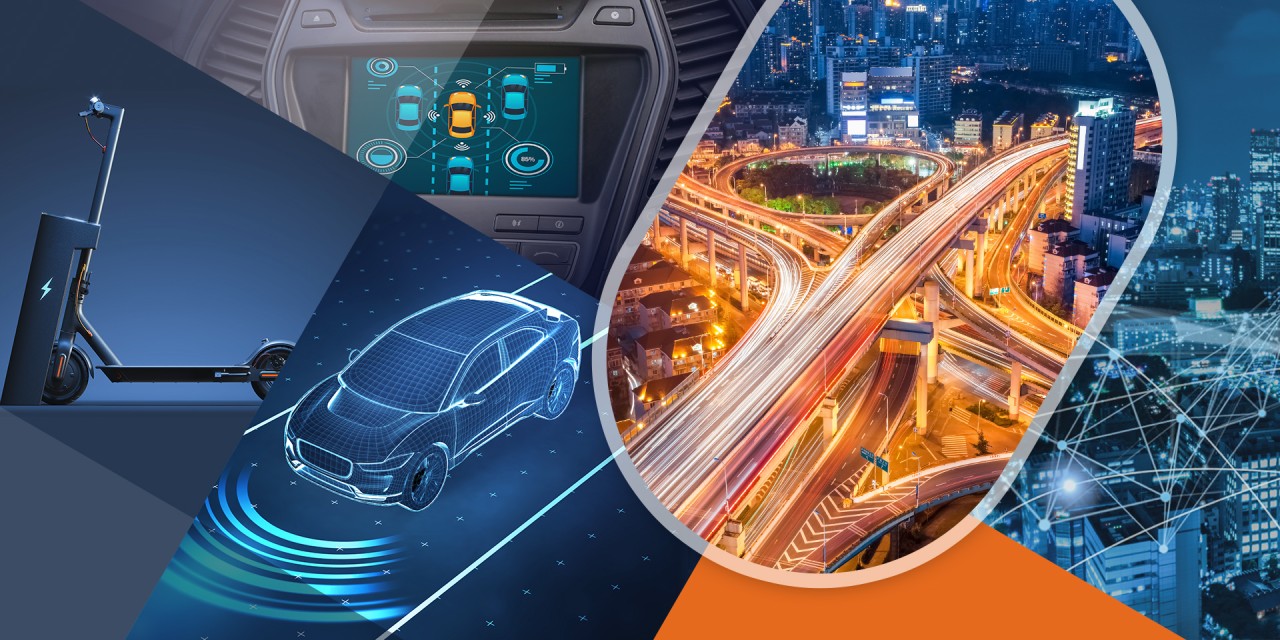

Traffic—once just a minor annoyance—is now a daily battle for millions of urban dwellers worldwide. Congested streets, endless honking, and frustrating delays seem like unavoidable elements of city life. Yet, the rise of smart cities promises a revolutionary shift. By combining technology, data analytics, and human-centered design, smart cities aim to transform the way we move, potentially eliminating traffic congestion as we know it. But could these visions truly become reality? Let’s dive into the mechanisms, benefits, challenges, and future possibilities of smart cities in solving traffic problems.
Understanding Smart Cities: More Than Just Gadgets
Before assessing their impact on traffic, it’s essential to understand what a smart city truly is. A smart city is an urban environment that leverages digital technology, sensors, IoT devices, artificial intelligence, and real-time data to optimize resources and improve citizens’ quality of life. Unlike traditional urban planning, which often reacts to problems, smart cities aim to predict, prevent, and manage issues before they escalate.
In the realm of traffic, smart cities integrate multiple components:
- Real-time traffic monitoring: Sensors and cameras track vehicle movements, congestion levels, and accident hotspots.
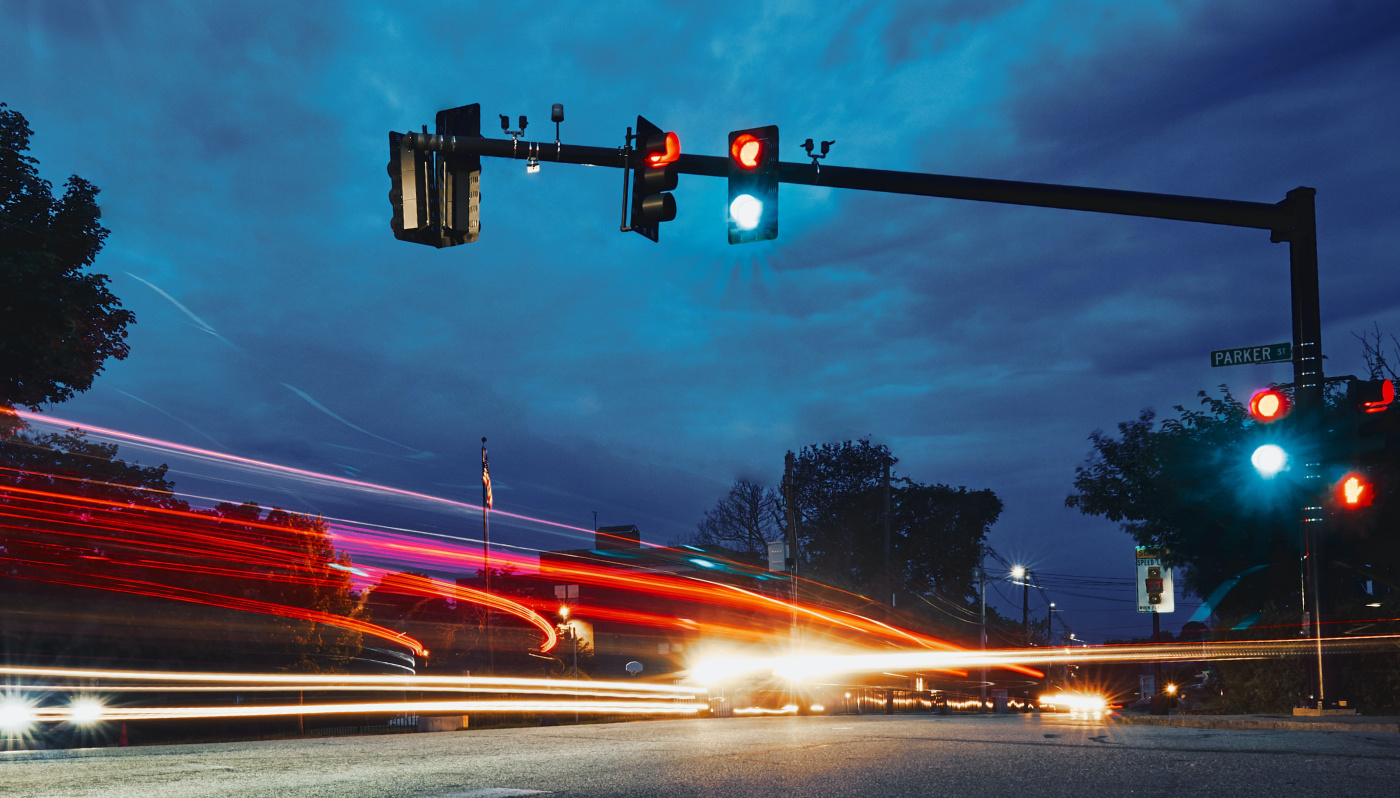
- Intelligent traffic signals: Traffic lights that adapt dynamically based on real-time demand.
- Public transport optimization: AI-powered routing, predictive schedules, and demand-based transport allocation.
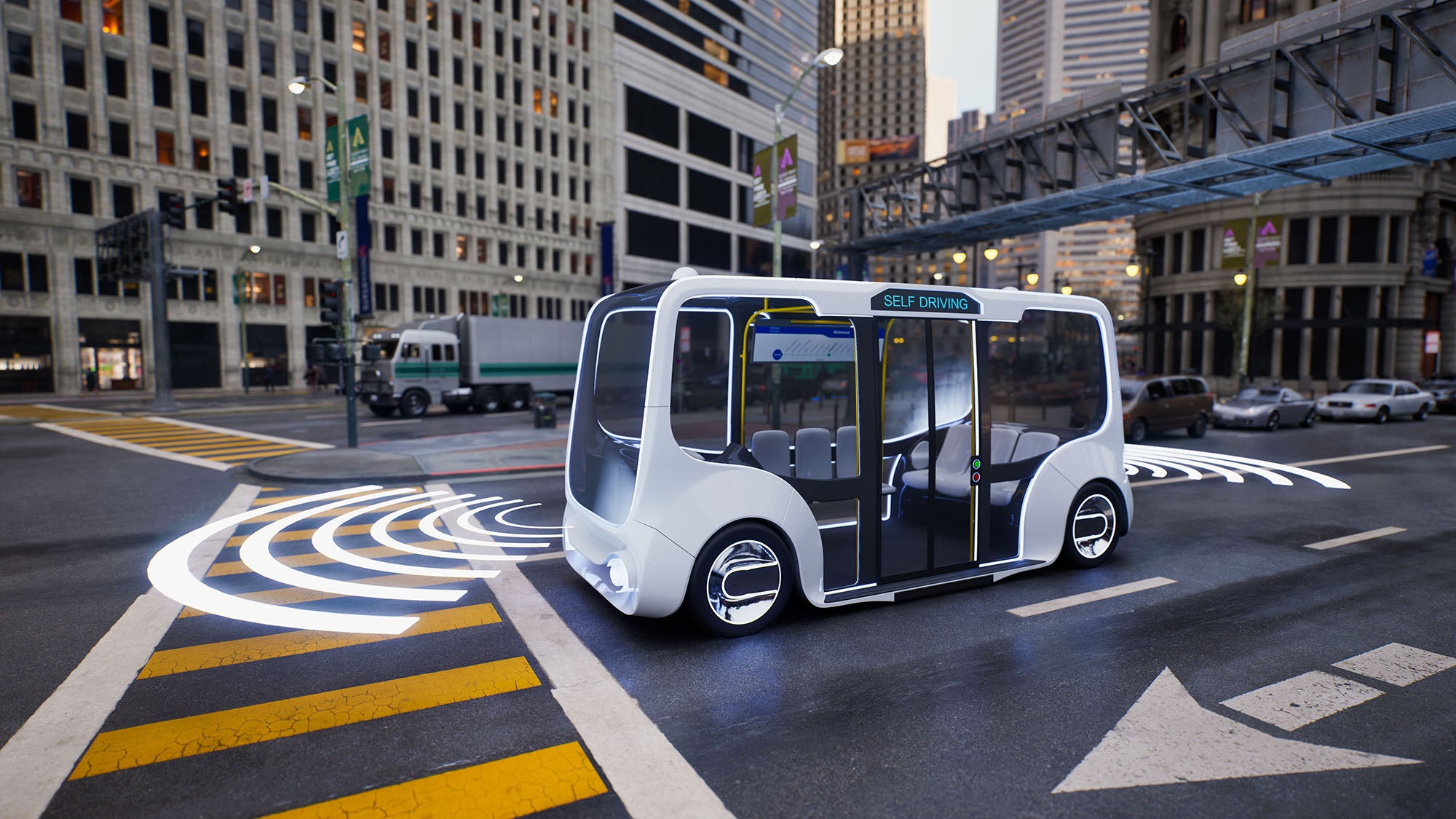
- Shared mobility platforms: Ride-sharing, bike-sharing, and autonomous shuttles integrated seamlessly into urban transport networks.
- Data-driven planning: Long-term infrastructure decisions informed by traffic pattern analysis, population growth, and environmental impact assessments.
All these tools combined promise a more fluid, predictable, and efficient urban transportation system, but the question remains: can they truly eliminate traffic jams, or are they just adding high-tech bandages to an old problem?
The Core Causes of Traffic Congestion
To solve traffic, you must first understand it. Congestion arises from several interacting factors:
- Volume Over Capacity: Simply put, too many vehicles for the available road space. This is most common in growing cities where urban infrastructure hasn’t kept pace with population and vehicle growth.
- Poor Traffic Management: Fixed traffic signals, lack of lane optimization, and inefficient routing exacerbate delays.
- Accidents and Disruptions: Even minor collisions or stalled vehicles can trigger cascading traffic jams.
- Urban Sprawl: Cities that spread horizontally require longer commutes, increasing traffic load.
- Behavioral Patterns: Rush hours, erratic driving, and human decision-making create unpredictable congestion.
Traditional methods—building more roads, adding lanes, or widening highways—often provide only temporary relief. This is where smart city solutions promise a fundamentally different approach: anticipation and adaptation, not just expansion.
Real-Time Traffic Management: The Brain of Smart Cities
Imagine a city as a living organism, with roads as arteries and vehicles as blood cells. In a traditional city, traffic lights pulse mechanically, unable to respond to blockages or surges. In a smart city, traffic signals become intelligent, reacting in real time to ensure optimal flow.
Dynamic traffic lights adjust their cycles based on actual vehicle density, prioritizing major thoroughfares during peak hours and side streets when needed. AI-powered systems analyze data from thousands of sensors and cameras, predicting congestion before it happens. For instance:
- If a sudden bottleneck forms on a main street, nearby traffic lights automatically extend green signals for incoming lanes.
- Emergency vehicles are given priority routes, reducing delays and improving safety.
- Public transport receives dynamic signal priority, making buses and trams faster and more reliable.
The result is not just smoother traffic, but reduced fuel consumption, lower emissions, and less stress for drivers.
Smart Public Transport: Less Cars, More Mobility
A crucial principle of smart city traffic management is reducing the number of private vehicles on the road. Smart cities achieve this by making public transport faster, more reliable, and integrated.
- Predictive Bus and Train Schedules: By analyzing historical and real-time data, transit agencies can match vehicle frequency to actual demand, reducing overcrowding and wait times.
- Dynamic Routing: AI algorithms can reroute buses or shuttles in real time based on traffic patterns, accidents, or surges in demand.
- Seamless Payment and Planning: Mobile apps integrate ride options, combining buses, bikes, scooters, and rideshares into a single journey, making public transport convenient and competitive with car travel.
When public transport becomes genuinely efficient and attractive, fewer people feel compelled to drive, directly reducing traffic congestion.
Autonomous Vehicles: A Game Changer?
The promise of self-driving cars looms large in smart city discussions. Autonomous vehicles (AVs) could transform traffic flow in ways human drivers simply cannot:
- Reduced Human Error: AVs follow traffic laws precisely, maintain safe distances, and react instantly to changing conditions.
- Cooperative Driving: Networks of AVs can communicate with each other and traffic systems, optimizing speed, lane changes, and route selection.
- Efficient Road Utilization: AVs can travel closer together safely, effectively increasing road capacity without widening lanes.
- Flexible Parking Solutions: AVs can drop passengers off and park themselves in optimized lots outside city centers, reducing inner-city congestion.
However, AV adoption faces hurdles, including public acceptance, legal frameworks, cybersecurity, and mixed traffic conditions where human-driven vehicles still dominate. Even so, as AV penetration increases, the potential impact on traffic efficiency could be enormous.
Data-Driven Urban Planning
Traffic solutions aren’t just about managing current congestion—they’re about preventing future problems. Smart cities use data-driven urban planning to design streets, zones, and infrastructure with predictive insight.
- Micro-Mobility Lanes: Dedicated lanes for bikes, scooters, and e-bikes reduce conflicts between slow and fast traffic.
- Flexible Work Zones: Data can help planners allocate space dynamically, such as expanding bus lanes during rush hour or creating pop-up pedestrian zones.
- Traffic Simulation Models: Planners can simulate the impact of new developments, road closures, or policy changes before implementing them, avoiding costly mistakes.
This approach shifts traffic management from reactive to proactive, intelligent, and adaptable.
Integrating Behavioral Economics: Nudging Better Choices
Technology alone isn’t enough—human behavior is a critical factor. Smart cities leverage behavioral insights to nudge citizens toward choices that reduce congestion:
- Congestion Pricing: Charging fees for entering high-traffic areas during peak hours encourages people to travel at off-peak times or use alternative transport.
- Dynamic Parking Pricing: Prices for street parking adjust based on demand, reducing the time drivers spend circling for spots.
- Gamification and Incentives: Apps reward users for choosing public transport, cycling, or carpooling, subtly encouraging sustainable habits.
By aligning human behavior with system efficiency, smart cities maximize traffic improvements.
Environmental Benefits: Traffic Meets Sustainability
Traffic congestion isn’t just frustrating—it’s environmentally costly. Idling vehicles contribute significantly to air pollution, carbon emissions, and noise. Smart city traffic solutions directly address these issues:
- Reduced Idle Time: Smoother traffic flow reduces fuel consumption and emissions.
- Optimized Routes: AI-powered routing for delivery trucks and public transit reduces unnecessary mileage.
- Promotion of Clean Transport: By prioritizing electric buses, bicycles, and pedestrian zones, smart cities integrate traffic solutions with climate action.
Thus, smart cities solve not only congestion but also help combat urban pollution, creating healthier, more livable environments.
Challenges and Limitations
Despite its promise, smart city traffic management faces hurdles:
- High Costs: Deploying sensors, cameras, AI systems, and smart infrastructure is expensive. Not all cities can afford full-scale implementation.
- Data Privacy Concerns: Collecting real-time movement data raises questions about surveillance and personal privacy.
- Legacy Infrastructure: Older cities with narrow streets and outdated layouts may struggle to implement smart solutions effectively.
- Technology Dependence: Overreliance on automated systems can be risky if technical failures occur.
- Social Equity: Smart solutions must be inclusive, ensuring all citizens—regardless of income or location—benefit equally.
Addressing these challenges is crucial to ensure smart city traffic solutions are sustainable, fair, and resilient.
The Future: A Smarter, Smoother City
The vision of a smart city tackling traffic is not science fiction—it is already emerging in parts of the world. Cities are experimenting with integrated transport networks, AI-managed traffic systems, autonomous shuttles, and predictive urban planning. The key to success lies in integration, adaptability, and citizen engagement.
In the next decade, the following trends may redefine urban mobility:
- Fully Integrated Mobility Platforms: One app for all forms of urban travel, including public transport, bikes, scooters, and AVs.
- Predictive Traffic AI: Systems that anticipate congestion and reroute traffic proactively before jams form.
- Urban Micro-Hubs: Decentralized transport hubs reduce the need to travel through city centers.
- Green-First Infrastructure: Roads, lanes, and parking spaces designed to prioritize sustainable transport modes over private cars.
Ultimately, a smart city is not just about technology—it’s about creating human-centered, efficient, and enjoyable urban life where traffic is no longer the enemy but a well-orchestrated flow.
Conclusion
Could smart cities actually solve traffic problems? The evidence suggests a cautious but optimistic “yes.” Through real-time monitoring, intelligent infrastructure, integrated public transport, autonomous vehicles, behavioral nudges, and predictive urban planning, congestion can be significantly reduced. Challenges remain—cost, equity, privacy, and legacy systems—but the potential benefits are profound: faster commutes, cleaner air, lower emissions, and more livable cities.
Smart cities will not eliminate every traffic jam overnight, but they represent the most promising path toward a world where moving through urban spaces is seamless, efficient, and stress-free. In essence, the future of traffic management lies not in adding more asphalt but in creating smarter, more responsive, and more human-centric cities.