







The human quest for a longer, healthier life is no longer a fantasy reserved for science fiction. It has emerged as a booming intersection of biotechnology, consumer wellness, and lifestyle culture. What began as a specialized scientific pursuit has gradually infiltrated everyday life, spawning a market that blends luxury, health, and aspirational living. The question is no longer whether longevity research is transforming society—it is, but how far will it reshape the economy, culture, and our daily routines?
The Scientific Roots of Longevity
Longevity research is the systematic study of extending human lifespan and healthspan—the period of life spent free from serious illness. While life expectancy has steadily risen over the past century thanks to vaccines, antibiotics, and public health measures, modern longevity research targets a different frontier: not just adding years, but adding vitality to those years.
At its core, longevity science focuses on understanding the molecular and cellular mechanisms of aging. Researchers explore areas such as:
- Telomere biology: These protective caps at the ends of chromosomes shorten with age. Maintaining telomere length is linked to healthier cell function.
- Senescence clearance: Aging cells can harm surrounding tissues. “Senolytic” therapies aim to remove them, potentially rejuvenating organs.
- Metabolic optimization: From calorie restriction mimetics to intermittent fasting, regulating metabolism is critical to prolonging healthspan.
- Epigenetic reprogramming: By altering gene expression without changing DNA, scientists aim to reset aging clocks at the cellular level.
While these scientific frontiers sound like the stuff of science fiction, several biotech startups are translating these insights into real-world applications, some of which are now available to consumers willing to pay for a taste of the future.
From Lab Bench to Lifestyle Brand
The journey from lab research to consumer lifestyle is fascinating. Historically, medical research was tightly bound to clinics, hospitals, and academic journals. Today, it increasingly spills into consumer spaces through preventive therapies, supplements, and digital platforms. This has created a new form of “health luxury,” where access to longevity insights and treatments becomes both a status symbol and a lifestyle choice.
Consider some of the main avenues:
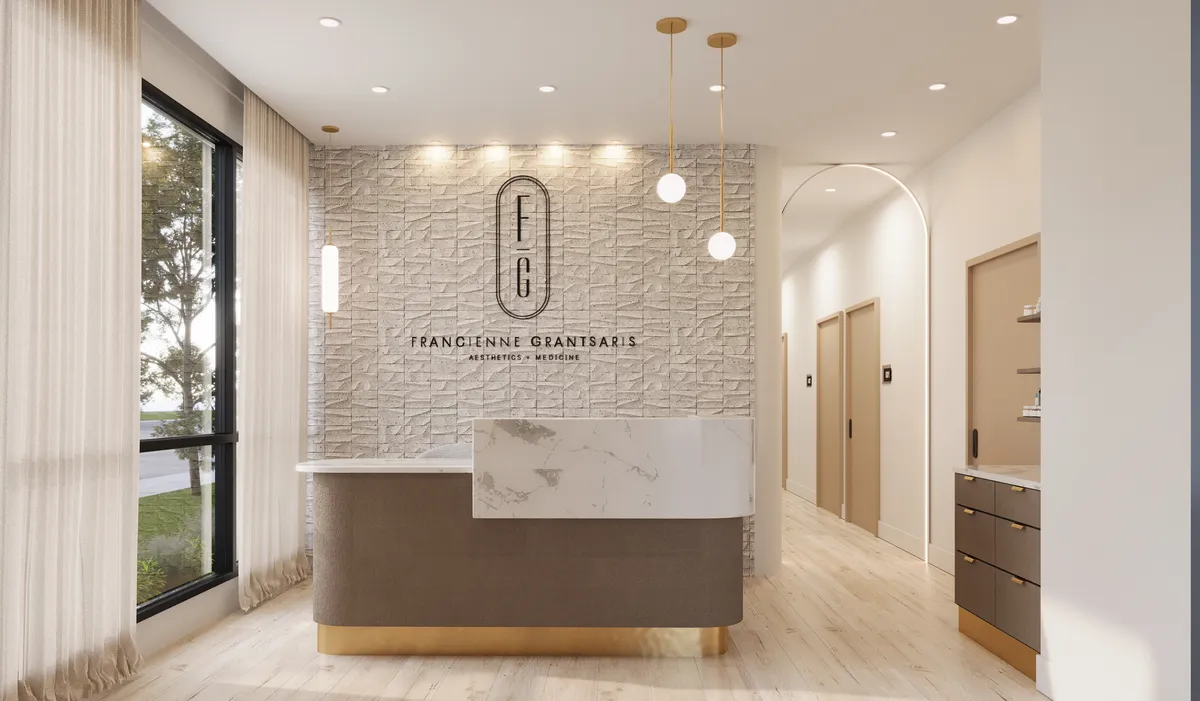
- Longevity clinics: High-end clinics offer personalized health assessments, genetic testing, and anti-aging interventions. Memberships can cost tens of thousands annually, emphasizing prevention and optimization rather than treatment.
- Nutraceuticals and supplements: From NAD+ boosters to senolytic compounds, dietary supplements promise to enhance cellular health and metabolic efficiency.
- Wearables and AI health apps: Continuous monitoring of heart rate variability, sleep quality, and metabolic markers allows individuals to fine-tune daily routines for long-term health benefits.
- Fitness evolution: Exercise programs increasingly incorporate longevity-focused strategies, emphasizing functional movement, resistance training, and recovery science over aesthetic goals.
The result is a hybrid market, one that sits between healthcare, lifestyle, and luxury. It appeals to early adopters with disposable income but also carries a broader aspirational appeal: who doesn’t want to live longer, healthier, and more vibrant lives?
The Psychology Behind Longevity Lifestyle Choices
Why are people willing to pay a premium for longevity-oriented products and services? Beyond the obvious desire to live longer, several psychological factors drive the market:
- Control over the future: Aging is one of life’s few certainties. Longevity interventions offer a sense of agency—proof that individuals can influence their own life trajectory.
- Status signaling: Participating in longevity programs, using cutting-edge supplements, or attending wellness retreats often conveys wealth, sophistication, and awareness.
- Experiential consumption: People increasingly value experiences over possessions. Longevity-focused lifestyles often combine high-tech treatments with immersive wellness experiences, appealing to this mindset.
- Community and belonging: Longevity enthusiasts often form tight-knit communities, sharing insights, data, and support, creating social reinforcement that encourages ongoing engagement.
In other words, longevity is not just a science; it is a lifestyle narrative that taps into deep-seated human motivations.

Market Dynamics: Who’s Buying?
While the early adopters of longevity interventions are largely affluent individuals in their 30s to 60s, the demographic is broadening. Here’s a closer look:
- Affluent urban professionals: Often tech-savvy and health-conscious, they value personalized medicine and preventive care.
- Biohackers and early adopters: This group seeks out experimental therapies, from peptide treatments to advanced wearables.
- Aging baby boomers: Many are motivated by quality of life in later years rather than vanity, willing to invest in medical-grade interventions.
- Wellness tourists: People travel to destinations offering anti-aging retreats, combining luxury leisure with health optimization.
This diversity signals that longevity is not confined to a single niche; it is gradually shaping a mainstream lifestyle category, much like yoga, organic food, or fitness once did.
Economics of a Longevity Lifestyle
The market for longevity-related products and services is projected to reach hundreds of billions of dollars in the next decade. Several factors contribute to this growth:
- Rising disposable income: Wealthier populations are increasingly prioritizing wellness and longevity over traditional luxury goods.
- Aging population: As populations in Europe, North America, and East Asia age, demand for healthspan-enhancing products grows exponentially.
- Technological innovation: AI, genetic sequencing, and personalized medicine are reducing costs and increasing accessibility over time.
- Cultural shifts: Society is moving from reactive healthcare (treating disease) to proactive wellness (preventing disease).
It’s worth noting that longevity products often command high margins, particularly in premium segments. Clinics, supplements, and digital platforms operate at the intersection of healthcare and lifestyle branding, allowing companies to monetize both health outcomes and aspirational experiences.
Longevity and Fashion: A Surprising Connection
The influence of longevity research is even visible in sectors not traditionally associated with science. Fashion, for example, has embraced longevity indirectly through functional clothing, sustainable materials, and bio-monitoring accessories:
- Moisture-wicking fabrics that enhance athletic recovery
- Smart clothing embedded with biometric sensors
- Ergonomic designs promoting posture and joint health
The message is clear: longevity is not just about medicine or supplements; it’s a lifestyle ethos that influences what people wear, eat, and how they move through the world.
The Role of Technology: AI and Personalized Health
Technology is perhaps the most transformative driver in the longevity market. Artificial intelligence, data analytics, and predictive modeling allow for hyper-personalized health strategies, including:
- Predictive analytics to assess disease risk
- AI-assisted nutrition plans tailored to genetic makeup
- Personalized exercise regimens that optimize metabolic efficiency
- Continuous health monitoring via wearables and connected devices
By integrating technology with human biology, longevity companies are creating a data-rich ecosystem where interventions are precise, adaptive, and measurable. This convergence of science and technology positions longevity as a fully modern, tech-enabled lifestyle, appealing especially to millennials and Gen Z consumers accustomed to digital personalization.
Nutrition: Food as Longevity Medicine
A growing branch of longevity research centers on nutrition. The idea is simple: what we eat directly affects our cellular health, metabolism, and ultimately lifespan. Innovations in this area include:
- Functional foods: Products enriched with bioactive compounds like polyphenols, antioxidants, and probiotics.
- Personalized diets: DNA-based or microbiome-informed meal plans tailored for optimal health.
- Intermittent fasting and time-restricted feeding: Clinically shown to enhance metabolic health and longevity markers.
In the longevity lifestyle market, food becomes not just sustenance but a form of proactive medicine. Gourmet longevity cafes, subscription meal kits, and wellness-focused culinary experiences now cater to this philosophy, blending health, taste, and lifestyle branding seamlessly.
Fitness Reimagined
Exercise is no longer about aesthetics or performance alone; it has become a longevity strategy. Programs now focus on functional strength, cardiovascular resilience, mobility, and recovery. Key trends include:
- High-intensity interval training (HIIT) for metabolic efficiency
- Resistance and mobility training for skeletal health
- Recovery tech such as infrared saunas, cryotherapy, and compression therapy
These practices, once confined to elite athletes, are now marketed to anyone interested in extending their healthspan. Fitness is not just a hobby—it is an integral component of a longevity lifestyle.
Ethical and Social Considerations
Despite its appeal, the longevity lifestyle market raises ethical and social questions:
- Accessibility: Many interventions are costly, creating a divide between those who can afford longevity-enhancing measures and those who cannot.
- Scientific validity: While some treatments have strong evidence, many are still experimental or speculative. Consumers may overestimate benefits.
- Cultural implications: Societies may need to rethink retirement, employment, and social support if healthspan extends significantly.
Addressing these concerns is crucial if the longevity lifestyle market is to grow sustainably rather than becoming an exclusive, elitist niche.
The Global Perspective
Longevity is a global phenomenon, but regional approaches differ. In East Asia, longevity is often framed within traditional wellness practices and preventive medicine. In Europe and North America, the focus is more on biotechnology, personalized medicine, and high-tech wellness solutions. Meanwhile, emerging markets show rising interest in integrative approaches that blend modern science with traditional practices.
This globalization of longevity reinforces the idea that it is not just a health trend—it is a cultural and economic movement, reshaping industries and lifestyles worldwide.
Marketing Longevity: Aspirational Science
Marketing in the longevity space is distinctive because it combines science credibility with lifestyle appeal. Successful brands often use:
- Storytelling about “hacking” or optimizing biology
- Visuals emphasizing youthfulness, vitality, and active aging
- Personalization, offering consumers the sense that interventions are uniquely designed for them
- Integration with luxury and experience, from wellness retreats to curated nutrition
In this sense, longevity marketing is less about fear of aging and more about aspiration: the promise of living vibrantly, intelligently, and fully, regardless of chronological age.
Future Horizons: Where Longevity Could Lead
The trajectory of longevity research and lifestyle integration suggests several potential future developments:
- Preventive genomics for everyone: Affordable DNA testing could inform personalized interventions from birth.
- Integration with smart cities: Urban design may incorporate longevity principles, promoting mobility, access to nutrition, and exposure to restorative environments.
- Longevity-focused financial products: Insurance, pensions, and investment tools may adapt to longer life expectancies and healthier populations.
- Mainstream digital health ecosystems: Continuous monitoring and AI-driven health insights could become part of daily life, similar to how smartphones transformed communication.
If these trends unfold, longevity will shift from niche luxury to a central pillar of modern lifestyle, reshaping not just individual choices but societal structures.
Conclusion
Longevity research is no longer confined to laboratories or academic journals—it is actively shaping a new lifestyle market. From personalized nutrition and biotech interventions to AI-powered wellness apps and functional fitness, the drive to extend healthspan has generated a multidimensional ecosystem combining science, luxury, and aspiration.
This market is characterized by innovation, exclusivity, and a deep psychological appeal: the desire for control, vitality, and meaningful experiences. Yet it also faces challenges of accessibility, scientific scrutiny, and ethical considerations.
Ultimately, longevity is not merely about adding years to life—it is about adding life to years. As the science matures and the market expands, the longevity lifestyle is poised to redefine how society thinks about aging, health, and human potential. Whether it becomes a democratized global movement or remains a premium niche, one thing is clear: the pursuit of longer, healthier lives is no longer a fringe aspiration—it is a defining feature of the 21st-century lifestyle economy.