





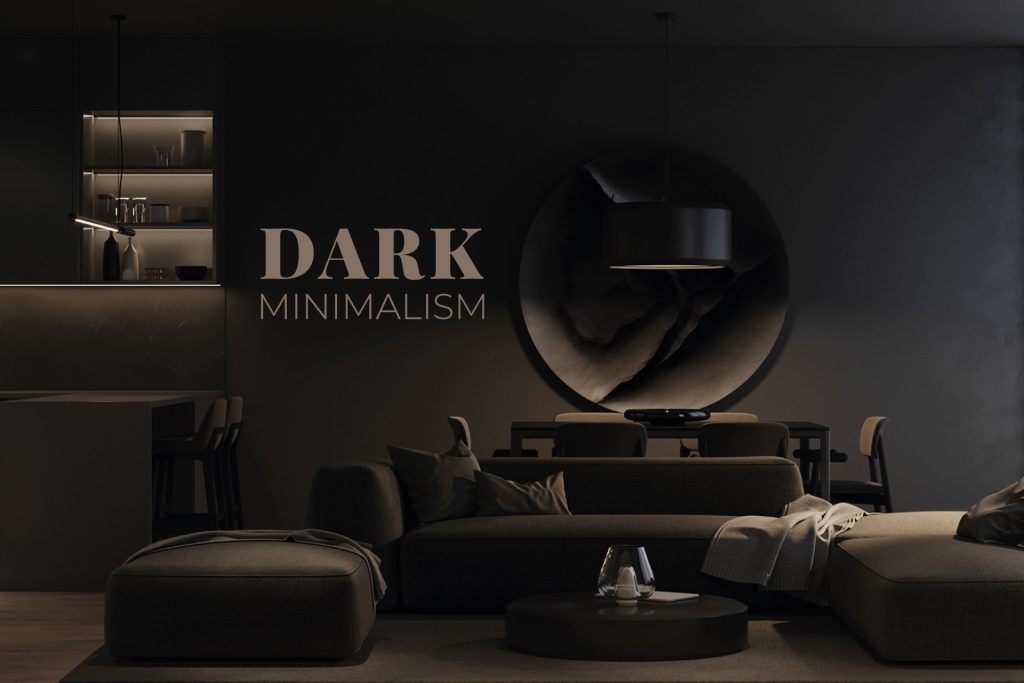

In a world that constantly screams “more is better”, minimalism emerges as a whispered promise of calm. Instagram feeds are flooded with white walls, tidy desks, and color-coded closets. Books, podcasts, and YouTube channels claim that by reducing possessions, trimming schedules, and decluttering the mind, we can achieve a life of clarity, peace, and purpose. But here’s the million-dollar question: are minimalism guides actually making life simpler, or are they just another layer of complexity dressed as simplicity?
Minimalism, at its core, is about focusing on what truly matters. It is about stripping away the non-essential, yet paradoxically, the very act of following a guide or blueprint can introduce its own rules, anxieties, and obligations. This tension between simplicity as a principle and minimalism as a lifestyle trend is worth exploring.
The Rise of Minimalism
Minimalism as a design philosophy has roots in 20th-century art and architecture, championed by figures like Donald Judd and Mies van der Rohe. “Less is more” became a mantra that transcended physical spaces and began influencing lifestyles. Today, the minimalist movement has been turbocharged by the internet. Minimalism guides promise that by decluttering your possessions, refining your schedule, and streamlining your routines, you can finally breathe.
Yet, minimalism’s popularity raises an ironic point: if simplicity were truly easy, would it require an entire industry of guides, influencers, and experts to teach it? The proliferation of these resources suggests that simplicity is not always intuitive, and the quest for minimalism often starts with complexity.
The Anatomy of a Minimalism Guide
Most minimalism guides follow a predictable formula. They tend to divide life into categories such as home, wardrobe, digital life, finances, and time management. Each section is packed with actionable steps:
- Decluttering physical spaces: Sell, donate, or toss everything that doesn’t spark joy—or meet some other prescribed criteria.
- Digital detox: Delete old files, unfollow social media accounts, streamline apps.
- Financial minimalism: Reduce spending, cut subscriptions, adopt a capsule wardrobe approach.
- Simplifying schedules: Remove unnecessary commitments, batch tasks, adopt time-blocking techniques.
- Mindset shifts: Meditate, journal, and adopt intentional living practices.
On paper, it looks incredibly organized. Yet, the irony is that following these guides can introduce a rigid framework into life. Suddenly, you’re auditing your closet, scrutinizing every email, and measuring productivity like it’s a life-or-death metric.
The Paradox of Intentionality
One of the most insidious challenges with minimalism guides is the paradox of intentionality. The guides tell you to live intentionally, but doing so often requires meticulous planning. Intentional living is supposed to reduce stress, but for many, it produces a new kind of stress: the anxiety of doing minimalism “wrong.”
Consider this scenario: You read a guide that recommends having only 33 items in your wardrobe. You attempt to follow it, but every time you buy something, you worry if it violates the “minimalist rule.” Your focus shifts from living freely to conforming to an external checklist. What was supposed to be liberating now feels constraining.
The paradox deepens when you recognize that minimalism is subjective. What’s essential to one person may be frivolous to another. Thus, rigid guides risk replacing personal judgment with prescriptive norms, potentially making life more complicated rather than simpler.
Psychological Impacts of Minimalism Guides
Psychologists studying minimalism note that decluttering and intentional living can reduce stress, improve focus, and increase overall well-being. However, these benefits are context-dependent. Minimalism guides often assume a clean slate and ideal circumstances. They rarely account for:
- Emotional attachments: Not everything we own is replaceable or disposable. Heirlooms, gifts, and sentimental items carry psychological value.
- Cultural considerations: Some cultural practices emphasize abundance as a sign of prosperity or community belonging. Minimalism may clash with these values.
- Socioeconomic realities: For people who cannot afford frequent purchases, minimalism may appear irrelevant or even insensitive.
Furthermore, minimalism guides can foster perfectionism. People may feel guilty for owning “too much” or failing to follow the guide precisely. This guilt paradoxically increases mental clutter—the very thing minimalism promises to eliminate.
The Economics of Minimalism Guides
Let’s not overlook the economic dimension. Minimalism has been monetized aggressively. Guides, courses, workshops, and subscription services generate revenue from people seeking simplicity. The irony is stark: many minimalism guides sell tools, apps, or books that require purchasing—a subtle contradiction to the ethos of “less is more.”
This commercialization introduces another layer of complexity. A person seeking simplicity now has to navigate a marketplace of minimalist products and advice, comparing methods, costs, and outcomes. The life of fewer possessions becomes entangled with the life of more choices about minimalism itself.
Minimalism in Practice: Case Studies
To understand whether minimalism guides simplify life, consider a few real-world scenarios:

Case 1: The Overzealous Declutterer
Emma, a young professional, read a bestseller on minimalism. She followed the guide meticulously, donating furniture, clothing, and kitchenware. While initially liberating, she quickly felt restricted. Hosting friends became a logistical challenge because she had pared down essential items. She also found herself stressed about whether she had enough possessions to function optimally. Her life had not become simpler; it had been reframed around adherence to rules.
Case 2: The Mindful Adapter
Raj approached minimalism pragmatically. He read several guides but treated them as suggestions, not rules. He decluttered possessions he hadn’t used in months and reduced subscriptions that added little value. He didn’t purge sentimental items. Raj reported feeling a genuine sense of calm because he had tailored advice to his life, rather than tailoring his life to advice.
These examples illustrate that minimalism’s efficacy depends less on the guide itself and more on the user’s approach. Guides can inspire clarity, but blind adherence risks complicating life further.
Minimalism Beyond Possessions
Minimalism is often portrayed as a physical act—decluttering homes or simplifying wardrobes—but its deeper promise is philosophical: clarity in decision-making, mental space, and prioritization. True minimalism extends to:
- Time management: Knowing which commitments to honor and which to decline.
- Information consumption: Curating digital inputs to avoid overload.
- Relationships: Focusing on interactions that nourish rather than drain.
Ironically, guides sometimes emphasize possessions at the expense of these more impactful areas. A minimalist home with chaotic emails, overbooked calendars, and draining relationships is hardly simplified. Minimalism is holistic, and any guide that focuses exclusively on physical decluttering risks missing the bigger picture.
Common Pitfalls in Minimalism Guides
- One-size-fits-all solutions: Guides often ignore individual circumstances and values. What simplifies life for one person may complicate it for another.
- Overemphasis on aesthetics: Minimalism is frequently presented as visually clean spaces and neutral color palettes. True simplicity is functional, not just photogenic.
- Neglect of psychological readiness: Decluttering can be emotionally challenging. Guides rarely offer strategies for dealing with attachment or nostalgia.
- Quantitative obsession: Some guides suggest exact numbers (e.g., 33 items in your wardrobe, 100 books at most). This can create unnecessary stress rather than liberation.
- Commercial entanglement: Minimalism is often sold as a lifestyle product, creating pressure to buy tools, apps, or courses to achieve simplicity.
Strategies for Meaningful Minimalism
For minimalism to truly simplify life, consider a flexible, self-directed approach:

1. Define Your Own Essentials
Identify what brings value, joy, or utility to your life. Essentials are subjective; they depend on your lifestyle, culture, and emotional needs.
2. Declutter in Context
Rather than adhering strictly to rules, declutter based on practical needs and emotional readiness. Emotional attachment is valid; minimalism isn’t about guilt.
3. Prioritize Mental and Temporal Clutter
Physical decluttering is easier than mental decluttering. Simplify your schedule, reduce digital noise, and set boundaries with energy-draining commitments.
4. Iterative Approach
Minimalism doesn’t have to be a dramatic overhaul. Small, incremental changes are sustainable and less stressful than a full-scale purge.
5. Flexibility Over Rigor
Guides should inform, not dictate. Flexibility allows you to enjoy the benefits of minimalism without introducing rigidity.
Minimalism and Modern Technology
Technology is both a blessing and a curse in the minimalist landscape. On one hand, apps can track possessions, streamline finances, and organize schedules. On the other, digital minimalism guides can overwhelm users with instructions to delete emails, unfollow accounts, and limit screen time—creating a paradoxical tech-induced clutter.
The key is moderation: use technology to reduce friction, not to enforce rules. For example, unsubscribing from unnecessary newsletters genuinely lightens mental load, but obsessively counting digital files can create more stress than it alleviates.
The Role of Intention
Ultimately, minimalism is an intentional practice. Guides can help articulate methods, but simplicity is achieved through personal insight, not rote following. Intentionality involves asking:
- What brings me lasting satisfaction?
- What obligations and possessions genuinely serve my goals?
- Where do I feel mental, emotional, or physical clutter, and how can I address it meaningfully?
A minimalist lifestyle is successful when intention drives choices, not external rules.
Minimalism as a Journey, Not a Destination
Life is dynamic. Needs, values, and priorities evolve over time. Minimalism guides often present a snapshot approach—a checklist for today. Real-world living requires ongoing evaluation and adjustment. Minimalism is better understood as a journey: a continual refinement of what matters, rather than a rigid endpoint.
Successful minimalists embrace experimentation. They allow items, commitments, and routines to fluctuate as life changes. This perspective turns minimalism from a potentially stressful prescription into a liberating philosophy.
Conclusion: Are Minimalism Guides Actually Making Life Simpler?
The short answer: sometimes yes, sometimes no.
Minimalism guides can provide structure, inspiration, and practical tips for decluttering possessions and streamlining routines. They serve as a starting point for people seeking clarity in a chaotic world.
However, guides can also complicate life by introducing rigid rules, unrealistic expectations, or unnecessary anxieties. The paradox is that in attempting to simplify life, one may inadvertently create mental clutter, perfectionist tendencies, and consumerist pressure.
The effectiveness of minimalism guides ultimately depends on how they are used. When approached flexibly, critically, and with attention to personal context, they can be invaluable. When followed blindly or dogmatically, they risk turning a pursuit of simplicity into a complex maze.
Minimalism, in its truest form, is a deeply personal and evolving practice. It is less about adhering to checklists and more about cultivating awareness, intention, and freedom. The guides can point the way, but only the individual can decide which path truly makes life simpler.
In a culture that equates busyness with value, minimalism invites us to pause, reflect, and curate our lives deliberately. Whether through a guide or self-directed practice, simplicity is not a gift granted—it is a skill developed.
Ultimately, the question is not whether guides work universally—it’s whether you can use them to reclaim your time, space, and focus without letting them dictate the terms of your life.