




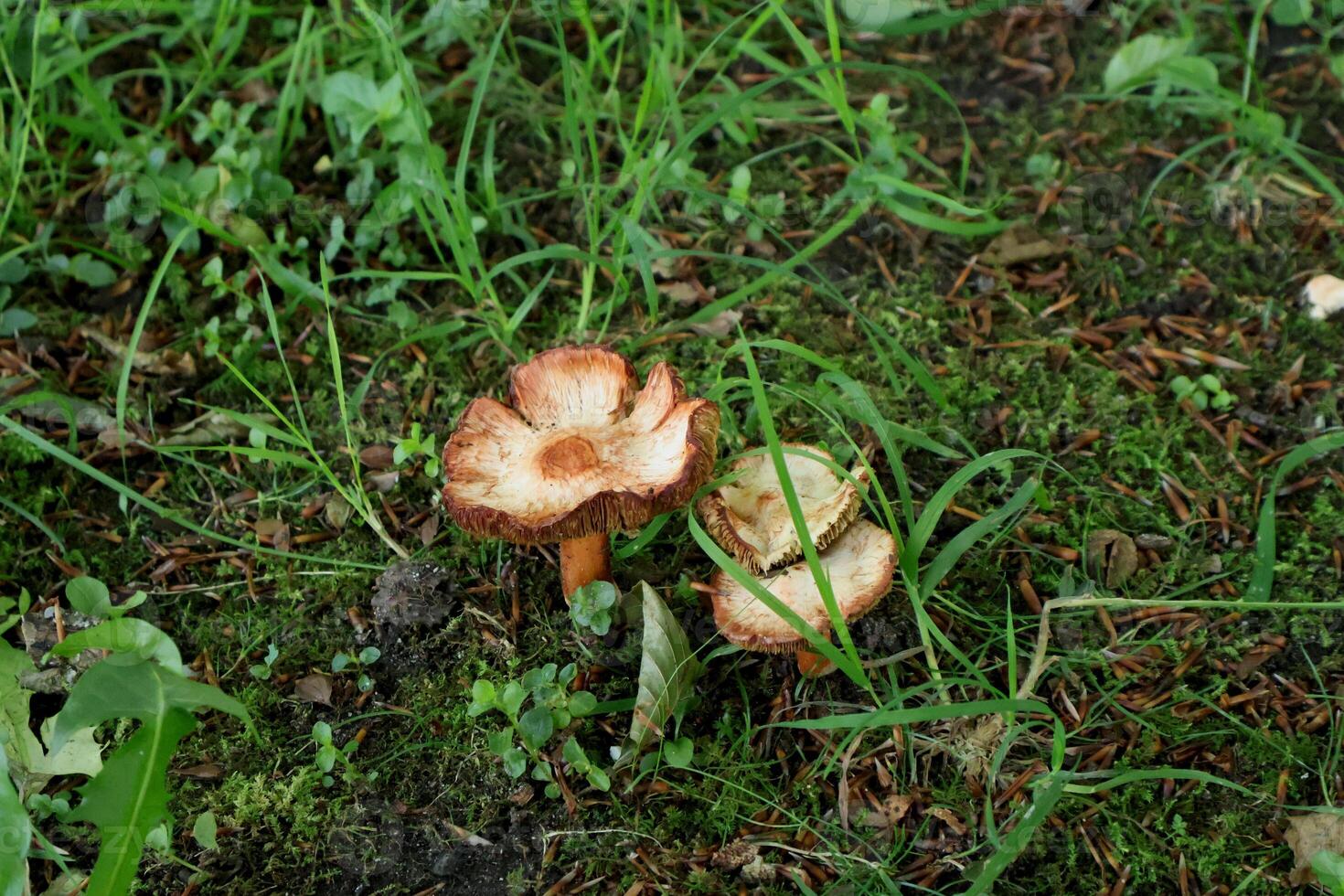

Mushrooms are one of nature’s most mysterious and captivating gifts. Their delicate caps, intricate gills, and subtle fragrances can enchant even the most casual wanderer. Yet, behind their beauty lies danger. Foraging for wild mushrooms is a practice that combines culinary delight with a high-stakes adventure. One wrong identification can result in anything from a mild upset stomach to life-threatening poisoning. This reality raises a critical question: can mushroom foraging guides truly prevent poisoning? Let’s dive into the world of fungi, safety, and the role of guides in this risky yet fascinating pursuit.
The Allure of Wild Mushrooms
Before discussing safety, it’s important to understand why so many people are drawn to mushroom foraging. There’s an undeniable thrill in discovering a hidden cluster of chanterelles beneath a dense pine forest floor or uncovering a morel in a damp spring meadow. Beyond the excitement, wild mushrooms offer flavors and textures that supermarket varieties can’t match—earthy, nutty, even subtly sweet notes that elevate dishes to new heights.
Mushrooms also carry a cultural and historical weight. In many regions, foraging is more than a hobby; it’s a tradition passed down through generations. Families teach children to spot edible species, recognize forest patterns, and respect the environment. This cultural attachment often fuels both the popularity of foraging guides and the reliance on them.
The Risks: More Than Just a Stomach Ache
Wild mushrooms are tricky. Some edible species have toxic lookalikes so similar that even experienced foragers can hesitate. For example, the death cap mushroom (Amanita phalloides) resembles some common edible species but contains potent toxins that can destroy the liver. Similarly, false morels can easily fool beginners and lead to severe poisoning.
The consequences of misidentification can range widely:
- Mild gastrointestinal upset: Nausea, vomiting, or diarrhea, often caused by misidentifying a slightly toxic species.
- Neurological effects: Hallucinations, confusion, or tremors can result from certain mushrooms containing neurotoxins.
- Organ failure and death: Some species, like the death cap, are lethal even in small doses.
This wide range of outcomes highlights why safety is paramount. Mushroom foraging guides exist to mitigate these risks, but can they truly prevent poisoning?
Understanding Mushroom Foraging Guides
A mushroom foraging guide is more than a simple book or pamphlet. Guides come in many forms: printed field guides, illustrated handbooks, digital apps, and even local workshops led by experts. Their primary goal is to teach identification skills, explain habitat preferences, and provide foraging ethics.
Effective guides typically include:
- High-quality photographs: Clear images of caps, stems, gills, and spore prints.
- Detailed descriptions: Notes on smell, texture, and seasonal growth patterns.
- Comparison charts: Highlighting edible species alongside toxic lookalikes.
- Geographic specificity: Information tailored to particular regions and climates.
Some guides go further, offering safety checklists, cooking tips, and even stories of common mistakes. By equipping foragers with comprehensive knowledge, these guides aim to reduce the risk of poisoning.
The Science Behind Identification
Mushroom identification is both an art and a science. A guide can offer tools, but successful identification relies on the ability to observe, compare, and think critically. Important scientific factors include:
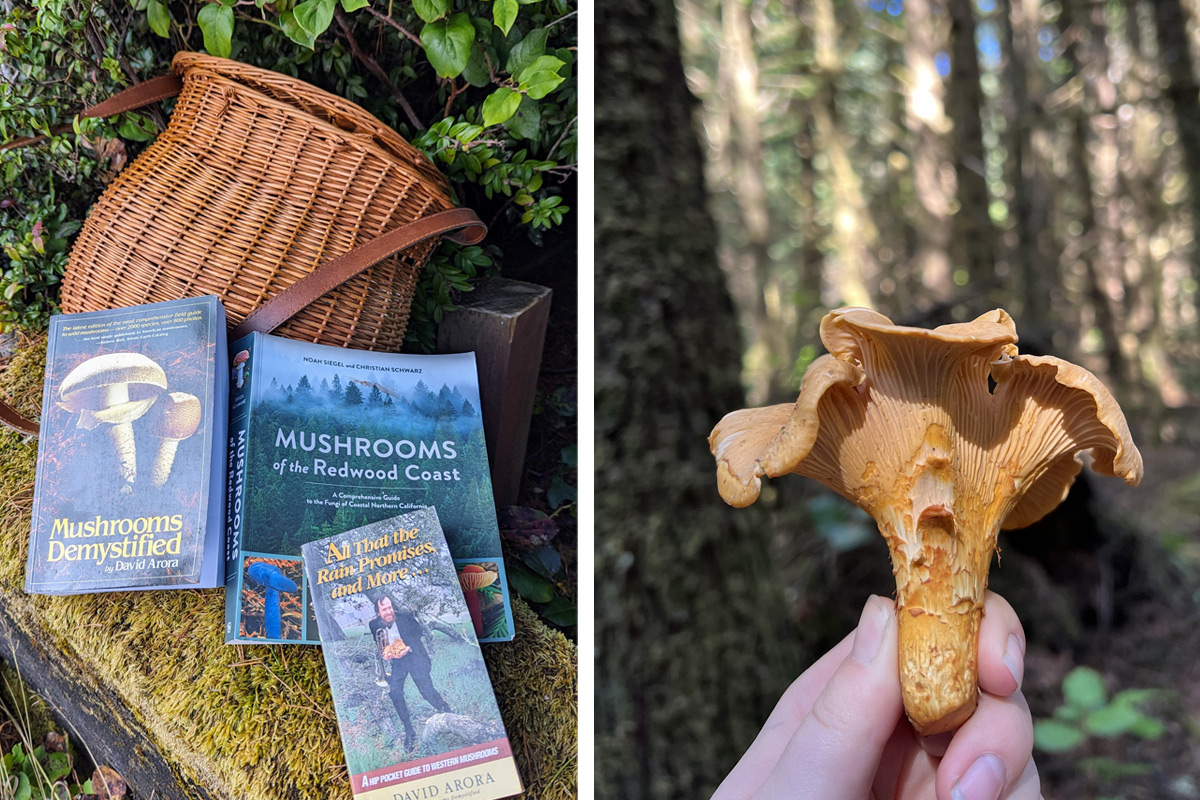
- Morphology: Cap shape, color, texture, and gill arrangement.
- Spore characteristics: Color, pattern, and microscopic features.
- Habitat: Soil type, surrounding plants, and climate conditions.
- Seasonality: Certain species only appear during specific months or weather conditions.
Foraging guides often simplify these complex factors into clear, actionable steps. Some guides employ dichotomous keys—structured decision trees that guide you through yes/no questions until a species is identified. Others use mnemonic devices or color-coded charts. The goal is the same: help the forager make confident, accurate identifications.
Can Guides Alone Prevent Poisoning?
Here’s the crux of the matter: while guides are valuable, they cannot guarantee complete safety. Several factors influence the effectiveness of mushroom foraging guides in preventing poisoning:
- User Experience: Beginners may misinterpret photos or descriptions. Slight differences in color or texture can mislead even careful readers.
- Regional Variability: Mushrooms may vary subtly across regions. A guide written for New England might not perfectly describe species in the Pacific Northwest.
- Environmental Factors: Weather, soil composition, and sunlight can alter a mushroom’s appearance, leading to misidentification.
- Overconfidence: Sometimes guides can give a false sense of security. A forager may skip double-checking or ignore subtle differences, assuming the guide is foolproof.
Studies and anecdotal evidence suggest that most mushroom poisoning incidents occur when foragers rely solely on memory or a single guide, without corroborating sources or expert advice.
The Role of Expert-Led Guides
Workshops, guided foraging tours, and mentorships add a critical layer of safety. Experienced foragers can:
- Demonstrate real-life identification: Seeing mushrooms in their natural habitat provides context that photos cannot.
- Teach practical tips: For example, how to take spore prints, handle delicate species, and separate lookalikes in the field.
- Correct mistakes immediately: Immediate feedback prevents misidentification from escalating to poisoning.
Expert-led experiences, combined with well-crafted guides, dramatically reduce risk. In fact, many professional mycologists recommend beginners avoid foraging alone until they have substantial hands-on experience.
The Digital Age: Apps and Online Guides
Technology has revolutionized mushroom foraging. Mobile apps can instantly identify mushrooms using photo recognition, GPS-based foraging maps, and community-driven verification systems. Online forums allow foragers to share findings, ask questions, and get feedback from experts worldwide.
However, digital guides have limitations:
- Accuracy varies: Image recognition can be unreliable, especially with species that have subtle differences.
- Overreliance risk: Users may trust an app’s result without cross-referencing multiple sources.
- Connectivity issues: Deep in the forest, you may not have cell service.
Thus, apps are best used as supplemental tools alongside printed guides and expert instruction.
Tips for Using Guides Safely
For those eager to forage, guides can be extremely helpful if used correctly. Key strategies include:
- Cross-reference sources: Never rely on a single guide. Compare images, descriptions, and expert opinions.
- Learn toxic species first: Memorize the dangerous lookalikes; it’s easier to avoid poisoning than to memorize dozens of edible mushrooms.
- Take notes and photos: Document your findings to track growth patterns, habitat, and morphology over time.
- Start with low-risk mushrooms: Species like chanterelles or morels (with careful identification) are safer starting points.
- Confirm with experts: When in doubt, show your find to a local mycologist or experienced forager.
Following these steps makes the guide an effective safety tool rather than a false sense of security.
Case Studies: When Guides Saved Lives
While statistics are limited, anecdotal evidence strongly supports the use of guides:
- Scenario 1: A beginner forager in Canada identified a cluster of edible honey mushrooms using a field guide. Upon cross-checking with a local expert, they realized the mushrooms were actually a toxic lookalike. The guide had taught the subtle distinguishing features, preventing poisoning.
- Scenario 2: A European foraging app flagged a mushroom as edible. A cautious forager used a printed guide to notice slight differences in gill color and opted not to harvest, avoiding severe gastrointestinal illness.
- Scenario 3: In the U.S., workshops teaching spore printing and habitat recognition drastically reduced incidents of beginner mistakes, demonstrating that guided education matters more than casual app reliance.
These examples highlight that guides are most effective when paired with critical thinking and expert validation.
Limitations: Why Poisoning Still Happens
Despite best practices, mushroom poisoning still occurs. Key limitations include:
- Individual sensitivity: Some people may react differently to species considered safe.
- Environmental contamination: Mushrooms absorb toxins from soil or nearby plants, potentially causing unexpected illness.
- Misleading visual cues: Lighting, age, and weather can make edible mushrooms appear dangerous—or vice versa.
These factors underscore that no guide can replace careful observation, patience, and respect for nature’s unpredictability.
Beyond Safety: Education and Ethics
Mushroom guides do more than prevent poisoning—they teach ecological respect. Responsible foraging ensures mushrooms continue to thrive in their natural habitats. Guidelines often include:
- Harvest sustainably: Only take what you need and leave younger specimens to grow.
- Avoid endangered species: Protect rare fungi from overharvesting.
- Respect ecosystems: Don’t damage surrounding plants or soil.
By emphasizing ethics, guides foster a holistic approach to foraging, making it safer and more sustainable.
Conclusion: Guides as Tools, Not Guarantees
So, can mushroom foraging guides really prevent poisoning? The answer is nuanced. Guides are indispensable tools, offering knowledge, visual references, and structured methods to identify mushrooms safely. However, they are not foolproof. The combination of experience, cross-referencing, expert consultation, and careful observation is what truly minimizes risk.
For beginners, the safest path is to treat guides as advisors rather than authorities. Study diligently, start with low-risk species, and never underestimate the subtlety of nature’s tricks. When used wisely, mushroom foraging guides are powerful allies—able to turn a dangerous gamble into a rewarding culinary and educational adventure.
In the end, the thrill of discovering wild mushrooms comes with a responsibility: respect, caution, and knowledge. Guides provide the map, but the journey depends on the careful choices of the forager.