







Urban gardening has exploded in popularity over the past decade. High-rise balconies are adorned with cascading greens, rooftop gardens flourish in city centers, and abandoned lots are being transformed into edible landscapes. But amid this surge of enthusiasm, a question arises: are urban gardening guides genuinely practical tools for cultivating city-grown food, or are they merely trendy publications riding the wave of lifestyle culture? This article dives deep into the science, sociology, and artistry of urban gardening guides, revealing whether they are functional companions or decorative coffee table material.
The Rise of Urban Gardening
Cities, once seen as concrete jungles devoid of nature, are experiencing a quiet green revolution. Urban gardening is no longer just a niche hobby. According to urban ecology trends, community gardens, container gardening, and hydroponic systems are sprouting across metropolises worldwide. The rise of this movement is tied to several factors:
- Food security concerns: Urban dwellers are increasingly aware of supply chain vulnerabilities, making self-grown produce appealing.
- Health and wellness: Growing your own food promotes not only better nutrition but also mental health through connection to nature.
- Sustainability goals: Reducing food miles and creating green spaces aligns with broader environmental movements.
- Aesthetic and lifestyle appeal: Green spaces improve urban aesthetics, making city living more enjoyable.
With this surge, urban gardening guides have proliferated. They promise everything from growing tomatoes on fire escapes to designing vertical farms in small apartments. But do they deliver real-world results, or are they a passing fad?
Anatomy of an Urban Gardening Guide
Urban gardening guides come in multiple forms—books, e-books, blogs, and even interactive apps. Most guides include:
- Planning and layout tips: How to organize limited space efficiently.
- Plant selection advice: Choosing species suitable for containers, small plots, or indoor environments.
- Soil and nutrient management: Guidance on composting, fertilization, and soil health.
- Watering and irrigation: How to avoid overwatering or underwatering in constrained spaces.
- Pest and disease control: Non-toxic solutions suitable for urban living.
- Seasonal and environmental strategies: Tips for adapting to microclimates, shade, and limited sunlight.
High-quality guides also integrate local climate data and urban planning considerations, whereas trend-focused guides often prioritize aesthetic photography and Instagram-ready setups.
Practicality: Where Urban Gardening Guides Shine
Urban gardening, unlike traditional rural agriculture, presents unique challenges. Space constraints, limited sunlight, air pollution, and soil contamination are common issues in city settings. Here’s how guides can help:
1. Maximizing Small Spaces
Most urban gardeners face space limitations. Guides provide strategies such as vertical gardens, hanging planters, balcony racks, and hydroponic systems. These techniques are practical because they translate directly into usable solutions for people living in apartments or high-density areas.
2. Preventing Crop Failure
City gardeners are often novices. Without proper guidance, a potted tomato or herb might fail. Urban gardening guides offer step-by-step instructions, troubleshooting tips, and seasonal planting calendars that increase the likelihood of success. This practical support is crucial for maintaining motivation and reducing the frustration of failed attempts.
3. Soil and Water Management
Urban soil is often contaminated or poor in nutrients. Guides recommend container gardening, raised beds, and hydroponic setups that bypass these challenges. They also teach water conservation techniques and DIY irrigation systems—critical knowledge in cities where water may be limited or expensive.
4. Pest Control Without Chemicals
Using pesticides in urban environments is risky, especially indoors. Guides provide alternatives like companion planting, natural repellents, and beneficial insects. This practical approach allows gardeners to protect plants safely, a feature that is highly relevant in real-world urban settings.
When Urban Gardening Guides Veer Into Trendiness
While many guides are highly functional, some appear designed more for style than substance. These trend-focused guides often feature:
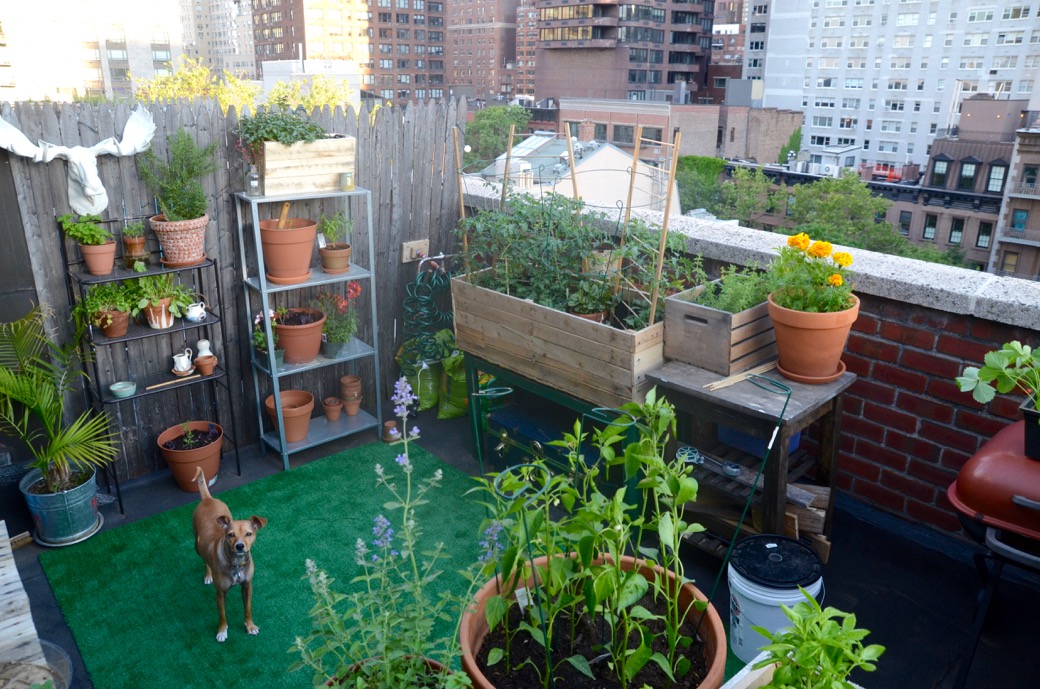
- Excessive focus on aesthetics: Glossy photography and Instagram-ready setups that are difficult to replicate.
- Exotic plants for novelty rather than practicality: Rare or sensitive species that require intensive care.
- Lifestyle narratives over actionable advice: Tips may feel inspiring but lack clear implementation steps.
- High cost and impractical tools: Specialized gadgets that are unnecessary for beginners or small-scale gardeners.
These guides can be fun to browse but often frustrate readers who hope for practical results. They may give the illusion of expertise without empowering real urban gardeners.
Balancing Practicality and Inspiration
A well-rounded urban gardening guide achieves a delicate balance: practical advice backed by science, combined with visual inspiration. The most successful guides include:
- Clear step-by-step instructions: Avoid jargon, provide illustrations, and include troubleshooting advice.
- Adaptation to space constraints: Suggest flexible methods for balconies, windowsills, rooftops, or shared garden spaces.
- Science-based guidance: Incorporate knowledge of soil chemistry, light requirements, and plant biology.
- Motivational elements: Use stories and images to inspire, without compromising practicality.
This balance ensures guides are not merely trendy coffee table books but functional tools that can improve urban food production, mental well-being, and community engagement.
Community Gardens and Collective Knowledge
Urban gardening guides often emphasize individual effort, but community involvement amplifies impact. Shared gardens provide:
- Resource pooling: Compost bins, water systems, and tools can be shared.
- Knowledge exchange: Experienced gardeners can mentor newcomers.
- Social cohesion: Gardening fosters local community bonds.
- Environmental benefits: Collective green spaces reduce heat islands and improve air quality.
Some guides now include sections on organizing community gardens, navigating city regulations, and leveraging public spaces—practical advice that moves beyond personal hobby gardening.
Technology and Urban Gardening
Modern guides increasingly intersect with technology. Apps and online platforms provide:
- Plant identification and tracking: Gardeners can log growth, water schedules, and fertilization.
- Climate and sunlight modeling: Guides paired with apps help optimize plant placement.
- Virtual communities: Gardeners share experiences, photos, and solutions.
- E-commerce links: Quick access to seeds, soil, and tools.
Technology enhances practicality when guides integrate it thoughtfully, moving beyond static information to interactive problem-solving.
Sustainability and Urban Gardening Guides
A key practical aspect of urban gardening is sustainability. Guides frequently address:

- Composting: Turning food waste into nutrient-rich soil.
- Rainwater harvesting: Reducing dependence on municipal water.
- Native and low-maintenance plants: Minimizing environmental footprint.
- Pollinator-friendly plantings: Supporting urban bees, butterflies, and birds.
By teaching sustainable practices, guides equip urban gardeners to contribute positively to their local ecosystems.
Common Misconceptions
Many assume urban gardening is easy or requires little effort. Guides often clarify:
- Microclimates matter: Urban areas can have hot, reflective surfaces and shaded pockets that affect plant growth.
- Container gardening differs from soil gardening: Watering, nutrient delivery, and root space are unique challenges.
- Urban gardening isn’t a replacement for supermarkets: It supplements diet and reduces carbon footprint but rarely provides full sustenance.
- Failure is normal: Trial and error is part of urban gardening; guides encourage learning from mistakes rather than perfection.
These insights make urban gardening guides practical learning tools rather than just aesthetic coffee table books.
The Science Behind Guide Recommendations
Urban gardening isn’t just about aesthetics—it’s rooted in biology, ecology, and engineering:
- Botany: Guides teach plant life cycles, photosynthesis needs, and flowering cycles.
- Soil science: Understanding pH, nutrient levels, and microbial activity ensures healthy crops.
- Hydrology: Knowledge of water retention, drainage, and irrigation methods prevents plant stress.
- Urban ecology: Guides can explain how green spaces interact with urban wildlife, pollution mitigation, and microclimate regulation.
Science-based guides offer measurable outcomes: better yield, healthier plants, and lower maintenance—hallmarks of practicality.
Urban Gardening as Therapy
Beyond edible harvests, urban gardening guides often highlight mental and emotional benefits:
- Stress relief: Gardening promotes mindfulness and reduces anxiety.
- Creativity and design: Planning and maintaining urban gardens taps into artistic expression.
- Physical activity: Gardening engages multiple muscle groups and encourages movement.
- Connection to nature: Even small green spaces can improve mood and cognitive function.
Practical guides emphasize these benefits alongside horticultural advice, making them holistic tools for urban wellness.
Case Studies: Successful Urban Gardening Guides
- Apartment Gardening for Busy Professionals: Focuses on space-efficient setups, container-friendly plants, and time-saving routines.
- Rooftop Harvest: Combines visual inspiration with solar mapping, composting methods, and lightweight soil solutions.
- Community Green: Explores organizing urban plots, navigating zoning laws, and fostering social cohesion.
These guides combine practical advice with motivational elements, proving that urban gardening guidance can be both functional and inspiring.
Are They Worth Your Time and Money?
The value of an urban gardening guide depends on your goals:
- Practical outcomes: For gardeners seeking actionable steps, high-quality guides are invaluable.
- Aesthetic inspiration: Trendy guides may be worth browsing for creative ideas but can frustrate when applied to real-world gardening.
- Education: Guides that explain underlying science offer transferable knowledge.
- Community and engagement: Guides encouraging collective gardening have broader social and environmental benefits.
In short, the right guide is a long-term investment in knowledge, skill, and urban lifestyle enhancement.
Conclusion: Practicality vs. Trendiness
Urban gardening guides are neither inherently practical nor inherently trendy. Their value depends on quality, content, and your expectations. High-quality guides blend science, strategy, and visual inspiration, equipping city dwellers to overcome spatial constraints, nurture plants successfully, and engage with their communities. Trend-driven guides may entertain and inspire but often lack actionable advice.
For anyone serious about urban gardening, the key is discernment: choose guides that prioritize practical solutions while still igniting imagination. In this way, urban gardening transforms from a fleeting trend into a sustainable, enriching lifestyle.
Urban gardening guides, when selected wisely, are not just books—they are blueprints for cultivating green oases in concrete jungles. They are practical, they are educational, and yes, they can be beautiful—but only when functionality and inspiration are perfectly balanced.