





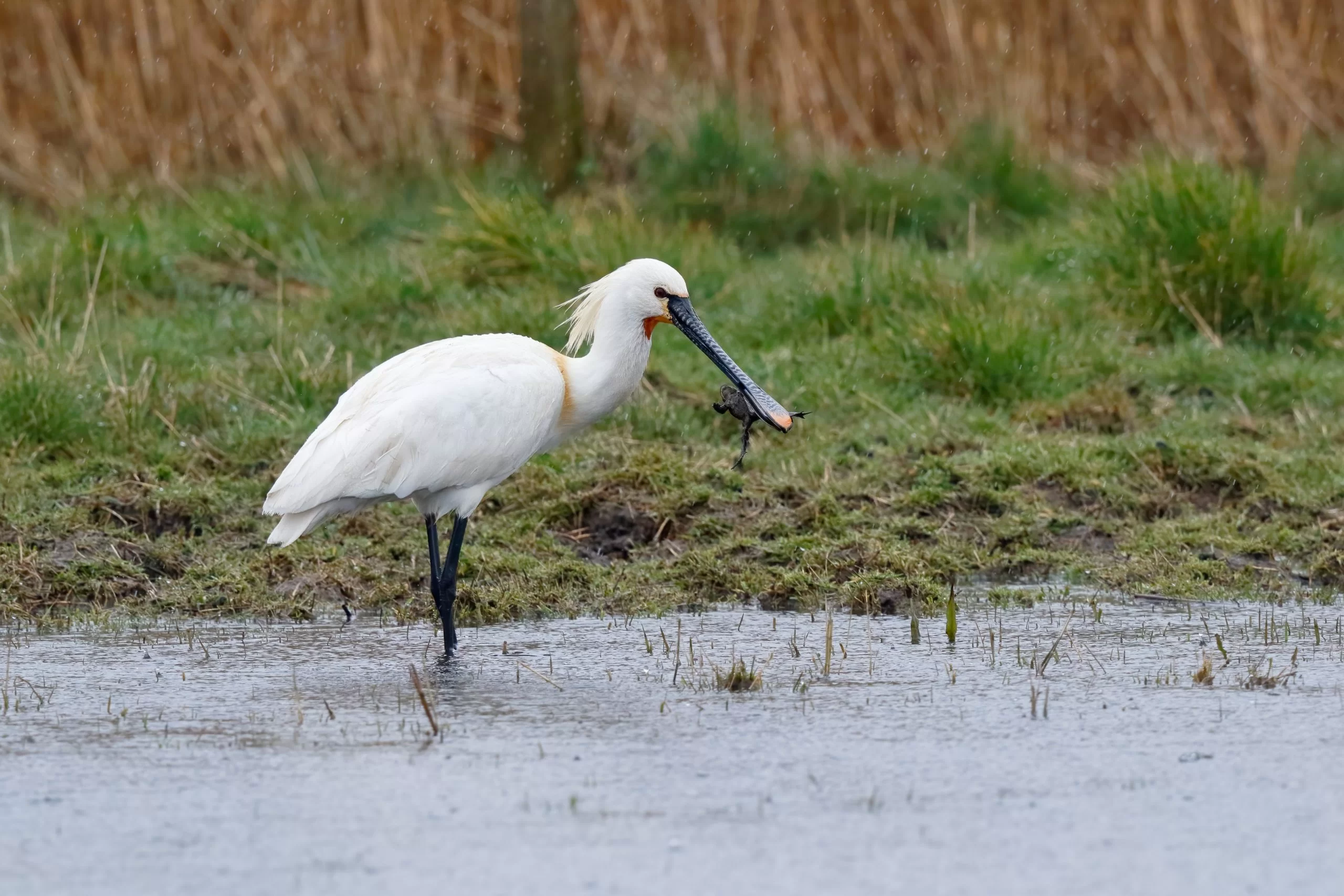

Birdwatching is often described as a quiet hobby, but anyone who has spent hours standing still in a damp forest at dawn knows it is anything but passive. It is an active dialogue between eye and environment, ear and instinct, curiosity and restraint. Somewhere between the thrill of a rare sighting and the frustration of empty branches sits a question that quietly divides beginners and veterans alike: do birdwatching guides actually improve our powers of observation, or do they simply train us to wait longer, complain less, and call that progress?
At first glance, the answer seems obvious. Guides—whether books, apps, or human experts—exist to teach. They point out field marks, habitats, calls, seasonal behaviors. Surely that sharpens observation. Yet seasoned birders sometimes argue the opposite: that true observation is forged through time, repetition, and patience, and that guides merely decorate the process with names and labels. The truth, as with most things in nature, is more layered, more interesting, and far less binary.
This article explores how birdwatching guides shape the way we see birds, landscapes, and even ourselves. We will examine the cognitive mechanics of observation, the psychological role of patience, the strengths and limitations of different types of guides, and how guidance subtly transforms the act of looking into the skill of seeing.
Observation Is Not Seeing: A Necessary Distinction
Before discussing guides, we need to clarify what “observation” actually means in birdwatching. Seeing is passive. Observation is active, intentional, and structured. When you see a bird, light hits your retina. When you observe a bird, your brain begins to ask questions: size, shape, movement, context, sound, behavior, and comparison.
A beginner might say, “I saw a small brown bird.” An experienced observer might say, “I observed a small, streaked passerine with a thin bill, feeding low in grass, flushing short distances, calling with a sharp ‘tsip’—likely a sparrow.” The difference is not eyesight; it is trained attention.
Birdwatching guides intervene precisely at this junction. They provide frameworks for attention. Instead of telling you what to see, they teach you what to look for.
The Guide as a Lens, Not a Crutch
A common criticism is that guides become crutches. Beginners may flip pages frantically, compare pictures obsessively, and miss the living bird in front of them. This happens, but it is not the fault of the guide—it is a phase of learning.
A good guide functions like a lens. At first, the lens feels awkward. You fumble with focus. You become aware of distortion. But over time, the lens disappears, and your vision sharpens.
Guides encourage structured observation. They break a bird into analyzable components:
- Silhouette and posture
- Plumage patterns rather than colors
- Behavior instead of static appearance
- Habitat and season as clues
These categories do not simplify birds; they deepen them. The observer learns to watch more carefully because the guide has quietly expanded the definition of “important detail.”
Patience: The Invisible Skill Guides Cultivate
While guides undeniably sharpen observation, their more subtle contribution may indeed be patience. But this is not a lesser outcome—it is a foundational one.
Birdwatching is an exercise in delayed reward. Birds do not perform on schedule. They hide, migrate, molt, and vanish. Guides prepare observers for this uncertainty. By describing habits, timing, and probability, they teach birders when waiting makes sense and when moving on is wiser.
Patience in birdwatching is not passive waiting. It is alert stillness. A guide teaches you that a reed bed at dusk is worth lingering by, that a fruiting tree deserves a second scan, that silence can be meaningful. This kind of patience is inseparable from observation. Without patience, observation collapses into rushed glances and missed patterns.
Field Guides: Paper, Ink, and Cognitive Discipline
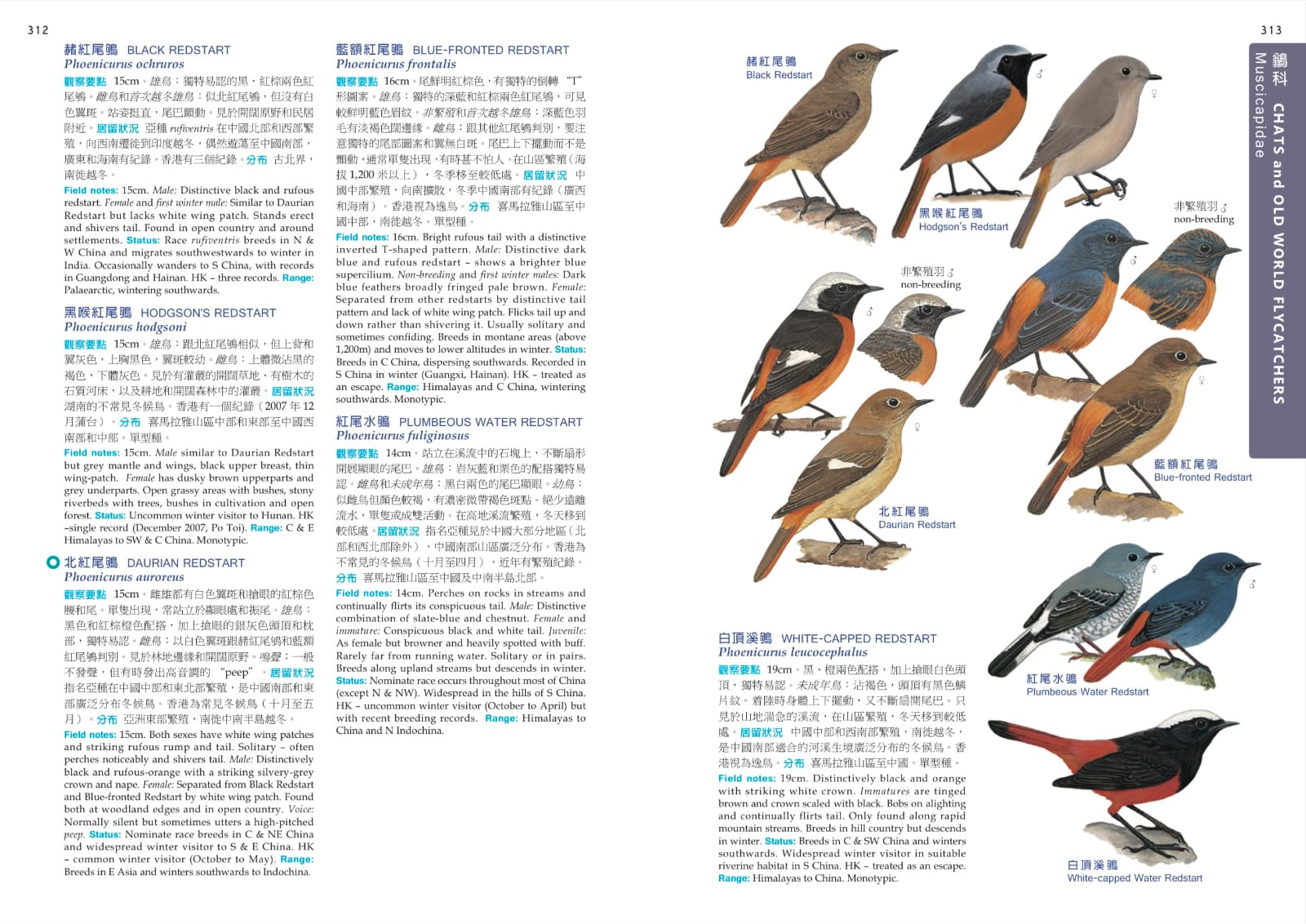
Traditional field guides—those thick books with plates and maps—deserve special attention. They are often dismissed as outdated in the age of apps, yet they offer something uniquely valuable: cognitive discipline.
Using a book forces a birder to slow down. There is no instant match. You must decide which section to open, which family the bird might belong to, which illustrations are relevant. This process reinforces mental categorization.
Field guides also teach humility. They make ambiguity visible. Similar species sit side by side, daring you to admit uncertainty. This cultivates honest observation, not rushed certainty.
Importantly, field guides train memory. Repeated exposure to illustrations and descriptions builds mental templates. Over time, birders stop consulting the book because the book has moved into their head.
Digital Guides and Apps: Speed, Sound, and Risk
Modern birding apps offer extraordinary tools: instant photo recognition, audio libraries, range updates, and community data. These tools undeniably improve access and inclusivity. They lower the barrier to entry and allow beginners to succeed faster.
However, speed changes behavior. When identification becomes instant, observation can become superficial. Some users photograph first and observe later—if at all. The bird becomes a puzzle to solve rather than a phenomenon to experience.
That said, apps can dramatically improve auditory observation. Learning bird calls without audio references is extremely difficult. Apps turn sound into a primary observational channel, not an afterthought. They also encourage repeated listening, comparison, and environmental awareness.
The impact of digital guides depends less on the technology itself and more on how consciously it is used.
Human Guides: Attention by Contagion
There is something irreplaceable about birdwatching with an experienced human guide. Not because they know more names, but because attention is contagious.
A good human guide models observation in real time. They pause when others rush. They listen before looking. They notice movement patterns instead of colors. Observers unconsciously begin to mirror these habits.
Human guides also narrate uncertainty. They say things like, “I’m not sure yet,” or “Let’s wait for a better look.” This normalizes patience and careful observation. It teaches that expertise is not about speed, but about accuracy and restraint.
Perhaps most importantly, human guides tell stories. Stories anchor observation in memory. A bird linked to a behavior, a place, or a moment becomes unforgettable.
Do Guides Reduce Discovery?
One fear is that guides spoil discovery. If everything is named, categorized, and explained, what is left to explore?
In practice, the opposite happens. Guides reveal how much there is to discover. Once you learn that two similar birds behave differently, you start watching behavior. Once you learn about seasonal plumage, you start noticing time. Knowledge multiplies mystery rather than eliminating it.
Guides also expose the limits of knowledge. Range maps blur. Species complexes exist. Hybridization confuses certainty. This reminds observers that nature resists neat classification.
True discovery in birdwatching is not about naming something new. It is about seeing something familiar more deeply.
The Myth of the “Natural Observer”
Some claim that great birders are born, not trained. They speak of instinct, intuition, or a “natural eye.” This romantic notion ignores how perception actually works.
Human attention is trainable. Studies in psychology show that experts in any visual field—radiologists, artists, trackers—literally see differently. Their brains filter and prioritize information more efficiently.
Birdwatching guides accelerate this training. They compress decades of collective observation into usable form. They do not replace experience; they shape it.
Even the most intuitive observers benefit from structured knowledge. Instinct without framework often leads to confident error.
Observation Fatigue and the Role of Guides
Observation is mentally demanding. Long periods of focused attention can lead to fatigue, especially for beginners. Guides help manage this by directing effort.
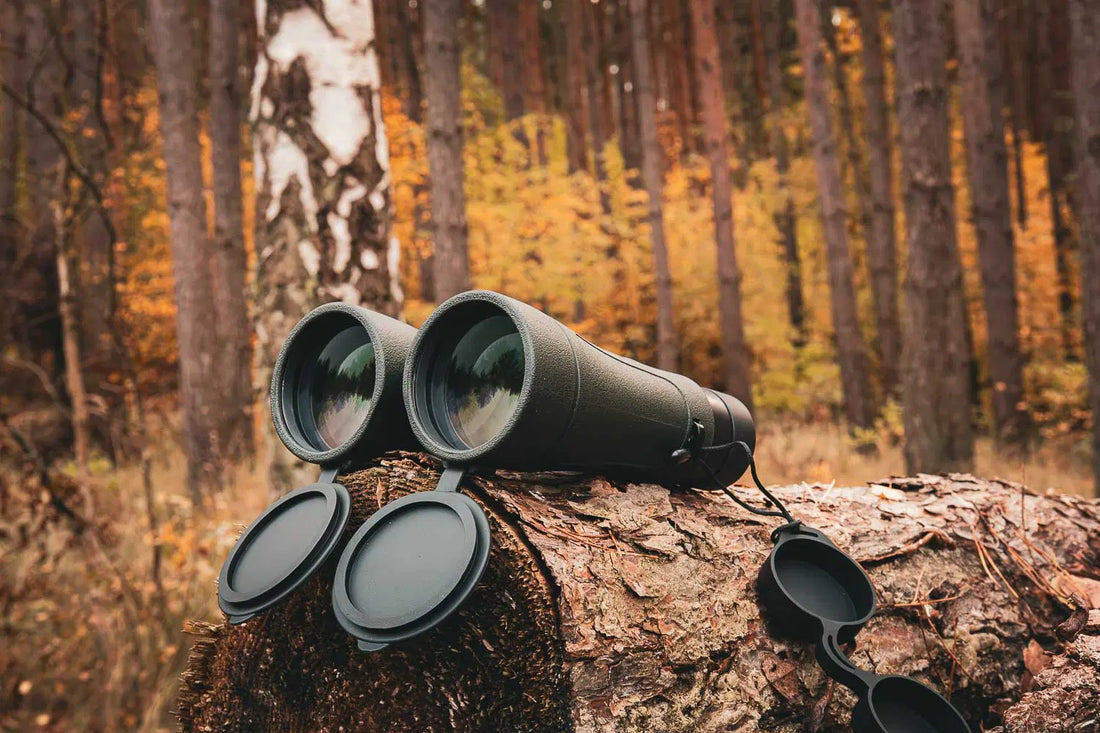
Knowing which habitats are productive reduces wasted energy. Understanding behavior patterns reduces random scanning. Guides teach when to look hard and when to relax.
This efficiency preserves curiosity. A tired observer becomes careless; a guided observer remains engaged.
Patience, in this sense, is not endurance but sustainability.
When Guides Get in the Way
It would be dishonest to claim guides are always helpful. They can become obstacles when they dominate attention.
Obsessive listing, constant checking, and fear of being wrong can replace genuine observation. Some birders watch books more than birds. Others trust guides more than their senses.
The solution is not to abandon guides, but to renegotiate the relationship. Guides should answer questions, not dictate experience. The bird should always come first.
The most skilled birdwatchers often consult guides after observation, not during it.
Learning to See Movement, Not Just Color
One of the most profound ways guides improve observation is by shifting focus from color to movement. Many guides emphasize behavior: flight patterns, feeding styles, posture.
Color is seductive but unreliable. Light changes, plumage varies, distance distorts. Movement, by contrast, is consistent. A guide teaches you that how a bird moves can matter more than how it looks.
Once learned, this changes everything. The forest becomes animated with signatures. You begin to recognize birds before seeing them clearly. Observation becomes predictive, not reactive.
Sound as Observation, Not Supplement
Beginners often treat bird sound as optional. Guides correct this misconception. In many environments, birds are heard far more often than seen.
Learning calls transforms the experience. Suddenly, the landscape speaks. Observation becomes three-dimensional.
Guides that integrate sound teach patience in listening. They encourage stillness. They reward repeated exposure. Over time, birders stop identifying sounds consciously—they recognize them the way one recognizes a voice.
This is observation at its most refined.
Patience Reframed: From Waiting to Watching
So, do guides merely teach patience? Yes—but not the dull patience of waiting for something to happen. They teach active patience: the art of sustained attention without guarantee.
This skill extends beyond birdwatching. It affects how people walk through cities, sit in parks, notice seasons. Guides train the mind to remain open.
In a culture obsessed with speed and certainty, this is no small gift.
The Transformation of the Observer
Perhaps the most overlooked effect of birdwatching guides is how they change the observer, not just the observation.
Guides encourage humility. There is always more to learn. They reward curiosity over confidence. They legitimize not knowing.
Over time, the birder becomes more attentive not only to birds, but to context: weather, plants, time of day, silence. Observation expands outward.
At this point, the guide fades into the background. Its work is done.
Conclusion: A False Choice
The question “Do birdwatching guides improve observation or just patience?” presents a false choice. They do both, and more importantly, they reveal that observation and patience are inseparable.
Guides sharpen the eye by training the mind. They lengthen patience by giving it purpose. They do not replace experience; they refine it.
In the end, the best guide is not the one you carry in your pocket or hold in your hand. It is the one that reshapes how you look when nothing obvious is happening—when the branches seem empty, the air is quiet, and the reward is not a rare species, but a deeper way of seeing.
And if, after all that waiting, a bird finally appears, you will not just see it. You will know how to watch.