





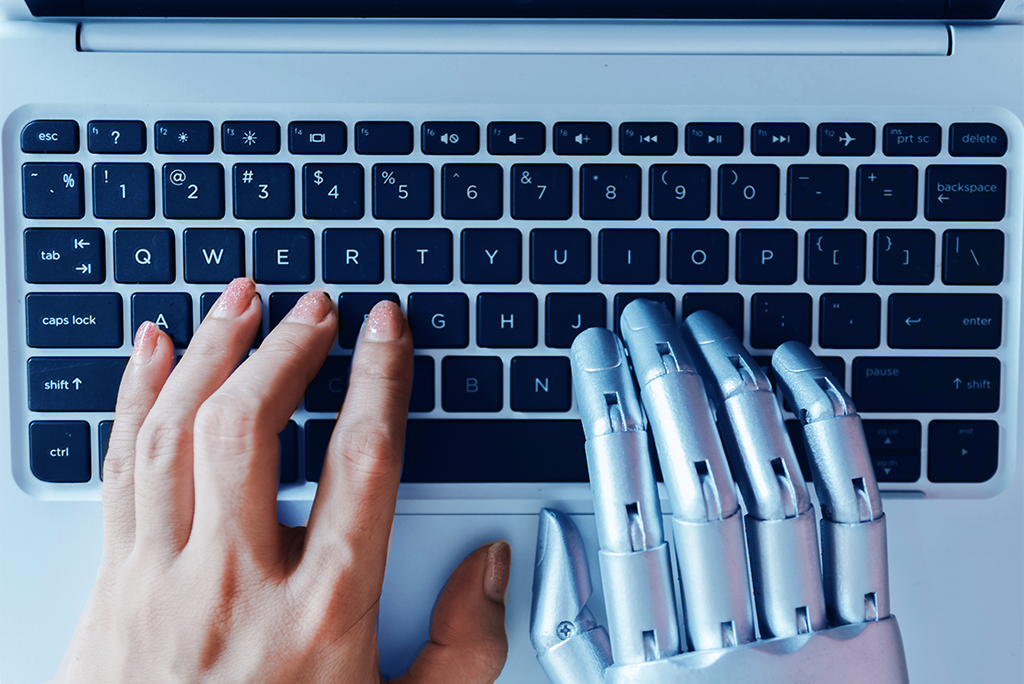

In a world increasingly dominated by artificial intelligence, the question arises: can AI truly replace human creativity in the realm of guides? Guides are not just simple instructions—they are bridges between knowledge and experience, carefully curated to lead readers or users through complex ideas, processes, or adventures. From travel guides to technical manuals, from learning tutorials to lifestyle advice, the human touch has traditionally been considered indispensable. Yet, AI promises efficiency, consistency, and adaptability that could revolutionize the way guides are written. But does efficiency equal creativity? Can an algorithm replicate the nuanced art of human storytelling, empathy, and insight? Let’s explore.
The Nature of Creativity in Guides
Creativity in guides manifests in several ways:
- Narrative Flair: Beyond factual correctness, great guides tell stories. A travel guide, for instance, doesn’t just list museums—it conveys a city’s rhythm, its hidden corners, and the emotional undertone of a local experience.
- Personalized Insight: Humans understand nuance. A fitness guide can suggest workouts not just based on general physiology but on lifestyle, personality, and motivation—a depth AI struggles to emulate authentically.
- Contextual Adaptation: Guides often respond to subtle cues from the audience. Tone, humor, and pacing adjust based on perceived reader needs. This adaptability is rooted in empathy, a quality AI can mimic but rarely feel.
- Problem-Solving Creativity: Guides frequently anticipate challenges readers may face and offer creative solutions. These solutions are often derived from human intuition, experience, and trial-and-error wisdom.
Human creativity in guides is not just about producing content; it’s about producing content that resonates, guides effectively, and leaves a lasting impression.
AI’s Current Capabilities in Guide Creation
Artificial intelligence has made remarkable strides in content generation:
- Content Generation: AI can produce grammatically correct, logically structured, and informative guides in seconds. It can summarize complex topics and organize instructions clearly.
- Consistency and Standardization: Unlike humans, AI can maintain a consistent tone and format across hundreds of pages. This is particularly useful for technical manuals and corporate training guides.
- Data-Driven Insights: AI can analyze vast amounts of user feedback, reviews, and behavioral data to tailor guides to common patterns, predicting what information users are most likely to need.
- Multimedia Integration: AI can automatically suggest images, infographics, or interactive elements based on content context, enhancing the user experience.
Yet, while these capabilities are impressive, they have limits. AI’s output is generally derivative, built from patterns in data rather than original thought or intuition.
Where AI Struggles with Human Creativity
Despite its strengths, AI faces inherent challenges when it comes to replicating human creativity:
- Emotional Resonance: Humans connect emotionally with guides that speak to shared experiences or unique perspectives. AI can simulate empathy using language patterns, but it lacks genuine lived experience.
- Subtle Humor and Tone: Creative guides often include nuanced humor, irony, or culturally sensitive phrasing. AI-generated humor frequently falls flat or misfires, especially when it involves cultural context.
- Originality vs. Synthesis: AI excels at synthesizing existing content but struggles to create entirely new concepts. A human writer might invent a novel metaphor, a unique instructional method, or an unconventional approach that an AI is unlikely to generate independently.
- Intuitive Adaptation: Experienced guide writers adapt dynamically to feedback and context. AI’s adaptations are algorithmic and constrained by prior data—it can predict trends, but it rarely anticipates needs in a truly innovative way.
In short, AI can produce guides, but the creative spark—the originality, emotional depth, and cultural sensitivity—remains a human domain.
Case Studies: AI in Action
1. Travel Guides
AI-generated travel guides can provide comprehensive itineraries, maps, and local facts. They can even optimize routes for time efficiency. However, they often fail to capture the “soul” of a place. A human writer might describe the smell of freshly baked bread in a Parisian alley, the quietude of a hidden temple at dawn, or the eccentric charm of a street performer—details that transform a guide from functional to memorable. AI can list attractions but struggles to evoke sensory experience convincingly.
2. Technical Manuals
AI shines in technical contexts. For software manuals, assembly instructions, or procedural guides, AI can standardize language, reduce errors, and update documentation quickly. Yet, humans still excel when troubleshooting unexpected user errors or presenting abstract concepts in intuitively understandable ways. Creativity is needed not just to write but to design instructional approaches that preempt confusion.
3. Lifestyle and Self-Help Guides
Lifestyle guides—covering fitness, nutrition, or personal development—require empathy and motivational creativity. AI can provide evidence-based suggestions and structure routines, but the subtle encouragement, personalized anecdotes, or reflective prompts that make self-help guides engaging often need human authorship. Motivation is deeply tied to human experience, which AI can only approximate, not internalize.
Hybrid Approaches: Human + AI Collaboration
The future may not be an either/or scenario. Instead, hybrid approaches leverage both human creativity and AI efficiency:
- Content Drafting: AI can generate initial drafts or summaries, reducing the writer’s workload and leaving room for human refinement.
- Fact-Checking and Data Analysis: Humans provide creative insight while AI ensures accuracy, comprehensiveness, and consistency.
- Interactive Guides: AI can power adaptive elements, quizzes, or simulations within guides, while humans craft the narrative and instructional style.
This collaborative model combines the best of both worlds: AI handles repetitive, data-heavy tasks, and humans ensure the creative vision shines through.
Ethical and Practical Considerations
AI-guided creativity introduces new ethical questions:

- Authenticity: Users may feel misled if guides are purely AI-generated but presented as “human insight.” Transparency matters.
- Bias and Accuracy: AI mirrors the biases in its training data, which can affect the inclusivity and fairness of guides. Humans remain essential for critical judgment.
- Intellectual Property: Who owns the content when AI generates it? Legal frameworks are evolving, but human oversight ensures ethical use.
Practical considerations include accessibility and adaptability. AI can scale guides rapidly across languages and platforms, but human creativity ensures that the content resonates culturally and emotionally.
The Role of Storytelling
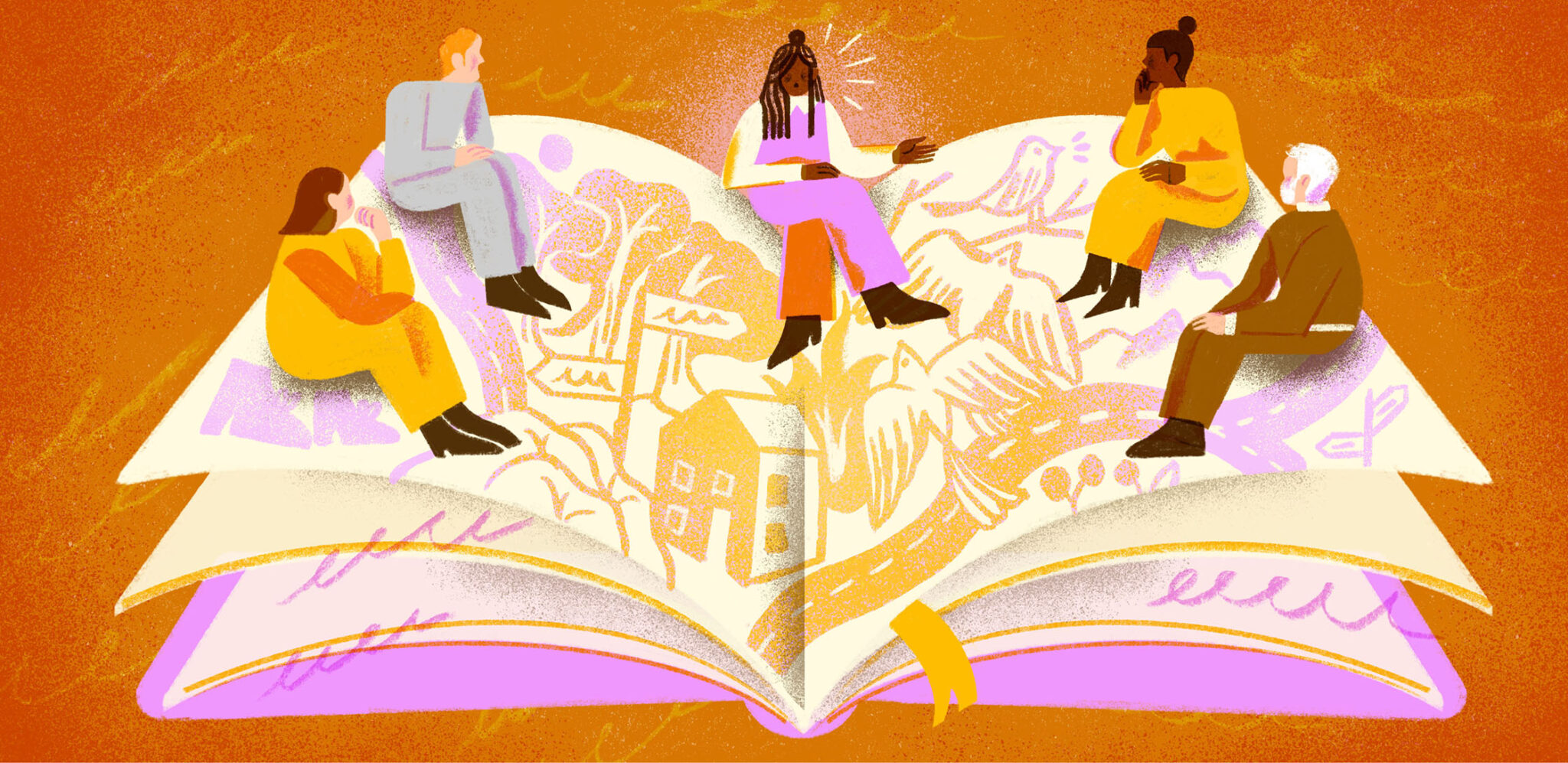
At its core, human creativity in guides is storytelling. Every good guide is a narrative journey:
- Hooks: The opening must grab attention. Humans know how to craft compelling hooks tailored to audience curiosity.
- Flow: Guides must move readers logically and pleasantly from point to point. AI can mimic flow but often lacks nuanced pacing.
- Engagement: Anecdotes, metaphors, and examples keep readers invested. AI struggles to create stories with originality or emotional resonance.
Storytelling is where AI is weakest. While algorithms can recombine existing stories, the spark of originality—the unexpected analogy, the clever twist, the personal anecdote—remains a human forte.
AI as a Creative Tool, Not a Replacement
The evidence suggests that AI is not a replacement for human creativity in guides. Instead, it is a tool that augments human capabilities:
- Speeding Research: AI can process thousands of sources in minutes. Writers can then focus on interpretation and insight.
- Idea Generation: AI can propose ideas, analogies, or structure options, sparking human creativity rather than supplanting it.
- Accessibility Enhancements: AI can help make guides more accessible with automated translations, audio narration, and alternative formats.
Humans remain indispensable for making guides engaging, empathetic, and memorable—qualities that are core to the creative experience.
Looking Ahead: AI’s Evolution and Human Adaptation
AI is evolving rapidly. Future models may improve contextual awareness, emotional simulation, and even creative reasoning. However, even the most advanced AI will likely remain a reflection of human experience, not a source of independent consciousness. Therefore, the relationship between AI and human creativity will continue to be collaborative rather than competitive.
Guide writers will need to adapt:
- Mastering AI Tools: Learning to harness AI efficiently will become part of the creative process.
- Focusing on Unique Human Strengths: Emotional intelligence, intuition, humor, and ethical judgment will define the added value humans bring.
- Experimenting with Hybrid Formats: Interactive, AI-enhanced guides that blend narrative storytelling and adaptive technology will shape the future.
In essence, AI will handle the heavy lifting, while human creativity continues to light the spark that makes guides unforgettable.
Conclusion
Can AI really replace human creativity in guides? The answer is nuanced: AI can replicate structure, standardization, and factual accuracy at scale, and it can even mimic certain aspects of style. But it cannot fully replicate the human touch—the originality, intuition, empathy, and storytelling that make guides memorable and meaningful. Human creativity remains central, while AI serves as a powerful collaborator. In this symbiotic future, guides will be faster, broader, and more interactive than ever—but their soul will still be human.
Human writers who embrace AI as a tool, rather than fear it as a replacement, are likely to lead the next generation of guide-making—merging the precision of algorithms with the art of imagination, resulting in guides that are both efficient and enchantingly creative.