






Chronic insomnia is more than just tossing and turning at night. It’s a persistent, often debilitating condition affecting millions worldwide, cutting into physical health, mental well-being, and overall quality of life. People with chronic insomnia don’t just struggle to fall asleep—they face difficulty staying asleep, waking too early, or experiencing non-restorative sleep. The toll is cumulative: fatigue, cognitive decline, mood disorders, and increased risk of cardiovascular and metabolic problems. But as technology continues to transform healthcare, one question emerges: could sleep tech be the game-changer that finally tames chronic insomnia?
The Rising Epidemic of Sleeplessness
Sleep deprivation is no longer a rare problem; it has become a global epidemic. Modern lifestyles, increased screen time, heightened stress, and irregular routines have all converged to undermine natural sleep patterns. Studies estimate that nearly 30% of adults experience insomnia symptoms, while 10% meet criteria for chronic insomnia disorder. The problem doesn’t just end with tired mornings—chronic insomnia affects emotional regulation, memory consolidation, immune function, and even life expectancy.
Traditional solutions, such as cognitive behavioral therapy for insomnia (CBT-I) and pharmacological interventions, are effective but not perfect. CBT-I requires time, commitment, and access to trained therapists, which isn’t always feasible. Medications may relieve symptoms in the short term but carry risks of dependency, tolerance, and side effects. For many sufferers, these treatments provide incomplete solutions, leaving a gap that tech innovation might fill.
Enter Sleep Technology
Sleep tech, a rapidly evolving sector, combines wearables, AI algorithms, sensors, and biofeedback to monitor, analyze, and optimize sleep. The basic idea is simple: track sleep accurately, understand personal sleep patterns, and apply interventions in a targeted way. Yet behind this simplicity lies a complex ecosystem of devices, platforms, and approaches aimed at making sleepless nights a thing of the past.
The market for sleep technology has exploded in recent years. From smart mattresses and wearable sleep trackers to AI-driven apps and non-invasive brain stimulation devices, companies are racing to claim a spot in the growing “sleep wellness” industry. But beyond buzzwords and glossy marketing, the real question remains: can these technologies genuinely solve chronic insomnia, or are they merely modern gimmicks?
Wearable Sleep Trackers: The First Step
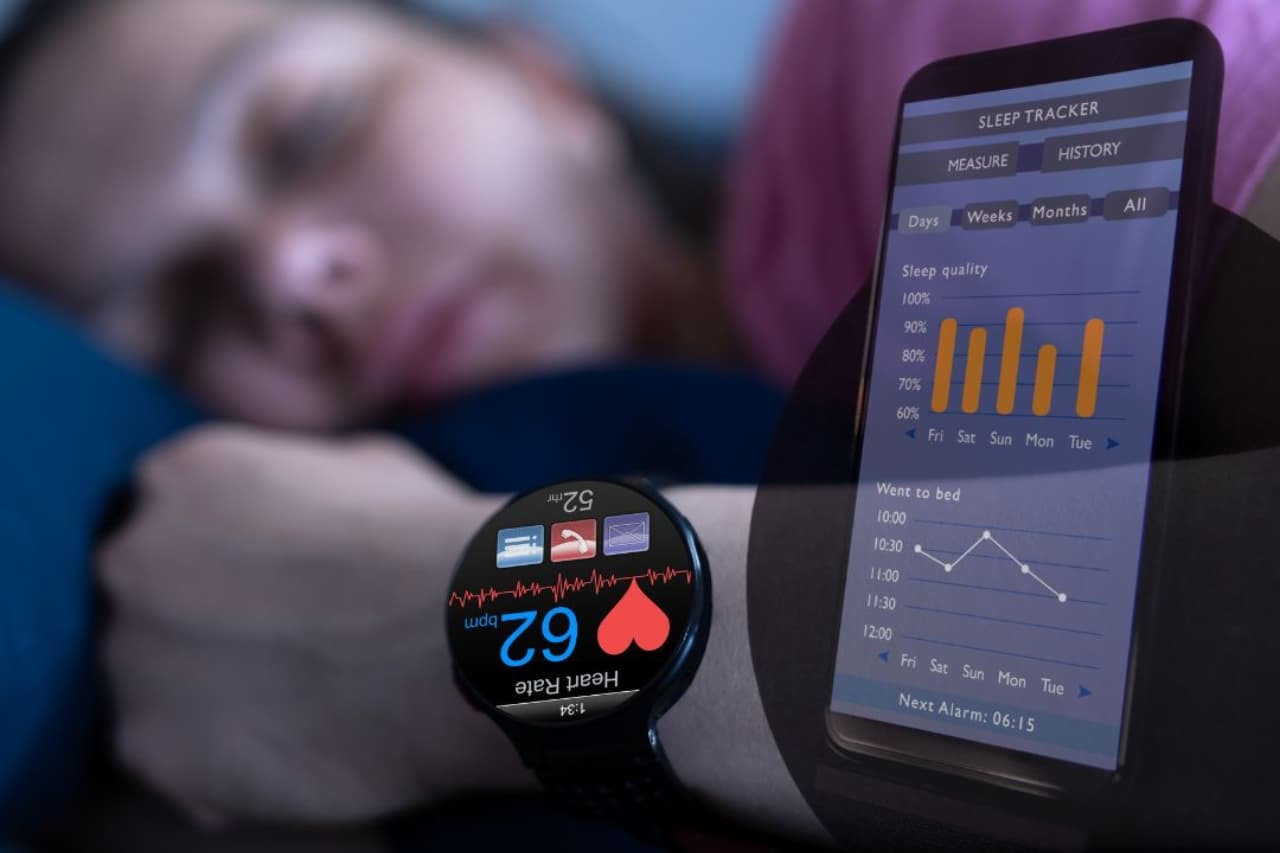
Wearable sleep trackers—wristbands, rings, and even smart clothing—have become the most accessible entry point into sleep tech. These devices use sensors to monitor movement, heart rate, skin temperature, and sometimes blood oxygen levels to infer sleep stages. They provide users with detailed sleep reports, often including metrics like sleep efficiency, time spent in deep sleep, and restlessness.
For chronic insomnia sufferers, wearables offer two main advantages:
- Objective Data: Insomniacs often perceive their sleep as worse than it actually is—a phenomenon known as sleep state misperception. Wearables can help distinguish between subjective insomnia and measurable sleep deficits, which is valuable for designing personalized interventions.
- Behavioral Insights: By tracking sleep patterns over weeks or months, users can identify habits and environmental factors that worsen sleep, such as late-night screen exposure, inconsistent bedtimes, or caffeine intake. Awareness is the first step toward behavioral change.
However, limitations exist. Wearables are not medical-grade devices. Accuracy varies significantly between brands, and sleep stage detection often relies on indirect measures rather than direct brain activity monitoring. Despite these flaws, wearables provide a low-cost, low-risk way for users to engage with their sleep and begin experimenting with solutions.
Smart Beds and Environmental Control
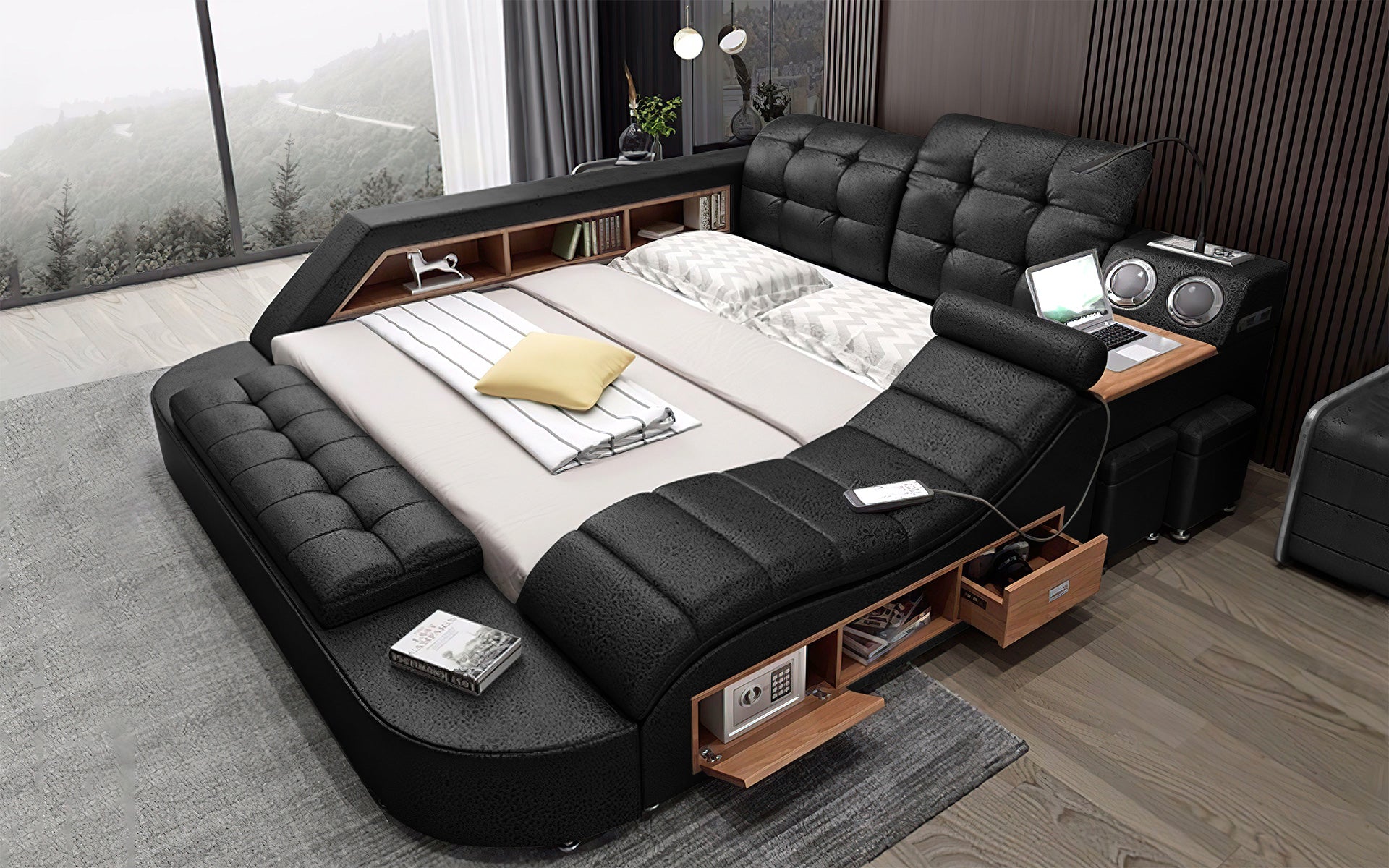
The next frontier of sleep tech lies in the bedroom itself. Smart mattresses, adjustable beds, and connected pillows aim to optimize the physical sleep environment. Temperature, firmness, movement, and even ambient sounds can be tuned to promote restorative sleep.
- Temperature control: Sleep quality is highly sensitive to body temperature. Some smart mattresses use cooling or heating zones to maintain an ideal sleep temperature, preventing nighttime awakenings.
- Sleep position and support: Adjustable beds can gently shift sleepers to positions that reduce snoring, acid reflux, or joint discomfort.
- Integrated sound and light therapy: Smart beds often pair with white-noise machines or dynamic lighting that mimics natural circadian rhythms, helping users fall asleep and wake naturally.
While these technologies sound luxurious, they have scientific merit. Sleep environments that reduce disturbances and optimize comfort have been consistently linked to improved sleep quality, particularly for individuals with insomnia triggered by discomfort or irregular circadian cues.
AI-Powered Sleep Coaching
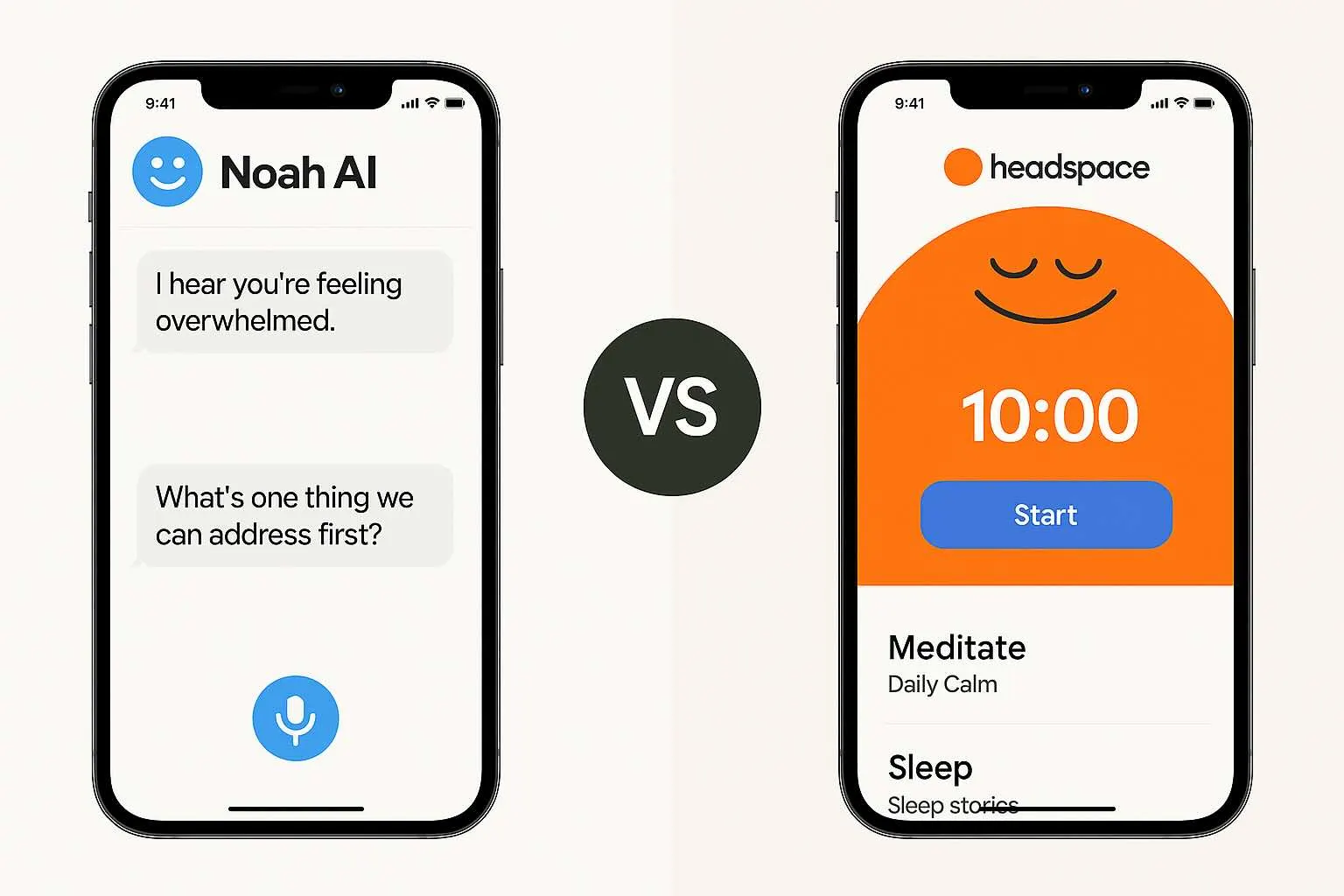
Data alone is not enough; interpretation and action are essential. AI-driven sleep apps go beyond simple tracking by analyzing patterns and offering personalized recommendations. Machine learning algorithms consider dozens of variables—bedtime habits, activity levels, stress indicators, and environmental factors—to suggest interventions that may improve sleep efficiency.
Some advanced apps even employ real-time biofeedback. For example, if an app detects elevated heart rate variability or micro-arousals during sleep, it can suggest calming exercises, breathing techniques, or schedule adjustments to prevent full awakenings. Essentially, the app acts as a digital sleep coach, guiding the user toward behavioral changes that support healthy sleep cycles.
One of the key advantages of AI-driven sleep coaching is scalability. Unlike traditional therapy, which may require multiple in-person sessions, digital coaching can reach millions at once. For chronic insomnia sufferers with limited access to specialists, AI coaching may provide a practical, evidence-based alternative.
Non-Invasive Neuromodulation
A particularly exciting development in sleep tech is non-invasive neuromodulation—technologies that gently influence brain activity to promote sleep. These include transcranial electrical stimulation (tES) devices and auditory or light-based stimulation techniques. The idea is to enhance slow-wave sleep, which is critical for memory consolidation and physical restoration.
- Transcranial direct current stimulation (tDCS) applies low-level electrical currents to specific brain regions associated with sleep regulation.
- Auditory closed-loop stimulation delivers precisely timed sounds during deep sleep to amplify slow-wave activity.
- Light therapy devices help recalibrate circadian rhythms by simulating dawn or dusk at targeted times.
Initial studies suggest these methods can improve sleep quality and reduce insomnia symptoms, particularly in combination with behavioral interventions. They represent a fascinating convergence of neuroscience and technology, turning insomnia treatment from reactive to proactive.
Integrating Sleep Tech into Daily Life
For chronic insomnia, technology is most effective when combined with behavioral strategies. Sleep hygiene practices—consistent schedules, limiting caffeine, minimizing screen exposure, and creating a relaxing pre-sleep routine—remain foundational. Sleep tech does not replace these basics but enhances them by providing insight, motivation, and real-time support.
Integration also means personalizing solutions. Not every device or approach works for every individual. Some may benefit from wearables and data tracking, others from environmental optimization, and yet others from neuromodulation. The future of insomnia treatment likely involves hybrid solutions, combining multiple technologies and personalized behavioral plans.
Potential Challenges and Considerations
Despite the promise, sleep tech faces several hurdles:
- Accuracy and Reliability: Many consumer devices provide approximate data, which may mislead users or create anxiety about “sleep performance.”
- Privacy Concerns: Sleep data is highly personal. Companies must ensure strong protections against misuse or unauthorized sharing.
- Dependency Risk: Relying on technology to sleep could paradoxically worsen insomnia if the user becomes anxious about achieving “perfect” sleep.
- Cost and Accessibility: High-end smart beds or neuromodulation devices may be out of reach for many, limiting widespread adoption.
Addressing these issues is critical if sleep tech is to move from novelty to mainstream healthcare tool.
The Future of Sleep Tech in Insomnia Treatment
Looking ahead, sleep tech could redefine how we approach chronic insomnia. Key trends likely to shape the future include:
- Integration with Telehealth: Sleep tech combined with remote consultations allows therapists to access objective sleep data, improving treatment precision.
- Personalized Algorithms: Machine learning will become better at predicting insomnia triggers and suggesting highly individualized interventions.
- Wearable-Free Monitoring: Advances in contactless sensors and room-based monitoring may eliminate the need for wristbands, improving comfort and compliance.
- Preventive Approaches: Early detection of sleep disruptions could prevent acute insomnia from becoming chronic.
The potential is enormous. Chronic insomnia, once treated primarily with trial-and-error strategies, may soon be managed through a combination of smart technology, AI-driven guidance, and behavioral therapy—tailored precisely to each sleeper’s needs.
Conclusion
Could sleep tech solve chronic insomnia? The answer is cautiously optimistic. While no single device or app is a guaranteed cure, the combination of wearable tracking, smart environments, AI coaching, and neuromodulation offers unprecedented tools for understanding and improving sleep. Chronic insomnia is complex, multifactorial, and highly individual—but technology gives sufferers new hope, turning sleep from a source of frustration into a manageable, optimizable aspect of life.
Ultimately, the real power of sleep tech lies not just in data collection but in empowerment: giving people insight into their patterns, tools to adjust their environment, and strategies to reclaim restorative sleep. As research advances and devices become smarter, more accessible, and more personalized, the dream of a night of uninterrupted sleep may no longer be just a dream—it may finally become reality.