







For most of the twentieth century, the dominant image of family life—at least in many parts of the world—was the nuclear household: parents, children, and a clear boundary between “our home” and everyone else’s. Grandparents lived separately, adult children moved out as soon as they could afford it, and independence was often treated as a rite of passage rather than a flexible choice.
Today, that picture is quietly but steadily changing. Across continents, cultures, and income levels, more families are rediscovering a much older model of living together across generations. Grandparents share kitchens with toddlers. Adult children return home not in failure, but in strategy. Homes are redesigned to include private suites, shared courtyards, or dual kitchens.
Multi-generational living is no longer an exception or a temporary solution. It is becoming a serious, intentional lifestyle choice—and in some places, a necessity. The question is no longer whether multi-generational households exist, but whether they represent the future of family life itself.
This article explores the forces driving this shift, the benefits and tensions it creates, and what it might mean for how we design homes, organize work, and define family in the decades ahead.
A Model Older Than Modernity
Before we call multi-generational living “the future,” it is worth remembering that it is also the past. For most of human history, families lived together across generations not out of nostalgia, but practicality.
Agrarian economies required shared labor. Elders passed down knowledge. Children contributed as they grew. Homes were built around extended kinship, not individual privacy. In many regions of Asia, Africa, Latin America, and the Middle East, this structure never fully disappeared.
What changed in the twentieth century was not family values, but economic and social conditions:
- Industrialization pulled young adults toward cities.
- Rising wages made single-income households viable.
- Urban housing prioritized smaller units.
- Cultural narratives increasingly equated independence with success.
The nuclear family became a symbol of progress. Multi-generational living, by contrast, was often framed as outdated or economically constrained.
Now, many of the conditions that enabled nuclear-family dominance are weakening. And as they do, older family structures are resurfacing—adapted for modern life.
The Economic Engine Behind the Shift
One of the strongest forces driving multi-generational living today is economics. Housing costs, healthcare expenses, and income instability have reshaped what is financially realistic for millions of families.
Housing Affordability and Space Constraints
In many cities, housing prices have risen far faster than wages. Younger adults face:
- High rents
- Large down payment requirements
- Intense competition for limited space
Living with parents or grandparents reduces these pressures dramatically. It allows families to pool resources, share mortgages, and access larger or better-located homes than they could afford individually.
At the same time, older adults may find that maintaining a large home alone is financially inefficient. Sharing space with adult children can reduce utility costs, property taxes, and maintenance burdens.
The Rising Cost of Care
Healthcare and eldercare expenses have become a major financial concern. Professional caregiving services are costly, and institutional care can be emotionally difficult for families.
Multi-generational households offer a middle path:
- Elders receive daily support and companionship.
- Families reduce reliance on expensive external care.
- Care becomes relational rather than transactional.
Similarly, childcare costs have soared in many countries. Grandparents who live under the same roof—or even in the same building—can provide invaluable support, allowing parents greater flexibility in work and scheduling.
Income Volatility and Economic Resilience
The modern economy is less stable than it once was. Freelance work, gig employment, and rapid industry changes mean incomes can fluctuate unpredictably.
Multi-generational living acts as a financial shock absorber. When one member experiences job loss, illness, or transition, the household as a whole can absorb the impact. This shared resilience is increasingly attractive in uncertain times.
Beyond Money: The Emotional Case for Living Together
While economics often initiates the conversation, emotional and social factors sustain multi-generational living over time.
Reducing Loneliness Across All Ages
Loneliness is not limited to any one generation. Older adults may experience social isolation after retirement or the loss of a spouse. Young adults, despite constant digital connection, often report deep feelings of disconnection.
Living together creates daily, low-effort social interaction:

- Shared meals
- Casual conversations
- Intergenerational rituals
These moments may seem small, but they accumulate into a sense of belonging that is difficult to replicate elsewhere.
Intergenerational Learning in Everyday Life
Multi-generational households are natural environments for learning. Knowledge flows in multiple directions:
- Elders pass down traditions, stories, and practical wisdom.
- Younger generations share technological skills and new perspectives.
- Children grow up observing different life stages firsthand.
This daily exposure builds empathy and reduces age-based stereotypes. Aging becomes less abstract. Youth becomes less misunderstood.
A Stronger Sense of Identity
Families who live together across generations often report a stronger collective identity. Shared history is not something remembered occasionally; it is lived daily.
This continuity can be particularly grounding for children, who benefit from stable relationships and a deeper understanding of where they come from.
The Modern Multi-Generational Household Is Not What You Think
One common misconception is that multi-generational living means cramped spaces, constant conflict, and no privacy. In reality, modern versions of this lifestyle are far more nuanced.
Architectural Innovation
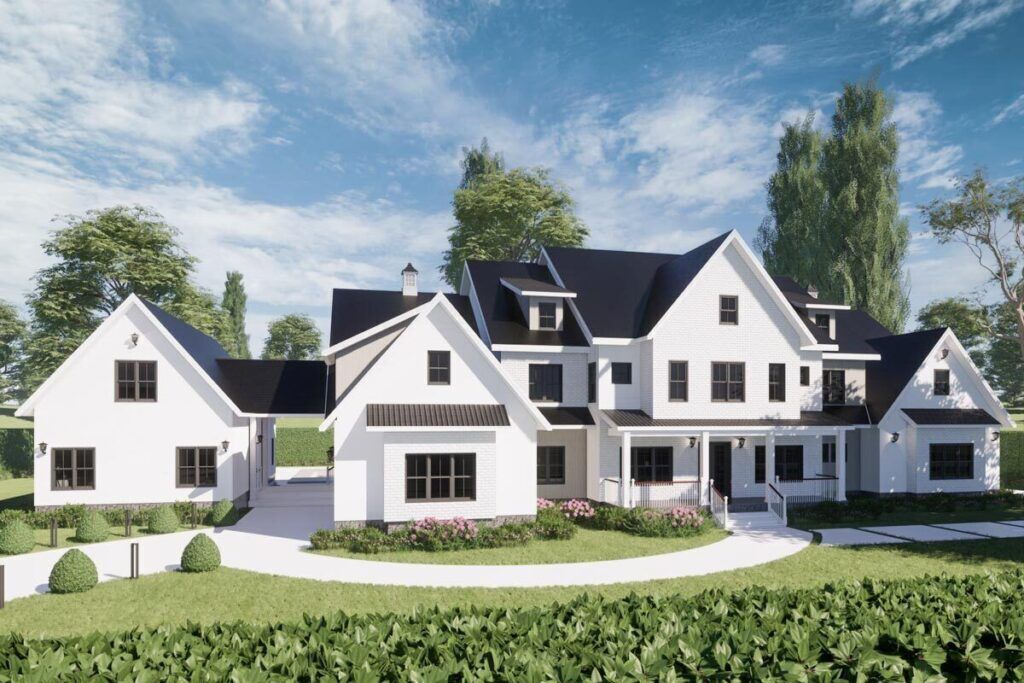
Homes are increasingly designed—or renovated—with multi-generational needs in mind:
- Separate entrances
- Private suites or accessory dwelling units
- Soundproofing and flexible layouts
- Shared common areas balanced with personal space
These designs recognize that togetherness works best when paired with autonomy.
Intentional Boundaries and Roles
Successful multi-generational households tend to establish clear expectations early:
- Who handles which expenses?
- How are chores divided?
- When is privacy respected?
- How are conflicts addressed?
Rather than assuming traditional roles, families negotiate arrangements that reflect modern values and individual preferences.
Choice, Not Obligation
Perhaps most importantly, contemporary multi-generational living is often framed as a choice rather than a duty. This shift changes the emotional tone of the household.
When people feel they want to live together—not that they have to—cooperation becomes easier, and resentment less likely.
Cultural Perspectives: A Global Comparison
Multi-generational living is not experienced the same way everywhere. Cultural norms shape how it is perceived and practiced.
East and South Asia
In many Asian societies, living with parents or grandparents remains common and socially accepted. Filial responsibility is deeply embedded, and homes are often designed with extended family in mind.
However, urbanization and smaller living spaces have introduced new challenges, leading to creative solutions such as vertical housing or nearby-but-separate apartments.
Southern Europe and Latin America
Strong family bonds and social traditions support multi-generational living, especially during economic downturns. Adult children may stay longer at home, and grandparents play active roles in daily family life.
Northern Europe and North America
These regions historically emphasized independence and individualism. Multi-generational living was often associated with financial hardship.
That perception is changing. Rising costs, longer life expectancy, and shifting values are making shared living more acceptable—and even desirable.
The Tensions Are Real—and Manageable
Despite its advantages, multi-generational living is not without challenges. A realistic discussion must acknowledge them.
Privacy and Personal Autonomy
Living with family can blur boundaries. Without intentional design and communication, individuals may feel monitored or constrained.
Solutions include:
- Dedicated private spaces
- Agreed-upon quiet times
- Respect for differing routines and lifestyles
Generational Value Differences
Attitudes toward work, parenting, technology, and social norms can differ sharply between generations.
Open dialogue is essential. Successful households treat differences as topics for discussion rather than sources of authority-based conflict.
Emotional Labor and Care Burdens
Caregiving responsibilities can become uneven, leading to burnout or resentment.
Clear planning, shared responsibilities, and periodic reassessment help prevent these issues from escalating.
Technology as a Silent Enabler
Technology plays an underappreciated role in making multi-generational living more viable.
- Remote work allows adults to live farther from traditional job centers.
- Smart home systems improve safety for older residents.
- Telemedicine reduces the need for frequent travel.
- Digital tools help coordinate schedules and responsibilities.
Rather than isolating generations, technology can support smoother, more flexible cohabitation.
Redefining Success and Independence
One of the most profound implications of multi-generational living is how it challenges traditional definitions of success.
For decades, moving out early and living alone symbolized achievement. Today, that narrative is evolving. Success is increasingly measured by:
- Financial stability rather than physical separation
- Emotional well-being rather than appearances
- Community and connection rather than self-sufficiency at all costs
Choosing to live with family can be an expression of strategic thinking, cultural pride, or personal values—not a lack of ambition.
What This Means for the Future of Family Life
If multi-generational living continues to grow, its impact will extend beyond individual households.
Housing Policy and Urban Design
Cities may need to:
- Encourage flexible zoning
- Support multi-unit family housing
- Rethink density and shared spaces
Workplace Flexibility
Employers may increasingly accommodate caregiving responsibilities that span both children and elders, recognizing the realities of modern family structures.
Social Norms and Media Representation
As more families live across generations, media narratives will likely shift. Stories of shared living may move from “exceptional” to “normal,” reshaping public expectations.
Is It the Future?
Multi-generational living is unlikely to replace all other forms of family life. Many people will continue to value independent households, and diversity in living arrangements will remain important.
But as economic pressures rise, populations age, and values evolve, multi-generational living is poised to become a central—not marginal—option.
It offers something modern life often lacks: continuity in a world of constant change.
Not everyone will choose it. Not everyone should. But for a growing number of families, living across generations is not a step backward. It is a thoughtful response to the realities of the present—and a compelling vision for the future.