






Cold showers are one of those ideas that sound simple, slightly uncomfortable, and almost suspiciously powerful. Turn the handle to cold, step in, endure a minute or two of icy water, and—supposedly—your immune system gets stronger. No pills. No supplements. No complicated routines. Just water, willpower, and a deep breath.
But does this idea actually hold up? Can cold showers truly boost immunity, or is this just another wellness myth dressed up in goosebumps and bravado?
This article takes a deep, thoughtful, and science-informed look at cold showers and immunity. We’ll explore what “immunity” really means, how the body responds to cold exposure, what research suggests, where the hype goes too far, and how cold showers may fit into a realistic, balanced lifestyle. Along the way, we’ll keep things clear, engaging, and grounded—no mystical shortcuts, no exaggerated promises, and no unnecessary jargon.
1. Understanding Immunity: What Are We Actually Talking About?
Before we can decide whether cold showers help immunity, we need to clarify what immunity is—and what it is not.
The Immune System Is Not a Single Switch
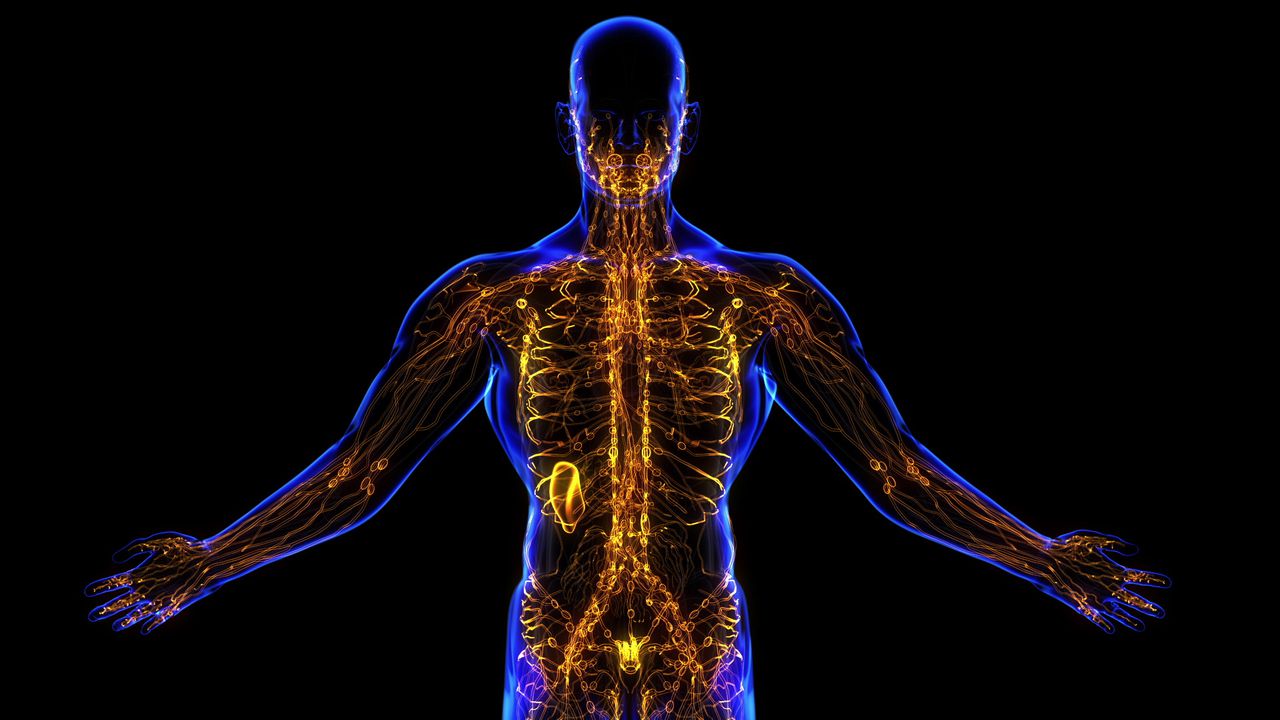
The immune system is not a muscle you can “train” directly, and it’s not a meter that simply goes up or down. It is a vast, interconnected network that includes:
- White blood cells (such as lymphocytes, neutrophils, and macrophages)
- Organs like the spleen, thymus, and bone marrow
- Chemical messengers such as cytokines
- Physical barriers like skin and mucous membranes
Its job is not just to fight infections aggressively, but to respond appropriately. An immune system that overreacts can be just as problematic as one that underreacts.
“Boosting” vs. “Regulating”
When people say “boost immunity,” they usually mean one of three things:
- Fewer infections
- Milder symptoms when sick
- Faster recovery
In scientific terms, this is closer to immune regulation and resilience rather than a simple boost. The immune system works best when it is balanced, adaptable, and efficient—not permanently turned up to maximum power.
This distinction matters, because cold showers are often claimed to “boost” immunity, but what they may actually do is influence how the immune system responds to stress.
2. Cold Exposure: A Brief Evolutionary Perspective
Humans did not evolve with thermostats, water heaters, and perfectly controlled indoor climates. For most of history, exposure to cold was unavoidable.
Cold as a Natural Stressor
Cold exposure was once part of daily life:
- Cold rivers and lakes
- Winter air and unheated shelters
- Sudden weather changes
The human body evolved systems to handle these stressors efficiently. When exposed to cold, the body activates survival mechanisms designed to preserve heat, maintain circulation, and protect vital organs.
Cold showers, in a modern sense, artificially reintroduce a mild version of this environmental challenge.
Stress Is Not Always Bad
In biology, stress does not automatically mean harm. There is an important concept called hormesis—the idea that small, controlled doses of stress can make biological systems stronger and more adaptable.
Examples include:
- Exercise stressing muscles to make them stronger
- Fasting stressing metabolism to improve efficiency
- Learning challenging skills stressing the brain to build new connections
Cold exposure may work through a similar principle—if applied moderately and intelligently.
3. What Happens in Your Body During a Cold Shower?
The moment cold water hits your skin, your body reacts instantly. This response is fast, automatic, and deeply wired into your nervous system.
The Immediate Response
Within seconds, several things happen:
- Blood vessels in the skin constrict (vasoconstriction)
- Breathing becomes faster and deeper
- Heart rate increases
- Stress hormones like adrenaline rise
This is known as the cold shock response.
From an evolutionary perspective, this response helped humans survive sudden immersion in cold water. From a modern wellness perspective, it’s the gateway to the potential benefits—and risks—of cold showers.
The Nervous System Takes the Lead
Cold exposure strongly activates the sympathetic nervous system, which governs alertness and readiness. However, repeated, controlled cold exposure may also improve the balance between the sympathetic system and the parasympathetic nervous system, which is responsible for rest, digestion, and recovery.
This balance matters because immune function is closely linked to nervous system regulation.
4. The Immune System and Cold Exposure: Theoretical Connections
So how could cold showers possibly influence immunity? There are several plausible biological pathways.
1. White Blood Cell Activity
Short-term cold exposure has been associated with temporary increases in certain white blood cells, particularly:
- Natural killer (NK) cells
- Neutrophils
These cells are part of the innate immune system—the body’s first line of defense.
The key word here is temporary. Cold exposure does not permanently elevate white blood cell counts, but it may stimulate short bursts of immune activity.
2. Inflammation Modulation

Chronic inflammation weakens immune efficiency. Some evidence suggests that regular cold exposure may help reduce baseline inflammation by:
- Improving blood circulation
- Influencing cytokine signaling
- Enhancing recovery after physical stress
Lower inflammation does not mean weaker immunity; it often means a more precise immune response.
3. Stress Hormones and Immune Signaling
Cold showers trigger the release of adrenaline and noradrenaline. In controlled amounts, these hormones can:
- Mobilize immune cells into circulation
- Improve communication between immune tissues
- Increase alertness and metabolic readiness
However, excessive or chronic stress has the opposite effect. This is why duration and frequency matter so much.
5. What Research Suggests (Without the Hype)
Scientific interest in cold exposure is real, but it is often misunderstood or exaggerated in popular media.
Observational Findings
Some studies observing people who regularly engage in cold exposure (such as cold showers or cold swimming) have reported:
- Slightly fewer self-reported sick days
- Improved subjective well-being
- Greater tolerance to stress
However, these studies often involve people who are already health-conscious, active, and disciplined. Lifestyle factors like exercise, sleep, and nutrition may play a major role.
Controlled Experiments
In controlled environments, cold exposure has been shown to:
- Activate immune-related signaling pathways
- Temporarily increase immune cell circulation
- Improve metabolic efficiency
What it has not shown conclusively is that cold showers alone can prevent infections or replace established health practices.
Cold exposure appears to be a supporting factor, not a magic solution.
6. The Mental Side of Immunity: Discipline, Mood, and Stress
One of the most underestimated aspects of cold showers is their psychological effect—and psychology matters deeply for immunity.
Cold Showers and Stress Resilience
Stepping into cold water is uncomfortable. Choosing to do it anyway trains the brain to remain calm under stress.
This mental training may lead to:
- Improved emotional regulation
- Reduced chronic stress
- Greater confidence in handling discomfort
Chronic stress is a known immune suppressor. Anything that reduces long-term stress load may indirectly support immune health.
Mood and Neurochemistry
Cold exposure has been linked to changes in brain chemistry, including:
- Increased dopamine release
- Improved alertness and focus
- A sense of accomplishment after completion
Better mood and motivation often lead to healthier behaviors overall—better sleep, more movement, and better nutrition—all of which strongly influence immunity.
7. Cold Showers vs. Getting Sick from Cold: Clearing a Common Myth
A persistent myth claims that cold exposure causes illness. This misunderstanding deserves clarification.
Cold Does Not Cause Infections
Infections are caused by pathogens—viruses, bacteria, or other microorganisms—not by temperature alone.
However, cold exposure can influence infection risk indirectly:
- Extreme cold stress may temporarily suppress immune defenses
- Poor recovery or inadequate nutrition can worsen the effect
- Long, uncontrolled exposure is very different from a brief cold shower
In other words, cold showers are not the same as standing wet in freezing weather for hours.
8. How Cold Showers Might Help—Realistically
Let’s put the pieces together and look at what cold showers can reasonably offer.
Potential Benefits
Cold showers may:
- Improve stress adaptation
- Enhance short-term immune activation
- Support inflammation regulation
- Increase mental resilience
- Encourage healthier lifestyle habits
These effects are subtle, cumulative, and highly individual.
What They Will Not Do
Cold showers will not:
- Make you immune to illness
- Replace vaccines, sleep, or nutrition
- Compensate for chronic stress or poor health habits
- Work if done excessively or without recovery
Understanding these limits is essential to using cold showers wisely.
9. Who Might Benefit the Most?
Cold showers are not equally useful for everyone.
People Who May Benefit
- Individuals with sedentary lifestyles seeking gentle stress adaptation
- Those working on mental resilience and discipline
- Athletes using cold exposure for recovery
- People looking for non-pharmaceutical wellness habits
People Who Should Be Cautious
- Those with cardiovascular conditions
- Individuals with circulation disorders
- People with very low body fat or heat intolerance
- Anyone who experiences dizziness or panic during cold exposure
Cold showers should feel challenging but controlled—not overwhelming or dangerous.
10. How to Practice Cold Showers Safely and Effectively
The way you do cold showers matters more than the idea itself.
Start Gradually
Instead of jumping into icy water:
- Begin with warm water
- Finish with 15–30 seconds of cool water
- Slowly increase duration over weeks
Focus on Breathing
Calm, controlled breathing reduces the shock response and helps regulate the nervous system.
Keep It Short
More is not better. For most people:
- 30 seconds to 2 minutes is sufficient
- Daily or near-daily exposure works better than rare extremes
Listen to Your Body
Shivering, numbness, or lingering discomfort are signs to stop or shorten exposure.
11. Cold Showers in Context: The Bigger Picture of Immune Health
No single habit determines immune strength. Cold showers should be viewed as a small piece of a much larger system.
The Real Foundations of Immunity
The most powerful immune-supporting factors remain:
- Quality sleep
- Balanced nutrition
- Regular physical activity
- Stress management
- Social connection
- Time outdoors
Cold showers may enhance these foundations—but they cannot replace them.
12. The Placebo Effect: Not a Dirty Word
Even if part of the benefit comes from belief, routine, or expectation, that does not make it meaningless.
The placebo effect reflects the brain’s influence on the body. If cold showers make someone feel stronger, more disciplined, and more energized—and that leads to better habits—immune health may improve as a result.
In biology, outcomes matter more than labels.
13. Cold Showers Across Cultures and History
Cold water practices are not new.
- Nordic cold plunges
- Japanese misogi rituals
- Eastern European winter swimming
- Traditional contrast bathing
These traditions emphasize discipline, clarity, and renewal—not immunity alone. Their longevity suggests that cold exposure offers something valuable, even if modern science is still catching up.
14. So, Can Cold Showers Actually Boost Your Immunity?
The most accurate answer is nuanced.
Cold showers do not directly boost immunity in a simple, measurable, guaranteed way. However, they may:
- Improve immune responsiveness
- Reduce chronic inflammation
- Enhance stress tolerance
- Encourage healthier behaviors
- Support overall resilience
In that sense, cold showers can support immune health—when used appropriately, consistently, and as part of a balanced lifestyle.
They are not a cure, not a shield, and not a shortcut. But they can be a tool—a cold, bracing reminder that the body is adaptable, responsive, and stronger than it often feels.
Sometimes, the benefit is not just in the biology, but in the act of stepping into discomfort and coming out steady, alert, and alive.