





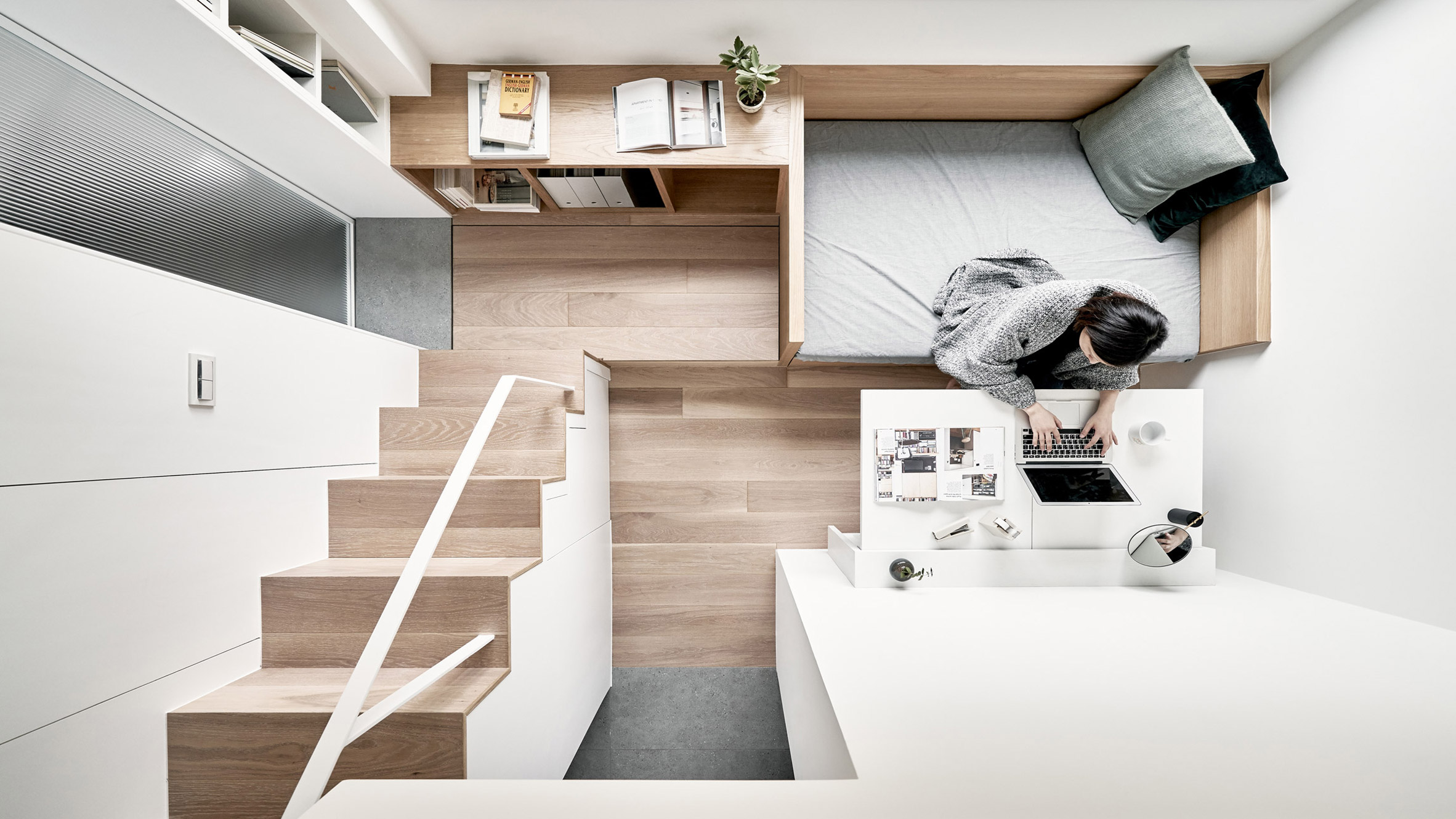

Urban life is often portrayed as a whirlwind of opportunities, lights, and constant movement. Yet beneath this glittering surface lies a struggle familiar to many city dwellers: the challenge of space, time, and peace. The rise of micro-living—compact, efficient, and highly functional small apartments—has become a fascinating trend in modern cities worldwide. But can tiny living spaces really be the key to urban happiness? To answer this, we must look beyond square footage, exploring psychology, design, community, and the very fabric of urban life.
The Rise of Micro-Living
Micro-living is more than just a trend; it is a response to a perfect storm of urban pressures. Skyrocketing property prices, increasing population density, and the desire for sustainability have converged to make small apartments not just viable but sometimes preferable. Cities like Tokyo, Hong Kong, New York, and London have led the charge, developing apartments often smaller than 250 square feet that maximize every inch of space.
What makes micro-living particularly intriguing is the philosophy behind it: less clutter, more intentionality. By stripping life down to essentials, micro-living encourages a focus on experiences rather than possessions. In urban environments where every minute counts, these tiny spaces can transform how people interact with their homes and communities.
Psychological Impact of Tiny Spaces
It may seem counterintuitive to equate happiness with a smaller space. After all, aren’t humans wired to crave room to roam? Research in environmental psychology suggests that the relationship between space and well-being is nuanced. While cramped, poorly designed spaces can indeed increase stress, thoughtfully designed micro-apartments can foster satisfaction and even creativity.
One reason is the principle of “effortless efficiency.” In a small apartment, everything has a purpose and a place. This reduces decision fatigue, the mental exhaustion that comes from managing too many options. When your wardrobe, kitchen, and workspace are intentionally organized, your brain can focus on what truly matters: hobbies, social connections, and personal growth.
Design: Tiny Spaces, Big Innovation
The success of micro-living depends heavily on smart design. Minimalism, multi-functional furniture, vertical storage, and modular layouts are no longer optional—they are essential. Consider the Japanese concept of “Ma,” which emphasizes negative space as a core element of design. In micro-apartments, empty space is not wasted; it is a tool for movement, breathing, and mental clarity.
Technology also plays a role. Foldable beds, retractable desks, and movable partitions allow a single room to transform from a living room to an office to a bedroom within moments. Even kitchens and bathrooms have evolved with space-saving fixtures and integrated appliances, making small spaces surprisingly livable.
Community and Social Life

Happiness in urban living is not just about walls and furniture—it is also about people. Micro-living often encourages social interaction through shared amenities. Co-living buildings with communal kitchens, lounges, and rooftop gardens are rising in popularity. These spaces create opportunities for residents to engage, collaborate, and form friendships, reducing the isolation often associated with city life.
Interestingly, living in a smaller private space can increase social life, because people seek interaction outside their apartments. When home is cozy but compact, residents are more likely to explore cafes, parks, coworking spaces, and cultural events. The city itself becomes an extension of their living area, blurring the line between personal and public space.
Environmental and Financial Benefits
Micro-living aligns closely with sustainability goals. Smaller apartments consume less energy, require fewer resources, and encourage minimal consumption. Urban micro-apartments also allow cities to accommodate more residents without sprawling into green areas, promoting efficient land use.
From a financial perspective, smaller spaces reduce rent, utility bills, and maintenance costs. This financial freedom can significantly enhance life satisfaction, especially in high-cost cities where traditional apartments may consume half of a person’s income. For many, micro-living is not just a lifestyle choice—it’s a strategy for financial and emotional freedom.
Challenges of Micro-Living
Despite its benefits, micro-living is not a panacea. Space constraints can limit personal expression and privacy. Sharing communal spaces requires negotiation and cooperation, which may not suit everyone. Moreover, the novelty of a tiny apartment may wear off if it becomes too restrictive, potentially leading to frustration or even social withdrawal.
Psychologically, some individuals need more personal space for relaxation, hobbies, or family life. Micro-living is not one-size-fits-all; it thrives best when tailored to the resident’s personality, lifestyle, and values.
Global Perspectives on Micro-Living
Cultural attitudes significantly influence the success of micro-living. In Japan, where efficiency and minimalism are culturally ingrained, micro-apartments are embraced as practical and desirable. In Scandinavian countries, design aesthetics prioritize light, functionality, and comfort, making small spaces visually and psychologically pleasant.
In Western cities like New York and London, micro-living is sometimes seen as a compromise or even a status symbol for young professionals who prioritize location over space. This highlights that happiness in micro-living is not just about the physical apartment but about context, community, and lifestyle alignment.
Technology and the Future of Tiny Living
The future of urban micro-living is intertwined with technology. Smart home systems, AI-assisted furniture, and integrated appliances can turn even the smallest space into a high-functioning environment. Imagine a studio apartment where lighting, temperature, and furniture configuration adapt automatically to your activities. This level of customization can make micro-living not only functional but enjoyable.
Moreover, virtual reality and augmented reality may allow residents to “expand” their space digitally, creating immersive experiences that make tiny living psychologically more spacious and stimulating.
Case Studies: Micro-Living Success Stories
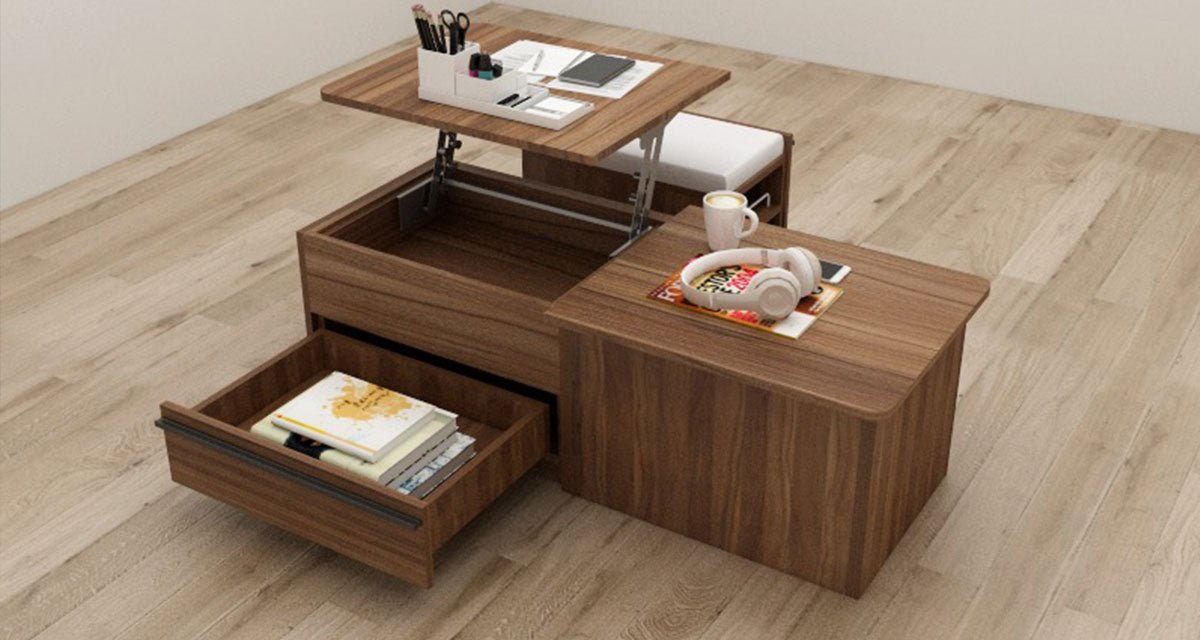
- Tokyo Micro-Apartments: Units as small as 150 square feet feature modular kitchens, lofted beds, and multifunctional storage. Residents report satisfaction with minimalism and mobility.
- New York Co-Living: Buildings offer 250–350 square-foot private units combined with large communal lounges. Young professionals enjoy affordability and networking opportunities.
- Copenhagen Tiny Homes: Scandinavian design principles emphasize light, natural materials, and multi-functional furniture, creating airy and inviting small spaces.
These examples illustrate that successful micro-living relies on thoughtful design, community support, and integration with urban culture.
Rethinking Happiness in Urban Spaces
Happiness in cities is increasingly linked not to the size of your apartment but to your sense of agency, connection, and efficiency. Micro-living can amplify these factors by simplifying domestic life, encouraging community, and fostering environmental consciousness. In a world where urban residents are constantly juggling work, social life, and personal growth, less can indeed be more.
The real “key” to happiness may lie in intentionality: choosing how we live, interact, and design our spaces. Micro-living is not a universal solution, but it offers a blueprint for a life that prioritizes purpose over possessions.
Beyond the Apartment: Lifestyle Implications
Micro-living also transforms broader lifestyle choices. When space is limited, residents tend to consume less, travel lighter, and adopt more sustainable habits. Minimalism becomes a lifestyle, not just a design choice. People often report higher satisfaction when they shift focus from accumulating material goods to experiences, hobbies, and social connections.
Urban planners are beginning to recognize this. Mixed-use neighborhoods, green spaces, and micro-apartment clusters are being designed to support compact, efficient, and fulfilling urban lifestyles. Happiness, in this context, becomes a holistic concept that encompasses housing, environment, and community.
Potential Pitfalls and Ethical Considerations
While micro-living has many advantages, it is essential to consider ethical and social implications. Not all micro-apartments are created equal. Poorly designed tiny units can exacerbate mental health issues, limit accessibility, and create overcrowded living conditions. Regulatory oversight and design standards are crucial to ensure that micro-living remains humane, inclusive, and safe.
Equity is another concern. If micro-apartments become the default housing option due to cost pressures, they may disproportionately affect low-income residents or limit options for families. Happiness in micro-living depends on choice, not compulsion.
Conclusion: Tiny Spaces, Big Potential
Micro-living is more than a housing trend; it represents a shift in how cities and their residents think about space, efficiency, and happiness. While not suitable for everyone, it offers a compelling model for those seeking a simpler, more intentional urban lifestyle. By integrating smart design, technology, community, and sustainability, micro-living can transform the urban experience from cramped and stressful to compact and joyful.
Ultimately, the key to happiness may not be a bigger apartment, a fancier kitchen, or a luxurious view. It may lie in embracing less, designing intentionally, and connecting meaningfully with both the people and the city around you. In this sense, micro-living could very well be the blueprint for urban happiness in the 21st century.