





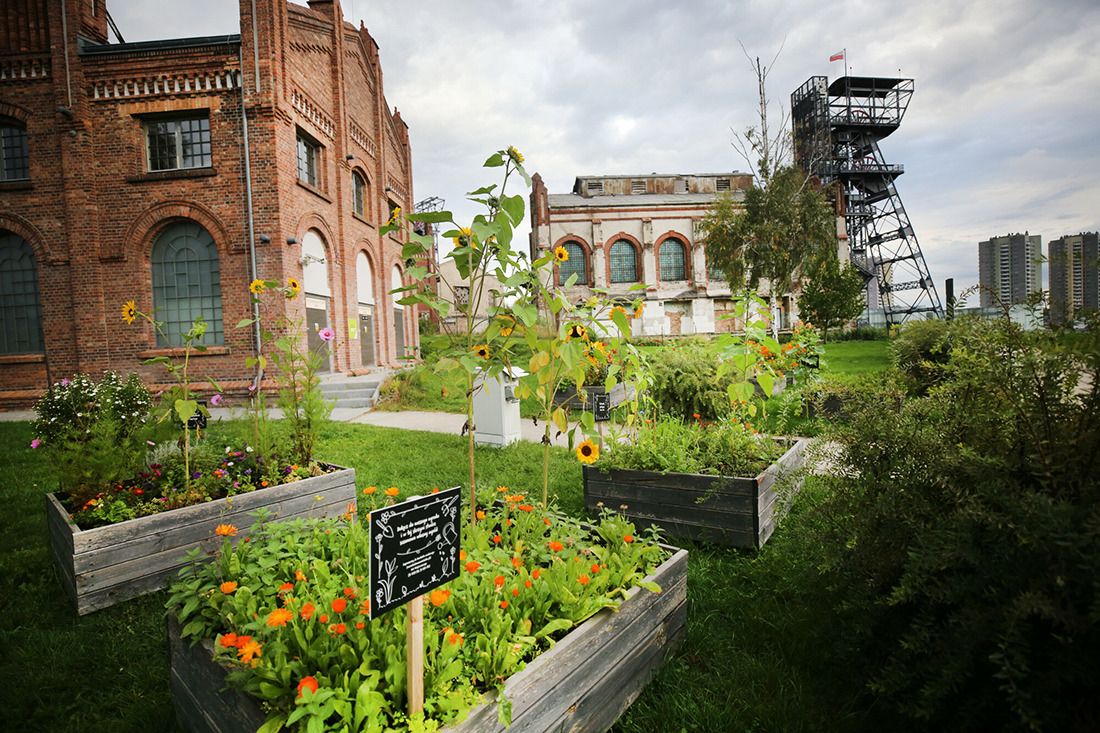

Urban farming—a concept once seen as a niche hobby for eco-enthusiasts—is gradually capturing the imagination of city dwellers worldwide. From rooftop gardens in New York to vertical farms in Singapore, growing food in urban spaces is no longer just a romantic idea; it’s an innovative response to some of the most pressing challenges of the 21st century: climate change, food security, and the search for sustainable lifestyles. But could urban farming truly become mainstream? To answer this, we need to explore its history, technologies, social impact, economic potential, and the hurdles it faces.
The Rise of Urban Farming
Urban farming is far from a new idea. In fact, people have been cultivating food within cities for centuries. Victory gardens during World Wars I and II, for example, provided millions with fresh produce during food shortages. Yet, for much of the 20th century, industrial agriculture dominated the food system, and city-grown food seemed quaint, even impractical.
Fast forward to today, urban farming is re-emerging, but with a high-tech twist. Modern urban farms range from simple community gardens to sophisticated vertical farms using hydroponics and aeroponics. The convergence of technology, environmental awareness, and urban population growth has made city farming more feasible—and attractive—than ever before.
Types of Urban Farming
Urban farming comes in many forms, each with its unique advantages and challenges:
1. Community Gardens
Community gardens are shared plots where neighbors grow fruits, vegetables, and herbs together. Beyond food production, they foster social cohesion, provide educational opportunities, and green otherwise unused urban spaces.
2. Rooftop Farms
Rooftops, often considered wasted space, can host gardens or even full-scale farms. Rooftop farms reduce heat in cities, manage stormwater, and can serve restaurants and markets nearby, minimizing transportation emissions.
3. Vertical Farming
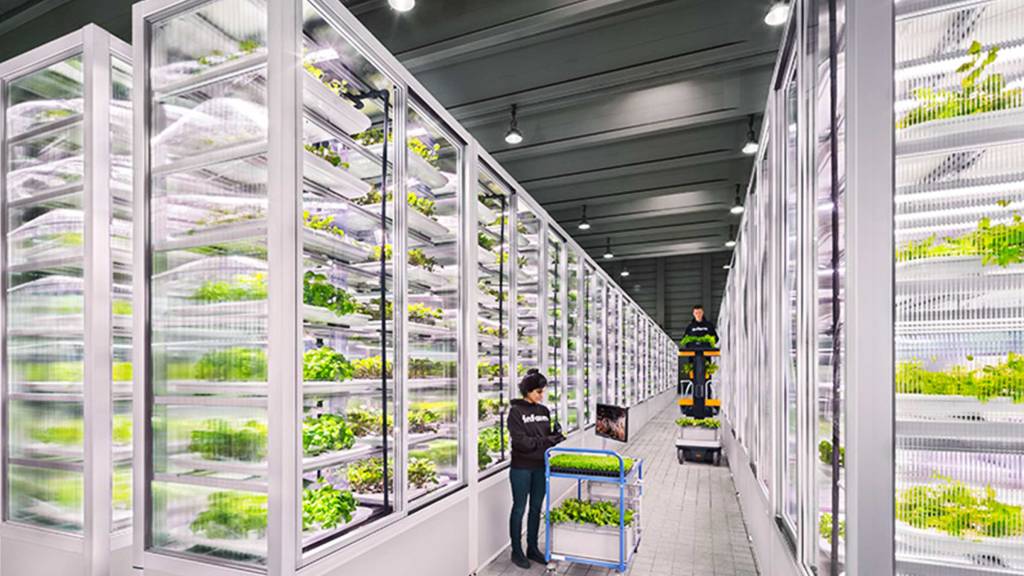
Vertical farms stack layers of crops in controlled indoor environments. Using hydroponics or aeroponics, they optimize light, nutrients, and water. Vertical farms can produce crops year-round, independent of weather or soil quality, making them especially attractive in densely populated cities.
4. Hydroponic and Aquaponic Systems
Hydroponics grows plants in nutrient-rich water, while aquaponics combines fish farming with plant cultivation, creating a self-sustaining ecosystem. These methods maximize efficiency, reduce water use, and allow farming in spaces where soil is unavailable.
5. Microgreens and Urban Kitchens
Some urban farms focus on fast-growing, high-value crops like microgreens, herbs, or mushrooms. These require minimal space but provide high nutritional and economic returns, often serving local restaurants directly.
Why Urban Farming Matters
The appeal of urban farming is more than aesthetic. It addresses several global and urban-specific challenges:
1. Food Security
Urban populations are growing rapidly. By 2050, over 68% of the world’s population will live in cities. Urban farms can reduce dependence on long supply chains, making fresh food more accessible during disruptions such as pandemics or climate crises.
2. Environmental Impact
Traditional agriculture is a major contributor to greenhouse gas emissions and deforestation. Urban farms reduce transportation distances, limit food waste, and often utilize sustainable practices like composting and rainwater harvesting.
3. Health and Nutrition
Growing fresh food locally improves access to nutritious produce. Studies show that community gardening increases fruit and vegetable intake and encourages healthier lifestyles, both physically and mentally.

4. Economic Opportunities
Urban farming can create jobs, particularly in food production, distribution, and agritech. It also stimulates small businesses such as local markets, farm-to-table restaurants, and urban agri-tourism.
5. Urban Resilience
By transforming unused spaces into productive areas, urban farming enhances city resilience against extreme weather, heat islands, and food supply disruptions. It also contributes to biodiversity in otherwise concrete-heavy landscapes.
Technological Innovations Driving Urban Farming
Modern urban farming is not just about dirt and plants; it’s a technological revolution. Key innovations include:
1. LED Grow Lights
Advanced LED systems mimic sunlight efficiently, allowing plants to grow indoors without natural sunlight. Different light spectra can optimize growth, flavor, and nutrient density.
2. Automated Climate Control
Smart sensors and AI systems monitor temperature, humidity, and nutrient levels in real-time. Automation ensures optimal growth conditions and reduces labor requirements.
3. Vertical Farming Racks
Innovative racks allow multi-layered cultivation, multiplying yields per square meter. This spatial efficiency is crucial for dense urban areas.
4. Data Analytics and IoT
IoT devices collect detailed data on crop health, growth rates, and resource usage. Analytics optimize operations, reducing waste and maximizing profitability.
5. Sustainable Inputs
Urban farms increasingly use organic substrates, recycled water, and renewable energy, reducing environmental footprints while improving public perception.
Economic Viability: Can Urban Farming Scale?
One of the biggest questions about mainstream adoption is cost. Urban farming can be expensive due to technology, real estate, and energy costs. However, several factors improve its economic potential:
- High-value crops: Herbs, microgreens, and specialty vegetables fetch premium prices.
- Local markets: Direct-to-consumer sales reduce transportation costs and improve margins.
- Government incentives: Many cities provide grants or tax incentives for urban agriculture projects.
- Energy innovation: Solar panels, LED efficiency, and sustainable heating reduce operational costs.
Scaling urban farming also requires smart integration into urban planning—using rooftops, abandoned buildings, or vertical spaces to maximize production without competing with residential or commercial land use.
Social and Cultural Dimensions
Urban farming is not just a technical or economic pursuit—it reshapes communities:
- Education: Schools and universities integrate farming into science, nutrition, and sustainability curricula.
- Community Building: Shared gardens foster cross-cultural interaction, improve mental health, and build civic pride.
- Culinary Innovation: Chefs increasingly rely on urban-grown produce for fresh, local, and unique flavors.
Cultural acceptance is crucial. In some cities, fresh, locally grown food is considered a luxury; mainstream adoption depends on accessibility, affordability, and awareness.
Environmental and Urban Planning Impacts
Urban farming contributes to urban sustainability in multiple ways:
- Reduction of Urban Heat Islands: Plants cool cities, lowering energy use for air conditioning.
- Stormwater Management: Green roofs and gardens absorb rainwater, reducing flooding.
- Biodiversity: Pollinators and beneficial insects thrive in urban gardens.
- Waste Reduction: Composting organic waste turns city refuse into nutrient-rich soil.
Urban planners increasingly recognize that integrating farming into cityscapes improves livability, resilience, and environmental performance.
Challenges to Mainstream Adoption
Despite its promise, urban farming faces hurdles:
1. Space and Land Cost
Urban land is expensive, and zoning laws often limit agricultural activities in cities. Innovative solutions like rooftop or vertical farms partially address this.
2. High Initial Investment
Equipment, technology, and setup can be costly. Access to capital and government support is critical for widespread adoption.
3. Energy Use
Indoor farms can consume significant energy for lighting and climate control. Without renewable energy integration, their environmental advantage may be reduced.
4. Supply Chain Integration
Urban farms need reliable distribution networks to supply local markets efficiently. Partnerships with restaurants, grocery stores, and delivery services are essential.
5. Cultural Barriers
Not all consumers are familiar with urban-grown produce, particularly hydroponic or vertical farm crops. Education and marketing are key to acceptance.
Case Studies of Success
Several cities have demonstrated that urban farming can thrive:
- Singapore: With limited land, Singapore has embraced vertical farming and indoor aquaponics, supplying restaurants and supermarkets efficiently.
- Detroit, USA: Community-driven urban farms have transformed abandoned lots into productive spaces, revitalizing neighborhoods and providing food security.
- Tokyo, Japan: Rooftop and high-rise farms produce leafy greens and herbs, supported by sophisticated logistics and high consumer demand.
- Amsterdam, Netherlands: Integrates urban farming into sustainability planning, with rooftop greenhouses, community gardens, and educational programs.
These examples prove that with the right mix of policy, technology, and community engagement, urban farming can scale.
Future Prospects
The trajectory of urban farming points to several exciting trends:
- Integration with Smart Cities: Urban farms could be linked with energy grids, waste management, and transportation for maximum efficiency.
- Genetic and Crop Innovation: Plants optimized for hydroponics, faster growth, or higher nutrition could improve yields and appeal.
- Hybrid Spaces: Combining agriculture with entertainment, education, or co-working spaces can diversify income streams.
- Global Networking: Urban farms could form networks for knowledge sharing, seed exchange, and joint distribution, creating a global urban agriculture ecosystem.
If these trends continue, urban farming could move from niche curiosity to a recognized pillar of urban life.
Conclusion
Could urban farming become mainstream? The answer is increasingly “yes,” but not without challenges. It requires thoughtful integration of technology, economics, urban planning, and cultural acceptance. As cities face population growth, climate change, and food security concerns, urban farming offers a practical, sustainable, and exciting solution. Its success depends on collaboration between governments, businesses, communities, and innovators.
The cities of the future may not just consume food—they will grow it, right in their hearts, transforming concrete jungles into living, green ecosystems. Urban farming is more than a trend; it is a movement reshaping how we think about food, community, and urban life. And as more rooftops bloom and vertical farms rise, the day when urban farming becomes mainstream is not far off.