





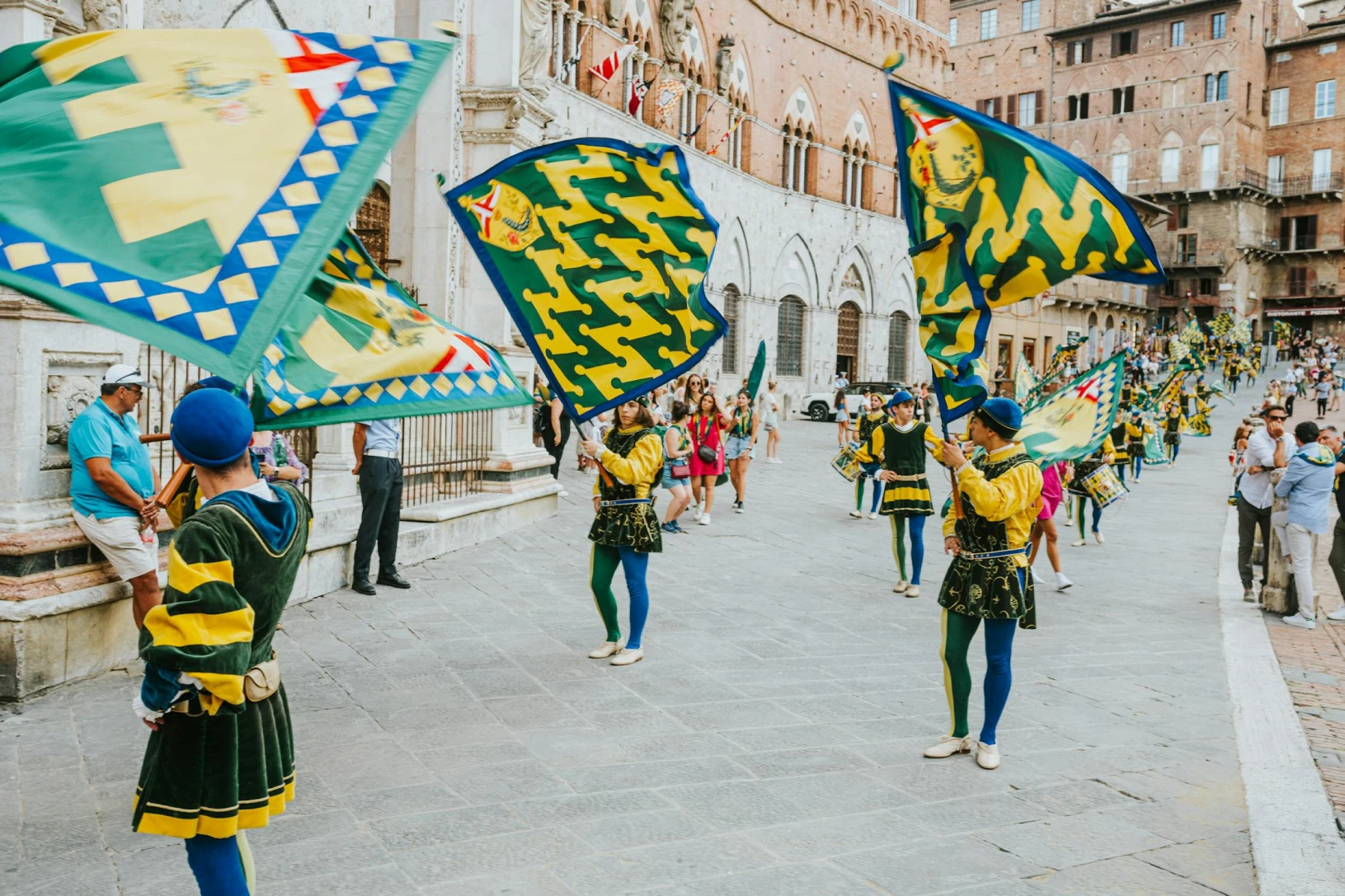

In a world where travel has become both a symbol of status and a means of personal growth, the question arises: are experiential vacations more valuable than luxury ones? The answer is not as simple as price tags or Instagram aesthetics. Travel is no longer just about ticking boxes; it is about connecting, learning, and transforming oneself. To truly understand the value of experiential versus luxury vacations, we must delve into the psychology of travel, economic trends, environmental considerations, and the shifting expectations of modern travelers.
The Rise of Experiential Travel
Experiential travel has grown in popularity over the past decade. Unlike traditional vacations that prioritize comfort, high-end amenities, and exclusivity, experiential travel focuses on immersion. Travelers seek authentic encounters with local culture, hands-on activities, and meaningful experiences that leave lasting memories. This trend is fueled by social media, the desire for personal growth, and the increasing global awareness of sustainable tourism.
Activities often associated with experiential travel include cooking classes with local chefs, volunteering in community projects, guided wildlife treks, and cultural workshops. Each activity is designed not just to entertain but to educate, connect, and engage the traveler. The psychological payoff is significant: studies in positive psychology suggest that experiences contribute more to long-term happiness than material possessions. Unlike luxury hotels, which may fade in memory, experiences linger, shaping identity and worldview.
The Allure of Luxury
Luxury vacations, on the other hand, are synonymous with comfort, exclusivity, and status. They often include private villas, five-star dining, concierge services, and tailored itineraries that eliminate stress and maximize indulgence. Luxury travelers seek security, aesthetics, and the prestige that comes with being able to access what most cannot.
The appeal of luxury vacations lies not just in physical comfort but in emotional reassurance. A luxury resort promises predictability, high-quality service, and pampering that can be transformative in a different way than experiential travel. For some, the ability to disconnect from daily stressors and enjoy a curated paradise offers unmatched psychological relief.
However, the question remains: do these indulgences create lasting fulfillment, or are they ephemeral pleasures compared to the deep satisfaction that comes from learning, connecting, and experiencing?
Measuring Value: Experience vs. Luxury
Value is subjective. To compare experiential and luxury travel meaningfully, we need to consider several dimensions:
1. Emotional Impact
Experiential travel often evokes stronger emotional responses because it engages curiosity, creativity, and empathy. Luxury travel delivers pleasure and comfort, but the emotions can be transient. The joy of learning to surf in Bali, participating in a tribal ceremony in Kenya, or cooking pasta in Tuscany tends to linger longer than a perfectly served five-course meal or a private yacht excursion.
2. Social and Cultural Connection
Experiential vacations often involve interaction with local communities, which can foster global awareness, cultural sensitivity, and even lifelong friendships. Luxury travel sometimes isolates the traveler in exclusive enclaves, limiting authentic connections. For travelers seeking cultural enrichment, the former holds more value.
3. Memory Formation
Neurological studies reveal that memories formed through active engagement and novel experiences are stronger and more enduring. Experiential vacations often force travelers out of their comfort zones, creating memorable challenges that luxury experiences rarely replicate. The thrill of navigating unknown streets in Marrakech or learning traditional dance in Guatemala becomes part of a traveler’s story.

4. Personal Growth
Challenges faced during experiential travel—such as language barriers, remote treks, or hands-on volunteer work—stimulate resilience, creativity, and adaptability. Luxury vacations, while restorative, tend to provide comfort over growth, which can limit their transformational potential.
5. Environmental and Social Responsibility
Modern travelers are increasingly concerned with sustainability. Experiential travel often emphasizes ethical tourism, such as community-led projects and low-impact excursions. Luxury tourism can contribute to environmental strain and social inequality when not managed responsibly. Some luxury brands are adapting by offering “sustainable luxury,” but these are exceptions rather than the rule.
Economic Perspective
From an economic standpoint, experiential travel can be more cost-effective in terms of value received per dollar spent. While a luxury resort may cost thousands per night, an experiential program, like a guided cultural immersion or a homestay, can deliver deeper personal satisfaction at a fraction of the price. The return on investment is measured not in status but in personal enrichment, social stories, and lifelong memories.
On the other hand, luxury travel fuels entire sectors of the global economy. High-end tourism creates jobs in hospitality, design, and specialized services. It also stimulates local economies, particularly in high-end destinations, albeit often with less widespread community benefit compared to community-based experiential tourism.
The Role of Social Media
Social media complicates the value assessment of vacations. Luxury travel is visually striking, easy to share, and often curated for maximum aesthetic impact. Experiential travel is sometimes subtler in presentation but can generate more meaningful engagement due to its authenticity. Travelers increasingly weigh the shareability of experiences against their personal satisfaction, creating a tension between appearance and substance.
Interestingly, this has led to a hybrid trend: luxury experiential travel, which combines comfort and immersion. For instance, luxury eco-lodges in Costa Rica offer both high-end amenities and authentic rainforest experiences. This approach suggests that the dichotomy between luxury and experiential travel is not absolute; value can be maximized by combining both.
Psychological Insights: Why Experiences Last
Research in psychology consistently supports the notion that experiences lead to more durable happiness than material possessions. This is because:
- Experiences shape identity: They become part of who we are.
- Experiences are social: They strengthen bonds with companions and communities.
- Experiences are unique: They resist comparison, reducing envy and dissatisfaction.
- Experiences improve anticipation: The planning and daydreaming before a trip provide joy even before it begins.
Luxury experiences provide comfort and temporary pleasure, but the long-term impact on personal development and social connection is often lower. The hedonic adaptation phenomenon also plays a role: we quickly acclimate to luxury, making it less impactful over time, while novel experiences remain salient in memory.

Case Studies and Examples
1. Trekking in Patagonia vs. Luxury Cruise in the Caribbean
A trekking expedition in Patagonia may involve harsh weather, physical exertion, and uncertainty. The reward is breathtaking scenery, self-discovery, and stories of endurance. A luxury cruise in the Caribbean offers pampering, cuisine, and entertainment—but these comforts rarely lead to long-lasting personal transformation. Memory retention and emotional intensity are usually higher with the experiential option.
2. Culinary Tour in Vietnam vs. Five-Star Dining in Paris
Participating in street food tours, visiting local markets, and cooking alongside local chefs provides both skill acquisition and cultural insight. Dining in a Michelin-starred restaurant is luxurious, but the experience is largely passive. Experiential vacations often blur the line between tourist and participant, whereas luxury vacations tend to separate the visitor from the local environment.
3. Volunteering in Kenya vs. Private Island Resort in the Maldives
Volunteering in a community-based tourism project provides deep emotional satisfaction and a sense of purpose. While a private island resort offers isolation and relaxation, the psychological and social rewards are typically less impactful.
Challenges of Experiential Travel
Experiential travel is not without drawbacks. It often requires more planning, flexibility, and risk tolerance. Language barriers, cultural misunderstandings, and physical demands can pose challenges. For some travelers, comfort and predictability are more important than personal growth, making luxury vacations more appealing.
Additionally, some experiences marketed as “authentic” may be staged or commercialized, diluting their impact. Travelers need discernment and research to ensure their experiential vacations are genuinely enriching.
The Hybrid Model: Best of Both Worlds
A growing trend is the hybrid model of travel, combining luxury comfort with immersive experiences. Examples include:
- Eco-lodges with local guides and workshops
- Luxury safari tours with conservation programs
- Boutique resorts offering cultural excursions and culinary classes
This approach acknowledges that value is multifaceted: physical comfort and personal enrichment are not mutually exclusive. Travelers can enjoy pampering while still engaging deeply with local environments and cultures.
Conclusion: What Truly Matters?
So, are experiential vacations more valuable than luxury? The answer depends on the criteria of value:
- For lasting happiness, growth, and memories, experiential travel has a clear edge.
- For stress relief, comfort, and aesthetic pleasure, luxury vacations excel.
- For those seeking a balance, hybrid models provide a compelling solution.
Ultimately, the value of a vacation is not measured solely by price, prestige, or Instagram likes, but by the way it enriches the traveler’s mind, heart, and perspective. Experiential vacations challenge us, connect us, and transform us in ways luxury alone rarely can. Yet, when carefully combined, luxury can amplify the experiential, creating a truly memorable and enriching journey.
The future of travel may not be about choosing between luxury or experience—but about crafting journeys that nourish both the body and the soul. Travelers who embrace authenticity while appreciating comfort are likely to find the greatest value in their adventures. The new benchmark for a meaningful vacation is no longer a star rating—it’s the depth of connection, the stories we return with, and the way travel shapes who we become.