





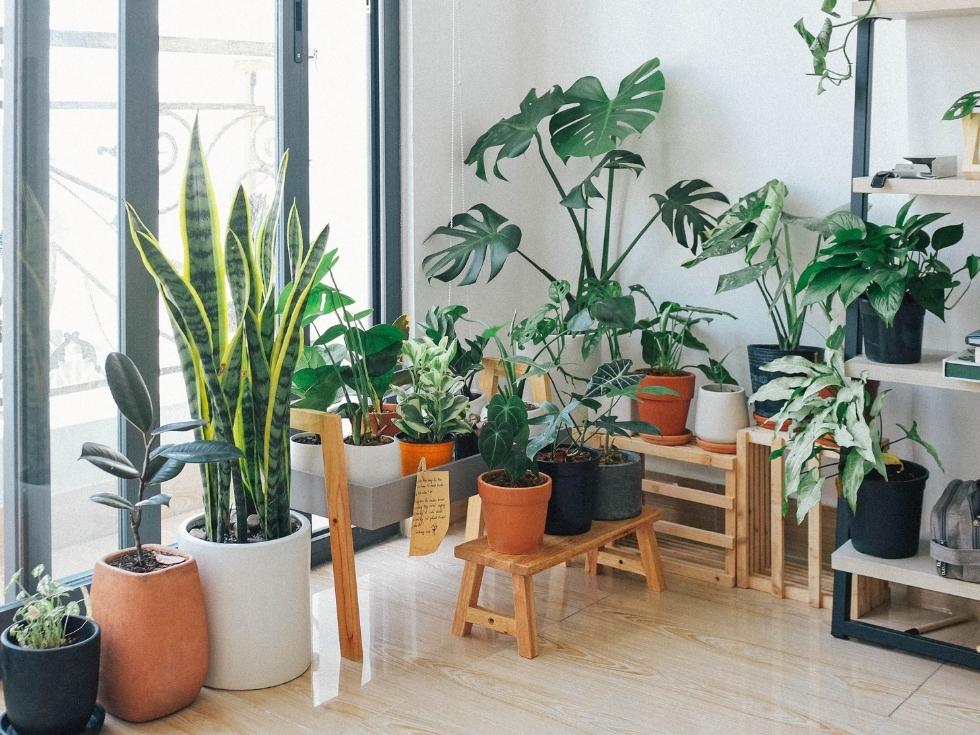

Imagine walking into your home after a long, stressful day. The walls feel alive with color, soft natural light spills in through wide windows, green plants thrive in corners, and the scent of fresh wood or flowers subtly fills the air. You instantly feel calmer, more energetic, and strangely happier. This is not magic. It’s the science of biophilic design at work.
Biophilic design is the concept of connecting people with nature in the spaces where they live, work, and play. The word “biophilia” literally means “love of life or living systems,” and it’s a principle that taps into a deep, almost primal human need to bond with the natural world. More than just decorating with plants, biophilic design combines architecture, interior design, materials, colors, lighting, and sensory elements to nurture mental and physical well-being.
In this article, we’ll explore how biophilic design can improve your mood at home, the science behind it, practical ways to implement it, and why it matters more today than ever before. By the end, your living space won’t just be a place to sleep—it will be a sanctuary for your mind and body.
The Science Behind Biophilic Design
Humans evolved in nature, surrounded by forests, rivers, and open skies. Our brains and bodies are wired to respond positively to natural patterns, light, and living organisms. When we live in urban or artificial environments disconnected from nature, studies show that stress, anxiety, and fatigue increase, while creativity and focus decrease.
Biophilic design leverages this innate connection. Scientific research suggests that exposure to natural elements can:
- Reduce stress hormones: Natural light, greenery, and water features can lower cortisol levels, helping you feel more relaxed.
- Boost mood and energy: Even a few minutes looking at plants or sunlight streaming into a room can lift spirits and enhance mental clarity.
- Improve cognitive function: Environments that mimic natural patterns can improve attention, memory, and creativity.
- Enhance sleep quality: Exposure to natural light during the day and natural textures at home can regulate circadian rhythms.
Neuroscience also points to the power of “soft fascination”—the type of attention drawn by nature, like watching clouds drift or leaves rustle. Unlike intense focus that tires the brain, soft fascination restores mental energy and encourages calm reflection.
Core Principles of Biophilic Design
Biophilic design isn’t just about putting a few plants in your living room. It’s guided by structured principles that ensure a space nurtures your mind and body:
1. Visual Connection to Nature
Seeing nature from your home instantly triggers positive emotions. Large windows, skylights, or glass doors that open to gardens or natural vistas strengthen your connection to the outside world. Even views of trees, sky, or flowing water from a high-rise apartment can reduce stress and improve mood.
2. Non-Visual Connection
Humans don’t just benefit from seeing nature; we respond to it with other senses too. Sounds of birdsong, water trickling, or wind rustling through leaves activate the parasympathetic nervous system, calming the body. Scents of flowers, wood, or fresh herbs can reduce anxiety and trigger fond memories.
3. Natural Materials and Patterns
Using wood, stone, cork, and other natural materials creates tactile and visual cues reminiscent of the outdoors. Patterns like wood grain, leaf veins, or flowing water mimic fractals found in nature, which have been shown to reduce stress and improve focus.
4. Light and Air
Natural light exposure is critical for regulating mood and circadian rhythms. Biophilic design prioritizes daylighting through large windows, reflective surfaces, and skylights. Ventilation with fresh air keeps the indoor environment energizing and reduces the feeling of being “trapped.”
5. Water Features
Even small water elements, like a tabletop fountain or aquarium, have a calming effect. The sound of moving water is associated with relaxation, while water itself symbolizes life and vitality.
6. Dynamic and Diffuse Elements
Nature is rarely static. Incorporating movement in design—like swaying plants, shifting sunlight patterns, or water surfaces—helps simulate the dynamic quality of the outdoors. This subtle motion can keep the environment stimulating and comforting at the same time.
7. Space for Retreat and Exploration
Biophilic design balances open, expansive areas with cozy, sheltered corners. Nooks and alcoves encourage relaxation, reading, or meditation, while open spaces give a sense of freedom and creativity.
How Biophilic Design Boosts Mood at Home
Mood is complex and influenced by multiple factors: stress, sleep, social interaction, and environment. A home designed with biophilic principles can influence all these factors in surprisingly measurable ways.
1. Reducing Stress and Anxiety
Stress triggers a cascade of physiological responses, including higher heart rate, tension, and irritability. Biophilic elements like plants, natural textures, and sunlight slow these responses. Studies show that even looking at greenery for just a few minutes can lower blood pressure and heart rate.
Imagine a living room with a wall of leafy plants, a small fountain bubbling in the corner, and sunlight spilling in from the window. Your brain interprets this as safe and calming, producing more serotonin and reducing cortisol. You may not even notice it consciously—but your mood improves.
2. Improving Energy and Motivation
A dull, artificially lit environment can sap your energy. Daylight exposure, bright colors inspired by nature, and views of the outdoors trigger the release of dopamine, boosting alertness and motivation. Biophilic spaces also encourage movement—like walking to tend plants or open a window—further energizing the body.
3. Enhancing Creativity and Focus
Nature-inspired patterns, such as fractals, curves, and textures, stimulate visual processing and encourage divergent thinking. Whether you’re working from home, studying, or pursuing hobbies, biophilic spaces can increase focus and unlock creative thinking.
4. Supporting Emotional Health
Biophilic design fosters positive emotions such as joy, gratitude, and tranquility. Interacting with living plants, natural scents, and sunlight reinforces a sense of life and growth, helping combat feelings of stagnation or monotony.
5. Strengthening Connection and Mindfulness
Spaces that incorporate nature encourage mindfulness. Watching sunlight change across a room, feeling the texture of a wooden table, or smelling herbs while cooking can bring you into the present moment. Mindfulness is closely linked with improved mood and emotional resilience.
Practical Ways to Bring Biophilic Design Home
You don’t need a massive renovation to harness the benefits of biophilic design. Even small changes can have a surprisingly strong impact on your mood.
1. Add Indoor Plants
Plants are the easiest way to start. Choose a mix of low-maintenance options like pothos, snake plants, or ZZ plants, and combine them with flowering plants or herbs for color and scent. Arrange them on shelves, windowsills, or hanging planters to create visual interest.
2. Maximize Natural Light
Open curtains or blinds, use light-colored walls to reflect sunlight, and consider mirrors strategically to brighten dark corners. Even indirect light can improve mood and regulate circadian rhythms.
3. Use Natural Materials
Incorporate wood, bamboo, cork, and stone in furniture, flooring, or décor. These materials bring warmth and tactile richness, making a space feel more inviting and grounded.
4. Integrate Water Elements
A small fountain, tabletop waterfall, or even a fish tank introduces soothing movement and sound. If a real water feature isn’t possible, consider nature soundscapes with flowing water or rain recordings.
5. Bring Nature Indoors Through Colors and Patterns
Green, brown, blue, and earth tones evoke natural landscapes. Fractal or leaf-like patterns in textiles, wallpapers, or rugs subconsciously signal nature, improving comfort and reducing stress.
6. Create Nooks and Retreats
Designate a cozy corner with soft seating, natural textures, and a view of plants or the outdoors. Even a reading nook can serve as a micro-sanctuary that supports relaxation.
7. Encourage Movement and Interaction
Design spaces that invite interaction with natural elements. Place plants where they need watering, create paths for walking around your home garden, or open windows to feel fresh air. These micro-activities boost mood and energy.
8. Layer Sensory Experiences
Mix visuals, textures, sounds, and scents. A wooden table, soft cotton cushions, a small plant, natural light, and subtle herbal aromas can create a holistic sensory experience that nurtures well-being.
Biophilic Design for Small Spaces
Even if you live in a tiny apartment, biophilic design is possible. Vertical gardens, hanging planters, window boxes, and compact water features allow you to bring nature indoors without sacrificing space. Mirrors can amplify light and create a sense of openness. Choosing multi-functional furniture with natural materials also maintains a balance between utility and comfort.
Technology Meets Nature
In the modern world, we don’t have unlimited access to natural landscapes. Smart technology can supplement biophilic design by:
- Adjusting lighting to mimic natural sunlight patterns.
- Playing natural sounds like rain, wind, or forest ambience.
- Using virtual windows with outdoor scenes for rooms without direct views.
- Using air purifiers and humidifiers with scents to simulate fresh outdoor air.
While nothing replaces real nature, technology can enhance the restorative effects of biophilic principles, especially in urban environments.
Why Biophilic Design Matters Today
We live in an era of constant digital engagement, indoor work, and urban density. Mental health challenges such as anxiety, depression, and burnout are rising. Homes designed without natural connection often exacerbate these issues.
Biophilic design is not a luxury—it’s an investment in mental and physical health. By designing spaces that nurture our innate connection to nature, we can:
- Lower stress and fatigue.
- Improve sleep and energy.
- Enhance creativity and focus.
- Strengthen emotional resilience.
- Foster a sense of belonging and comfort.
In short, biophilic homes can transform the way we live, turning daily routines into rituals of well-being.
Conclusion
Biophilic design is more than a trend—it’s a scientifically grounded approach to making homes healthier, happier, and more harmonious. By reconnecting with nature through light, plants, materials, water, patterns, and sensory experiences, your home becomes a tool for improving your mood and overall well-being.
Whether you live in a sprawling house or a small city apartment, you can harness biophilic principles to create spaces that restore, inspire, and energize. The effects aren’t just aesthetic—they’re deeply psychological, influencing your stress levels, creativity, energy, and emotional health.
Next time you walk into your home, notice how the sun falls on a wooden floor, how a plant catches your eye, or how the sound of a fountain soothes your mind. That’s the magic of biophilic design: the simple, profound, life-enhancing power of nature, brought home.