






In today’s hyper-connected world, where notifications ping every second and life moves at breakneck speed, the human mind rarely gets a moment to breathe. Anxiety, stress, and burnout have become modern epidemics. People are seeking ways to reconnect with themselves, find clarity, and manage mental health more effectively. Two popular approaches stand out: traditional therapy and silent retreats. Each has its own advocates, unique methods, and outcomes—but the question arises: are silent retreats better than therapy?
This article dives into the intricacies of both, exploring their origins, mechanisms, benefits, limitations, and who may benefit from each. By the end, readers will gain a nuanced understanding to make informed decisions about their mental well-being.
Understanding the Basics
What is Therapy?
Therapy, often referred to as psychotherapy or counseling, is a structured process where a trained professional helps individuals navigate their emotions, thoughts, and behaviors. Therapy can take multiple forms:
- Cognitive Behavioral Therapy (CBT): Focuses on identifying and restructuring negative thought patterns.
- Psychodynamic Therapy: Explores how past experiences shape present behavior.
- Humanistic Therapy: Prioritizes personal growth, self-awareness, and authenticity.
- Family or Group Therapy: Addresses relational dynamics and social support systems.
Therapy is typically structured around regular sessions, often weekly, providing long-term guidance. It’s evidence-based, meaning its techniques are researched, tested, and shown to produce measurable mental health improvements.
What is a Silent Retreat?
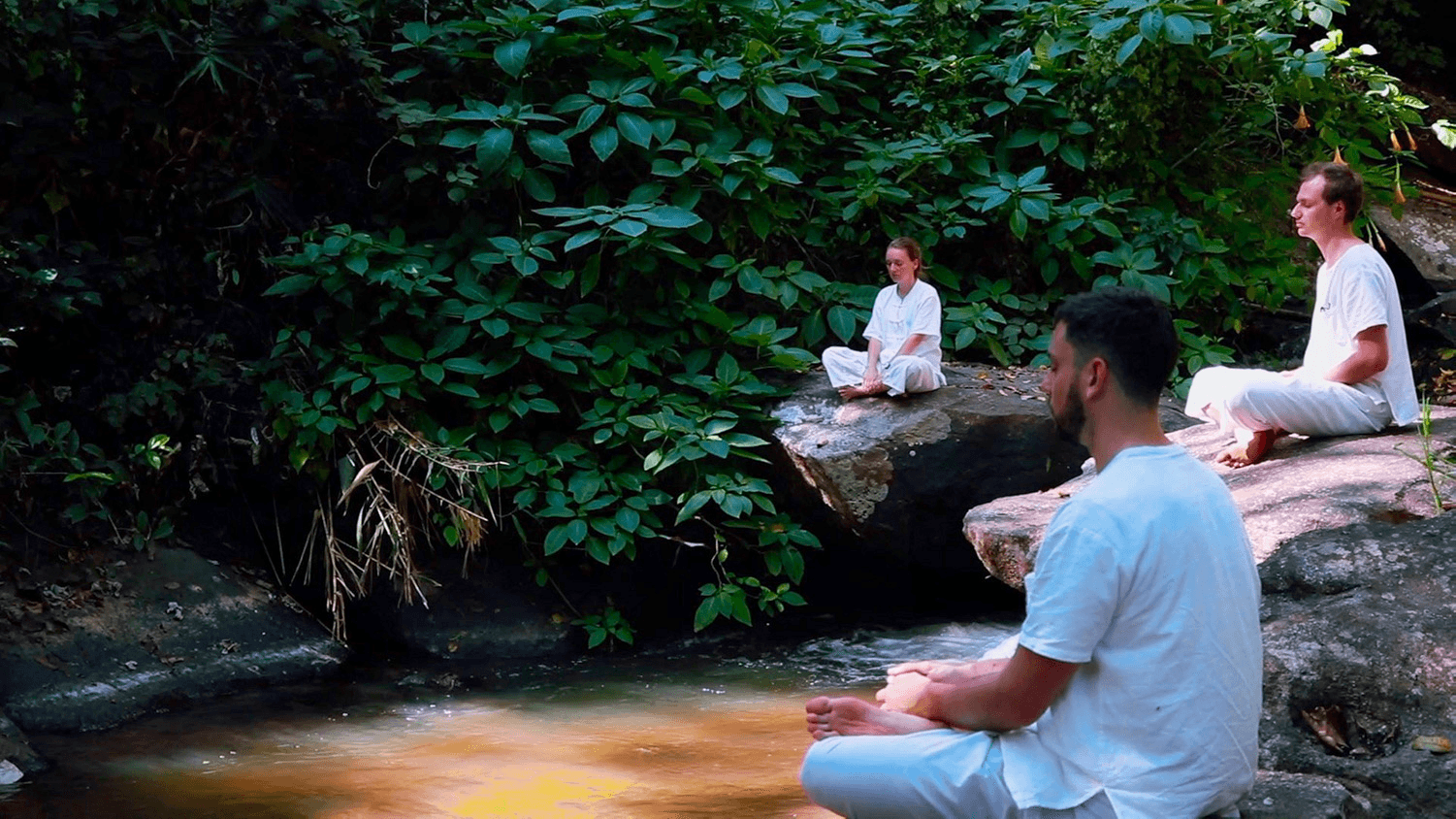
A silent retreat is a period—ranging from a day to several weeks—spent in intentional silence, often in a remote or nature-rich environment. Participants refrain from talking, digital devices, and sometimes even reading or writing. The purpose is to cultivate mindfulness, self-reflection, and presence.
Silent retreats can follow various frameworks:
- Vipassana Meditation: Focuses on deep self-awareness and observing thoughts without judgment.
- Zen Retreats: Emphasize meditation, simplicity, and being in the present moment.
- Mindfulness-Based Retreats: Use meditation, yoga, and breathwork to enhance mental clarity.
Unlike therapy, silent retreats are often intensive, immersive experiences aimed at a rapid reset of the mind.
Mechanisms of Healing
How Therapy Works
Therapy primarily works through dialogue, insight, and strategy:
- Expression: Talking about feelings helps organize thoughts and relieve emotional pressure.
- Insight: Identifying patterns and triggers illuminates unconscious processes affecting behavior.
- Skill-Building: Therapists equip individuals with coping strategies like cognitive restructuring, relaxation techniques, and communication skills.
- Validation: Simply being heard and understood fosters emotional relief and confidence.
Research consistently shows therapy’s efficacy in reducing anxiety, depression, and stress while improving emotional regulation and resilience.
How Silent Retreats Work
Silent retreats rely on intensive introspection, mindfulness, and environmental immersion:
- Mindful Awareness: Silence forces attention inward, revealing hidden patterns of thought and emotion.
- Sensory Reset: Removing constant stimulation allows the nervous system to downshift, reducing stress.
- Behavioral Observation: Without distraction, participants notice habits, reactions, and emotional triggers.
- Spiritual or Existential Insight: Many retreats encourage contemplation about life purpose, relationships, and personal values.
Essentially, retreats create space for the mind to “detox”, potentially leading to profound self-awareness and mental clarity in a compressed timeframe.

Benefits Compared
| Aspect | Therapy | Silent Retreat |
|---|---|---|
| Duration of Impact | Long-term, gradual growth | Short-term intensive shift; insights may fade without follow-up |
| Cost | Usually moderate per session; insurance may cover | Can be expensive; travel, lodging, program fees add up |
| Accessibility | Widely available; online options exist | Limited availability; often remote and scheduled |
| Customization | Tailored to individual needs | Generally structured; less personalized unless in private retreat |
| Skill Acquisition | Practical coping tools | Mindfulness and self-awareness practices |
| Social Support | Direct interaction with therapist | Limited interaction; sometimes community of fellow participants |
| Scientific Evidence | Strong, extensive | Emerging but promising; less formal research |
Psychological and Emotional Impact
Therapy
Therapy works gradually. For example, someone with chronic anxiety might initially learn grounding techniques, cognitive reframing, and gradual exposure methods. Over months, these techniques integrate into daily life, helping the individual handle triggers more effectively.
Therapy also excels in trauma processing. Skilled therapists can guide clients safely through difficult experiences, minimizing re-traumatization. For individuals with depression, PTSD, or personality disorders, therapy is often considered the gold standard.
Silent Retreats
Silent retreats often produce immediate, sometimes profound emotional effects. Participants frequently report:
- Deep calm and inner silence
- Heightened self-understanding
- Emotional breakthroughs or catharsis
- Reduced stress and mental clutter
However, retreats can also trigger discomfort. Facing unprocessed emotions without guidance can be challenging, and without follow-up integration, insights may dissipate once participants return to daily life.
Who Benefits Most?
Ideal Candidates for Therapy
- Individuals seeking long-term emotional growth
- People dealing with diagnosed mental health conditions
- Those needing structured coping strategies
- Anyone requiring professional guidance for trauma, anxiety, or depression
Ideal Candidates for Silent Retreats
- People seeking a mental reset or detox from technology and overstimulation
- Individuals looking to explore mindfulness or meditation intensively
- Those who already have some emotional stability and coping skills
- People open to self-directed insight without immediate professional interpretation
Integration Potential: The Best of Both Worlds
Rather than framing it as “therapy or retreat,” many experts suggest a hybrid approach. Therapy provides structured, evidence-based support, while retreats offer immersive self-reflection. For example:
- A person may attend a silent retreat to uncover unconscious patterns and then bring these insights into therapy for processing and actionable strategies.
- Therapy clients may use retreats as a concentrated mindfulness practice to complement ongoing sessions.
- Retreats can help prevent burnout for therapists themselves, highlighting the cyclical benefit of introspection.

This integration leverages the strengths of both approaches while mitigating their limitations.
Limitations and Risks
Therapy Limitations
- Progress can be slow; requires patience
- Success depends on therapist-client fit
- Not always accessible due to cost, location, or stigma
- Can feel uncomfortable initially, as confronting emotions is inherently challenging
Silent Retreat Limitations
- Can be emotionally intense without professional support
- Insights may not translate into behavioral change without integration
- Requires physical and psychological preparation
- May be inaccessible due to cost, travel, or scheduling constraints
The Science Behind the Silence
Studies on meditation and silence show measurable brain changes:
- Reduced cortisol levels, indicating lower stress
- Increased gray matter in areas associated with attention and emotion regulation
- Heightened default mode network activity, linked to self-reflection and memory consolidation
Meanwhile, decades of psychotherapy research show:
- Cognitive-behavioral therapy reduces anxiety and depression in over 60% of cases
- Psychodynamic therapy enhances long-term emotional resilience
- Therapy fosters neuroplasticity, gradually rewiring the brain to respond more adaptively
The key difference lies in duration versus intensity: therapy fosters sustainable change over time, whereas retreats provide intense but often transient experiences.
The Experiential Difference
Silent retreats can feel transformative because they force confrontation with oneself. Without external distractions, the mind becomes a mirror, reflecting habitual patterns and deep-seated emotions. Many participants describe “seeing themselves clearly for the first time” and experiencing moments of profound clarity.
Therapy, in contrast, is guided. It’s like walking with a knowledgeable companion who helps interpret what the mirror shows, providing context, coping strategies, and gradual integration into daily life.
Social and Cultural Dimensions
Therapy is normalized in many Western cultures, but stigma still exists in some communities. Access is increasing via teletherapy, but cultural competence varies. Silent retreats are often rooted in spiritual or cultural traditions, which can enrich the experience but may feel foreign or restrictive for some participants.
Choosing between therapy and retreats can also reflect personal philosophy:
- Analytical thinkers may prefer therapy’s structured problem-solving approach.
- Experiential seekers may gravitate toward retreats for introspective immersion.
Cost vs. Value
While therapy often requires regular financial investment over months or years, silent retreats typically demand a single, more substantial expenditure. Yet, the value depends on goals:
- Therapy: Investment in long-term mental health, coping skills, and emotional resilience.
- Retreats: Investment in a short-term reset, clarity, and mindfulness immersion.
In economic terms, therapy is like compound interest, slowly building emotional equity. Retreats are more akin to a sudden windfall, potentially transformative but fleeting if not integrated.
Making the Choice
Ultimately, determining whether silent retreats are better than therapy depends on multiple factors:
- Mental Health Needs: Severe or chronic issues often require therapy.
- Goals: Short-term clarity vs. long-term skills development.
- Personal Preference: Comfort with silence, introspection, and intensive experiences.
- Resources: Time, money, and accessibility considerations.
- Support Systems: Availability of guidance or integration support post-retreat.
Conclusion: Complementary Paths, Not Competitors
Silent retreats are not inherently better than therapy. Nor is therapy universally superior. Each offers unique advantages:
- Therapy provides evidence-based guidance, coping strategies, and long-term growth.
- Silent retreats offer intense immersion, mindfulness, and self-reflective clarity.
The most effective mental health strategy may be a combination of both, using retreats to gain insights and therapy to integrate them sustainably. Ultimately, mental well-being is a deeply personal journey, and flexibility, experimentation, and self-awareness are key.
In the end, the question isn’t which is better in absolute terms, but which approach—or combination—aligns with your mind, lifestyle, and aspirations. Whether through dialogue with a therapist or deep silence in a retreat, the ultimate goal is the same: to know yourself, heal, and live with clarity and presence.