





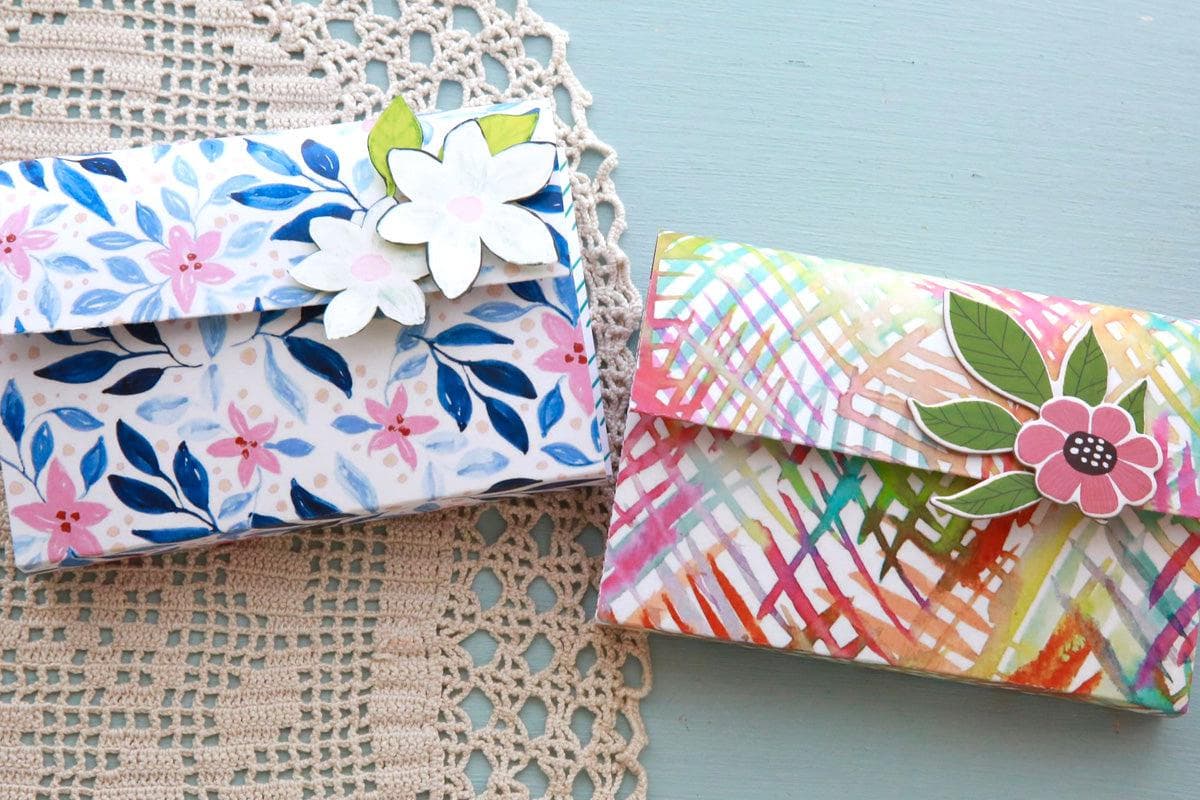

In today’s fast-paced world, stress seems as unavoidable as the sunrise. From deadlines at work or school to social pressures and personal expectations, our minds often feel like they are running a marathon without a finish line. For decades, exercise has been championed as the ultimate stress-buster, and rightly so. A brisk walk, an intense gym session, or a calming yoga sequence floods our brains with endorphins, boosts mood, and improves sleep quality. But in recent years, another contender has quietly risen: DIY hobbies. Could building, crafting, or creating offer a stress relief more profound than pumping iron or jogging miles? Let’s dive deep into this fascinating intersection of psychology, neuroscience, and everyday life.
The Science of Stress
Stress is more than just a feeling of overwhelm; it’s a biological response. When faced with challenges, our bodies release stress hormones like cortisol and adrenaline. These chemicals prepare us to fight or flee by increasing heart rate, sharpening focus, and temporarily boosting energy. This “fight-or-flight” response was crucial for survival in prehistoric times but often backfires in modern life, where the threats are psychological rather than physical. Chronic stress can lead to headaches, sleep disturbances, anxiety, depression, and even cardiovascular issues.
Managing stress, therefore, isn’t just about feeling better—it’s about protecting your body and mind over the long term. Traditionally, exercise has been a go-to strategy. Physical activity promotes the production of neurotransmitters like dopamine and serotonin, which enhance mood. It also lowers cortisol levels, strengthens the cardiovascular system, and improves sleep. But there’s more to stress relief than moving your body; what about moving your hands, your mind, or your imagination?
What Are DIY Hobbies?
DIY (Do-It-Yourself) hobbies encompass a vast array of activities where individuals create, build, or modify something with their own hands. Examples range from knitting, woodworking, and painting to coding your own app, gardening, or restoring old furniture. Unlike purely physical exercise, DIY engages multiple dimensions of human experience simultaneously:
- Cognitive Engagement: Planning a project, solving problems, and adapting designs stimulates the brain in ways different from repetitive physical movements.
- Sensory Stimulation: Tactile, visual, and sometimes auditory feedback from hands-on work engages the senses in a deeply satisfying way.
- Creativity and Self-Expression: DIY projects allow people to channel emotions into tangible results, offering a sense of accomplishment and personal identity.
- Flow State Induction: Focused engagement can induce “flow,” a psychological state where time seems to disappear and anxiety recedes.
These elements create a multi-layered stress relief mechanism that some researchers argue can be more effective than exercise for certain individuals.
How DIY Hobbies Affect the Brain
Recent studies in neuroscience and psychology suggest that DIY hobbies may have remarkable effects on brain chemistry and mental health:
- Reduced Cortisol Levels
Crafting or building activates the parasympathetic nervous system—the “rest and digest” system. This counteracts the stress-induced activation of the sympathetic system, effectively lowering cortisol levels. Unlike aerobic exercise, which initially spikes cortisol before reducing it, DIY can produce a steady calming effect. - Enhanced Dopamine Response
Completing a task, no matter how small, triggers a dopamine release—the “reward chemical” in the brain. The satisfaction of seeing a finished project, from a hand-knitted scarf to a built shelf, provides measurable psychological gratification. - Mindfulness Through Action
DIY hobbies often require concentration on immediate tasks, which parallels mindfulness meditation. The repetitive motions in knitting, the precise cuts in woodworking, or the careful strokes in painting demand attention to the present moment, quieting overactive thoughts. - Cognitive Flexibility
Engaging in creative DIY projects can improve problem-solving skills and mental adaptability. Unlike predictable exercise routines, DIY challenges the brain to plan, improvise, and innovate—enhancing cognitive resilience.
Comparing DIY and Exercise: Stress Relief Mechanisms
While exercise and DIY hobbies share stress-relieving qualities, they operate through subtly different mechanisms:
| Feature | Exercise | DIY Hobbies |
|---|---|---|
| Cortisol Reduction | Gradual, post-exercise | Steady, during activity |
| Dopamine Release | Moderate during, higher post-workout | Moderate-to-high during project |
| Mindfulness | Often requires conscious effort | Natural through focused activity |
| Social Interaction | Optional, often in gyms/classes | Optional, can be solo or group |
| Physical Health Benefits | High (cardio, strength, endurance) | Low-to-moderate (depends on hobby) |
| Tangible Outcomes | Minimal | High (finished projects) |
From this comparison, it becomes clear that while exercise excels in physical health and endorphin spikes, DIY hobbies shine in consistent cortisol reduction, creativity, and immediate psychological gratification.
Real-Life Examples: DIY Hobbies That Reduce Stress
- Knitting and Crocheting
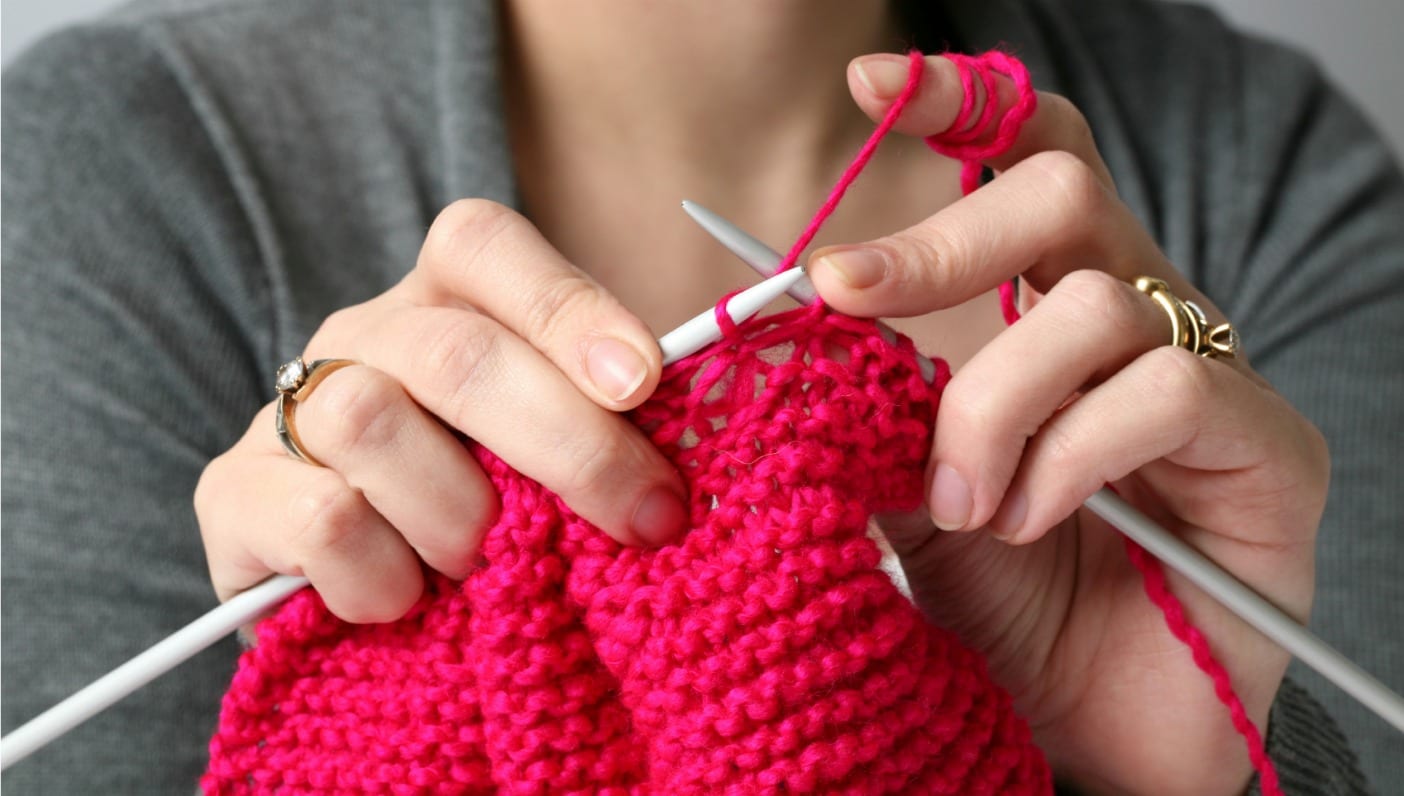
These rhythmic hand movements trigger a calming effect similar to meditation. The repetitive motion combined with visual and tactile feedback engages both body and mind. - Gardening
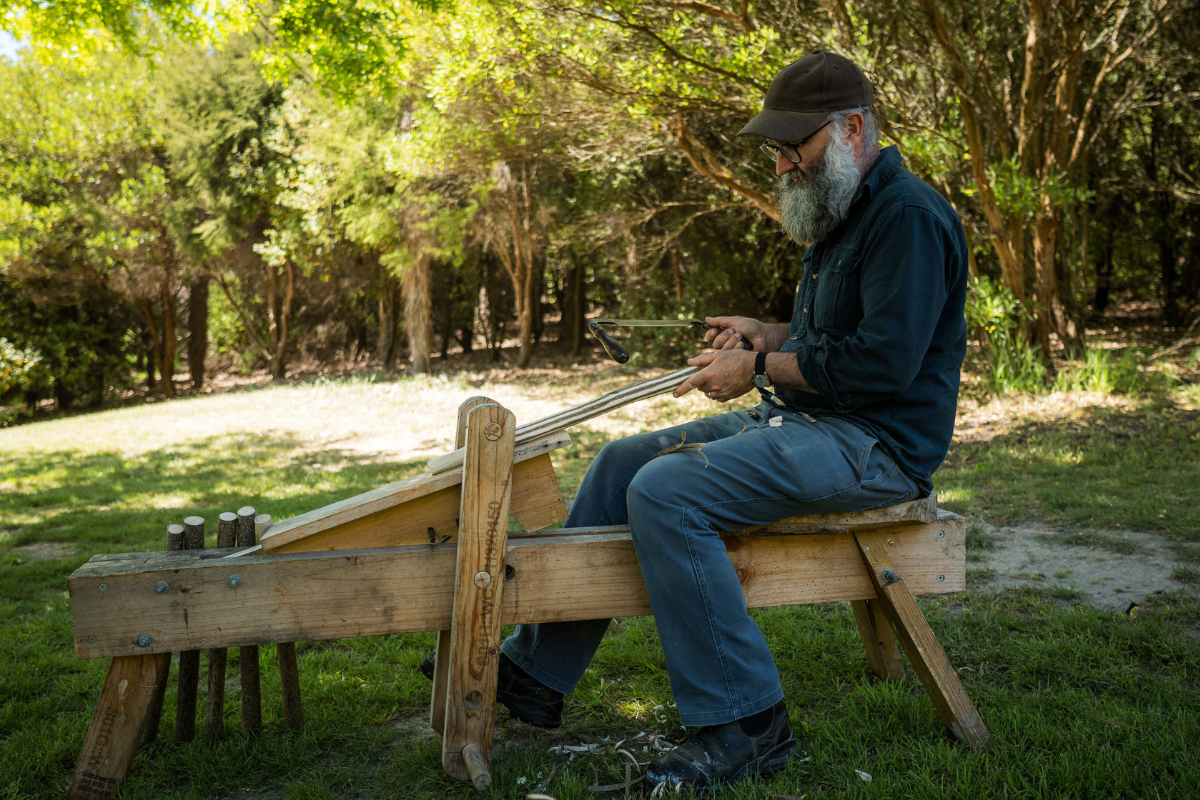
Exposure to soil microbes, sunlight, and nurturing plants boosts mood. The act of caring for living things offers a sense of purpose and routine. - Woodworking
Precision tasks like cutting, sanding, and assembling require full focus, leaving little room for intrusive thoughts. Plus, completing a project produces tangible evidence of accomplishment. - Painting and Drawing
Expressive arts allow emotional release, visualization, and problem-solving in color, shape, and form. Even abstract experimentation has measurable anxiety-reducing effects. - Model Building or Electronics
Miniature constructions and tinkering demand patience, planning, and problem-solving. They often result in long-lasting satisfaction and cognitive stimulation. - DIY Home Improvements
Transforming a space you live in gives a sense of control and ownership, which is especially powerful in managing stress that stems from perceived life chaos.
Psychological Theories Behind DIY Stress Relief
Several psychological models explain why DIY hobbies may surpass exercise in stress reduction for certain individuals:
1. Flow Theory (Mihaly Csikszentmihalyi)
Flow is a state of deep immersion where one loses track of time and self-consciousness. DIY hobbies are especially conducive to flow because they balance challenge and skill, offering both mastery and novelty.
2. Self-Determination Theory
This theory posits that humans have three psychological needs: autonomy, competence, and relatedness. DIY fulfills autonomy (choosing projects), competence (developing skills), and sometimes relatedness (sharing projects with others), creating deep intrinsic satisfaction.
3. Cognitive Behavioral Framework
DIY provides both distraction from stressors and a sense of accomplishment, key elements in reducing anxiety and depressive thinking. Unlike exercise, which may sometimes feel like a chore, DIY often feels meaningful and intrinsically rewarding.
Limitations and Considerations
While the benefits of DIY hobbies are compelling, it’s essential to approach them realistically:
- Physical Activity: DIY alone rarely provides cardiovascular or muscular benefits comparable to exercise. For full health, combining DIY with moderate physical activity is ideal.
- Skill Frustration: Projects that are too complex or poorly planned can induce stress rather than relieve it. Choosing achievable tasks is key.
- Time Management: Intensive hobbies can consume hours, potentially adding stress if not balanced with other responsibilities.
- Social Isolation: While many DIY activities are solo, combining them with social interaction enhances mental health benefits.
DIY Hobbies and Modern Life
The rise of online tutorials, maker communities, and DIY subscription boxes has made DIY hobbies more accessible than ever. People can learn woodworking, pottery, electronics, and more without leaving home. This accessibility is crucial: stress often arises from feeling trapped or constrained. The act of creating, learning, and controlling your own projects restores a sense of agency, which modern life often erodes.
Additionally, DIY hobbies can integrate naturally into daily routines. Morning gardening, afternoon painting, or evening knitting sessions create structured breaks that reduce chronic stress accumulation.
How to Start a Stress-Relieving DIY Habit
- Identify Your Interests: Choose a hobby that excites you, whether it’s painting, coding, or crafting. Passion fuels persistence.
- Start Small: Begin with manageable projects to avoid frustration.
- Set Realistic Goals: Focus on process rather than perfection. The act of creating matters more than the result.
- Create a Comfortable Workspace: Lighting, organization, and ergonomics affect your ability to relax and focus.
- Incorporate Mindfulness: Pay attention to textures, colors, smells, and sensations.
- Share or Showcase Your Work: Sharing with friends, online communities, or family can enhance dopamine release and social satisfaction.
Case Studies and Anecdotal Evidence
Many individuals report experiencing significant stress reduction from DIY hobbies:
- A busy office worker reported that evening knitting sessions lowered her anxiety after work, more than jogging or yoga ever did.
- A student learning woodworking described a mental “reset” after crafting small wooden figures, leaving him calmer and more focused on academics.
- A retiree taking up watercolor painting found that concentrating on brushstrokes allowed him to process emotional stress from life transitions, more effectively than long walks.
Though anecdotal, these examples highlight that DIY hobbies may meet psychological needs in ways exercise alone cannot.
The Synergy: DIY Plus Exercise
Interestingly, DIY and exercise are not mutually exclusive. Combining them may create a synergistic stress-relief effect. For instance:
- A morning run followed by evening painting may reduce cortisol, enhance dopamine, and provide both physical and cognitive benefits.
- Gardening and light yard work can count as mild exercise while offering creative satisfaction.
- Dance-based DIY hobbies like choreographing or learning acrobatics provide movement and creative engagement simultaneously.
Conclusion
So, could DIY hobbies reduce stress more than exercise? The answer is nuanced. Exercise remains a cornerstone of mental and physical health, but DIY hobbies offer unique advantages that sometimes surpass traditional workouts in psychological benefits. By engaging the mind, senses, and creativity, DIY fosters flow, reduces cortisol, and enhances dopamine in ways that pure exercise often cannot.
In a world brimming with deadlines, notifications, and overstimulation, crafting your own moments of calm may be as essential as hitting the gym. Ultimately, the most effective stress relief strategy is personalized: for some, a jog in the morning clears the mind; for others, a painted canvas or a handcrafted bookshelf offers deeper, longer-lasting tranquility. And for maximum resilience, why not embrace both?
DIY is more than a hobby; it’s a portable, tangible, deeply human antidote to stress—an antidote we can hold in our hands, shape with our minds, and display with pride.