







In the age of Instagram feeds, Pinterest boards, and AI-generated outfit suggestions, fashion guides have become an omnipresent force. Every swipe and scroll brings curated “must-have” items, color palettes that “work best for your skin tone,” and step-by-step instructions on how to look effortlessly chic. On the surface, these guides promise clarity in a chaotic world of choices. But a pressing question emerges: do fashion guides help us discover our personal style, or do they quietly kill it?
The tension between guidance and individual expression is not new. Fashion has always existed in the delicate balance between trend-following and personal innovation. What separates inspiration from imitation? How does one navigate a sea of rules, tips, and “dos and don’ts” without losing the essence of individuality? Let’s explore this complex terrain.
1. The Allure of Fashion Guides
Fashion guides succeed because they offer structure. For many, the wardrobe can feel overwhelming. A closet stuffed with mismatched garments, outdated trends, and impulse buys can be intimidating. Fashion guides step in as a lifeline.
- Clarity in Choice: A well-crafted guide simplifies decision-making. Should you pair this oversized blazer with fitted pants or go full monochrome? Guides answer such questions, often with visual examples.
- Confidence Boost: Following expert recommendations can make one feel secure in their choices. This is especially appealing in high-stakes scenarios like job interviews, presentations, or social events.
- Cultural Currency: Fashion guides often decode trends emerging from fashion weeks or influencer circles. They translate the esoteric language of high fashion into digestible steps for everyday life.
In theory, guidance is empowering. Yet, therein lies a subtle danger: the boundary between guidance and prescription is porous.
2. The Invisible Hand of Standardization
The first way fashion guides can harm individuality is by imposing invisible norms. While style should ideally reflect personal taste, mood, and context, guides often embed underlying assumptions:
- Body Shapes and “Flattering” Clothes: Many guides categorize bodies into simplified types (apple, pear, hourglass) and prescribe what is “flattering.” This reduces complex human forms into rigid templates.
- Color Rules: Seasonal palettes (spring, summer, autumn, winter) dictate which colors are suitable for which skin tone. This can discourage experimentation.
- Trend Obsession: Guides frequently prioritize trends over timeless individuality. A person may buy a popular item simply because it is deemed fashionable, not because it resonates with their personal style.
Over time, the repetition of these standards can homogenize wardrobes. In a city where everyone follows the same “rules,” the uniqueness of individual style may shrink until everyone looks like a variation of the same template.
3. Inspiration vs. Imitation
A critical distinction exists between being inspired and being copied. Inspiration fuels creativity—it sparks experimentation, encourages unexpected combinations, and prompts personal reinterpretation. Imitation, however, is passive: it substitutes one’s voice with another’s.
Fashion guides blur this line because they are often prescriptive rather than suggestive. For example:
- “Pair oversized hoodies with skinny jeans” can inspire someone to try casual chic.
- But if the wording implies, “This is how everyone is wearing it, so you must do the same,” it veers into imitation.

The danger lies not in being informed but in being told that personal deviations are wrong or ugly.
4. Psychological Effects of Over-Reliance
Following fashion guides blindly can subtly reshape self-perception:
- Self-Censorship: People may avoid experimenting with unconventional styles for fear of violating a guide’s rules.
- External Validation Dependence: When style becomes a checklist rather than self-expression, confidence may hinge on approval from others or social media “likes.”
- Loss of Creative Muscle: Personal style is a skill that develops with practice. Constantly outsourcing decisions to guides can atrophy the ability to make bold, individual choices.
Ironically, guides designed to increase confidence can sometimes erode it by making people feel inadequate if they cannot perfectly follow instructions.
5. Where Fashion Guides Help
Despite these risks, fashion guides are not inherently destructive. Their value lies in how they are used.
- Educational Function: Guides teach principles of color theory, proportion, and layering. This knowledge can empower individuals to break rules intelligently.
- Exposure to New Ideas: They introduce unfamiliar silhouettes, textures, and combinations. Without guidance, many people may never consider pairing a satin skirt with a chunky knit or experimenting with bold accessories.
- Efficiency in Decision-Making: For busy professionals or students, guides can reduce wardrobe stress without compromising style.
In essence, the difference between killing style and enhancing it depends on mindset. Guides should act as springboards, not as walls.
6. The Role of Cultural Context
Individual style is not created in isolation; it interacts with culture, geography, and subculture. Fashion guides, particularly globalized digital guides, often reflect dominant trends and homogenized ideals. This can marginalize alternative expressions:
- Subcultural styles (punk, goth, streetwear) are often simplified or diluted in mainstream guides.
- Regional preferences are flattened; what looks avant-garde in Tokyo may appear ordinary in New York.
By privileging certain aesthetics over others, guides can unconsciously pressure people toward conformity.
7. Strategies to Protect Your Individual Style
How can someone enjoy the benefits of fashion guides without surrendering creativity?
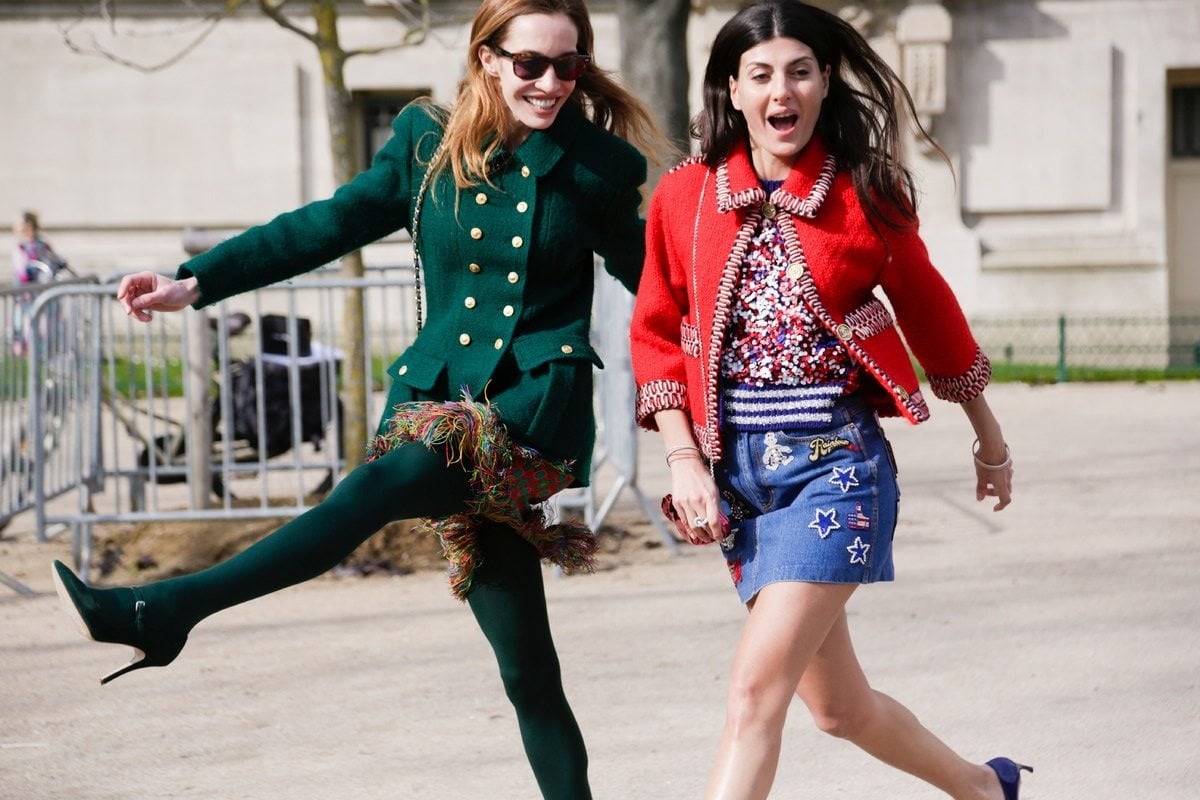
- Use as a Reference, Not a Rulebook: Read guides to gather ideas, not prescriptions. Always ask: “Does this feel like me?”
- Mix High and Low Guidance: Combine trend-driven items with vintage pieces or DIY clothing to retain uniqueness.
- Develop a Signature Element: Accessories, color motifs, or specific silhouettes can anchor personal style regardless of trends.
- Experiment Regularly: Try combinations the guides wouldn’t suggest. Even failed experiments expand understanding of personal taste.
- Reflect on Identity: Style should express values, mood, and personality. Guides cannot dictate these internal dimensions.
8. Case Studies of Style Preservation
Some iconic fashion figures exemplify how individual style can thrive alongside widespread fashion advice:
- Rihanna: She adapts trends but bends them to her persona, creating an instantly recognizable image.
- Harry Styles: While many of his outfits echo contemporary trends, his fearless experimentation with gender norms and textures highlights individuality.
- Streetwear Communities: Localized fashion movements often borrow from guides but reinterpret them, proving that guidance can inspire, not constrain.
These examples illustrate that personal style is an evolving dialogue with fashion, not a passive following of rules.
9. The Digital Age Complication
The rise of TikTok, Instagram, and AI-driven fashion apps adds a new layer. Algorithms show what is trending in real time, often pushing uniformity under the guise of “curated discovery.” Users can quickly fall into feedback loops:
- Like what the algorithm likes.
- Copy popular outfits.
- Repeat for validation.
Here, the danger is magnified: fashion guides are no longer just expert advice; they are constant, algorithmically reinforced nudges toward conformity. Breaking away requires conscious effort.
10. Redefining the Role of Fashion Guides
Fashion guides can evolve from prescriptive manuals into collaborative tools for self-expression. Consider:
- Interactive Guides: Platforms that ask about personality, lifestyle, and mood to suggest rather than dictate choices.
- Contextual Guidance: Tips that respect regional culture, personal body diversity, and subcultural influences.
- Experimental Encouragement: Guides that explicitly reward deviation and creativity.
When guides emphasize experimentation over compliance, they enrich style rather than diminish it.
11. Conclusion: Freedom Within Frameworks
Do fashion guides kill individual style? The answer is nuanced. If approached rigidly, yes, they can narrow wardrobes, stifle creativity, and foster dependence on external validation. But when approached thoughtfully, guides can educate, inspire, and streamline decision-making while leaving room for personal interpretation.
Individual style is a living, breathing expression of personality. Fashion guides are tools—not dictators. They can either cage the imagination or open it. The difference lies entirely in how we wield them.
Ultimately, style is not found in perfect adherence to any guide. It is found in curiosity, risk-taking, and a fearless embrace of what feels genuinely yours. Use guides wisely: learn the rules, but don’t be ruled by them.