






For more than a century, the dominant narrative of progress pointed in one direction: toward cities. Bigger skylines meant bigger dreams. Dense streets promised opportunity, diversity, innovation, and upward mobility. Yet in recent years, a quieter countercurrent has begun to flow. People are packing up apartments, selling townhouses, and trading subway maps for two-lane roads. Their destination is not the wilderness, nor the suburbs as we traditionally know them, but something smaller, subtler, and increasingly compelling: tiny towns.
This is not a nostalgic retreat into the past, nor a rejection of modern life. Instead, it is a recalibration of priorities. Tiny towns—often defined as communities with populations ranging from a few hundred to several thousand—are being rediscovered as places where quality of life can rival, and sometimes surpass, that of major urban centers. The question is no longer whether cities are powerful engines of culture and economy; they undeniably are. The question is whether tiny towns are becoming the most appealing escape hatch from urban intensity.
This article explores why tiny towns are attracting new residents, what makes them function in the twenty-first century, and whether this movement represents a lasting transformation or a temporary correction. Along the way, we will examine economics, social dynamics, infrastructure, psychology, design, and the subtle emotional geography that makes a place feel like home.
1. Defining the Tiny Town: More Than Just a Small City
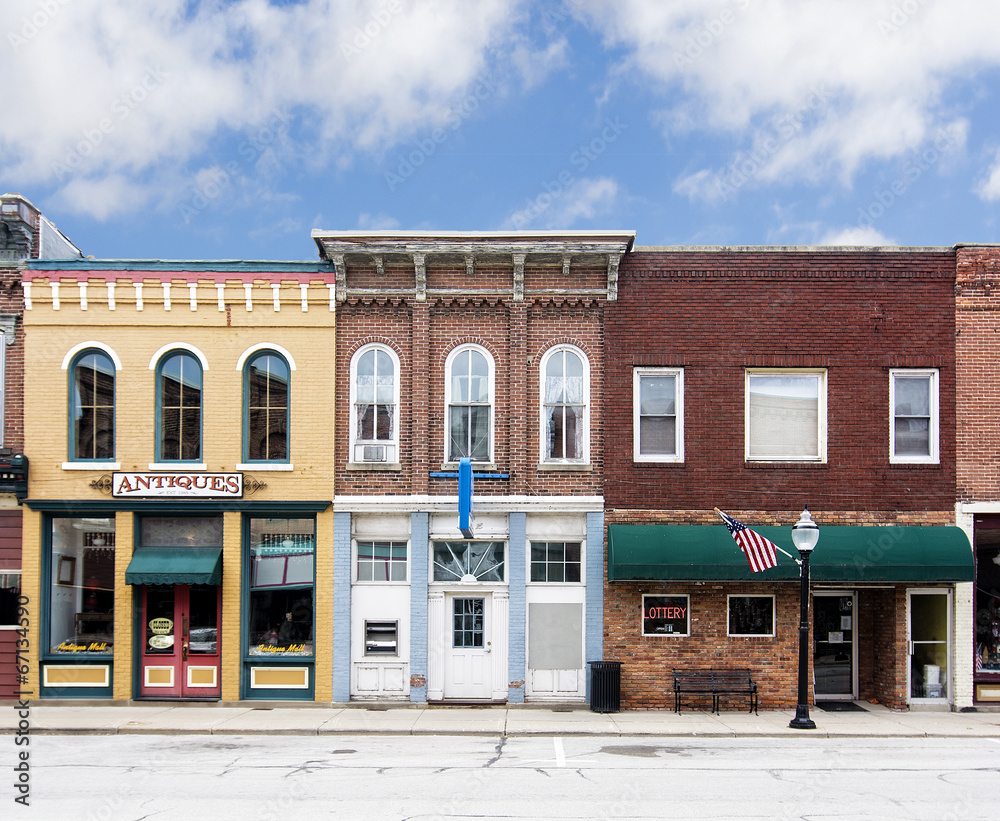
The phrase “tiny town” may conjure images of sleepy main streets, creaky wooden porches, and diners where everyone knows your name. While these images are not entirely inaccurate, they are incomplete. A tiny town is not simply a smaller version of a city; it operates according to different rules, rhythms, and values.
Unlike cities, which thrive on density and specialization, tiny towns thrive on proximity and versatility. One building might house a café, a coworking space, and a community meeting room. One person might be a teacher, a volunteer firefighter, and a local business owner. The boundaries between roles blur, creating a social fabric that is both resilient and intimate.
What truly defines a tiny town is not population size alone, but scale. Distances are walkable. Problems are visible. Solutions often emerge through conversation rather than bureaucracy. In these environments, the abstract systems that govern city life—zoning boards, transit authorities, anonymous service providers—are replaced by human-scale interactions.
This scale fundamentally changes how people experience daily life. Time feels different. Urgency softens. Attention shifts from constant stimulation to sustained presence. For many, this change is not a step backward, but a step inward.
2. The Urban Pressure Cooker: Why Escape Became Desirable
Cities remain extraordinary places. They concentrate talent, capital, culture, and possibility in ways no other environment can match. But concentration comes at a cost, and for many urban residents, that cost has been steadily rising.
Housing affordability is often the first breaking point. In global cities, rent and home prices have decoupled from local incomes, turning shelter into a source of chronic stress. Commuting is another pressure. Even when distances are short, congestion and overcrowding stretch travel times and mental bandwidth. Noise, light pollution, and the constant negotiation of shared space can slowly erode a sense of calm.
Beyond the physical factors lies a subtler psychological strain. Cities reward speed, competition, and perpetual availability. The sense that one must always be “on” can be exhilarating in short bursts, but exhausting over years. Many urban dwellers report a paradox: surrounded by millions, yet feeling increasingly anonymous.
Tiny towns offer a contrasting promise. They do not eliminate problems, but they change their scale. Instead of competing with thousands for limited resources, residents navigate trade-offs within a smaller, more legible system. Stress does not vanish, but it becomes more manageable, more contextual, and often more shared.
3. Technology as the Great Enabler
The tiny town revival would not be possible without technology. For most of modern history, economic opportunity was geographically anchored. If you wanted a certain job, you had to live where that job was. Cities grew because they aggregated employment.
That logic is weakening. High-speed internet, cloud-based collaboration tools, and remote work platforms have untethered many professions from specific locations. A designer, analyst, writer, or software developer can now live in a town of 2,000 people and collaborate daily with colleagues across continents.
This shift has profound implications. Tiny towns no longer need to generate all their own jobs; they need to provide the conditions that allow residents to plug into broader networks. Reliable connectivity, quiet workspaces, and supportive local services can be as valuable as traditional industrial infrastructure.
Importantly, technology also allows tiny towns to punch above their weight culturally. Streaming services, online education, digital libraries, and virtual events mean that access to knowledge and entertainment is no longer monopolized by cities. The result is a hybrid lifestyle: physically grounded in a small place, intellectually connected to the world.
4. The Economics of Small-Scale Living
From an economic perspective, tiny towns present a mix of advantages and challenges that differ sharply from urban environments.
Cost of Living
Housing is typically more affordable, often dramatically so. Lower land values and reduced competition translate into lower purchase prices and rents. This affordability can free up income for savings, entrepreneurship, or leisure.
Daily expenses may also be lower, particularly for services like childcare, parking, and recreation. However, some costs—such as specialized healthcare or niche products—may be higher or require travel.
Local Economies
Tiny town economies are often diverse but shallow. Instead of large employers, they rely on a mosaic of small businesses, self-employed individuals, and public-sector roles. This structure can be resilient, as it avoids dependence on a single industry, but it can also be fragile in the face of population decline or external shocks.
Newcomers with remote incomes can inject fresh capital into these economies. When done thoughtfully, this can revitalize main streets, support local services, and expand the tax base. When done poorly, it can drive up prices and displace long-term residents.

Entrepreneurship and Innovation
Small scale can be an advantage for experimentation. Opening a café, launching a micro-manufacturing workshop, or testing a community-supported agriculture model is often easier and cheaper in a tiny town than in a city. Regulations may be simpler, and community support more direct.
In this sense, tiny towns can function as living laboratories for alternative economic models—slow growth, cooperative ownership, and place-based value creation.
5. Social Architecture: Belonging, Visibility, and Responsibility
Perhaps the most profound difference between cities and tiny towns lies in social dynamics.
In cities, anonymity is a feature. It allows reinvention, privacy, and freedom from social scrutiny. In tiny towns, visibility is unavoidable. People notice when you arrive, when you leave, and when you change your routine.
This visibility can be comforting or constraining, depending on perspective. On one hand, it fosters belonging. Neighbors check in on one another. Local news is truly local. Children grow up surrounded by familiar faces. Social capital accumulates through repeated, low-stakes interactions.
On the other hand, visibility brings responsibility. Actions carry reputational weight. Conflicts are harder to avoid. Diversity of thought and lifestyle may be more limited, requiring patience and dialogue.
For many newcomers, the challenge is learning how to participate without overwhelming existing social structures. Integration in a tiny town is less about networking and more about contribution—showing up, volunteering, listening, and respecting local history.
6. Design, Space, and the Human Scale
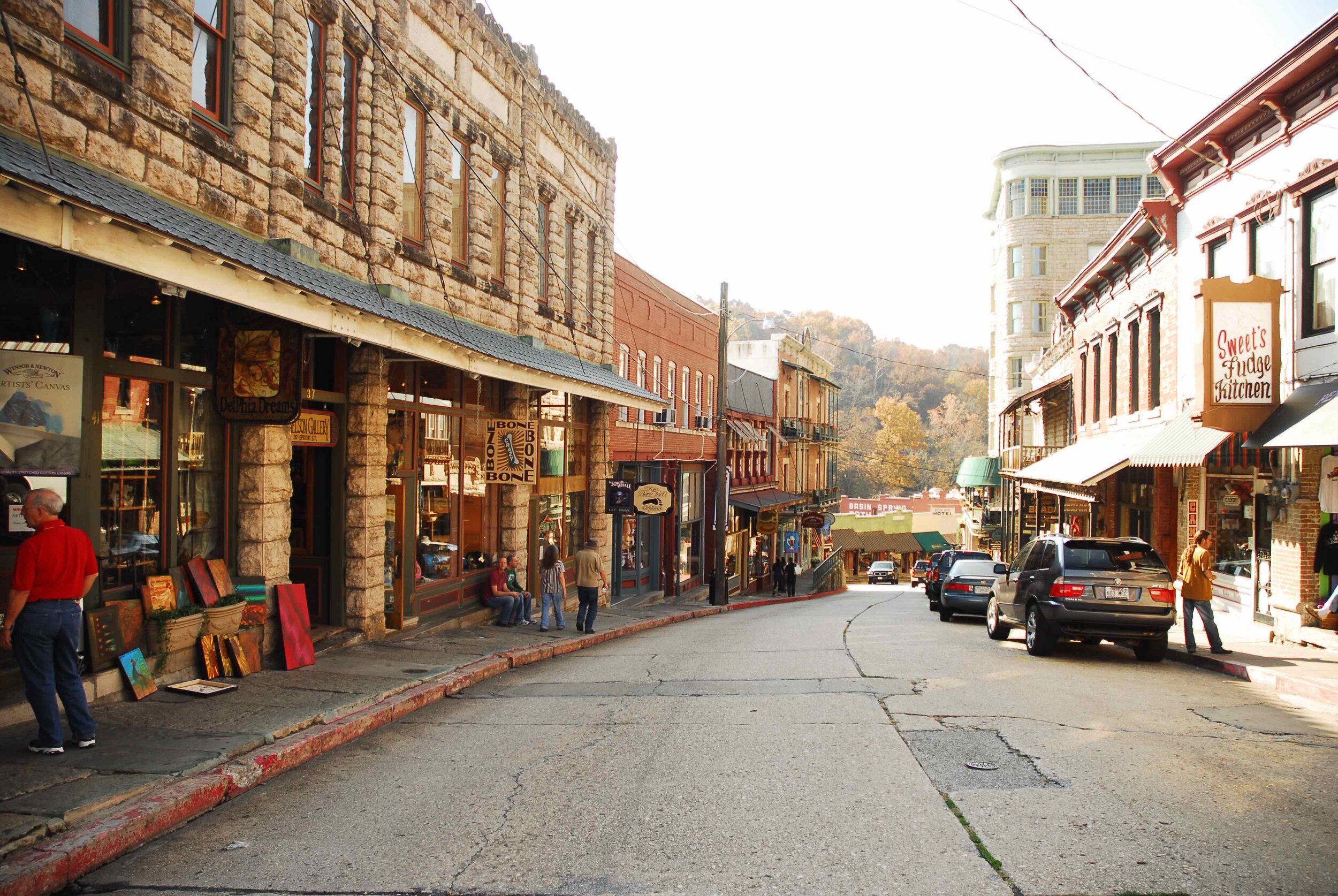
Urban design in tiny towns operates at a human scale that cities often struggle to maintain. Streets are narrower. Buildings are shorter. Public spaces feel more like extensions of daily life than monumental statements.
This scale has psychological effects. People are more likely to walk, to make eye contact, to linger. The built environment reinforces a sense of coherence and continuity. Even modest architecture can feel meaningful when it is woven into everyday experience.
Nature is also closer. Parks are not destinations reached by transit, but backdrops to daily routines. Seasonal changes are more visible, more felt. This proximity to the natural world contributes to well-being in ways that are difficult to quantify but easy to recognize.
Thoughtful tiny towns invest in flexible spaces: libraries that host events, schools that double as community centers, sidewalks that accommodate both commerce and conversation. These multipurpose environments maximize limited resources while strengthening social bonds.
7. Education, Healthcare, and Essential Services
One of the most common concerns about tiny town living is access to essential services. This concern is not unfounded, but it is also evolving.
Education
Small schools can offer personalized attention and strong community involvement. Teachers often know students and families well, creating supportive learning environments. However, course offerings and extracurricular options may be limited.
Technology is again a partial solution. Online classes, virtual exchanges, and shared regional programs can expand educational horizons without requiring physical relocation.
Healthcare
Healthcare access is more uneven. Primary care may be readily available, but specialized services often require travel. Telemedicine has improved this situation significantly, allowing remote consultations and follow-up care.
For residents, the trade-off becomes one of planning rather than constant availability. Preventive care, strong local clinics, and regional cooperation are key.
Infrastructure
Basic infrastructure—water, power, roads—can be robust in tiny towns, but upgrades may be slower. Investment decisions are highly visible and often contentious. The advantage is that residents have a clearer voice in shaping priorities.
8. Culture Without Crowds
Culture is often assumed to require scale: large audiences, big budgets, constant novelty. Tiny towns challenge this assumption.
Cultural life in small communities tends to be participatory rather than consumptive. Instead of attending anonymous events, residents create them. Music nights, art shows, seasonal festivals, and local traditions emerge organically.
While the range of options may be narrower, the depth of engagement is often greater. Artists are neighbors. Performances are conversations. Creativity is woven into daily life rather than confined to specialized districts.
This does not mean isolation from global culture. Digital platforms allow residents to access and contribute to broader creative networks. The difference lies in balance: culture is not something to be chased, but something to be cultivated.
9. Environmental Considerations: Sustainability at a Small Scale
Tiny towns occupy an interesting position in environmental discussions. On one hand, lower density can mean higher per-capita resource use, particularly if residents rely heavily on cars. On the other hand, small scale enables local solutions that are difficult to implement in cities.
Local food systems, renewable energy cooperatives, shared transportation, and community-led conservation efforts are often more feasible when stakeholders know one another. Decision-making is faster, and feedback loops are shorter.
Moreover, tiny towns can act as buffers between urban areas and wilderness, managing land use in ways that preserve ecosystems while supporting human habitation. When thoughtfully designed, they can model sustainable living that is neither hyper-dense nor sprawling.
10. The Risks of Romanticization
Despite their appeal, tiny towns are not utopias. Romanticizing them can lead to disappointment and unintended harm.
Newcomers may underestimate the effort required to build social connections. They may miss the diversity, anonymity, and constant stimulation of urban life. They may struggle with limited services, slower processes, or cultural differences.
There is also the risk of displacement. If an influx of new residents drives up housing prices, long-time community members may be pushed out. Preserving affordability and local character requires proactive policies and ethical choices by individuals.
The healthiest tiny town transitions are those guided by mutual respect: newcomers who arrive with curiosity rather than assumptions, and communities that welcome change without losing their core identity.
11. Tiny Towns as the Middle Path
The rise of tiny towns should not be framed as a rejection of cities, but as part of a broader diversification of living patterns. Different life stages, personalities, and professions benefit from different environments.
Tiny towns offer a middle path between urban intensity and rural isolation. They provide enough structure to support modern life, and enough openness to allow breathing room. For families seeking stability, creatives seeking focus, and professionals seeking balance, this combination can be powerful.
Importantly, the choice is not always permanent. Some people move fluidly between cities and tiny towns over the course of their lives, or maintain ties to both. This flexibility reflects a more nuanced understanding of place as a resource rather than a destiny.
12. The Future: Trend or Transformation?
Is the tiny town resurgence a passing trend, driven by temporary conditions, or a lasting transformation?
The answer likely lies somewhere in between. Certain factors—such as remote work—may fluctuate, but the underlying desire for human-scale living is not new. What is new is the ability to pursue that desire without sacrificing economic and cultural connection.
As cities continue to evolve, they may adopt lessons from tiny towns: prioritizing livability, community, and mental health. Meanwhile, tiny towns will continue to adapt, integrating technology while preserving identity.
Rather than competing, these environments can complement one another, forming a more resilient and diverse human landscape.
Conclusion: A Quiet Redefinition of Success
At its core, the movement toward tiny towns reflects a quiet redefinition of success. Success is no longer measured solely by proximity to power, speed, or spectacle. It is increasingly measured by quality of time, depth of connection, and alignment between values and daily life.
Tiny towns offer no guarantees. They require patience, participation, and humility. But for those willing to engage with their scale and complexity, they offer something rare in the modern world: a chance to live deliberately, without withdrawing from the world.
So, are tiny towns the next urban escape? Perhaps. But more accurately, they are becoming something even more interesting: not an escape from modernity, but a thoughtful remix of it—one where progress is measured not just by growth, but by how well a place allows people to live.