





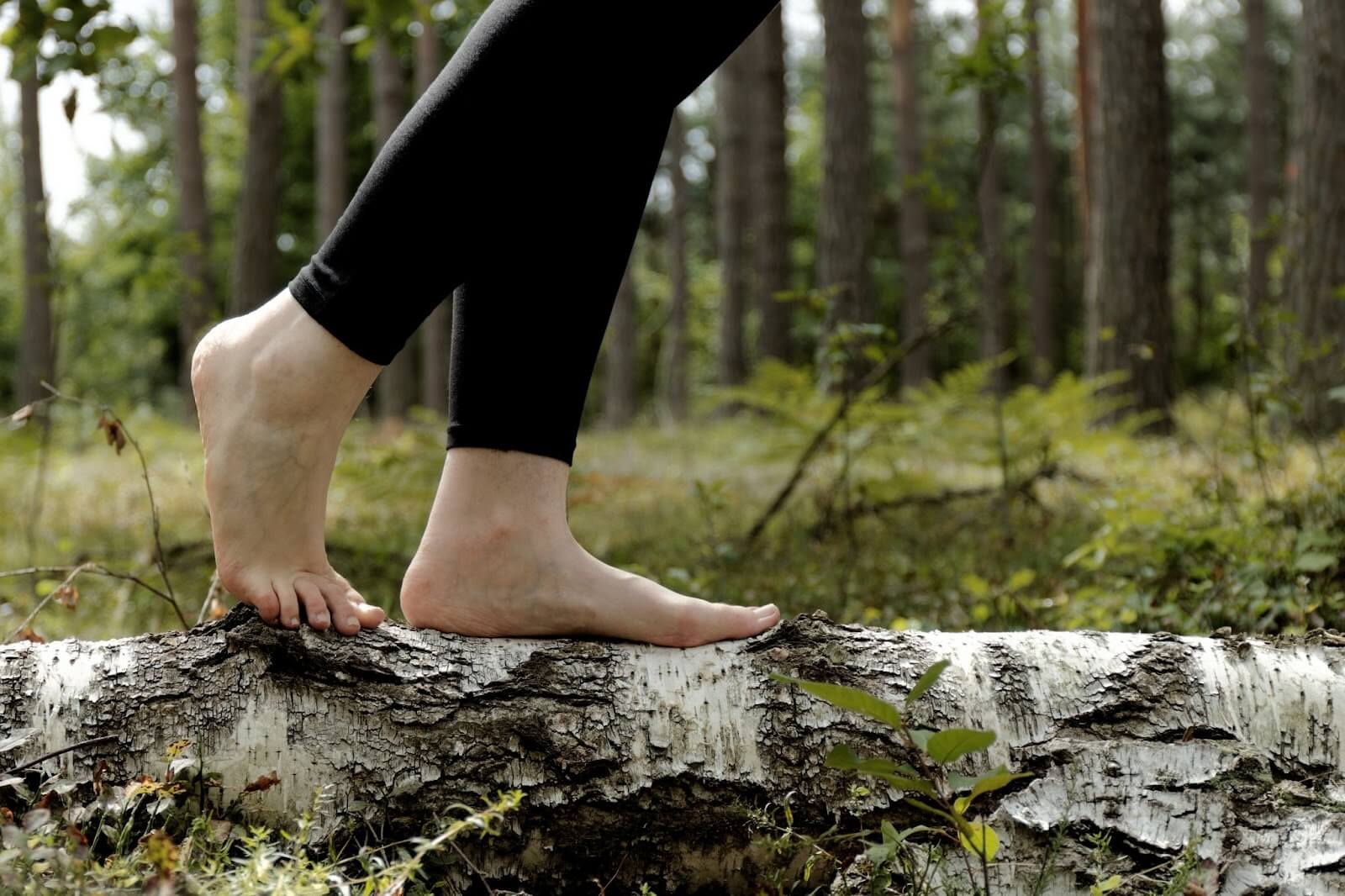

Walking is something most of us do without thinking. We step out of bed, shuffle to the kitchen, pace through our day, and return home with little awareness of how our feet meet the ground. Shoes cushion, elevate, narrow, and reshape our interaction with the earth so completely that the foot—one of the most complex structures in the human body—often becomes an afterthought. Yet in recent years, a deceptively simple question has captured the attention of athletes, physical therapists, movement scientists, and everyday walkers alike: could walking barefoot change your body alignment?
At first glance, the idea sounds almost too basic. How could removing footwear influence posture, joint mechanics, or even spinal alignment? But the human body is an interconnected system. What happens at the feet rarely stays at the feet. To understand whether barefoot walking can truly influence alignment, we need to explore anatomy, biomechanics, sensory feedback, movement habits, and the modern environments in which our bodies now live.
This article takes a deep but engaging dive into the science and practical realities of barefoot walking. We will explore how the feet evolved, how shoes alter natural movement, how barefoot walking affects posture and alignment from the ground up, and why the answer is neither a simple yes nor a universal solution. Along the way, we’ll uncover why something as ordinary as walking without shoes can feel so unfamiliar—and why that unfamiliarity might be exactly the point.
1. The Foot: A Masterpiece of Natural Engineering
The human foot is often underestimated. It contains 26 bones, 33 joints, and more than 100 muscles, tendons, and ligaments, all designed to work together in a finely tuned system. This structure allows the foot to absorb shock, adapt to uneven surfaces, store and release elastic energy, and provide a stable base for the rest of the body.
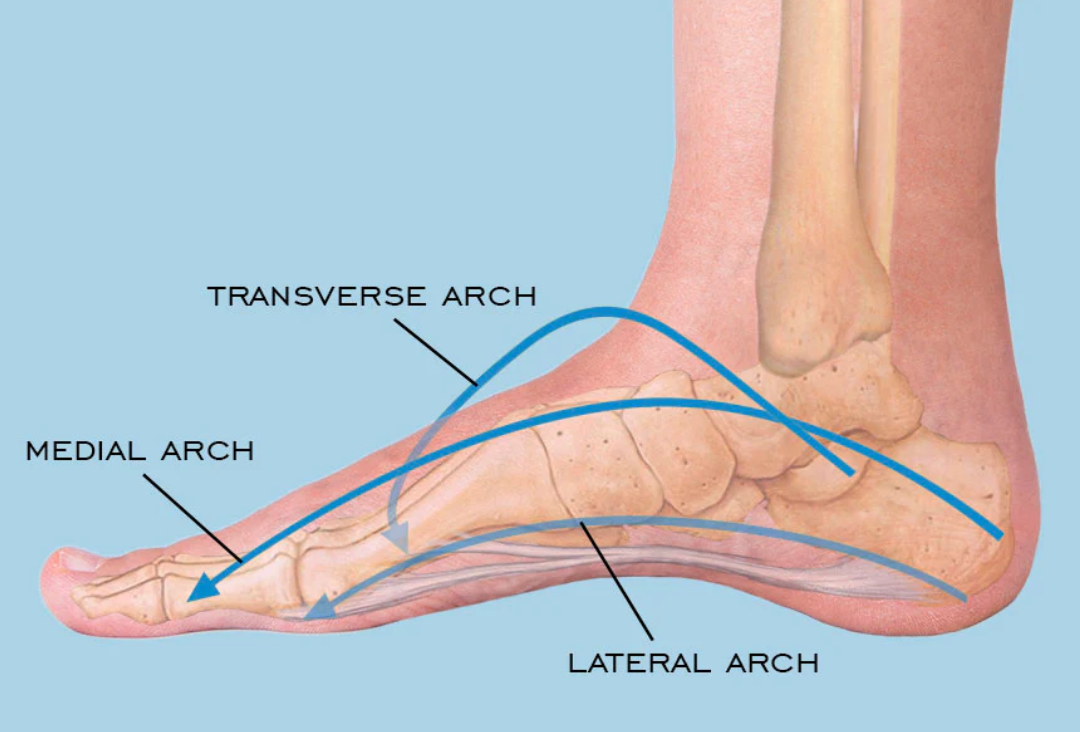
The Arches: Not Just for Support
Most people are taught that foot arches exist mainly to support body weight. In reality, arches act more like dynamic springs. As you step forward, the arch compresses slightly, storing energy. As you push off, it recoils, contributing to efficient movement.
When footwear artificially supports the arch at all times, the intrinsic foot muscles may become less active. Over time, this can reduce the foot’s ability to adapt naturally to load and terrain.
Sensory Richness Underfoot
The soles of the feet are densely packed with sensory receptors. These receptors provide continuous information about pressure, texture, temperature, and movement. This sensory input is essential for balance and coordination.
Shoes—especially those with thick soles—dampen this feedback. Barefoot walking restores it, allowing the nervous system to respond more precisely to how the body is positioned in space.
2. Alignment: What Does It Really Mean?
Before we connect barefoot walking to alignment, it’s important to define what “body alignment” actually is.
Alignment refers to the relative positioning of body segments—feet, ankles, knees, hips, pelvis, spine, shoulders, and head—during standing and movement. Good alignment doesn’t mean rigid posture or perfect symmetry. Instead, it means that joints are stacked and moving in ways that distribute forces efficiently.
Alignment Is Dynamic, Not Static
One of the biggest misconceptions about alignment is that it’s something you “hold.” In reality, alignment constantly changes as you move. Walking alignment involves coordinated motion from the ground upward:
- The foot contacts the ground
- The ankle adapts and stabilizes
- The knee tracks forward
- The hip rotates and extends
- The pelvis shifts
- The spine counter-rotates
- The head stays balanced over the body
Any disruption at the base can ripple upward.
3. Shoes and Modern Movement Patterns
Modern shoes are marvels of technology, but they are not neutral. Design choices—heel height, cushioning, toe shape, and stiffness—can subtly or significantly influence how we move.
Elevated Heels and Forward Shift
Many everyday shoes elevate the heel, even if only slightly. This shifts the body’s center of mass forward. To compensate, the pelvis may tilt, the lumbar spine may increase its curve, and the head may drift forward.
Over time, these compensations can become habitual.
Narrow Toe Boxes and Toe Function
A narrow toe box squeezes the toes together, limiting their ability to spread and stabilize. The big toe, in particular, plays a critical role in propulsion. When its function is restricted, other joints may absorb extra stress.
Cushioning and Impact Strategy
Highly cushioned shoes can encourage heavier heel striking during walking. While cushioning reduces immediate impact sensation, it may also reduce the body’s natural shock-absorbing strategies, such as ankle and knee flexion.
Barefoot walking tends to promote gentler foot placement and more active control.
4. What Changes When You Walk Barefoot?
Removing shoes immediately changes how the foot interacts with the ground. These changes can influence alignment in several key ways.
Increased Foot Awareness
Without a thick sole, the foot becomes more sensitive. This heightened awareness often leads to:
- Shorter steps
- Slower pace
- Softer landings
- More deliberate foot placement
These adjustments can reduce abrupt forces traveling up the body.
Natural Foot Splay and Stability
Barefoot walking allows the toes to spread naturally during stance. This widens the base of support and enhances stability. A more stable base can improve alignment up the chain, especially at the knees and hips.
Ankle and Calf Engagement
Shoes often limit ankle movement. Barefoot walking encourages greater ankle mobility and calf engagement, which can improve lower-leg alignment and balance.
5. The Kinetic Chain: From Feet to Spine
The body functions as a kinetic chain, meaning each segment influences the next. When barefoot walking changes how the foot behaves, those changes can cascade upward.
Knees: Tracking and Rotation
Foot position affects knee alignment. Excessive inward collapse of the foot can encourage the knee to move inward as well. Barefoot walking may reduce this tendency by strengthening foot muscles and improving sensory feedback.
Hips and Pelvis: Subtle but Significant
As foot mechanics improve, hip rotation during walking may become more symmetrical. This can influence pelvic alignment, especially in people who spend long hours sitting.
Spine and Head Position
Improved lower-body alignment can reduce compensatory tension in the spine. Some people report feeling “taller” or more upright after transitioning to barefoot walking, likely due to more balanced muscular engagement rather than structural change.
6. Posture: Standing Still vs. Moving Well
Much of the posture conversation focuses on standing still: shoulders back, chin tucked, spine straight. But alignment during walking is far more important for daily function.
Barefoot walking encourages postural reflexes—automatic adjustments that keep the body balanced without conscious effort. These reflexes are driven by sensory input from the feet.
When the feet provide clear feedback, the body can organize itself more efficiently.
7. The Nervous System’s Role in Alignment
Alignment is not just mechanical; it is neurological.
Proprioception: The Body’s Internal GPS
Proprioception is the sense of where your body is in space. Barefoot walking enhances proprioceptive input, especially from the feet and ankles.
Better proprioception can lead to:
- Improved balance
- Faster corrective responses
- More coordinated movement
All of these contribute to healthier alignment.
Habit Rewriting Through Sensation
Movement habits are learned patterns stored in the nervous system. Changing sensory input—like removing shoes—can disrupt old habits and encourage new, potentially healthier ones.

8. Barefoot Walking and Muscle Activation
One of the most notable differences between shod and barefoot walking is muscle activation.
Intrinsic Foot Muscles
These small muscles help stabilize the arch and control fine movements. Barefoot walking increases their activity, which can improve foot strength and endurance.
Lower Leg and Hip Muscles
Changes in foot strike and balance demands can alter activation patterns in the calves, hamstrings, and gluteal muscles. This can support better hip alignment and pelvic control.
9. Can Barefoot Walking Correct Alignment Problems?
This is where nuance matters.
Barefoot walking can support better alignment by improving strength, mobility, and sensory awareness. However, it is not a cure-all.
What It Can Help With
- Mild postural habits related to footwear
- Reduced foot strength or mobility
- Poor movement awareness
- Overreliance on passive support
What It Cannot Magically Fix
- Structural differences in bone shape
- Long-standing injuries without rehabilitation
- Severe joint conditions
Alignment is influenced by many factors, including lifestyle, stress, workload, and overall movement variety.
10. Environment Matters: Where You Walk Barefoot
Walking barefoot on soft grass is very different from walking on concrete.
Natural Surfaces
Uneven, compliant surfaces encourage adaptability and muscle engagement. They provide rich sensory input and challenge balance in beneficial ways.
Hard, Artificial Surfaces
While barefoot walking on hard floors can still increase awareness, it may also increase stress if done excessively or without gradual adaptation.
11. The Transition: Why Going Barefoot Feels Hard
Many people try barefoot walking and quickly abandon it due to discomfort. This is not a failure—it’s feedback.
Deconditioned Feet
Feet that have been supported for years may lack strength and tolerance. Gradual exposure is essential.
Calf and Achilles Adaptation
Barefoot walking often increases calf and Achilles tendon load. Sudden changes can cause soreness.
Alignment improvements occur over time, not overnight.
12. Minimalism vs. Barefoot: A Practical Middle Ground
Not everyone can or wants to walk fully barefoot. Minimal footwear offers a compromise.
What Minimal Shoes Aim to Do
- Reduce heel elevation
- Allow toe splay
- Increase ground feel
- Encourage natural movement
While not identical to barefoot walking, they can still support alignment-friendly mechanics.
13. Cultural and Evolutionary Perspectives
Humans evolved walking barefoot or with minimal foot coverings. Our feet are shaped by millions of years of adaptation to varied terrain.
Modern shoes are a recent invention. While they provide protection, they also introduce constraints our bodies did not evolve with.
Understanding this context helps explain why barefoot walking can feel both unfamiliar and strangely natural.
14. Alignment Is a Process, Not a Destination
Perhaps the most important insight is this: alignment is not something you “fix.” It is something you continually negotiate through movement.
Barefoot walking is one tool among many. Its value lies not in perfection, but in awareness. By reconnecting with the ground, you give your body information it has been missing.
15. A Balanced Perspective
So, could walking barefoot change your body alignment?
Yes—it can influence alignment, sometimes in subtle ways, sometimes in noticeable ones. It can strengthen the feet, enhance sensory feedback, and encourage more efficient movement patterns. But it works best when approached thoughtfully, gradually, and as part of a broader movement-rich lifestyle.
Barefoot walking is not about rejecting shoes or chasing an ideal posture. It is about restoring a conversation between your body and the ground beneath it. In that conversation, alignment often improves not because you force it to, but because the body remembers how to organize itself.