





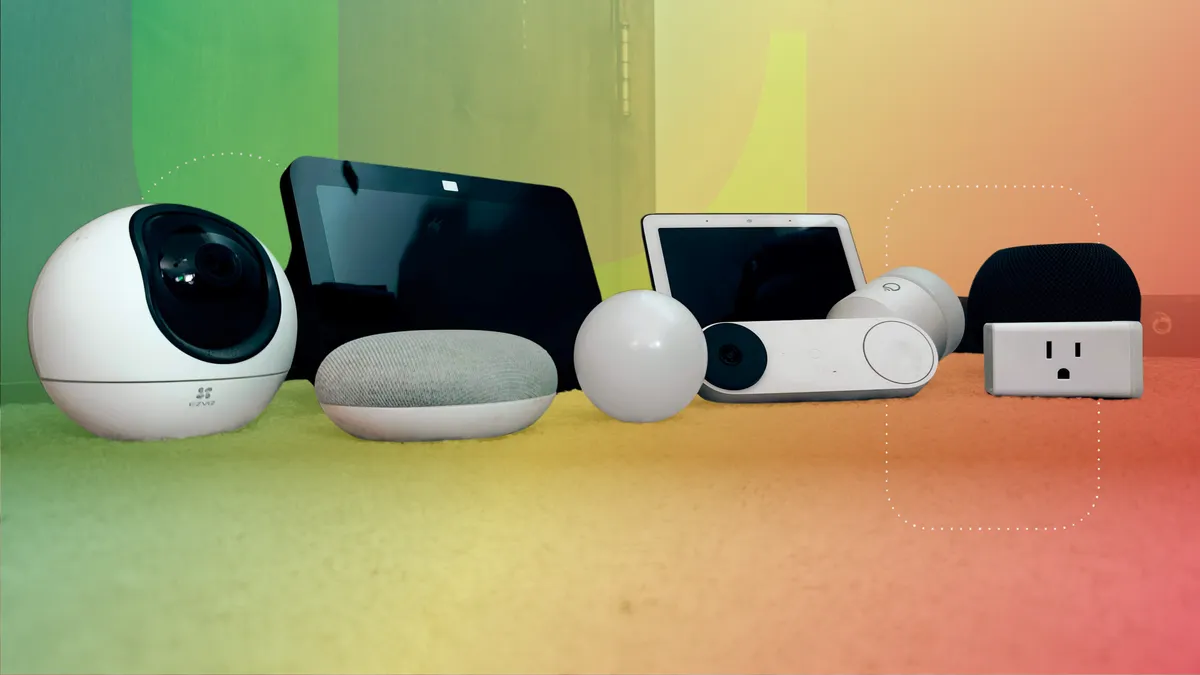

In recent years, the concept of the “smart home” has shifted from a futuristic dream to a living reality. From voice-activated assistants to automated lighting, heating, and security systems, smart home technology promises unparalleled convenience. But amid the marvel of having lights turn on at the sound of your voice and fridges that remind you to buy milk, a pressing question arises: is this convenience turning us into a generation of lazy humans?
This article explores the intersection of smart home technology and human behavior, examining the benefits, potential drawbacks, psychological impacts, and societal implications of living in increasingly automated environments.
The Rise of Smart Home Technology
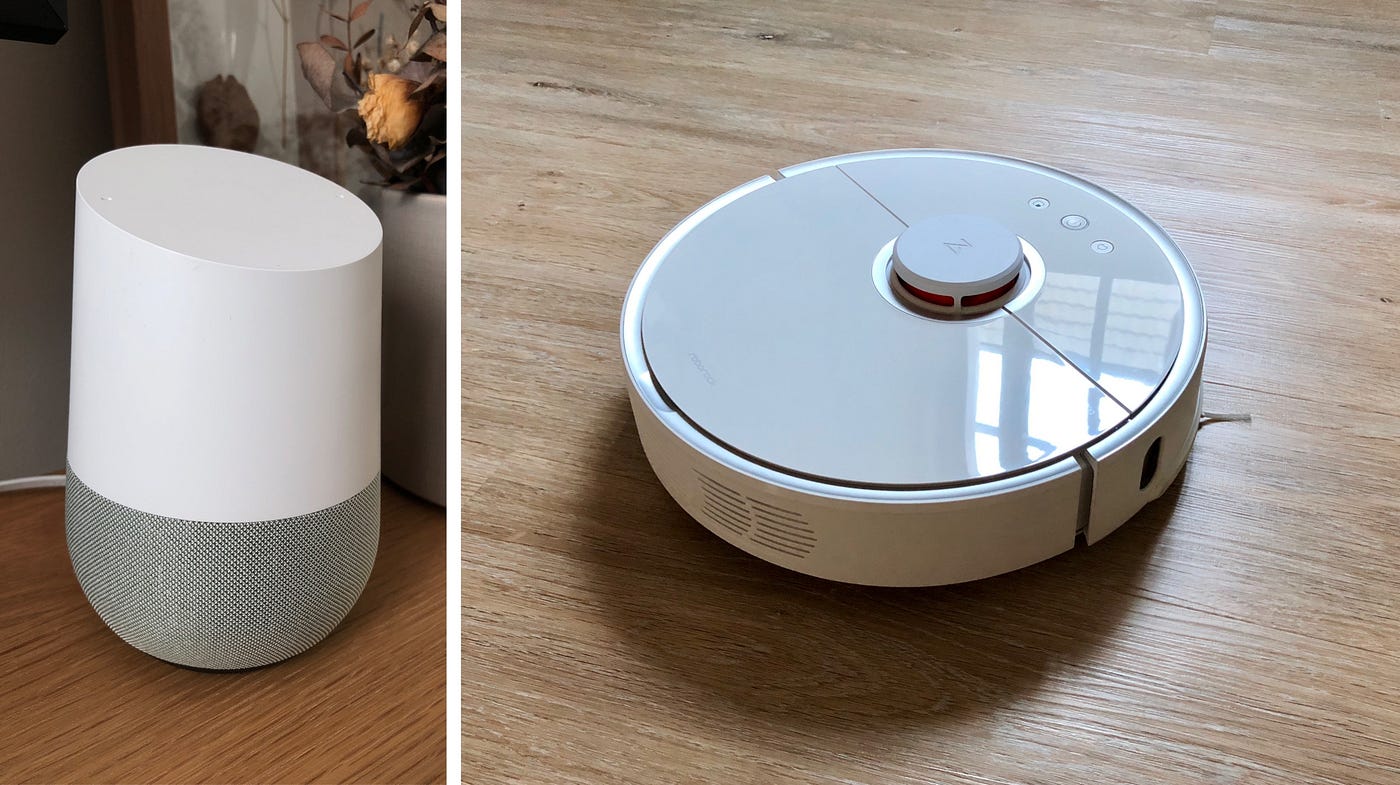
Smart home technology has grown rapidly, fueled by advancements in the Internet of Things (IoT), artificial intelligence (AI), and consumer electronics. Today, smart thermostats, security cameras, robotic vacuum cleaners, intelligent lighting systems, and even voice assistants like Alexa, Google Assistant, and Siri are commonplace.
Convenience as a Driving Force
The primary appeal of smart home devices lies in their convenience. Automation reduces the mental load of repetitive tasks: lights turn off automatically, thermostats adjust to your schedule, and appliances can be monitored remotely. This streamlines daily life, freeing up time and energy for more complex tasks.
From Novelty to Necessity
Initially, smart home gadgets were considered luxury items, but their rapid adoption has transformed them into quasi-essential household components. For many, a home without automation feels less comfortable, highlighting how deeply ingrained these technologies have become in modern living.
The Benefits of Smart Home Automation
Before discussing laziness, it’s important to acknowledge the genuine advantages of smart homes.
1. Energy Efficiency
Smart thermostats and lighting systems can significantly reduce energy consumption. By learning your habits, devices optimize energy use, cutting costs and lowering environmental impact. For instance, a thermostat can reduce heating or cooling when the house is empty, conserving electricity and minimizing carbon footprints.
2. Enhanced Security
Smart locks, surveillance cameras, and motion detectors enhance home security. These systems can provide peace of mind, alerting homeowners to suspicious activity and even allowing remote access to locks or security cameras. Such technologies can reduce the need for constant physical monitoring of the home.
3. Health and Well-being
Automation can support health indirectly. Smart lighting that adjusts to natural circadian rhythms may improve sleep patterns, while smart refrigerators can track food expiry and suggest healthier meal options. Robotic vacuum cleaners and air purifiers reduce allergens, creating healthier living environments.
4. Time Management
Arguably, the most significant benefit is time saved. Tasks that once required conscious effort—turning off lights, adjusting the thermostat, or vacuuming—can now happen automatically. This extra time allows homeowners to focus on work, hobbies, or social interactions.
Is Convenience Breeding Laziness?
The central question remains: as smart homes automate routine tasks, are humans losing essential skills and becoming lazier?
Psychological Perspective
The Role of Effort in Satisfaction
Humans are wired to derive satisfaction from accomplishment. Tasks that require effort, even small ones like cleaning or cooking, provide a sense of agency and control. When smart home technology removes these tasks, it may inadvertently reduce opportunities for satisfaction derived from effort.
Cognitive Offloading
Smart devices encourage cognitive offloading—the process of relying on technology to remember, plan, or execute tasks. While this can reduce stress, it may also decrease memory retention, problem-solving skills, and adaptability. For example, relying on a smart fridge to track groceries may diminish one’s ability to plan meals independently.
Behavioral Perspective
Sedentary Lifestyles
One clear behavioral consequence is reduced physical activity. Robotic vacuum cleaners, automated lawn mowers, and voice-activated appliances reduce opportunities for incidental exercise that traditional household chores provide. Over time, this could contribute to sedentary habits, with potential health implications such as weight gain and decreased cardiovascular fitness.
Decision Fatigue and Over-Reliance
Smart homes can create environments where decision-making becomes passive. When systems preemptively adjust lighting, temperature, or even entertainment, humans may exert less effort in personal decision-making, leading to over-reliance on technology. In extreme cases, people may struggle with basic tasks when technology fails.
Technology as a Mirror of Society
Some argue that technology doesn’t make us lazy—it simply mirrors our existing tendencies. The efficiency offered by smart devices allows us to focus on higher-level goals, rather than mundane chores. But the degree to which laziness develops depends on individual habits, values, and lifestyle choices.
Convenience vs. Responsibility
Smart homes present a paradox: convenience empowers productivity but can also foster dependency. Consider this: the same device that saves time by automating cleaning could also make users less aware of household hygiene, as chores happen passively without personal engagement.
The Evolution of Work at Home
As homes become smarter, the boundary between domestic life and work-life management blurs. Smart devices can reduce friction in multitasking, potentially improving efficiency. However, they may also create a false sense of productivity—tasks are “done,” but skills or physical engagement may not improve.
Social and Cultural Implications

Redefining Domestic Roles
Historically, household chores have been central to family routines and social learning. Children observing parents cooking, cleaning, or managing home logistics gain essential life skills. With automation, these learning opportunities diminish, raising questions about the next generation’s self-sufficiency.
Digital Inequality
Smart homes may exacerbate societal inequalities. Access to advanced technology is often limited by income or geography, creating disparities in convenience, energy efficiency, and even security. Moreover, reliance on automation may unintentionally create a “skills gap” between those accustomed to managing a smart home and those without such exposure.
The Psychological Cost of Perfection
Automation encourages perfectionism in certain contexts. For example, smart lighting, temperature, or cleaning routines may create expectations for an always-optimized environment. While convenient, these high standards can increase stress or dissatisfaction when technology fails.
Finding Balance: Avoiding the Trap of Laziness
Smart home technology is neither inherently good nor bad. The key lies in conscious engagement and balanced usage.
Embrace Automation Strategically
Use smart devices for tasks that truly save time or enhance safety, but avoid outsourcing every chore. For example, allow robotic vacuums to handle floors but still engage in hands-on cooking or gardening for physical activity and skill development.
Cultivate Mindful Interaction
Consciously engaging with technology, rather than passively relying on it, fosters a sense of control. Setting limits—for instance, adjusting lighting manually or setting schedules for automation—can maintain skills and encourage active participation in daily life.
Encourage Skill Retention
For families, encourage children to participate in household tasks even if smart devices exist. Cooking, cleaning, and managing home systems are not just chores—they are life skills that automation should complement, not replace.
Exercise Beyond Automation
Supplement smart home convenience with intentional physical activity. Use fitness trackers, smart home gyms, or schedule exercise breaks to offset sedentary habits encouraged by automation.
Future Trends and Considerations
As AI and automation become more sophisticated, the potential for “laziness by design” may increase. Predictive AI could anticipate human needs so accurately that intervention becomes unnecessary. Imagine a home where the fridge orders groceries, the lights adjust automatically based on mood, and robots clean the house continuously. While impressive, such environments risk eroding fundamental skills and self-reliance.
Ethical Considerations
Smart home companies face ethical questions: how much should technology intervene in daily life? Should devices nudge users toward physical activity or healthier habits, or respect passive preferences? The balance between convenience and human agency will be central to the next generation of smart homes.
Potential Solutions
- Adaptive Automation: Devices that learn not just habits, but also user goals, nudging rather than replacing effort.
- Gamification of Chores: Encouraging physical engagement through game-like incentives linked to home automation.
- Education and Awareness: Promoting knowledge about the effects of automation on health, cognition, and social skills.
Conclusion
Smart home technology has transformed domestic life, offering unmatched convenience, efficiency, and safety. However, this convenience comes with trade-offs: decreased physical activity, reduced skill engagement, and potential cognitive offloading.
Whether smart homes make us lazy ultimately depends on how we interact with technology. By using automation strategically, maintaining active participation in essential tasks, and cultivating awareness of technology’s impact, we can enjoy the benefits without succumbing to dependence.
In the end, smart homes should be tools that empower humans, not crutches that replace effort. The challenge lies in designing and living in homes that enhance our lives while keeping our minds, bodies, and skills active.