





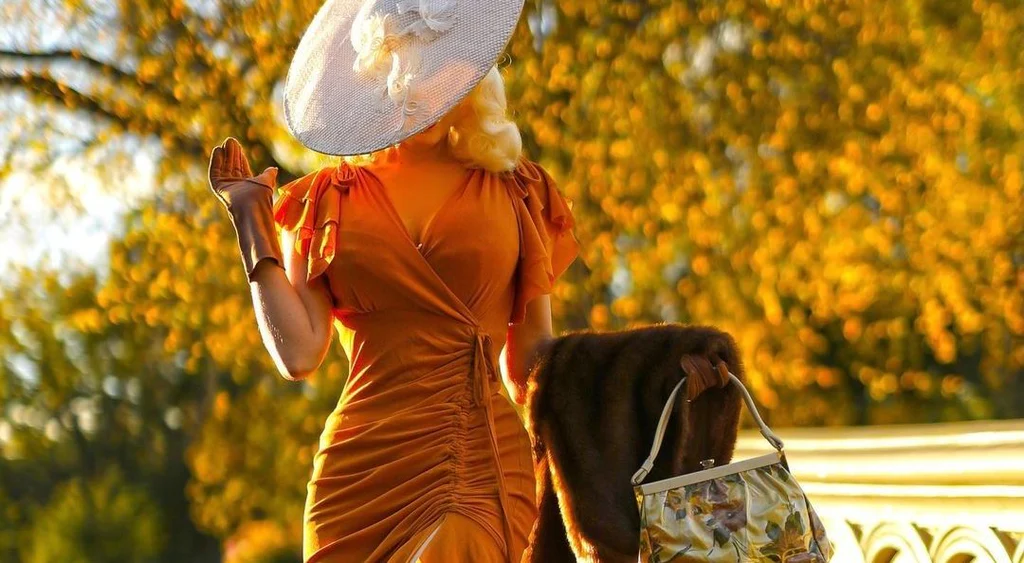

In a world that’s constantly chasing the next trend, it might seem surprising that something as old-fashioned as vintage fashion, retro furniture, and nostalgic design is claiming the spotlight once again. But scratch the surface, and it becomes clear that vintage isn’t just a fad—it’s a cultural statement, a bridge between eras, and a reflection of our desire to reconnect with authenticity in a hyper-digital age. From the bustling streets of Tokyo to boutique stores in New York, vintage aesthetics are not just surviving—they’re thriving. But why is this happening, and what does it say about modern tastes?
The Allure of Nostalgia
Nostalgia is a powerful emotion. Psychologists note that it can evoke feelings of comfort, security, and joy, particularly during times of uncertainty. Vintage styles tap directly into this sentiment. When people wear a 1970s-inspired denim jacket or display mid-century modern furniture in their apartments, they are not just choosing a design—they are selecting a memory, an era, and a story. The aesthetic appeals to a collective yearning for the perceived simplicity of the past. And in a world that constantly moves at breakneck speed, these tangible connections to history provide a much-needed sense of grounding.
Fashion: Revisiting Iconic Eras
Fashion is perhaps the most visible arena where vintage is making a comeback. Designers are mining archives from decades past, reintroducing patterns, fabrics, and silhouettes that once defined iconic eras. The 1960s mod style, with its bold geometric prints and mini skirts, has resurfaced on contemporary runways. The 1980s power dressing, characterized by oversized blazers and shoulder pads, is being reimagined with modern cuts and materials. Even the grunge aesthetic of the 1990s, once considered rebellious, is now seen on high-fashion runways, merged with luxurious fabrics and artisanal craftsmanship.
What makes these styles appealing today is not just their visual charm but their adaptability. A vintage leather jacket can pair seamlessly with modern athleisure; a flared pant from the 1970s can be styled with contemporary crop tops. This mix-and-match approach creates a sense of individuality that fast fashion often lacks. Consumers aren’t just buying clothes—they’re curating stories through their wardrobes.
Interior Design: Mid-Century Modern Revival
Vintage revival isn’t limited to apparel. Interior design has seen a significant resurgence of mid-century modern furniture, Art Deco accents, and industrial-era décor. The sleek lines of a 1950s Eames chair or the geometric patterns of a 1920s Art Deco lamp aren’t just functional—they’re conversation pieces. Designers argue that incorporating vintage elements into contemporary spaces creates depth and character. It is a deliberate contrast to minimalist trends, which sometimes risk feeling sterile or impersonal.
:strip_icc()/living-room-fireplace-room-divider-F1W8ZHgVaB790dw4I-Hrsp-d8dfced747cd46d38cb8a942c746558d.jpg)
Moreover, sustainability has played a crucial role. Many people now view vintage furniture and décor as an eco-friendly alternative to mass-produced items. The appeal of high-quality craftsmanship, combined with the thrill of discovering unique pieces, has made vintage interiors a hallmark of responsible and stylish living.
Music and Pop Culture Influence
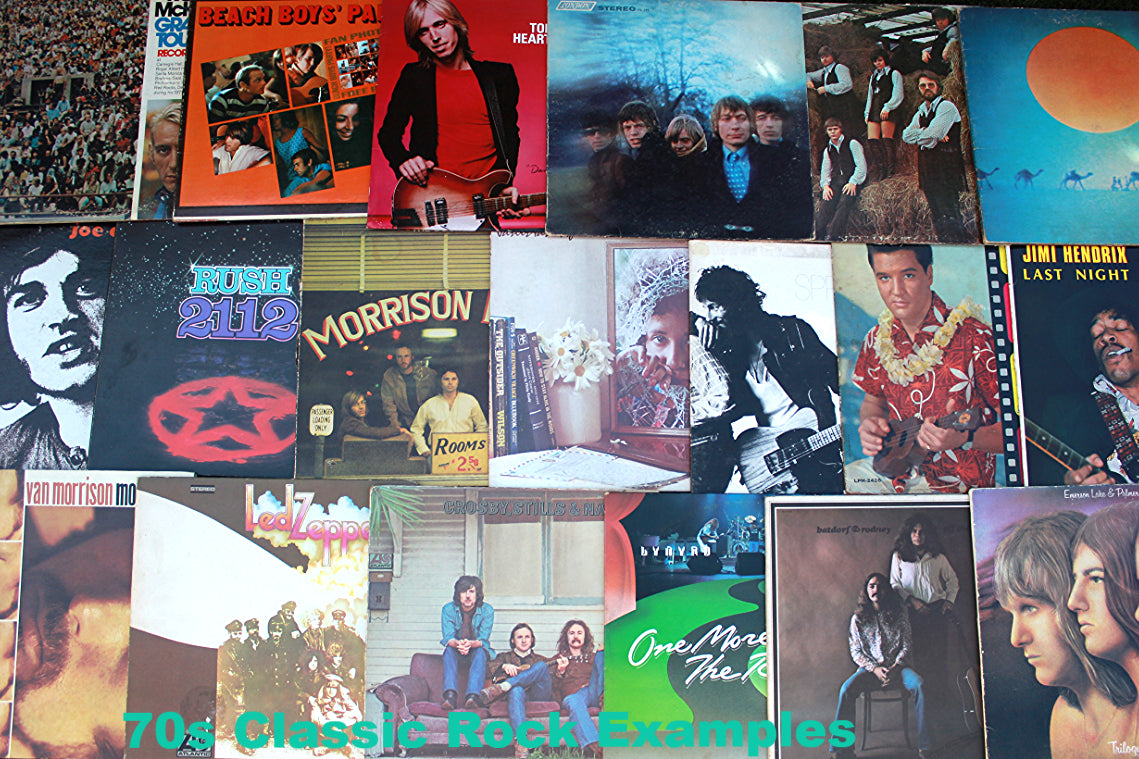
Music and media play an undeniable role in reviving vintage trends. Vinyl records, for instance, have experienced a renaissance, with new releases and reissues attracting both older collectors and younger enthusiasts. The tactile experience of handling a record, the larger album artwork, and the analog sound all contribute to a sense of authenticity missing from digital streams. Similarly, films and television series set in past decades—such as the 1980s or 1970s—spark renewed interest in fashion, hairstyles, and lifestyle habits of those periods.
Celebrities and influencers amplify this effect. When a pop icon wears a vintage Chanel dress to a red carpet event or a TikTok star shows off thrifted outfits from the 1990s, millions of followers are inspired to explore these eras themselves. The result is a cyclical loop: media promotes vintage, audiences embrace it, and designers respond with modern reinterpretations.
Technology Meets Vintage
Interestingly, the rise of technology has not diminished interest in vintage—it has fueled it. Online marketplaces, social media, and apps dedicated to secondhand fashion have made vintage items more accessible than ever. What once required hours of scouring thrift shops or estate sales can now be purchased with a few taps. Augmented reality and AI-powered search tools even allow users to visualize how a vintage item might fit into their modern life before buying it.
Moreover, technology has enabled innovative hybrid products. Retro designs meet smart features—think vintage-inspired radios with Bluetooth connectivity or classic typewriters transformed into USB keyboards. These products satisfy a dual craving: the aesthetic charm of the past and the convenience of the present.
Why Vintage Appeals Across Generations
Vintage is not exclusive to any single demographic. Millennials and Gen Z, often stereotyped as digital natives obsessed with speed and novelty, are surprisingly drawn to retro aesthetics. Psychologists suggest this is partly because vintage offers a tactile, authentic experience in contrast to digital life. Meanwhile, older generations find comfort and pride in reviving the styles of their youth, creating a multigenerational dialogue through design and fashion.
This broad appeal is further reinforced by the growing emphasis on individuality. In a world of mass-produced trends, a vintage item often feels unique. Wearing or owning something with a history signals not just taste, but curiosity, knowledge, and a willingness to diverge from the mainstream.
Economic and Environmental Impacts
Beyond aesthetics, the vintage resurgence has tangible economic and environmental implications. The secondhand market, fueled by thrift stores, online platforms, and vintage boutiques, is booming. Estimates suggest the global resale market could surpass $80 billion within the next few years. This is not merely a niche economy; it is reshaping retail strategies, production practices, and consumer behavior.
Environmentally, vintage consumption promotes circularity. By reusing and repurposing items, individuals reduce waste and demand for new manufacturing. This aligns with broader societal shifts toward sustainable lifestyles, making vintage not only stylish but ethically conscious.
Challenges and Criticisms
Despite its resurgence, vintage is not without challenges. One concern is authenticity. As the market expands, reproductions and “vintage-inspired” items flood the scene, blurring the line between genuine artifacts and modern replicas. Savvy buyers must learn to distinguish craftsmanship, provenance, and materials. There’s also the risk of cultural commodification, where elements of the past are stripped of context and sold purely for aesthetics, sometimes ignoring historical significance.
Moreover, the price barrier can be significant. Truly rare or iconic vintage items command high prices, which may limit accessibility. However, creative solutions, such as upcycling, thrifting, and rental services, are making vintage more attainable for a broader audience.
The Psychology of Style: Why We Crave the Past
Why does vintage feel inherently satisfying? Psychologists argue that style is a form of self-expression and identity construction. Vintage items offer a narrative, a story embedded in their form and function. Wearing or displaying them allows individuals to project a curated version of themselves, one that is informed by history, taste, and personal values.
Additionally, vintage evokes a sense of discovery. Unlike mass-produced modern goods, vintage items are finite and often imperfect, which can heighten emotional attachment. This rarity and uniqueness foster a deeper connection, creating a relationship between the owner and the object that transcends mere consumption.
Looking Ahead: The Future of Vintage in Modern Life
As we move further into the 21st century, vintage is likely to remain a vibrant force in culture. Designers will continue to mine the past, blending eras and styles to create new hybrids. Technology will enhance accessibility and innovation, allowing vintage aesthetics to coexist seamlessly with modern convenience. Meanwhile, environmental awareness and economic factors will sustain interest in secondhand and repurposed goods.
Ultimately, vintage’s appeal lies in its timelessness. While trends come and go, the charm of authenticity, craftsmanship, and storytelling endures. It’s not simply about nostalgia—it’s about embracing continuity, individuality, and a sense of connection to the broader tapestry of history.
Conclusion
Yes, vintage styles are making a modern comeback—but their resurgence is far more than a superficial trend. It is a reflection of society’s desire for authenticity, sustainability, and personal expression. Whether through fashion, interior design, music, or digital hybrids, vintage offers a bridge between eras, a playground for creativity, and a statement of values. In a world dominated by rapid consumption and fleeting digital experiences, the appeal of something with history, character, and soul has never been more powerful. Vintage is not just back—it’s here to stay, evolving with us while reminding us of where we’ve been.