





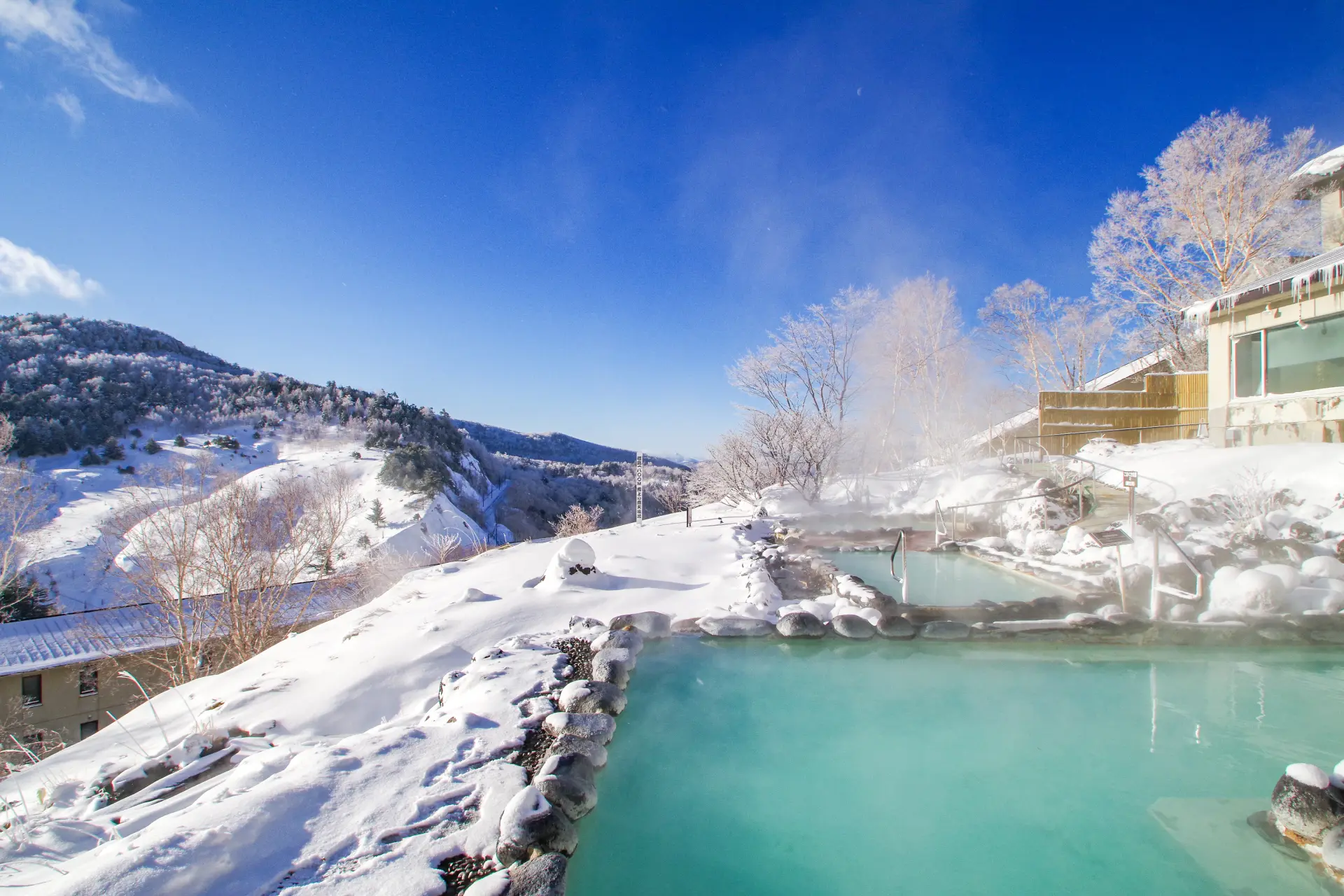

There’s a certain magic in contrasting extremes—the searing heat of a mineral-rich hot spring and the biting chill of freshly fallen snow. Imagine stepping out of a rustic wooden cabin, wrapping yourself in a thick robe, and walking just a few steps to an inviting pool steaming against a white landscape. Could this surreal combination be your dream escape? More than just a vacation, it is an experience that awakens your senses, calms your mind, and reconnects you to the rhythms of nature.
The Allure of Snow-Capped Hot Springs
At first glance, the idea of immersing yourself in steaming water while snowflakes land softly on your shoulders seems almost otherworldly. This paradox—cold and warmth, stillness and movement—creates a unique sensory environment. The warmth of the water instantly relaxes your muscles and joints, while the crisp air invigorates your senses. Your breath forms clouds in the frigid air, and the contrast between your body’s heat and the surrounding cold is exhilarating.
This blend of sensations is not accidental; it is deeply rooted in human psychology. The contrast between extreme temperatures stimulates the nervous system in ways that promote relaxation, reduce stress, and enhance mood. Scientific studies show that immersion in hot water improves circulation, eases tension, and triggers the release of endorphins—the body’s natural feel-good chemicals. When combined with the tranquil beauty of a snowy landscape, these effects are amplified, turning a simple soak into a therapeutic ritual.
Origins and Traditions
Hot springs, also known as onsen in Japan or thermal baths in Europe, have been revered for centuries for their health and spiritual benefits. Cultures across the globe discovered natural geothermal springs and built traditions around them.
- Japan: Onsens are a cornerstone of Japanese culture. Located in volcanic regions, these natural baths are rich in minerals like sulfur, sodium, and calcium. Traditionally, bathing in an onsen is a meditative practice, often accompanied by rituals of cleansing and mindfulness. Snowy onsens, especially in regions like Hokkaido or Nagano, provide stunning winter vistas, creating a harmonious blend of nature and relaxation.
- Iceland: Iceland’s geothermal pools are famous worldwide. Surrounded by dramatic volcanic landscapes and often partially frozen lakes, these hot springs are an iconic part of Icelandic life. The Blue Lagoon, with its milky blue water and silica-rich mud, has become a symbol of wellness tourism.
- Europe: Countries like Hungary and Switzerland have long histories of thermal baths. In Budapest, historic bathhouses combine Roman architecture with mineral waters, offering a luxurious escape even in the dead of winter.
- North America: The Rocky Mountains, Yellowstone, and parts of Canada also boast natural hot springs. Surrounded by snowy forests and mountains, these remote escapes allow visitors to connect with nature in an intimate and rejuvenating way.
These traditions reveal more than just the appeal of warmth—they show a universal understanding that immersing oneself in natural hot springs can harmonize body and mind, especially when paired with the serenity of snow.
The Science Behind the Heat and Cold
The sensation of sitting in hot water while surrounded by snow is more than poetic—it’s physiological. The human body responds to extreme temperature contrasts through several mechanisms:
- Vasodilation and Vasoconstriction: Hot water causes blood vessels to expand (vasodilation), improving circulation and delivering oxygen and nutrients to tissues. Cold air outside triggers vasoconstriction, which can help reduce inflammation and flush out toxins. This alternating stimulus is akin to hydrotherapy, used in rehabilitation and sports medicine.
- Endorphin Release: Immersion in hot water activates the parasympathetic nervous system, inducing relaxation and lowering cortisol levels. Your brain rewards this with endorphin release, creating a natural high.
- Muscle Relaxation: Heat penetrates deeply into muscles, reducing tension, soreness, and stiffness. In cold weather, the juxtaposition of temperature further heightens this effect, making movement feel effortless and invigorating.
- Mindfulness and Stress Reduction: The sensory contrast—steam rising, snow falling, air biting—anchors the mind in the present moment. Unlike any crowded spa, a snow-encased hot spring forces attention outward, toward nature, making meditation almost inevitable.
Planning Your Dream Escape
A snow-bound hot spring retreat requires more than just a bathing suit and adventurous spirit—it demands planning, safety, and a touch of imagination.
Choosing the Right Destination
Not all hot springs are created equal. Some are small, rustic, and private; others are sprawling resorts with luxury facilities. Consider these factors:
- Accessibility: Remote springs offer solitude but may require snowshoes, skis, or even guided tours. Easily accessible ones may be busier but still provide winter charm.
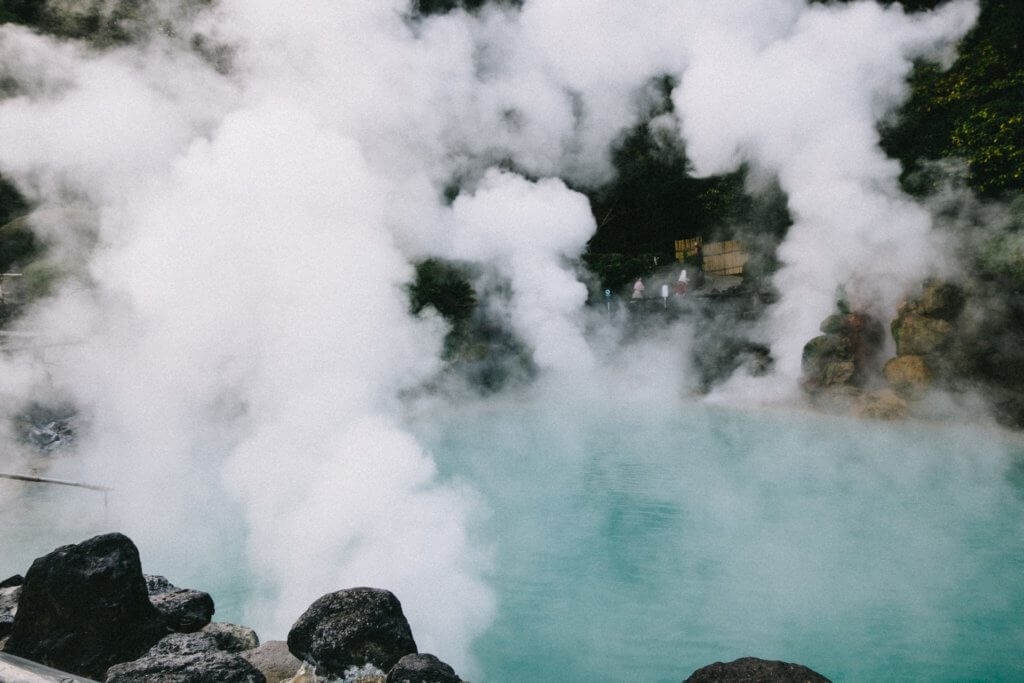
- Water Composition: Different mineral compositions offer varying therapeutic effects. Sulfur-rich waters are excellent for skin and joints, while magnesium or calcium-heavy springs may help with muscle relaxation.
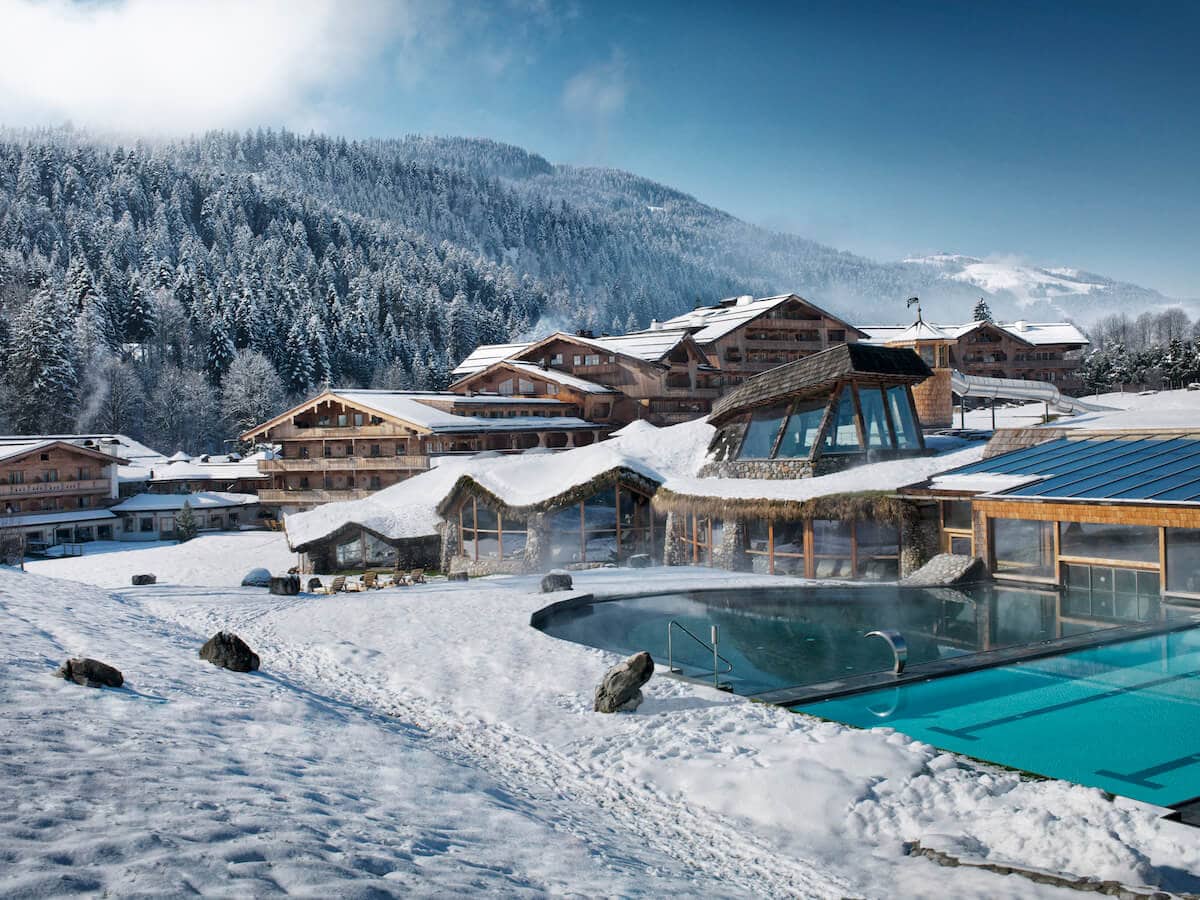
- Accommodation: Cabins with heated floors, private baths, and panoramic windows enhance the experience. Look for lodges that embrace winter aesthetics, with wooden interiors and roaring fireplaces.
Gear and Safety
Even the bravest explorers need proper gear. Thermal layers, waterproof boots, and insulated gloves are essential for moving between accommodations and the spring. A thick robe or towel is non-negotiable for walking in the snow. Safety also matters:
- Never soak for more than 20–30 minutes at a time in extremely hot water.
- Hydrate frequently; hot water combined with cold air can dehydrate faster than expected.
- Check local conditions, as snow can hide slippery surfaces or thin ice near springs.
Timing Matters
Winter months are prime for snowy hot spring experiences, but the ideal timing depends on the region. Early morning dips allow you to witness untouched snow, while evening soaks under starlit skies create a romantic, almost celestial atmosphere. Many travelers combine daylight skiing or hiking with hot spring soaks, maximizing both adventure and relaxation.
Experiencing the Senses
A snow-encased hot spring is a symphony for the senses. Let’s break it down:
- Sight: Sparkling white snow, steam rising from the water, silhouetted trees, and distant mountains create a scene that feels like a living painting. Minimalist design in lodges enhances this visual serenity, keeping the focus on natural beauty.
- Touch: The water’s warmth envelops you, while the cold air kisses exposed skin. The tactile contrast is both soothing and invigorating.
- Sound: Snow dampens noise, creating an almost eerie silence. Occasionally, you hear the crunch of your own footsteps, the distant rush of a stream, or soft whispers of wind through trees.
- Smell: Mineral-rich water often carries earthy, sulfurous, or metallic scents, which combined with crisp pine air, heighten the experience.
- Taste: Not the water itself, but pairing your soak with warm tea, hot chocolate, or local cuisine completes the sensory indulgence.
This multi-sensory experience is rare in everyday life and is part of why snow-bound hot springs feel like an escape from the ordinary.
Connecting with Nature
In modern life, we rarely experience true solitude. Snowy landscapes strip away distractions, leaving you exposed to nature in its raw form. Birds flit through trees, steam rises in unpredictable patterns, and snowfall muffles everything, creating a quiet that is almost sacred.
This connection is more than aesthetic. Immersing oneself in natural environments has been linked to lowered blood pressure, improved mental clarity, and heightened creativity. Being in a hot spring surrounded by snow allows for reflection, mindfulness, and a profound sense of gratitude. Some travelers report a feeling of timelessness—a disconnection from schedules, phones, and urban stress.
Social and Cultural Dimensions
While solitude is valuable, hot springs also foster social connections. Many cultures view communal bathing as a form of bonding. Sharing a mineral-rich soak with friends or strangers—respecting privacy yet engaging in quiet conversation—can deepen social empathy and create lasting memories.
In Japan, the etiquette around onsen emphasizes respect: no loud talking, thorough cleansing before entering, and modesty. Icelandic and European spas have their own social norms, blending relaxation with subtle social interaction. These cultural dimensions add richness to the experience, turning a hot spring into more than just a bath—it becomes a lesson in mindfulness, etiquette, and shared humanity.
Enhancing the Escape
To maximize the dreamlike quality of a snowy hot spring retreat, consider adding complementary elements:
- Winter Activities: Snowshoeing, skiing, or even gentle hiking adds contrast to soaking. Physical exertion followed by warm water creates a satisfying cycle of movement and relaxation.
- Spa Treatments: Many resorts offer mud masks, massages, or aromatherapy alongside hot springs. The mineral-rich environment enhances the effects of these treatments.
- Mindfulness Practices: Yoga, meditation, or journaling in this setting enhances mental clarity and reinforces the restorative benefits.
- Nighttime Soaks: Dipping under a sky full of stars, with the surrounding landscape cloaked in snow, can be transformative. The contrast of icy air and hot water amplifies sensory awareness and leaves lasting impressions.
Sustainability and Respect for Nature
A dream escape must also consider environmental impact. Many hot springs are fragile ecosystems. Visitors should:
- Avoid leaving litter or personal products in natural springs.
- Use eco-friendly soaps or skincare if washing in natural water.
- Respect wildlife and vegetation.
- Support local communities that maintain and protect the springs.
Sustainable travel ensures that these magical spots remain pristine for future generations and maintains the integrity of the natural experience.
Practical Travel Tips
- Book Early: Winter is peak season in snowy destinations. Accommodations fill quickly.
- Check Accessibility: Heavy snow can block roads or require specialized transportation.
- Pack Wisely: Layers, waterproof gear, and appropriate footwear are essential.
- Hydrate and Snack: Long soaks can be dehydrating; hot drinks and light snacks are helpful.
- Plan Time for Reflection: Don’t overschedule. The best memories come from stillness, soaking, and simply enjoying the scene.
A Transformative Experience
So why might a hot spring in the snow be the ultimate dream escape? It’s the combination of contrasts: warmth and cold, movement and stillness, solitude and subtle social engagement. It’s about engaging your senses fully, reconnecting with nature, and embracing a rhythm of life often lost in modernity.
Few experiences offer such holistic restoration. Your muscles relax, your mind clears, your spirit feels renewed. You leave with more than memories—you leave with a sense of balance, wonder, and appreciation for both simplicity and luxury.
In an era dominated by screens, noise, and schedules, a snow-capped hot spring reminds us that true escape isn’t about luxury alone—it’s about being present, immersed in nature, and feeling fully alive. It’s a retreat, a meditation, and an adventure rolled into one.
Whether you seek solitude, adventure, or a mix of both, the steaming embrace of a snowy hot spring offers something uniquely human: a chance to pause, breathe, and remember what it feels like to be completely, joyfully alive.