





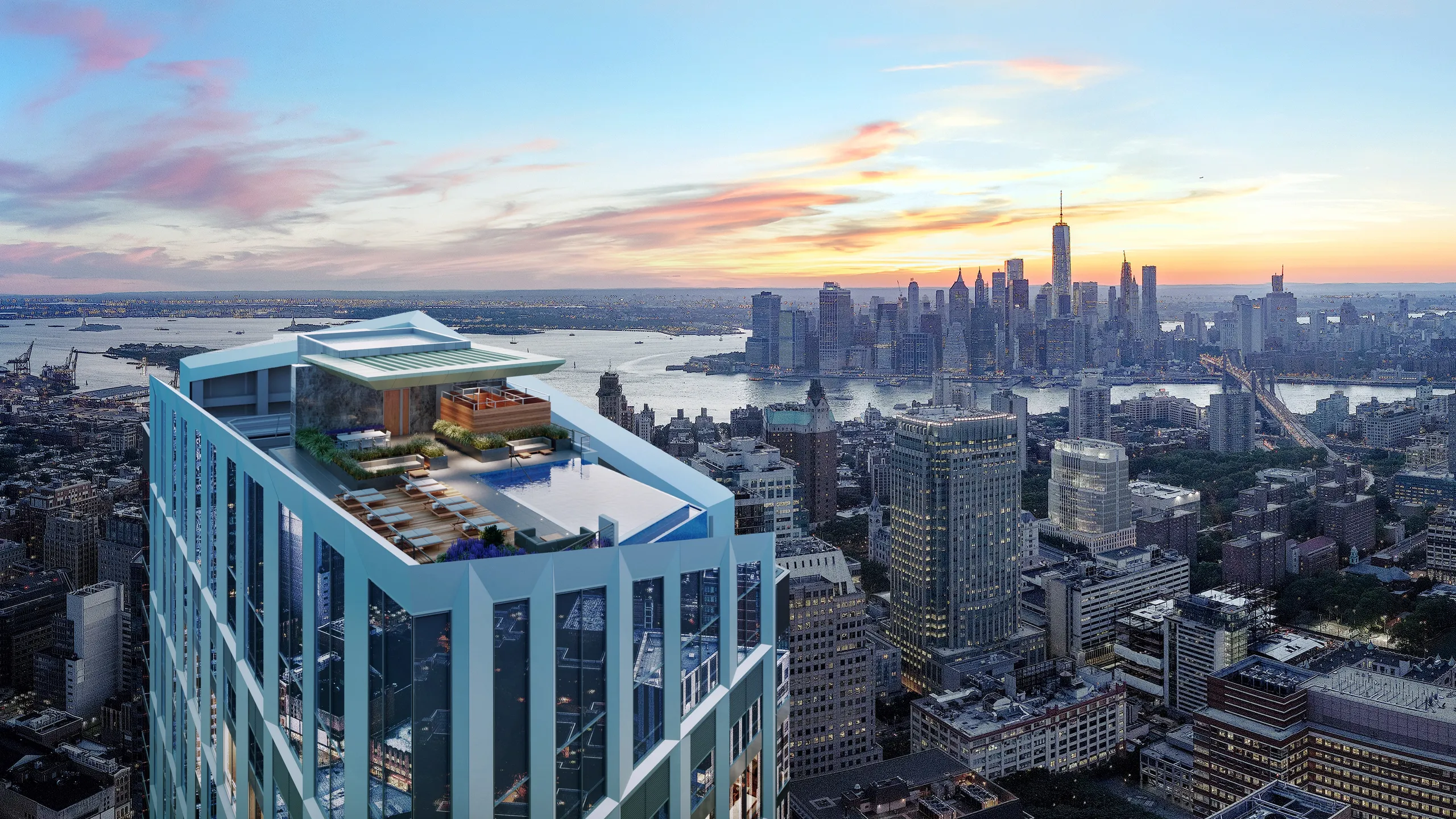

In the age of urbanization, cities can often feel crowded, chaotic, and disconnected from nature. Yet, amidst the concrete and steel, an unexpected oasis can elevate both skyline and spirit: the rooftop pool. These elevated sanctuaries are more than just a luxury—they have the power to redefine urban living. But can they truly make a city feel like heaven? To explore this, we need to dive deep into design, psychology, culture, and the unique sensory experience that rooftop pools offer.
The Allure of Height: Why Elevation Matters
Rooftop pools are a marriage of engineering and aesthetics. Situated atop high-rise buildings, they offer panoramic views that ground-level pools can never replicate. The city, when observed from above, transforms into a living tapestry of movement, lights, and architecture. Streets shrink, traffic becomes a rhythmic pattern, and the skyline stretches infinitely, creating a sense of escape without leaving the urban core.
The psychological effect of height cannot be overstated. Humans are drawn to elevated viewpoints; they provide a sense of mastery over the environment, an instinctual thrill often linked to safety and perspective. A pool at altitude combines this thrill with water—a universally calming element. The result is an elevated experience both physically and mentally, a rare intersection of nature and urbanity.
Water in the Sky: The Sensory Magic
Water is elemental. Its presence alone triggers relaxation and joy. The sound of rippling water masks city noise, creating an oasis of calm. Reflections of sunlight or neon lights off the pool surface amplify visual pleasure, turning ordinary moments into cinematic experiences. The contrast between the fluidity of water and the rigid geometry of buildings is striking, offering an aesthetic paradox that appeals to the human eye.
Touch and temperature are equally important. Water cools the skin, counteracting the heat retained by concrete. Swimming or simply floating in a rooftop pool encourages mindfulness, heightening awareness of body, breath, and surrounding space. The air at elevation tends to be fresher, cleaner, and lighter than ground level, enhancing this sensory engagement. Combined, these factors make a rooftop pool a multisensory haven.
Architectural Ingenuity: Pools as Urban Art
Rooftop pools are not just functional; they are architectural statements. Designers and architects leverage them to blur boundaries between indoors and outdoors, private and public, city and sky. Infinity pools, with edges that seemingly dissolve into the skyline, create a visual illusion of endless space, reinforcing feelings of freedom and serenity. Glass-bottom pools overhang skyscrapers, offering a thrilling transparency that challenges perception.
Innovations in materials, lighting, and landscaping enhance the overall impact. Decks of sustainably sourced wood, LED lighting that shifts with the sunset, and tropical plants that sway in the wind can transform a pool deck into an immersive environment. Each element contributes to a curated experience where design meets emotion—a small paradise in the heart of an urban jungle.
Social Alchemy: Rooftop Pools as Community Hubs
Beyond personal enjoyment, rooftop pools function as social catalysts. They draw together residents, guests, and sometimes the broader public into shared spaces that encourage interaction. Unlike ground-level pools surrounded by walls and barriers, elevated pools have openness, fostering a sense of community without sacrificing intimacy. People gather not only to swim but to socialize, host events, or simply watch the city below in contemplative silence.
The social dynamics are fascinating. A rooftop pool encourages a balance between solitude and connection. Someone can float alone, immersed in thought, yet feel part of a larger narrative as neighbors laugh, sunbathe, or sip cocktails nearby. This duality is rare in urban environments and contributes to the almost “heavenly” quality of these spaces.
Urban Microclimates: Pools as Environmental Enhancers
Rooftop pools can subtly influence city microclimates. Water surfaces absorb heat during the day and release it slowly at night, moderating temperature swings. The presence of greenery around pools, common in modern designs, improves air quality and encourages biodiversity in dense urban areas. Small-scale urban cooling effects make rooftops more pleasant during summer months, improving comfort for residents and visitors alike.
Architects and urban planners increasingly recognize that rooftop pools are more than luxury—they are strategic elements in sustainable design. By combining water, vegetation, and reflective surfaces, pools contribute to energy efficiency and human well-being, transforming high-rise living into a more holistic experience.
Psychological Benefits: Escaping the Grind
City life can be relentless. Rooftop pools offer an antidote to the urban grind. They create a liminal space where stress diminishes and mindfulness rises. Immersing oneself in water at height produces a unique sense of detachment—floating literally above the pressures of street-level life. This escape is both symbolic and practical, allowing residents to recharge mentally without leaving the city.
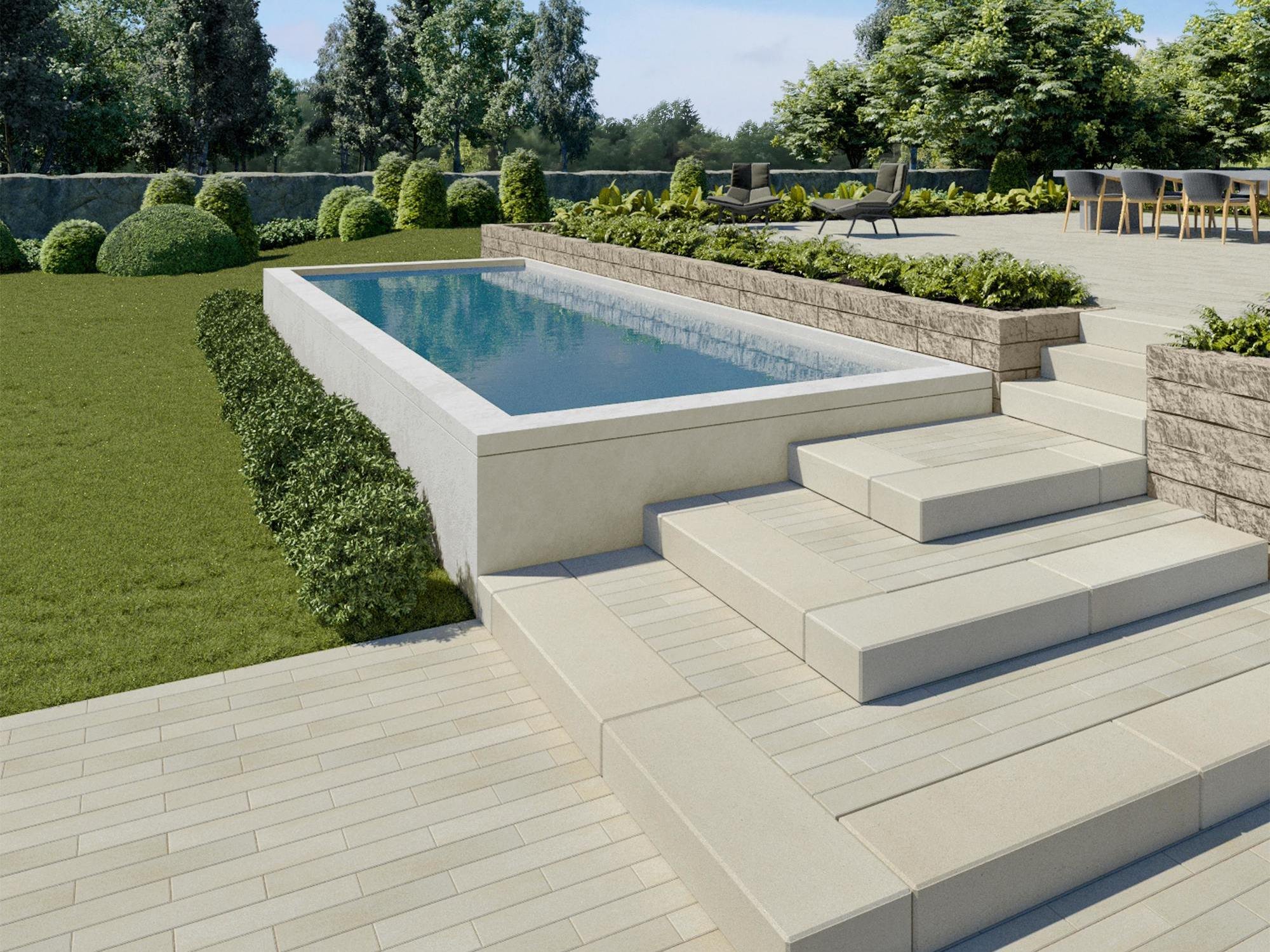
Studies in environmental psychology suggest that access to water and open sky reduces stress, improves mood, and even enhances cognitive function. Rooftop pools combine these elements with aesthetic beauty, creating a potent formula for mental rejuvenation. In essence, they function as urban sanctuaries, offering a slice of serenity otherwise rare in bustling metropolises.
Cultural Symbolism: Status and Identity
Rooftop pools carry cultural significance beyond utility. They are markers of luxury, innovation, and status. Cities with iconic rooftop pools—think Singapore, Dubai, or New York—associate them with aspirational lifestyles, architectural boldness, and cosmopolitan identity. The presence of a rooftop pool signals that a building, hotel, or residential complex is cutting-edge, a place where modern design meets experiential living.
Yet the allure is not purely materialistic. Pools elevate collective imagination. They become destinations, stages for photography, lifestyle marketing, and social media narratives. In doing so, they shape the city’s cultural identity, blending private indulgence with public aspiration.
Case Studies: Cities Transformed by Rooftop Pools
Singapore
Singapore’s skyline glitters with rooftop pools that double as social and environmental infrastructure. Infinity pools at Marina Bay Sands, for example, offer unmatched vistas while setting new standards for urban luxury. The combination of panoramic views, greenery, and sophisticated design has made these pools city symbols, attracting millions of visitors and inspiring local architecture.
Dubai
Dubai’s rooftop pools exemplify spectacle. Built atop soaring towers, these pools fuse extreme height with lavish design. Water features, fire elements, and dramatic lighting create experiences that are both visually stunning and psychologically elevating. For residents and tourists, they offer a sense of otherworldliness—a heaven above a desert city.
New York
New York rooftops have embraced pools as private retreats and social venues. From sleek glass pools on Manhattan skyscrapers to eclectic designs in Brooklyn, these elevated oases allow city dwellers to disconnect while remaining firmly rooted in urban life. They highlight the potential of small urban spaces to offer escape, beauty, and social cohesion.
The Economics of Rooftop Pools
Rooftop pools are not just aesthetic or psychological tools—they are economic assets. For hotels, luxury apartments, and condominiums, pools increase property value, attract clientele, and enhance marketing appeal. A well-designed rooftop pool can transform a property into a landmark, drawing attention both locally and globally.
Operationally, rooftop pools require investment in structural integrity, filtration, and maintenance. Yet, the return is multidimensional: aesthetic, experiential, social, and financial. Developers who integrate rooftop pools into their urban strategy often see a tangible uplift in prestige and profitability.

Design Considerations: Making Heaven Functional
Creating a rooftop pool is more than putting water on a roof. Safety, structural integrity, and accessibility are critical. Engineers must account for load-bearing capacity, wind resistance, and waterproofing. Designers focus on flow, sightlines, and material durability. Landscaping and lighting are curated to maximize the sensory experience. Every element must work in harmony to create a seamless blend of form and function.
Infinity edges, cascading water walls, and transparent floors are just the tip of the iceberg. Modern rooftop pools often integrate smart technology: temperature control, automated cleaning systems, and LED lighting that syncs with music or natural cycles. These innovations enhance user experience while ensuring long-term sustainability.
Future Trends: From Luxury to Lifestyle
Rooftop pools are no longer confined to luxury hotels and high-end residences. Urban planners are exploring their role in public spaces, wellness initiatives, and green infrastructure. Mixed-use developments increasingly incorporate rooftop water features as a communal amenity, blurring lines between exclusivity and accessibility.
Technology will play a growing role: climate-controlled pools, interactive lighting, and augmented reality elements can redefine how we experience rooftop swimming. The integration of renewable energy, recycled water, and vertical greenery will make these pools environmentally responsible without sacrificing elegance. In short, rooftop pools are evolving from indulgence to necessity in the modern city.
The Ultimate Question: Can a Rooftop Pool Make a City Feel Like Heaven?
The answer is nuanced. A rooftop pool alone does not transform a city—it transforms the human experience within that city. By combining height, water, design, and social interaction, rooftop pools create environments where stress melts, beauty amplifies, and imagination soars. They offer perspective, both literally and metaphorically, lifting residents above the mundane realities of urban life.
In cities often criticized for congestion, noise, and impersonal infrastructure, rooftop pools serve as sanctuaries. They remind us that even in the densest metropolises, moments of heaven are possible. Whether viewed from the edge of an infinity pool or while floating beneath a sunset-lit sky, these elevated spaces cultivate serenity, wonder, and connection.
Thus, while a city is defined by streets, skyscrapers, and population, its soul can be reflected in its rooftop pools. They are not just water on concrete—they are portals to peace, imagination, and a fleeting sense of heaven above the everyday.
Conclusion
Rooftop pools represent the intersection of design, psychology, and urban lifestyle. They transform ordinary buildings into extraordinary experiences, offering escape, social engagement, and aesthetic delight. Their impact is both personal and collective, shaping perceptions of the city while nurturing individual well-being.
In a world where urban stress is omnipresent, rooftop pools are more than luxury—they are a blueprint for elevating human experience. From visual spectacle to environmental benefits, they redefine what it means to live above the city. They are a reminder that heaven is not a distant place but can be found on the rooftops we create, where water, sky, and city converge into something transcendent.