







In recent years, plant-based diets have transcended the boundaries of mere food trends and have firmly positioned themselves as a lifestyle choice that intertwines personal health, environmental sustainability, and ethical considerations. While the physical benefits of a plant-based diet—such as lower risks of cardiovascular disease, obesity, and certain cancers—are widely recognized, an intriguing question is gaining attention in both scientific and popular circles: can plant-based diets improve mental health?
Exploring this question requires diving into the intricate connections between nutrition, brain chemistry, gut health, and psychological well-being. The relationship between what we eat and how we feel is multifaceted, and plant-based diets appear to influence mental health through multiple biological, psychological, and social pathways.
The Nutritional Basis for Mental Well-Being
At the core of mental health is the brain, an organ that requires a constant supply of nutrients to function optimally. Neurotransmitters, the chemical messengers that regulate mood, motivation, and cognition, rely on specific nutrients for their synthesis. For example, serotonin, often dubbed the “happiness molecule,” is synthesized from tryptophan, an amino acid found in various plant-based foods like tofu, soy, pumpkin seeds, and oats. Similarly, dopamine, which plays a crucial role in reward and motivation, depends on tyrosine, another amino acid abundantly available in legumes, nuts, and seeds.
Plant-based diets tend to be rich in micronutrients essential for brain health, including B vitamins (especially B6, B12, and folate), magnesium, zinc, iron, and antioxidants like vitamins C and E. Folate, found in dark leafy greens, lentils, and avocados, is particularly significant because it participates in the synthesis of neurotransmitters and helps regulate homocysteine levels, a compound that, in excess, may contribute to depressive symptoms. Magnesium, found in nuts, seeds, and whole grains, supports neuronal plasticity and has been associated with reduced anxiety levels.
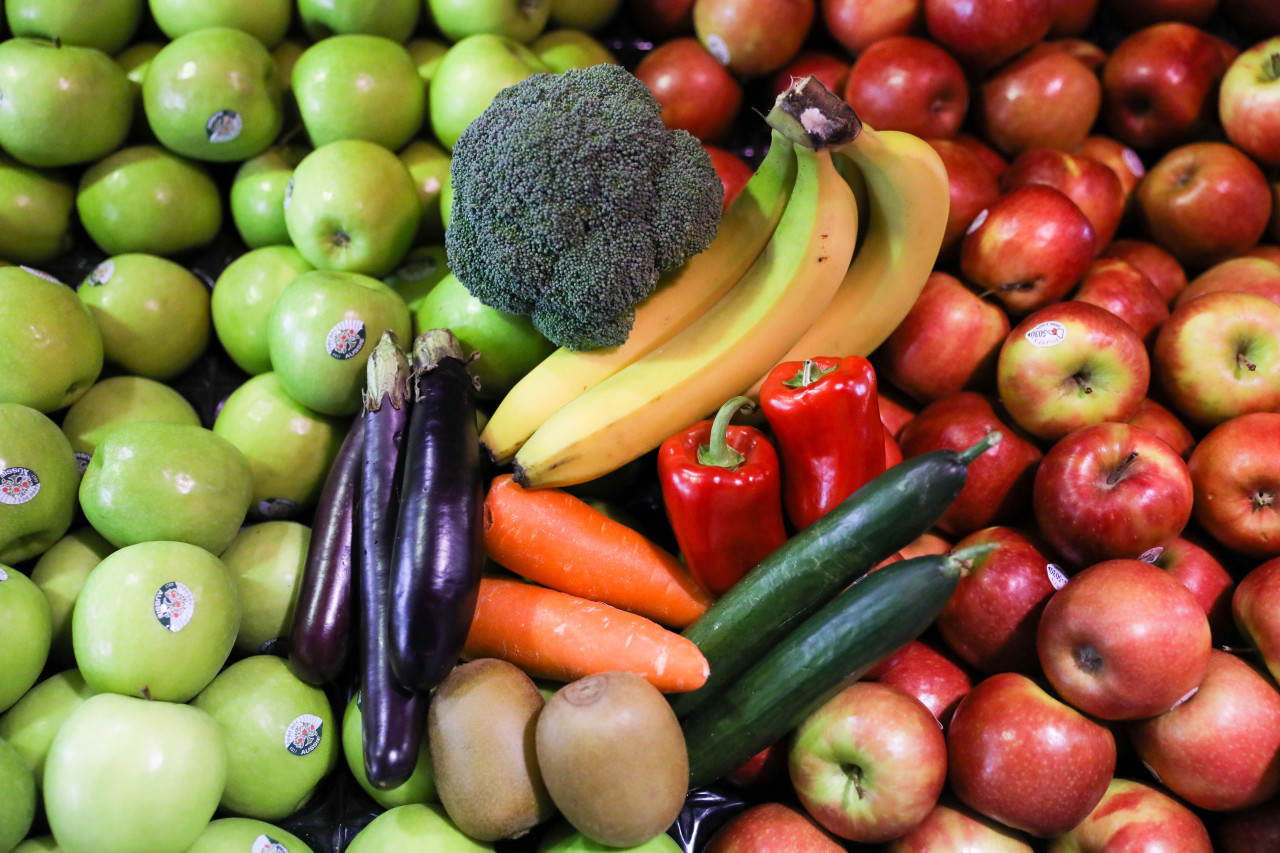
It is noteworthy that plant-based diets also encourage the consumption of whole foods while limiting highly processed items, refined sugars, and saturated fats—all of which have been linked to worsened mood and cognitive decline. Diets high in refined sugar and trans fats can promote systemic inflammation and oxidative stress, both detrimental to brain health. By emphasizing fiber-rich vegetables, fruits, legumes, and whole grains, plant-based diets not only supply essential nutrients but also foster a healthier internal environment for mental resilience.
The Gut-Brain Connection
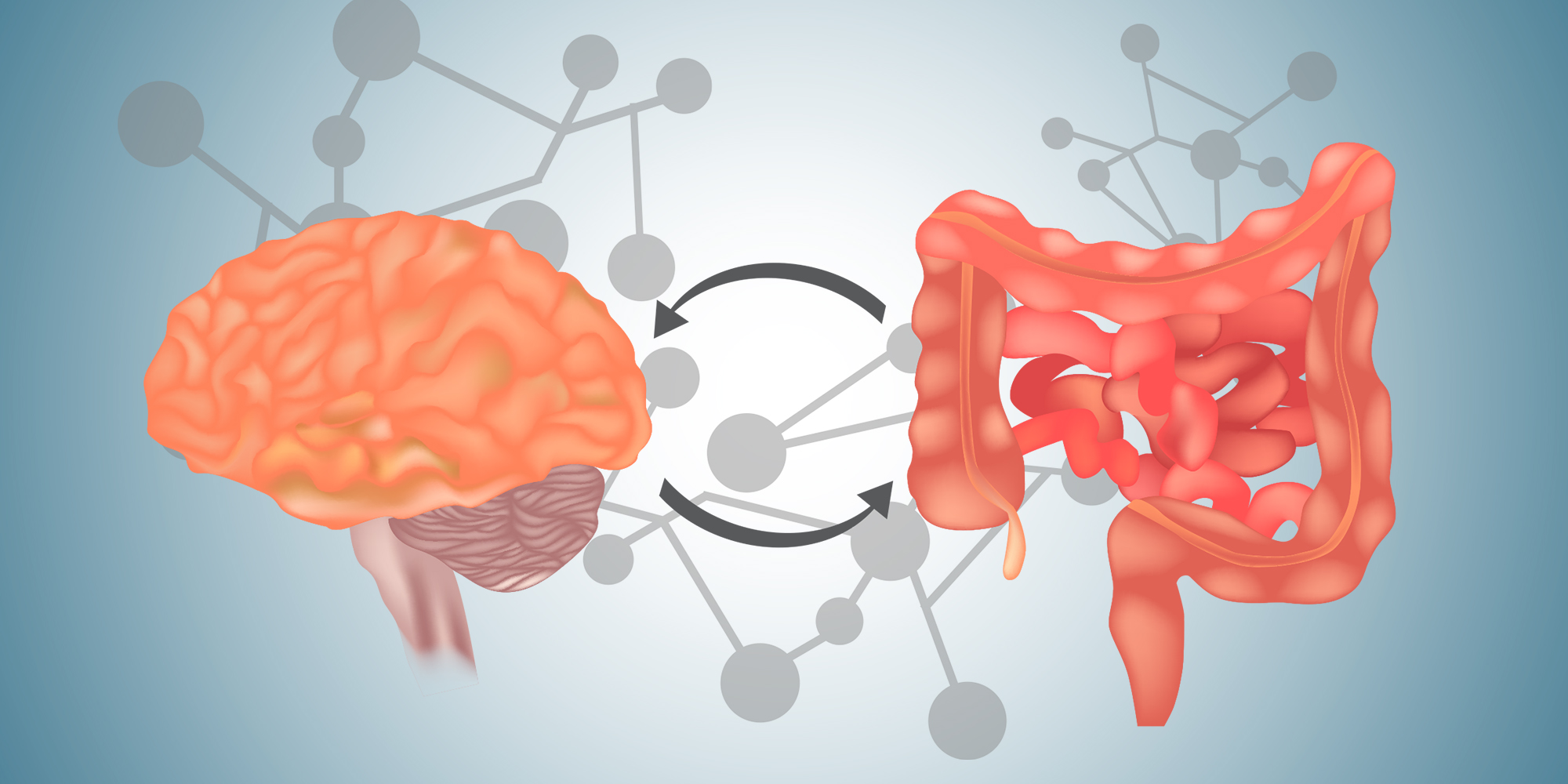
One of the most fascinating frontiers in nutritional psychiatry is the gut-brain axis, the bidirectional communication network between the gastrointestinal tract and the central nervous system. The gut microbiome—the diverse community of bacteria, fungi, and other microorganisms inhabiting our digestive system—plays a crucial role in mental health. Microbial metabolites, such as short-chain fatty acids (SCFAs), influence neurotransmitter production, inflammation, and even the permeability of the blood-brain barrier.
Plant-based diets are naturally high in dietary fiber, which serves as a prebiotic, feeding beneficial gut bacteria and promoting microbial diversity. Fermentable fibers found in foods like beans, lentils, whole grains, and vegetables lead to the production of SCFAs, which have anti-inflammatory properties and help regulate stress responses. Moreover, fermented plant foods such as kimchi, sauerkraut, and tempeh can further enhance gut microbiota balance, indirectly supporting mood regulation and cognitive function.
Emerging evidence suggests that an imbalanced gut microbiome—often resulting from diets high in processed foods and low in fiber—can increase vulnerability to depression, anxiety, and other mood disorders. In contrast, diets rich in plant-based foods appear to cultivate a gut environment conducive to emotional stability.
Antioxidants, Polyphenols, and Neuroprotection
Oxidative stress, caused by an imbalance between free radicals and antioxidants in the body, is a key contributor to neurodegeneration and mood disorders. Plant-based foods are abundant in antioxidants and polyphenols, compounds that neutralize harmful free radicals and protect brain cells from damage. Berries, dark leafy greens, nuts, seeds, tea, and cocoa are all rich sources of polyphenols that may support cognitive function and reduce the risk of depression.
Flavonoids, a class of polyphenols found in fruits, vegetables, and legumes, have been shown to enhance synaptic plasticity—the ability of neurons to form new connections—a critical process for learning, memory, and emotional regulation. For instance, studies on flavonoid-rich foods like blueberries and dark chocolate indicate improvements in mood and cognitive performance, highlighting the potential of plant-based diets to provide neuroprotective benefits beyond mere nutrient intake.
Anti-Inflammatory Potential
Chronic inflammation is increasingly recognized as a significant factor in mood disorders, particularly depression. Inflammatory cytokines can alter neurotransmitter metabolism, disrupt the hypothalamic-pituitary-adrenal (HPA) axis, and impair neuroplasticity. Diets high in saturated fats, processed meats, and refined carbohydrates can exacerbate systemic inflammation, whereas plant-based diets—rich in omega-3 fatty acids from flaxseeds, chia seeds, walnuts, and anti-inflammatory phytonutrients—tend to reduce inflammatory markers.
Additionally, plant-based diets typically lower levels of C-reactive protein (CRP) and other pro-inflammatory cytokines. This anti-inflammatory effect can translate into improved mental health outcomes, supporting emotional resilience and lowering the risk of mood disorders.
Weight, Energy, and Mental Well-Being
While the connection between body weight and mental health is complex, plant-based diets may indirectly benefit psychological well-being by promoting a healthy weight and energy balance. Excess weight and metabolic disorders like insulin resistance are linked to systemic inflammation and hormonal dysregulation, which can affect mood and cognition. By providing nutrient-dense, lower-calorie foods with high satiety, plant-based diets help regulate appetite, maintain stable blood sugar levels, and support energy balance—factors closely tied to mood stability.
Environmental and Ethical Satisfaction
Mental health is influenced not only by biology but also by a sense of purpose, agency, and alignment with personal values. Many individuals adopt plant-based diets for ethical reasons, such as reducing animal suffering, or environmental concerns, such as lowering carbon footprints. Aligning dietary choices with personal values can increase feelings of coherence, satisfaction, and purpose, indirectly enhancing mental well-being. In other words, choosing foods that reflect one’s ethical beliefs can provide a psychological boost, contributing to a more positive self-concept and lower stress levels.
Evidence from Research
The growing field of nutritional psychiatry has begun to explore the relationship between diet patterns and mental health outcomes. Observational studies consistently show that higher intakes of fruits, vegetables, legumes, nuts, and whole grains correlate with lower rates of depression and anxiety. Interventional studies, though more limited, provide promising findings: dietary improvements toward more plant-based, whole-food-focused patterns are associated with reductions in depressive symptoms.
For example, studies examining Mediterranean-style diets—naturally rich in plant-based foods, olive oil, and legumes—have found significant improvements in mood and reduced risk of depressive relapse. Similarly, vegetarian and vegan dietary patterns are often linked to lower perceived stress, better emotional regulation, and improved cognitive function. However, it is important to note that a poorly planned plant-based diet—lacking in vitamin B12, omega-3 fatty acids, or adequate protein—may not confer these mental health benefits and could even lead to deficiencies that negatively impact mood.
Practical Tips for Maximizing Mental Health on a Plant-Based Diet
- Prioritize Variety: Eating a rainbow of vegetables, fruits, grains, and legumes ensures a wide spectrum of nutrients, antioxidants, and phytonutrients that support brain health.
- Include Omega-3 Sources: Flaxseeds, chia seeds, walnuts, and algae-based supplements can provide essential omega-3 fatty acids important for neuronal function.
- Don’t Neglect B12: This vitamin is critical for neurological health and is not naturally abundant in plants. Fortified foods or supplements are often necessary.
- Embrace Fermented Foods: Adding kimchi, tempeh, miso, and sauerkraut can boost gut health, which is closely linked to mood regulation.
- Limit Ultra-Processed Plant-Based Foods: Just because something is vegan doesn’t make it healthy. Avoid overly processed mock meats, sweets, and refined snacks that may spike blood sugar and inflammation.
- Mindful Eating: Eating with awareness and focusing on the enjoyment of whole foods can enhance the psychological benefits of plant-based eating.
Challenges and Considerations
Transitioning to a plant-based diet for mental health should be done thoughtfully. Some individuals may experience temporary challenges such as low energy, difficulty meeting protein needs, or nutrient deficiencies if the diet is not properly balanced. Consulting with a registered dietitian or nutrition professional can ensure that essential nutrients like vitamin B12, iron, zinc, iodine, and omega-3 fatty acids are adequately supplied.
Additionally, mental health is multifactorial. While diet is a powerful tool, it works best in combination with other lifestyle interventions, such as regular physical activity, stress management, sleep optimization, and social connection. Relying solely on diet without addressing other determinants of mental well-being may yield limited results.
Conclusion
Plant-based diets hold significant promise for supporting mental health through multiple pathways: providing essential nutrients for neurotransmitter synthesis, enhancing gut microbiome diversity, reducing inflammation, supplying neuroprotective antioxidants, and aligning with personal values that foster psychological satisfaction. While more long-term clinical trials are needed to establish causality definitively, the convergence of existing evidence suggests that incorporating a variety of nutrient-rich, plant-based foods can be a powerful strategy for improving mood, cognitive function, and overall emotional resilience.
Ultimately, adopting a plant-based diet is not just about abstaining from animal products—it’s about embracing a holistic approach to nourishment that supports the brain, the body, and the mind. For those seeking to enhance their mental well-being through lifestyle changes, turning to plants may offer both tangible biochemical benefits and the intangible satisfaction of living in alignment with one’s values.