





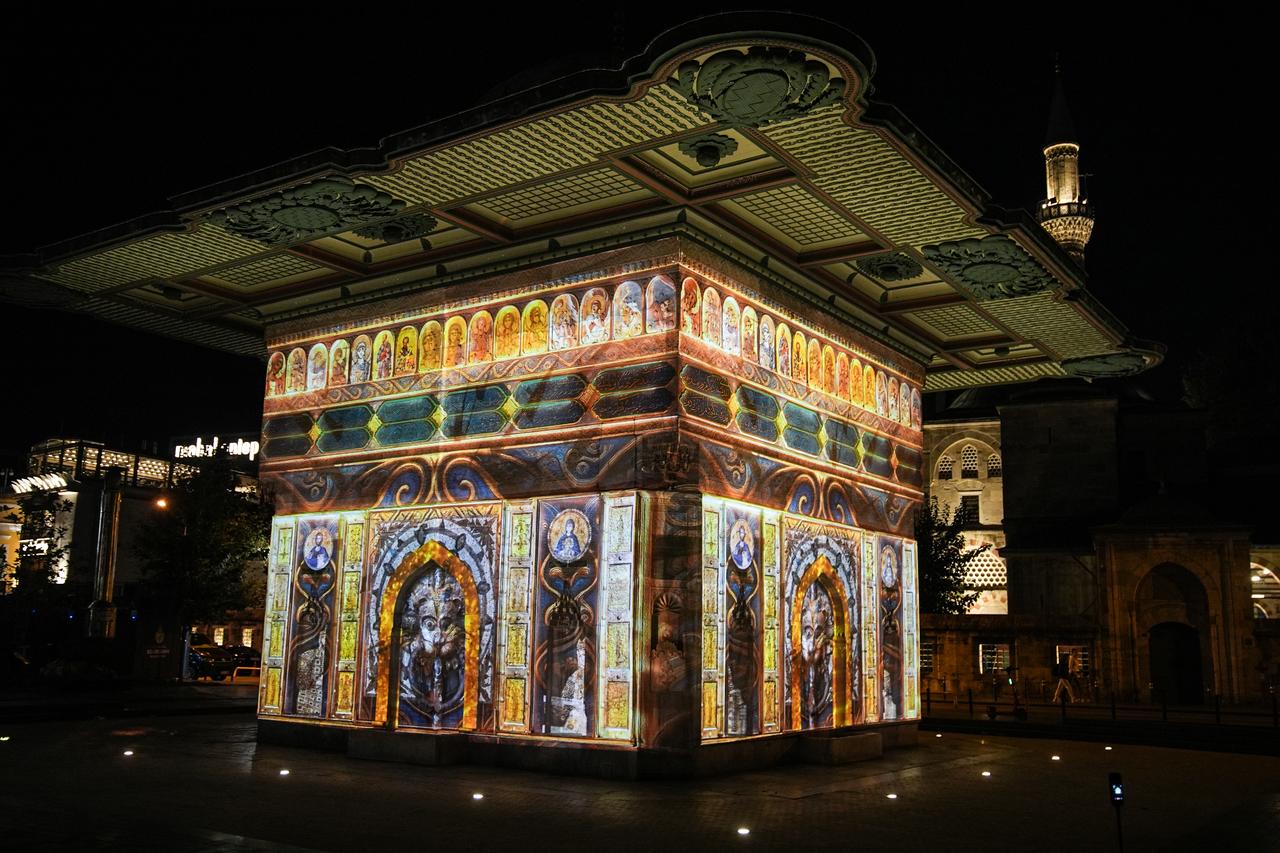

When darkness falls, cities transform. The world of the night is not just an absence of sunlight—it is a canvas for lights, shadows, reflections, and stories. Traditionally, famous landmarks have been the magnets for night-time tourism. Eiffel Tower, Times Square, Tokyo Tower, and the Burj Khalifa are celebrated for their night-time splendor. Their lights are carefully curated, their silhouettes iconic. But in recent years, a new contender has emerged: neon-lit streets. Glowing signs, vibrant billboards, and reflective puddles turn ordinary urban alleys into cinematic experiences. The question arises: can neon-lit streets truly beat famous landmarks at night? The answer lies in understanding the psychology of light, the sociology of urban spaces, the artistry of illumination, and the emotional resonance of urban nocturnes.
1. The Psychology of Nighttime Illumination
Humans have a complex relationship with light. Daylight aligns with our circadian rhythms, regulates mood, and dictates behavior. Night, in contrast, awakens curiosity. In darkness, we are drawn to sources of illumination, seeking both safety and spectacle. Famous landmarks leverage this psychology: spotlights, floodlights, and architectural lighting highlight form and grandeur. The Eiffel Tower sparkles every hour, reminding visitors of its majesty and precision engineering. Such lighting is deliberate, monumental, and awe-inducing.
Neon-lit streets, however, engage a different dimension of the psyche. Neon emits a direct, colorful glow that stimulates visual curiosity. Unlike the structured illumination of landmarks, neon flickers and pulses, creating a dynamic environment that encourages exploration. Psychologists note that irregular, colorful light engages the brain’s reward circuits more than uniform light. Neon streets, therefore, can induce a sense of adventure, making wandering them at night feel like stepping into a storybook or a film noir set.
2. Emotional Resonance: Monuments vs. Streets
Famous landmarks evoke collective emotions. They carry history, cultural symbolism, and the weight of human achievement. The sight of the Taj Mahal under the moonlight can stir awe; the Golden Gate Bridge cloaked in fog evokes a cinematic melancholy. These emotions are grand, universal, and reflective.
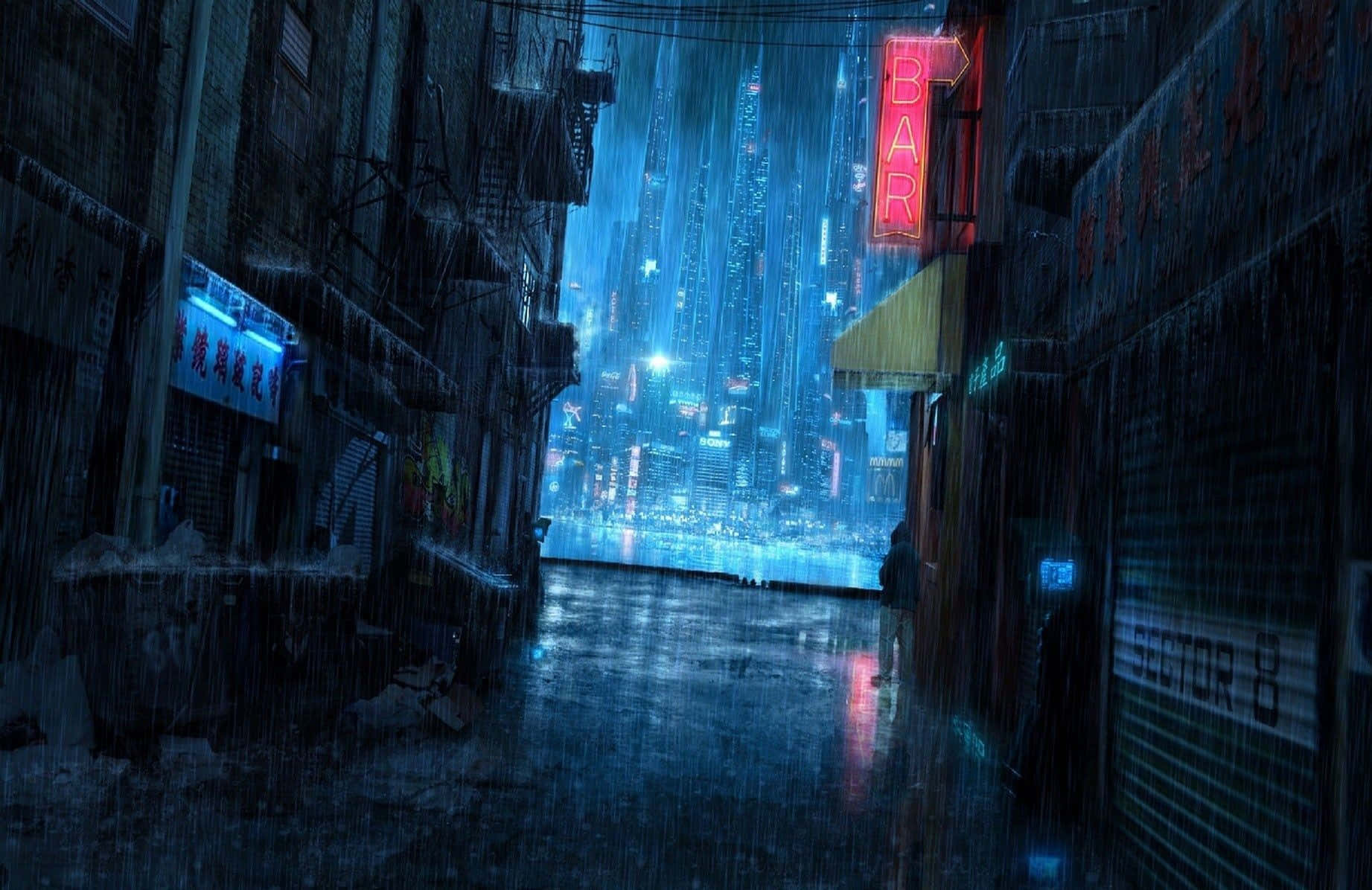
Neon-lit streets, in contrast, evoke personal, intimate, and immediate emotions. A pink neon sign buzzing above a ramen shop, a flickering LED in a rainy alley, or the golden glow reflecting off a wet asphalt evokes curiosity, nostalgia, or excitement. Emotional resonance is not about grandeur here; it’s about engagement. Streets can make individuals feel like protagonists in their own urban adventure. This intimacy gives neon streets a unique edge over landmarks, whose scale can sometimes make visitors feel like passive observers rather than active participants.
3. Cinematic and Photographic Appeal
Instagram culture and photography have reshaped how we value nightscapes. Landmarks are photogenic, certainly, but often predictable. Millions of tourists capture the same angles, the same lighting, the same iconic silhouettes. Over time, even the most famous monuments can feel repetitive to viewers.
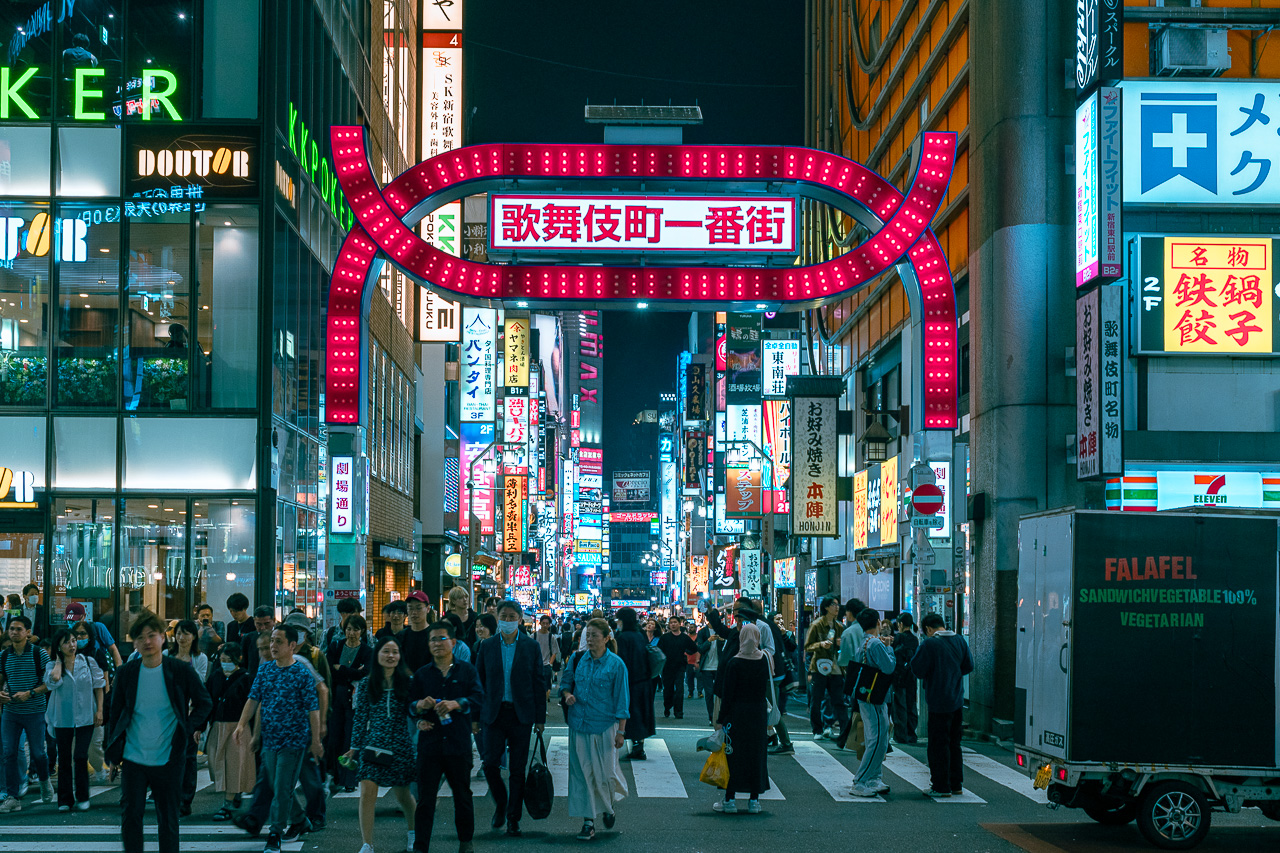
Neon-lit streets offer diversity and unpredictability. Rain-slicked roads reflecting neon lights, hidden alleyways, street vendors under vibrant signs, and passing cars create a constantly evolving tableau. The cinematic appeal of these streets is palpable: cyberpunk aesthetics, noir textures, and high-contrast compositions make neon-lit streets inherently dynamic for photography and videography. For creative minds, neon streets are playgrounds; landmarks are museums.
4. Sociocultural Dynamics
Landmarks represent culture through architecture, history, and design. They are symbols of identity, tourism, and prestige. Neon streets, however, are cultural experiments in real-time. Tokyo’s Shinjuku, Hong Kong’s Mong Kok, and Seoul’s Myeong-dong are living laboratories of urban interaction. They fuse commercial, social, and artistic elements into an ongoing performance.
Neon streets also democratize urban culture. Unlike landmarks, which may require entrance fees or strict visitation rules, neon-lit streets are free, open, and accessible. They thrive on the pulse of city life, offering experiences shaped by local residents, street performers, and impromptu events. The interactivity of neon streets adds layers of meaning absent in static monuments. People feel ownership of the space—they walk, eat, interact, photograph, and even contribute to the street’s narrative.
5. The Role of Technology in Nighttime Spectacle
Lighting technology is a decisive factor. Famous landmarks often rely on sophisticated illumination systems, including spotlights, LED arrays, and projection mapping. These systems highlight form, structure, and aesthetic symmetry. The Burj Khalifa, for example, uses programmable LED lighting to create sweeping visual narratives across its facade, turning architecture into spectacle.
Neon streets, in contrast, embrace imperfection and variability. The glow of neon tubes, the occasional flicker, and the color shifts from multiple sources create a unique, organic, almost living aesthetic. While landmarks showcase control over light, neon streets celebrate unpredictability. Furthermore, the rise of digital neon and smart signage has blurred the line between static and animated illumination, offering even more immersive and responsive nighttime experiences.
6. Safety and Urban Comfort
Safety plays a practical role in the allure of night environments. Well-lit landmarks provide reassurance: people can walk around safely, observe from designated areas, and enjoy a structured environment.
Neon-lit streets, however, are a mixed bag. While they are visually stimulating, the variety in lighting intensity, shadows, and alley configurations can create a sense of risk. Paradoxically, this very risk enhances excitement. Thrill-seekers, urban explorers, and photographers are drawn to the edgy unpredictability. The controlled danger of neon streets contrasts with the predictable safety of landmarks, creating an emotional tension that can make night explorations more memorable.
7. Nighttime Commerce and Lifestyle
Neon streets thrive on nighttime activity. Cafes, bars, arcades, food stalls, and small shops contribute to a sensory overload of smells, sounds, and sights. The lights are not merely aesthetic—they are functional, signaling open venues and guiding pedestrian flow.
Landmarks, by contrast, rarely engage with nightlife commerce in the same intimate way. They are often separated from everyday urban rhythms, functioning as objects of contemplation rather than interaction. Neon streets, therefore, integrate lighting, commerce, and social life into a holistic nocturnal ecosystem, making them vibrant hubs of activity that evolve continuously.
8. Global Examples: Neon Versus Landmarks
8.1 Tokyo, Japan
Tokyo offers a striking comparison. The Tokyo Tower is iconic, beautifully illuminated at night, and draws crowds for its observation decks. Yet, wandering Shinjuku or Akihabara’s neon-lit alleys feels like stepping into another dimension. Street signs in kanji glow in colors that defy daylight perception, arcade sounds merge with reflections on wet asphalt, and human activity creates a living tapestry that surpasses the static grandeur of the tower.
8.2 Hong Kong
Victoria Harbour’s skyline is breathtaking, with skyscrapers like the Bank of China Tower lit in structured, dazzling patterns. But the streets of Mong Kok pulse with neon advertisements, crowded markets, and multi-sensory chaos that captures the essence of the city. Here, neon defines local culture more than distant landmarks.
8.3 New York City
Times Square is both a landmark and a neon spectacle. Its unique blend shows that neon can coexist with iconic architecture. The endless billboards, advertisements, and glowing screens create an urban heartbeat. Tourists are drawn to the lights themselves rather than a single structure, suggesting that neon can indeed rival landmark appeal when executed on a large scale.
9. The Future of Nightscapes
Urban planners and designers increasingly recognize the power of artificial light beyond utility. Neon and LED streetscapes are being integrated into city planning to enhance safety, tourism, and cultural identity. Interactive lighting, color-coded streets, and light festivals transform ordinary streets into temporary landmarks themselves.
Sustainability also factors in. While landmark illumination often consumes enormous energy, neon and LED streets can use energy-efficient systems and solar-powered signage. The environmental impact of nighttime lighting is a growing concern, and cities are innovating to balance spectacle with responsibility.
10. Conclusion: Which Wins?
So, can neon-lit streets beat famous landmarks at night? The answer depends on perspective. Landmarks deliver awe, history, and architectural perfection. Neon streets offer intimacy, interaction, unpredictability, and dynamic visual stimulation. The comparison is not necessarily a contest of quality but a contrast of experience: static versus dynamic, monumental versus intimate, contemplative versus exploratory.
For tourists seeking a controlled, iconic, and awe-inspiring experience, landmarks remain unparalleled. For urban explorers, photographers, and thrill-seekers craving emotional engagement, aesthetic diversity, and participatory adventure, neon-lit streets often win the night. In essence, neon streets do not merely compete with landmarks—they redefine what night-time urban beauty can be.
Ultimately, the night belongs to both the monumental and the ephemeral. One delivers history in light; the other delivers life in glow. Together, they illuminate the limitless possibilities of urban nocturnal magic.