





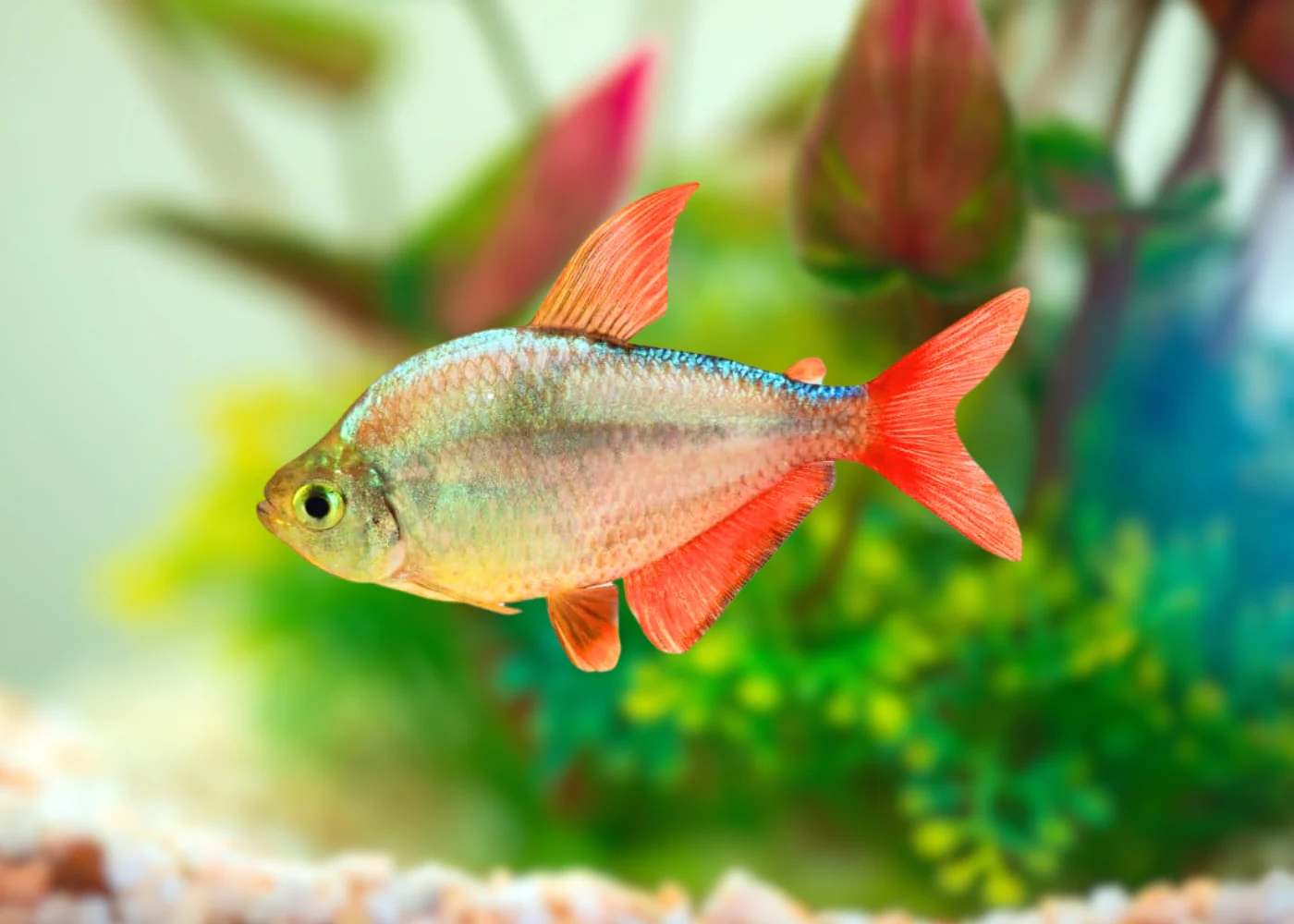

Aquariums have fascinated humans for centuries. From the ornate fish bowls of the Victorian era to today’s high-tech reef tanks, keeping fish has evolved into a blend of art, science, and lifestyle. The rise of aquarium fish guides—both in print and online—has played a huge role in shaping how enthusiasts interact with their aquatic pets. But a pressing question lingers: do these guides encourage responsible care, or do they inadvertently fuel the desire to collect and hoard fish?
Understanding this requires a careful look at the content, design, and philosophy behind fish guides, as well as the psychology of aquarium enthusiasts. In this article, we explore the nuances of these guides, dissect their influence, and reflect on how they shape the balance between collecting and caring.
The Allure of Aquarium Fish Guides
Aquarium fish guides serve a dual purpose. On one hand, they provide practical information: species profiles, water parameters, feeding recommendations, tank size requirements, and compatibility charts. On the other hand, they act as visual stimuli. Glossy photographs of colorful fish, exotic corals, and complex aquascapes are a powerful enticement, triggering the desire to collect more species and emulate those images in one’s own tank.
Many guides highlight species variety extensively. Some feature dozens of types of tetras, cichlids, or marine fish, complete with notes on behavior, diet, and breeding. While this is educational, the sheer abundance of choices can create a “catalog effect,” subtly nudging readers to acquire multiple species—even before they have mastered the basics of fishkeeping.
However, guides also provide indispensable knowledge for responsible hobbyists. Knowing that a certain catfish grows up to 12 inches and requires specific water chemistry can prevent accidental neglect. In that sense, guides can be champions of care. The key is how information is presented: whether it emphasizes preparation, commitment, and welfare—or whether it glamorizes acquisition without context.
The Psychology Behind Fish Collecting
Before diving into the structure of aquarium guides, it’s important to understand the psychology that drives collecting. Fishkeeping, like other hobbies, taps into human desires for control, creativity, and aesthetic satisfaction.
- Visual stimulation: Aquariums are living art. The bright colors, elegant movement, and exotic shapes of fish appeal to our innate attraction to beauty. Guides that emphasize these aspects can amplify the impulse to own them.
- Curiosity and novelty-seeking: Humans are naturally drawn to variety. Guides presenting numerous species with intriguing names—such as Electric Blue Jack Dempsey or Clown Loach—can spark a “must-have” mentality.
- Achievement and mastery: Aquarists often view their tanks as experiments. Guides that detail breeding techniques, tank setups, or advanced water chemistry may encourage experimentation, which can be positive, but also risks overextension if the hobbyist is unprepared.
In essence, collecting is a natural inclination within the hobby. Guides that balance curiosity with caution can channel this instinct toward responsible care. Guides that lean too heavily on aesthetics and rarity risk tipping the scales toward over-collecting.
Anatomy of a Typical Aquarium Fish Guide
To assess whether guides encourage collecting or caring, it helps to examine their common structure. Most aquarium fish guides include the following components:
- Species Profiles:
- Scientific and common names
- Size, lifespan, and natural habitat
- Compatibility with other species
- Diet, feeding schedule, and behavior
- Tank Setup Recommendations:
- Tank size and filtration requirements
- Water chemistry (pH, hardness, temperature)
- Substrate, plants, decorations, and lighting
- Health and Disease Management:
- Signs of common illnesses
- Quarantine procedures
- Preventive measures
- Breeding Information:
- Spawning behavior and tank modifications
- Fry care and feeding
- Breeding challenges and ethical considerations
- Visual Aesthetics:
- High-resolution photos of individual species
- Inspirational tank designs
- Color guides for creating visual harmony
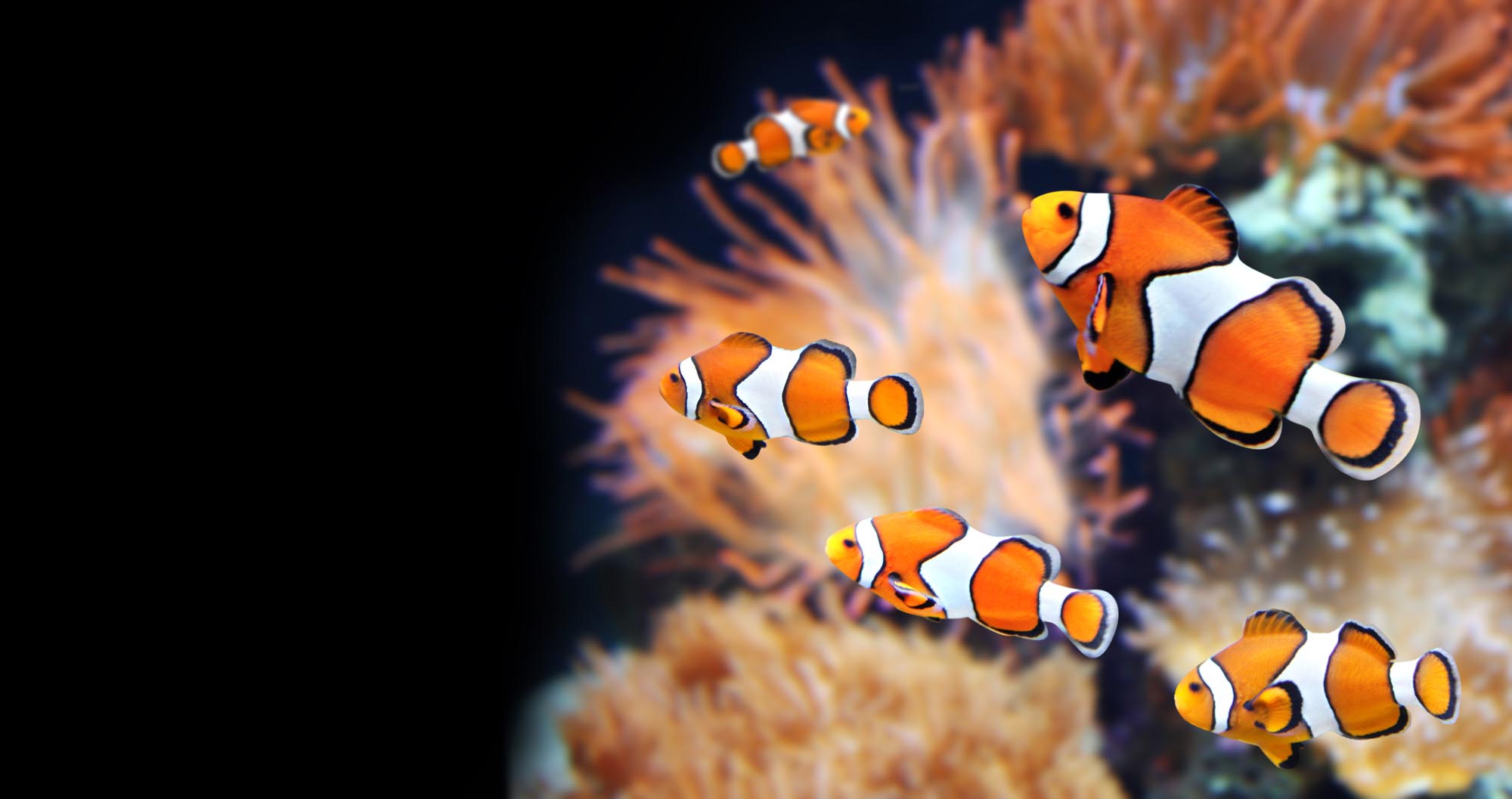
Each of these sections can serve either collection or care, depending on the guide’s emphasis. Species profiles educate about the requirements and limitations of fish, promoting responsible care. Breeding sections can encourage skill development. Visual aesthetics, however, often stimulate acquisition impulses, especially when images depict elaborate, crowded tanks or rare, exotic species.
How Guides Influence Collecting Behavior
While most fish guides are well-intentioned, several patterns suggest that they sometimes promote collecting:
- Focus on rarity and exoticism: Many guides feature rare species with dramatic names or striking colors. While this can be informative, it also elevates the allure of ownership, feeding the collector’s instinct.
- Underemphasis on challenges: If guides highlight only the beauty of species and downplay care requirements, new hobbyists may underestimate the effort needed. For instance, saltwater fish often require highly stable water chemistry; a glossy photo may mask the reality of delicate maintenance.
- “Checklist” presentation: Guides that present fish as items to be acquired in a list format—e.g., “Top 10 Neon Tetras for Beginners”—can inadvertently turn fishkeeping into a shopping exercise rather than a caregiving practice.
- Encouraging large, mixed-species displays: While visually stunning, these setups can lead to overcrowding, aggression, and stress if not carefully managed. Enthusiasts may try to replicate what they see without understanding compatibility nuances.
The takeaway is that guides can influence psychology as much as knowledge. The way information is framed—visually and textually—can either temper the desire to collect or accelerate it.
How Guides Promote Responsible Care
On the flip side, many guides excel at fostering responsible behavior:
- Detailed environmental parameters: By specifying temperature, pH, and tank size, guides educate aquarists on the importance of creating a suitable habitat.
- Health awareness: Sections on disease prevention, observation of symptoms, and emergency protocols equip hobbyists with life-saving knowledge.
- Ethical sourcing advice: Some guides emphasize purchasing from sustainable breeders, avoiding wild-caught specimens that endanger ecosystems.
- Breeding guidance with caution: Instead of simply encouraging breeding, reputable guides often warn about overpopulation, genetic issues, and long-term commitment.
- Behavioral insights: Guides that explain territoriality, social structure, and feeding hierarchies enable fishkeepers to prevent stress-related injuries and deaths.
When guides emphasize preparation, observation, and preventive care, they tilt the hobby toward caring rather than collecting. Knowledge becomes a tool for empathy, not just aesthetic pleasure.
Case Study: Beginner vs. Advanced Guides
To illustrate the difference between guides that encourage collecting and those that encourage caring, consider two hypothetical examples:
Beginner Guide: “101 Stunning Fish for Your Tank”
- Heavy focus on species variety and colorful photos
- Limited discussion of water chemistry or disease prevention
- Recommendations often imply a single 20-gallon tank can accommodate all featured fish
- High potential to trigger impulsive collecting

Advanced Guide: “Aquarium Health and Behavior Handbook”
- Focuses on water parameters, species compatibility, and disease prevention
- Discusses breeding challenges in detail, with emphasis on ethical responsibility
- Includes decision-making frameworks for tank expansion and species selection
- Encourages care, observation, and long-term planning
The contrast shows that guide design and content framing significantly influence behavior. Even within the same hobby, two guides can produce entirely different outcomes for the reader.
The Role of Digital Guides and Social Media
With the rise of online content, fish guides are no longer confined to books. Blogs, forums, YouTube channels, and Instagram accounts have become dominant sources of advice and inspiration. This shift introduces new dynamics:
- Algorithm-driven exposure: Social media often promotes eye-catching, unusual, or rare species, prioritizing aesthetics over practical care.
- Community influence: Enthusiasts can be swayed by popular setups, trending species, or viral tank designs. Peer validation may outweigh guideline recommendations.
- Instant feedback: Comment sections allow hobbyists to share experiences, but anecdotal success stories may underrepresent challenges.
Digital guides can be a double-edged sword. They democratize knowledge, making expert advice more accessible, but also amplify the temptation to collect and “show off” rare species.
Balancing Collecting and Caring
The key for hobbyists is finding balance. Fish guides themselves are neutral tools; their influence depends on how they are used. Practical strategies include:
- Prioritizing care before acquisition: Focus on tank health, water quality, and mastery of one or two species before expanding.
- Researching sources: Buy fish from ethical breeders or certified suppliers rather than wild-caught or questionable sources.
- Critical reading: Evaluate whether a guide emphasizes preparation, long-term commitment, and ethical considerations, or whether it primarily dazzles with photos.
- Incremental expansion: Gradually increase the number and diversity of species as skills improve, avoiding the “one-and-done” acquisition mindset.
- Community mentorship: Engaging with experienced aquarists can provide perspective, helping beginners distinguish between flashy setups and sustainable practices.
By combining knowledge with reflection, hobbyists can enjoy collecting as part of the creative aspect of aquariums while never compromising the welfare of their fish.
Future Directions for Aquarium Fish Guides
As awareness of sustainability and animal welfare grows, aquarium guides are evolving:
- Eco-conscious editions: Some guides now highlight captive-bred species, reducing pressure on wild populations.
- Interactive digital guides: Apps can offer personalized advice based on tank parameters, helping prevent mistakes before they happen.
- Emphasis on behavior and enrichment: Beyond survival, modern guides encourage providing stimulation, hiding spots, and social groupings that reflect natural behavior.
- Integration with AI and sensors: Smart tanks that track water quality can be paired with guides to give real-time care recommendations, bridging the gap between knowledge and action.
These trends suggest a shift toward guides as instruments of care rather than mere catalogs of desire. By making responsible behavior easy, intuitive, and visually appealing, the next generation of guides may reduce impulsive collecting while nurturing deeper engagement with the hobby.
Conclusion
So, do aquarium fish guides encourage collecting or caring? The answer is nuanced. Traditional, visually-driven guides often stimulate the collector’s impulse, particularly among beginners or casual hobbyists. However, guides that emphasize environmental parameters, health, ethical sourcing, and behavioral understanding are powerful tools for fostering responsible care.
Ultimately, it is not the guide alone that determines behavior—it is the reader’s approach, critical thinking, and values. Collecting and caring are not mutually exclusive; they can coexist if guided by knowledge, preparation, and ethical awareness. The best aquarium guides inspire not only admiration for aquatic beauty but also empathy, respect, and stewardship for the creatures we invite into our homes.
In the end, the true art of aquarium keeping lies in balancing aesthetics with responsibility, curiosity with caution, and fascination with compassion. Guides, when read thoughtfully, are not just manuals—they are mentors for the silent, mesmerizing world that thrives behind glass.