




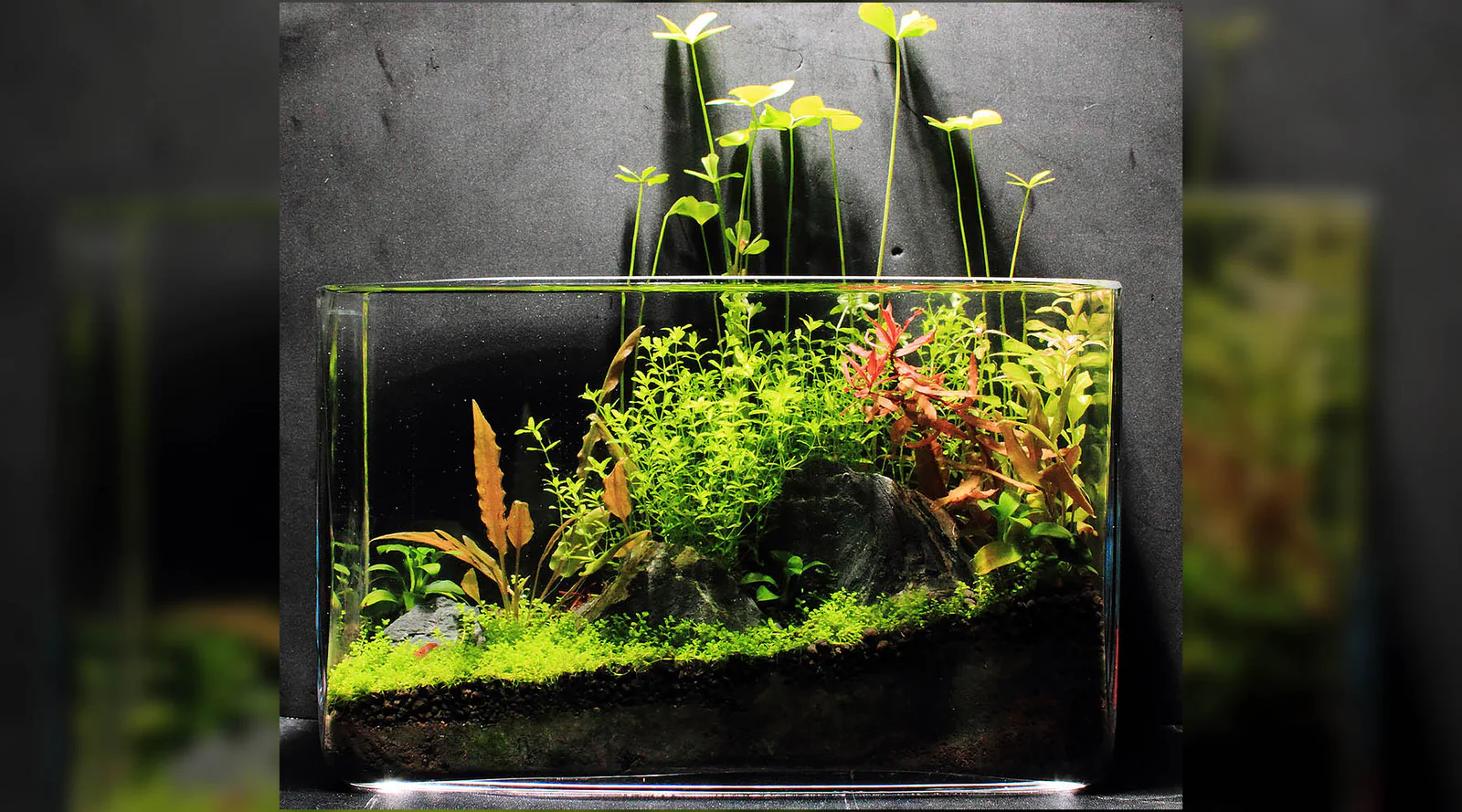

Walk into any aquarium store, open any aquascaping forum, or scroll through social media tagged with #plantedtank, and you’ll see the same promise repeated again and again: plants are good for fish. Aquarium plant guides confidently explain which species to choose, how to plant them, and how to make a tank look like a slice of nature. But behind the lush visuals and step-by-step instructions, a serious question remains: are aquarium plant guides genuinely improving fish health, or are they mostly about decoration and aesthetics?
This article takes a deep, critical, and practical look at aquarium plant guides. We’ll explore what these guides get right, where they fall short, and how plants actually influence fish health on a biological, chemical, and behavioral level. We’ll also examine the motivations behind plant guides, the science they rely on (or ignore), and how aquarists—especially beginners—can separate meaningful advice from purely decorative trends.
By the end, you’ll know whether aquarium plant guides are a health manual in disguise, a design catalog with a conscience, or something more complex and interesting than either.
1. The Rise of Aquarium Plant Guides
Aquarium plant guides didn’t always exist in their current form. Early fishkeeping literature focused almost entirely on fish species, filtration, feeding, and water chemistry. Plants were optional—often described as “nice, but not necessary.”
From Plastic to Living Green
In the mid-to-late 20th century, most home aquariums featured plastic plants. They were colorful, indestructible, and required zero care. Fish survived just fine in many of these setups, reinforcing the idea that plants were decorative extras.
As technology advanced—especially lighting, fertilizers, and CO₂ systems—live plants became easier to maintain. This sparked a shift:
- Hobbyists began to notice improved water clarity
- Fish exhibited more natural behaviors
- Tanks felt more stable and less prone to sudden crashes
Plant guides emerged as a response to this growing interest, promising to make live plants accessible to everyone.
The Guide Explosion
Today, aquarium plant guides exist everywhere:
- Printed books
- Online articles and PDFs
- Video tutorials
- Social media infographics
They often blend science, experience, and visual inspiration. But not all guides are created with fish health as their primary goal.
2. What Aquarium Plant Guides Usually Promise
Most aquarium plant guides make a similar set of claims, whether explicitly or implicitly.
Common Promises
- Better water quality
- Happier, less stressed fish
- A more “natural” environment
- Reduced algae problems
- A more beautiful aquarium
All of these claims can be true—but only under certain conditions.
The Decorative Bias
Many guides lean heavily into aquascaping aesthetics:
- Foreground, midground, background layouts
- Color contrasts and leaf textures
- Symmetry, asymmetry, and “golden ratio” designs
While these elements make tanks visually stunning, they don’t automatically translate into better fish health.
This is where the central tension arises: plants chosen for beauty aren’t always plants chosen for biology.
3. How Plants Actually Affect Fish Health
To judge whether plant guides help fish or just decorate tanks, we need to understand how plants interact with aquatic systems on a fundamental level.
3.1 Water Chemistry and Stability
Live plants influence water chemistry in several key ways:
- Nitrate uptake: Plants absorb nitrates, a byproduct of fish waste
- Oxygen production: Through photosynthesis during light periods
- pH buffering: Some plants slightly acidify water via organic acids
Plant guides that explain these processes clearly are providing real health value. However, guides that simply say “plants clean the water” oversimplify a complex system.
Important nuance: Plants do not replace filtration. They complement it.
3.2 Oxygen: More Than Just Bubbles
Fish health depends heavily on dissolved oxygen. Plants contribute, but with caveats:
- During the day, plants produce oxygen
- At night, plants consume oxygen
Well-written plant guides explain this balance and recommend appropriate stocking levels and surface agitation. Decorative-focused guides often ignore nighttime oxygen dynamics entirely.
3.3 Stress Reduction and Behavior
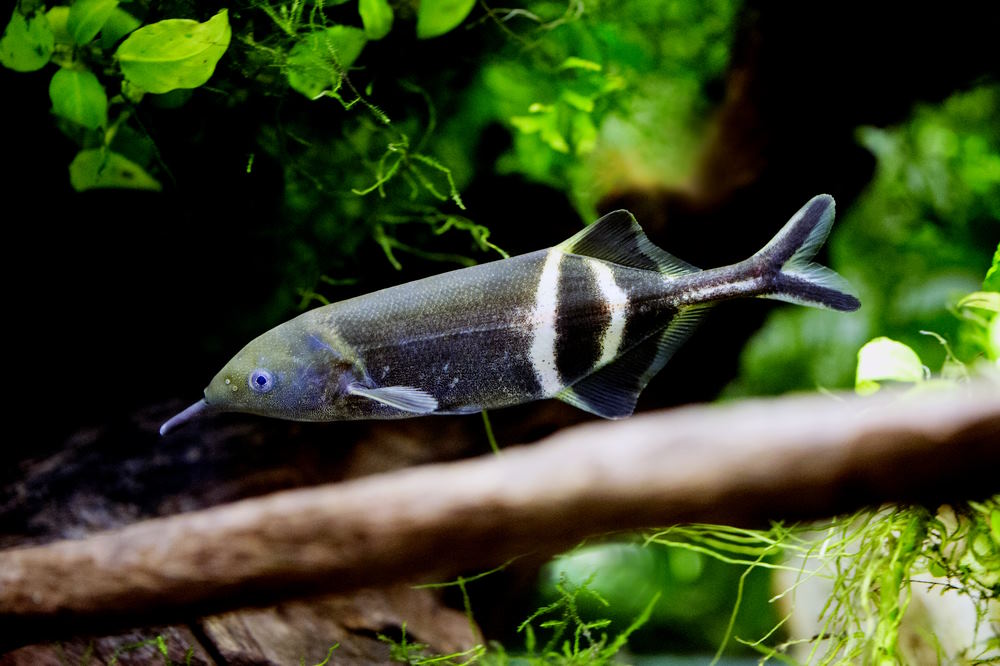
Fish are not ornaments; they are animals with instincts shaped by evolution. Plants affect behavior in powerful ways:
- Provide hiding places
- Break lines of sight, reducing aggression
- Create territorial boundaries
- Offer spawning and breeding sites
Guides that link specific plant structures (fine-leaved vs broad-leaved) to fish behavior are directly supporting fish health.
4. When Plant Guides Truly Help Fish Health
Some aquarium plant guides go beyond surface-level advice and genuinely improve fish welfare.
4.1 Species-Specific Plant Recommendations
High-quality guides consider:
- Fish size and swimming patterns
- Schooling vs territorial behavior
- Breeding habits
- Natural habitat (blackwater, clear streams, floodplains)
For example:
- Dense stem plants for small schooling fish
- Broad-leaved plants for cichlids that need visual barriers
- Floating plants for shy surface-dwelling species
This level of detail shows a health-first approach rather than a decorative one.
4.2 Emphasis on Plant Density and Layout
A tank with one or two plants is rarely healthier than a bare tank. Plant guides that stress functional density—not just placement—help fish in meaningful ways.
Functional planting considers:
- Escape routes
- Shade zones
- Open swimming areas
This creates a dynamic environment that reduces chronic stress, a major but often invisible cause of disease.
4.3 Guidance on Maintenance and Balance
Healthy plants require care, and unhealthy plants can harm fish.
Good guides explain:
- Pruning to prevent decay
- Nutrient balance to avoid algae blooms
- Removing dying leaves promptly
This prevents the common beginner mistake of assuming plants are “set and forget.”
5. When Plant Guides Are Mostly About Decor
Not all guides prioritize fish health. Many are driven by visual trends and social media appeal.
5.1 The Instagram Tank Problem
Some guides are designed to produce tanks that look perfect from one angle and one moment in time.
These tanks often feature:
- Extremely dense foreground carpets
- Minimal hiding spaces
- Fish species chosen to “match the look”
While stunning, these setups may sacrifice fish comfort for visual impact.
5.2 Ignoring Fish Needs Entirely
Decor-focused guides sometimes treat fish as moving accessories. Warning signs include:
- No discussion of fish behavior
- Stocking suggestions based on color, not compatibility
- Layouts that prioritize symmetry over shelter
In these cases, plants are decor first, biology second.
5.3 Overcomplicating for Style
High-tech planted tanks can be healthy, but some guides push complexity unnecessarily:
- Intense lighting without warning about algae
- CO₂ systems with little explanation of risks
- Heavy fertilization schedules
For inexperienced aquarists, following these guides can lead to unstable tanks and stressed fish.
6. The Science Plant Guides Often Oversimplify
Even well-intentioned guides can mislead by simplifying complex biological interactions.
6.1 “Plants Remove Toxins”
Plants primarily remove nitrates—not ammonia or nitrite at meaningful levels in most tanks. Filtration and beneficial bacteria do the heavy lifting there.
Guides that imply plants can replace cycling or filtration risk encouraging dangerous setups.
6.2 “More Plants = Always Better”
Plant overcrowding can:
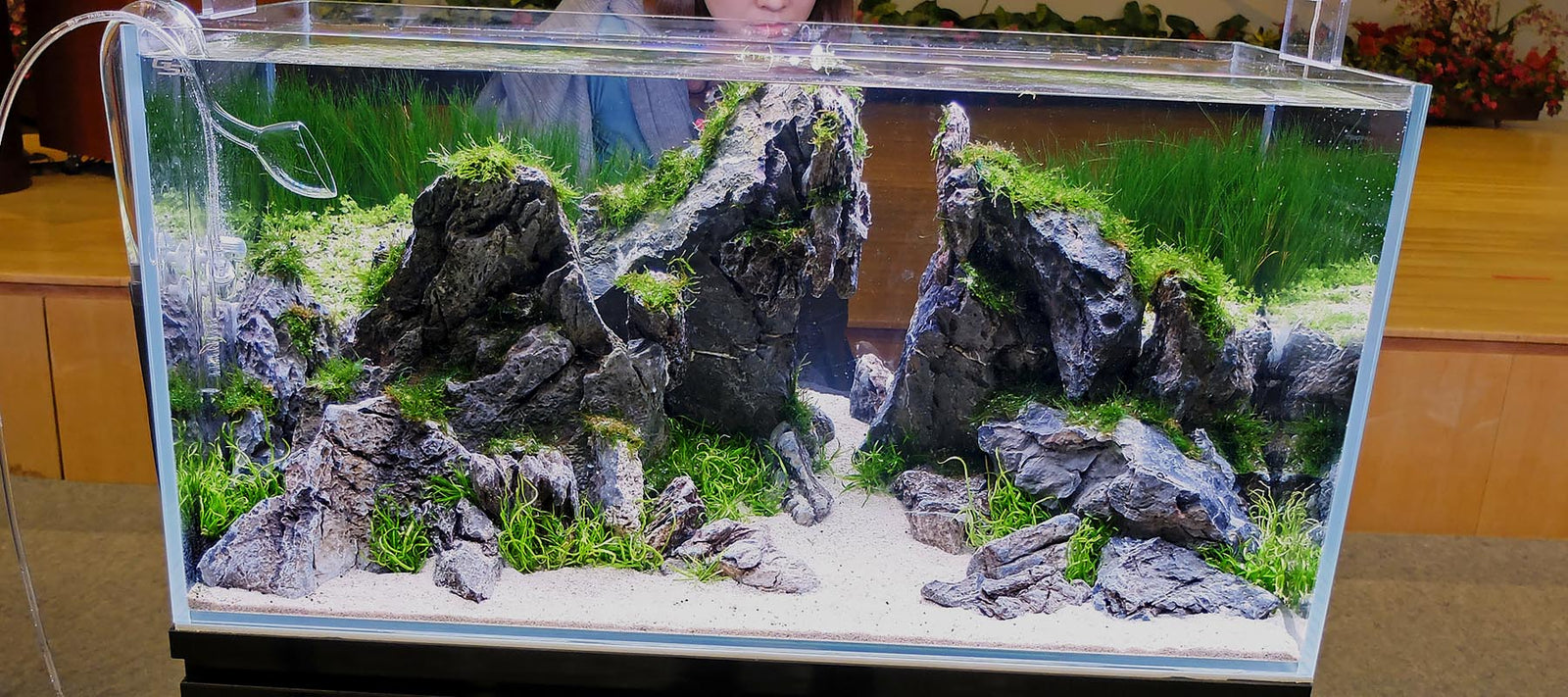
- Reduce swimming space
- Trap waste
- Create oxygen-poor zones
Balanced guides emphasize observation and adjustment, not absolute rules.
6.3 “Natural Equals Safe”
Nature is not automatically gentle. Wild environments include predators, parasites, and competition. Mimicking nature requires understanding, not blind imitation.
7. Fish-Centered vs Plant-Centered Guides
A useful way to evaluate any aquarium plant guide is to ask one simple question: Who is the star of this guide?
Fish-Centered Guides
- Start with fish needs
- Choose plants to support behavior and health
- Accept less “perfect” aesthetics
Plant-Centered Guides
- Start with visual layout
- Add fish as an afterthought
- Prioritize plant health and appearance
Neither approach is inherently wrong, but only one consistently improves fish welfare.
8. Beginners: The Most Affected Audience
Plant guides have the greatest impact on beginners, who often follow instructions literally.
Common Beginner Misinterpretations
- Assuming plants eliminate water changes
- Overstocking because “plants handle waste”
- Choosing fish incompatible with dense planting
Well-written guides anticipate these mistakes and actively warn against them.
The Confidence Trap
A beautifully designed guide can create false confidence. Beginners may believe they’re providing optimal care while unknowingly stressing their fish.
This makes clarity and honesty in plant guides not just helpful, but ethically important.
9. Plants as Environmental Enrichment
One area where plant guides truly shine is environmental enrichment.
What Is Environmental Enrichment?
It’s the practice of enhancing an animal’s environment to encourage natural behavior, reduce stress, and improve overall well-being.
In aquariums, plants are one of the most powerful enrichment tools available.
How Plants Enrich Fish Lives
- Encourage exploration
- Support natural feeding behaviors
- Provide resting and hiding zones
- Enable breeding rituals
Guides that frame plants as enrichment—not decor—are deeply aligned with fish health.
10. Aesthetic Pleasure Isn’t the Enemy
It’s important to say this clearly: beauty and health are not opposites.
A well-designed planted tank can be:
- Visually stunning
- Biologically stable
- Psychologically enriching for fish
The problem arises when appearance becomes the only goal.
The best plant guides treat aesthetics as a byproduct of health, not a replacement for it.
11. How to Read Aquarium Plant Guides Critically
Instead of asking whether plant guides are good or bad, aquarists should ask whether a specific guide is useful.
Questions to Ask While Reading
- Does this guide mention fish behavior?
- Does it explain why plants help, not just that they help?
- Are limitations and risks discussed?
- Is maintenance addressed realistically?
- Are fish treated as living animals or design elements?
If a guide answers these questions well, it’s likely helping fish health.
12. The Role of Experience vs Instructions
No guide, no matter how detailed, can replace observation.
Plants grow. Fish change behavior. Tanks evolve.
The best guides encourage:
- Watching fish responses
- Adjusting layouts
- Learning from mistakes
Decor-only guides often present setups as static and perfect, which real aquariums never are.
13. A Middle Ground: Guides as Tools, Not Truth
Aquarium plant guides are not lies, nor are they absolute truths. They are tools.
Used wisely, they:
- Improve water quality
- Reduce stress
- Create engaging environments
Used blindly, they:
- Promote shallow aesthetics
- Mask underlying problems
- Give false confidence
The difference lies not in the plants, but in the mindset of the aquarist.
14. So, Are Aquarium Plant Guides Helping Fish Health or Just Decor?
The honest answer is: both—and sometimes neither.
- Some guides genuinely enhance fish health
- Some are glorified design catalogs
- Many fall somewhere in between
Plants themselves are not magic. Guides themselves are not guarantees. But when plant advice is grounded in fish biology, behavior, and ecology, it becomes a powerful ally in responsible fishkeeping.
Ultimately, plants are not just decorations. They are living components of an ecosystem. And when aquarium plant guides remember that, fish benefit—not just visually, but biologically and behaviorally.
Final Thoughts
Aquarium plant guides reflect the priorities of the people who write and follow them. When fish health leads and decoration follows, everyone wins: the aquarist, the aquarium, and most importantly, the fish.
The next time you open a plant guide, don’t just ask how your tank will look. Ask how your fish will live.