






Introduction: The Golden Age of Guidance
Never before have pet owners had access to so much advice. From glossy coffee-table manuals to algorithm-curated social feeds, from breed-specific forums to AI-powered feeding calculators, guidance on how to care for animals has become abundant, precise, and—at times—overwhelming. The modern pet owner can learn what temperature a dog’s paws tolerate on asphalt, how many minutes of play a hamster “needs” per night, which foods are “toxic,” “questionable,” or “controversial,” and how a cat’s whisker position might indicate a fleeting mood change.
This explosion of pet care guides has undeniably improved animal welfare in many ways. Vaccination rates have increased, nutrition is better understood, and cruelty is more readily recognized and condemned. Yet a quieter question lingers beneath the well-meaning advice: Are pet care guides making owners overprotective?
Overprotectiveness in this context does not mean kindness or attentiveness. It means anxiety-driven management, excessive intervention, and a tendency to see normal animal behaviors as risks to be eliminated rather than experiences to be navigated. It is the difference between caring with an animal and controlling for an animal.
This article explores how modern pet care guides shape owner behavior, where they genuinely help, where they quietly distort expectations, and how the line between responsible care and overprotection has become increasingly blurred. Along the way, we will examine psychology, veterinary science, cultural shifts, and the lived realities of pets themselves—who, unlike their humans, did not ask for a 400-page manual on how to exist.
1. What Do We Mean by “Overprotective” Pet Ownership?
Before examining the influence of guides, it is essential to define overprotectiveness clearly. In pet care, overprotection is not a single behavior but a pattern of choices driven more by fear than by evidence.
Common signs include:
- Avoiding normal environmental exposure (grass, dirt, weather, other animals) beyond reasonable safety.
- Excessive monitoring of bodily functions, mood, or habits.
- Intervening prematurely in minor discomforts that would normally resolve on their own.
- Restricting natural behaviors—running, climbing, chewing, exploring—because they involve manageable risk.
- Treating deviation from a guide’s recommendation as a moral failure rather than a situational judgment.
Importantly, overprotective owners often believe they are being more responsible than others. They are following the rules. The issue is not neglect but hyper-vigilance.
Animals evolved to interact with complex environments. While domestication has changed their needs, it has not eliminated their resilience. Overprotection can unintentionally undermine physical conditioning, emotional stability, and behavioral confidence.
2. The Rise of the Guide-Centered Pet Owner
Pet care was once transmitted informally—through family, observation, and local expertise. Today, it is mediated through standardized content. This shift has profound implications.
2.1 The Professionalization of Everyday Care
Modern guides are often written in clinical language. Even basic topics—feeding, grooming, play—are framed in terms of optimization, risk management, and prevention. While this elevates standards, it also reframes normal variation as potential error.
A dog skipping one meal becomes a “red flag.” A cat sleeping more than usual triggers a checklist. The owner becomes a manager of metrics rather than a companion.
2.2 Information Without Context
Guides typically aim for broad applicability. They must account for worst-case scenarios. As a result, they emphasize what could go wrong rather than what usually goes right.
Without lived context, owners may:
- Apply emergency-level advice to everyday situations.
- Interpret rare risks as common outcomes.
- Miss subtle cues that contradict the guide because the guide feels authoritative.
In short, the guide becomes louder than the animal.
3. Why Guides Feel So Convincing
Pet care guides are persuasive not because they are manipulative, but because they align with human psychology.
3.1 The Comfort of Certainty
Animals are unpredictable. Guides promise control. They offer steps, schedules, and “correct” answers in a relationship that is inherently dynamic.
For anxious owners, this is deeply reassuring. If something goes wrong, at least they can say they followed the guide.
3.2 Moral Framing
Many guides subtly frame care choices as moral obligations. Phrases like “responsible owners should…” or “never allow your pet to…” imply that deviation is not just risky, but negligent.
This framing increases compliance but discourages flexibility.

3.3 The Illusion of Universality
A well-written guide sounds authoritative because it generalizes. But animals are individuals. Breed, age, temperament, environment, and history all matter.
Overreliance on guides can flatten these differences, pushing owners toward one-size-fits-all care that fits no one perfectly.
4. When Protection Becomes Restriction
The effects of overprotective care are often subtle and cumulative.
4.1 Physical Consequences
Animals require physical challenges to maintain health.
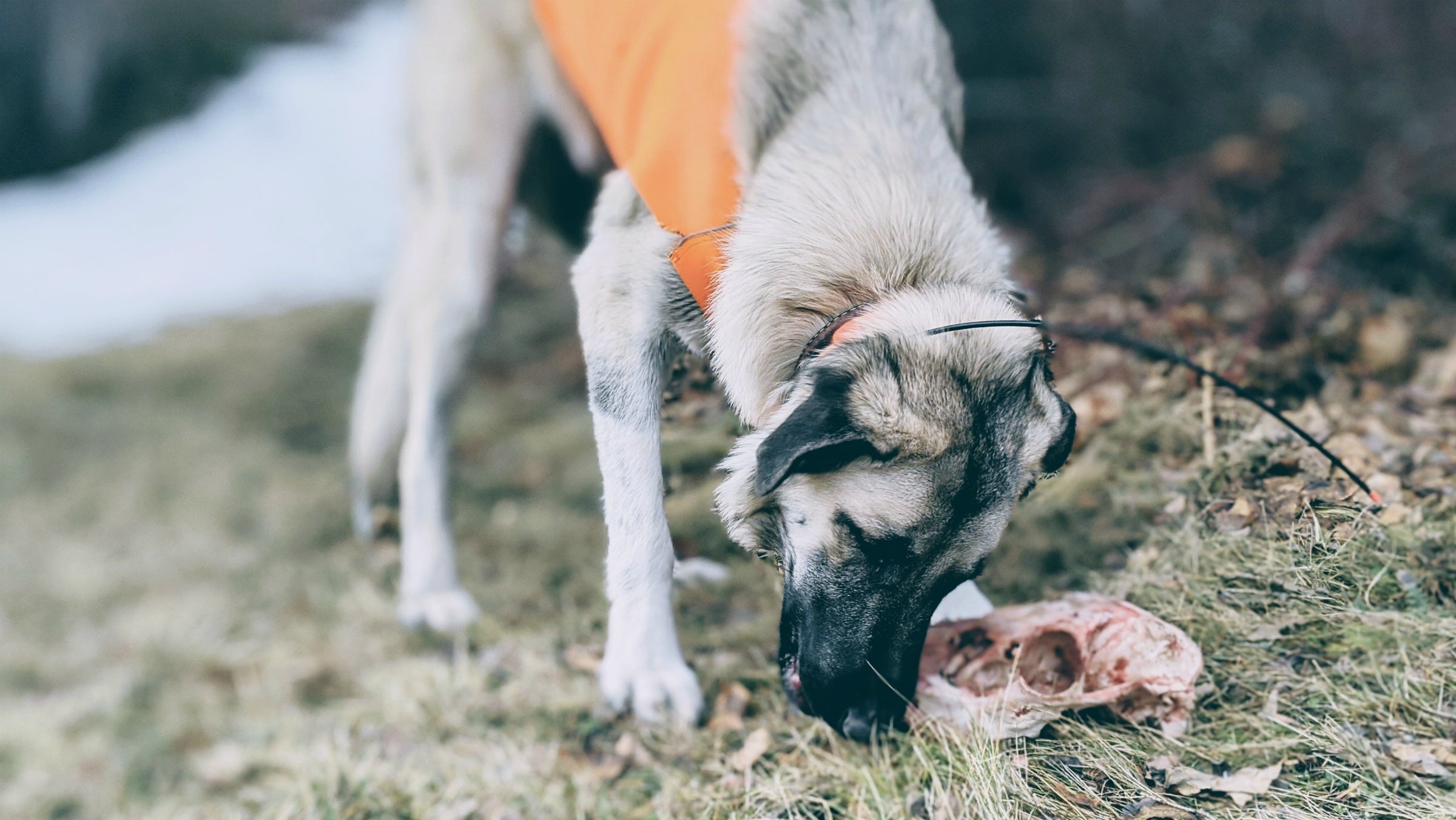
- Dogs need varied terrain to build joint stability.
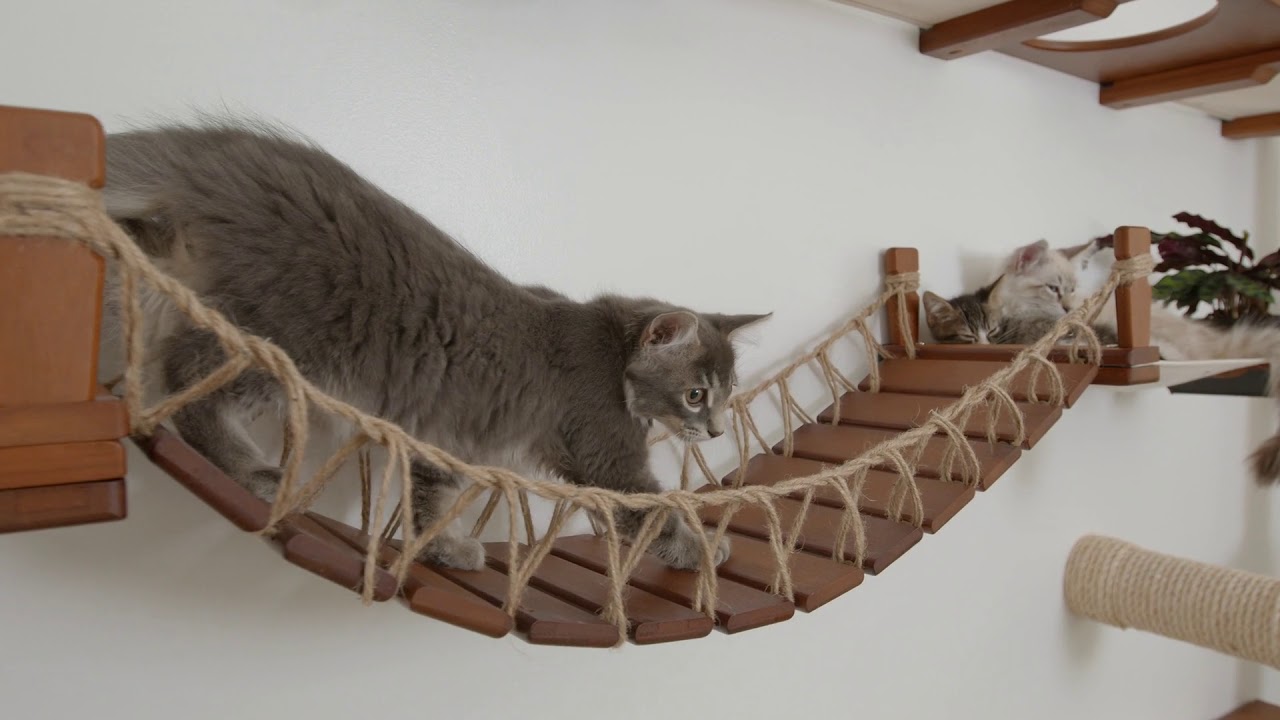
- Cats benefit from climbing, jumping, and controlled risk.
- Small animals develop coordination and confidence through exploration.
Excessive restriction can lead to weaker musculature, poorer balance, and reduced adaptability. Ironically, animals raised in ultra-controlled environments may be more prone to injury when unexpected situations arise.
4.2 Behavioral Impacts
Animals learn through experience. Shielding them from all stress prevents them from developing coping mechanisms.
Common outcomes include:
- Fearfulness in unfamiliar environments.
- Reactivity toward other animals or people.
- Reduced curiosity and playfulness.
These issues are often then “treated” with more control, creating a feedback loop of protection and anxiety.
5. The Guide-Anxiety Cycle
One of the most significant unintended consequences of pet care guides is owner anxiety.
Guides often include long lists of warning signs. While valuable in moderation, they can lead owners to constant self-surveillance.
This creates a cycle:
- Owner reads a guide.
- Owner notices a minor deviation.
- Owner worries they have failed.
- Owner restricts the animal further.
- Animal becomes less adaptable.
- Owner interprets this as confirmation of risk.
In this cycle, the guide is never questioned—only the owner’s execution of it.
6. Social Media: The Amplifier Effect
While traditional guides laid the foundation, social media has amplified overprotectiveness.
6.1 Highlight Reels of Perfection
Online content often showcases meticulously controlled pet lives: pristine diets, structured enrichment schedules, and constant supervision.
These representations:
- Normalize hyper-management.
- Create unrealistic standards.
- Turn care into performance.
Owners compare themselves not to average reality, but to curated ideals.
6.2 Rapid Spread of Alarmist Advice
Short-form content favors urgency. A video warning that “this common habit could harm your pet” spreads faster than nuanced explanations.
Repeated exposure to alarmist messaging conditions owners to see danger everywhere.
7. Veterinary Guidance vs. Lifestyle Guidance
A critical distinction is often blurred: medical necessity versus lifestyle optimization.
Veterinary advice is typically situation-specific and evidence-based. Lifestyle guides, however, often extrapolate medical caution into everyday rules.
For example:
- A medical warning about a specific toxin becomes a blanket fear of entire food categories.
- Advice for immunocompromised animals becomes the default standard for all pets.
When these domains merge, owners may treat healthy animals as fragile patients.
8. Are Pets Actually Less Resilient Today?
There is a growing perception that modern pets are more delicate. But is this true?
Biologically, most companion animals retain robust adaptive capacities. What has changed is not the animal, but the environment of expectations.
Animals raised with limited exposure often appear fragile because they have not been allowed to develop resilience. This can be mistaken for inherent weakness, reinforcing overprotection.
Resilience, like muscle, develops through use.
9. The Cultural Shift: Pets as Children
One cannot discuss overprotection without acknowledging a broader cultural trend: pets increasingly occupy roles similar to children.
This shift brings benefits—greater empathy, investment, and care—but also imports parenting anxieties wholesale.
Child-rearing in many societies has become risk-averse. When applied to animals, this mindset can clash with species-specific needs.
Animals do not benefit from constant supervision in the same way children might. They often benefit from controlled independence.
10. The Economics of Guidance
The pet care industry thrives on advice.
Guides often accompany products: special foods, supplements, monitoring devices, and enrichment tools. While many are useful, the ecosystem incentivizes problem-framing.
A calm, adaptable animal does not require many products. A “high-risk” animal does.
This does not mean guides are dishonest—but they are rarely neutral.
11. When Guides Truly Save Lives
It is crucial to acknowledge the undeniable good.
Pet care guides have:
- Reduced accidental poisonings.
- Improved early detection of serious illness.
- Promoted humane training methods.
- Increased awareness of mental stimulation needs.
The question is not whether guides are valuable, but how they are used.
Overprotection arises not from knowledge itself, but from uncritical application.
12. Reading Guides as Tools, Not Rules
Healthy use of pet care guides requires a mindset shift.
Guides should be:
- Reference points, not scripts.
- Informed by professional input, not overridden by it.
- Adapted to the individual animal.
Experienced caregivers often use guides selectively, filtering advice through observation and context. New owners, however, may treat guides as law.
Education should include not just what to do, but when to relax.
13. Listening to the Animal
Animals communicate constantly through posture, behavior, and engagement.
Overprotective care can dull this communication because the owner relies more on checklists than cues.
An animal that eagerly explores, recovers quickly from minor stress, and displays curiosity is often signaling that current challenges are appropriate.
Trusting these signals requires confidence—something guides rarely teach.
14. The Paradox of Safety
Absolute safety is an illusion.
Every meaningful experience carries some risk. The goal of care is not to eliminate risk, but to manage it intelligently.
An animal that never encounters challenge is not safer; it is simply untested.
Ironically, such animals may face greater danger when life inevitably introduces the unexpected.
15. Toward a Balanced Model of Care
A healthier model of pet care integrates three elements:
- Knowledge – Understanding genuine risks and needs.
- Observation – Watching how the individual animal responds.
- Judgment – Making situational decisions rather than defaulting to rules.
Guides support the first element. Overprotection arises when they replace the other two.
16. Teaching Owners How to Think, Not What to Fear
The future of pet care education should emphasize reasoning over restriction.
Instead of long lists of prohibitions, guides could:
- Explain why certain risks matter.
- Describe signs of healthy stress versus harmful stress.
- Encourage gradual exposure rather than avoidance.
Such guides would build confidence, not dependency.
17. The Pet’s Perspective
If animals could comment on our guides, they might find them amusing.
From their perspective, the world is meant to be engaged with—not curated into safety zones.
A dog does not experience joy from perfect compliance with a schedule. A cat does not measure fulfillment by the absence of dirt.
Animals value agency. Overprotection often removes it in the name of love.
18. Are We Protecting Pets, or Ourselves?
At its core, overprotective pet care often reflects human fear—fear of loss, fear of guilt, fear of being judged.
Guides provide reassurance to the owner, sometimes more than benefit to the animal.
Recognizing this does not diminish love. It refines it.
Conclusion: Guidance Without Fear
So, are pet care guides making owners overprotective?
They can—but only when treated as inflexible rules rather than informed suggestions. Guides are powerful tools. Like all tools, they shape behavior depending on how they are used.
When owners balance knowledge with observation, and caution with confidence, guides enhance relationships rather than constrain them. Pets thrive not in perfectly managed environments, but in thoughtfully supportive ones—where risk is understood, not eliminated, and care is grounded in trust as much as in instruction.
True protection does not come from constant control. It comes from preparing animals to live fully, safely, and resiliently in a world that cannot be reduced to bullet points.