





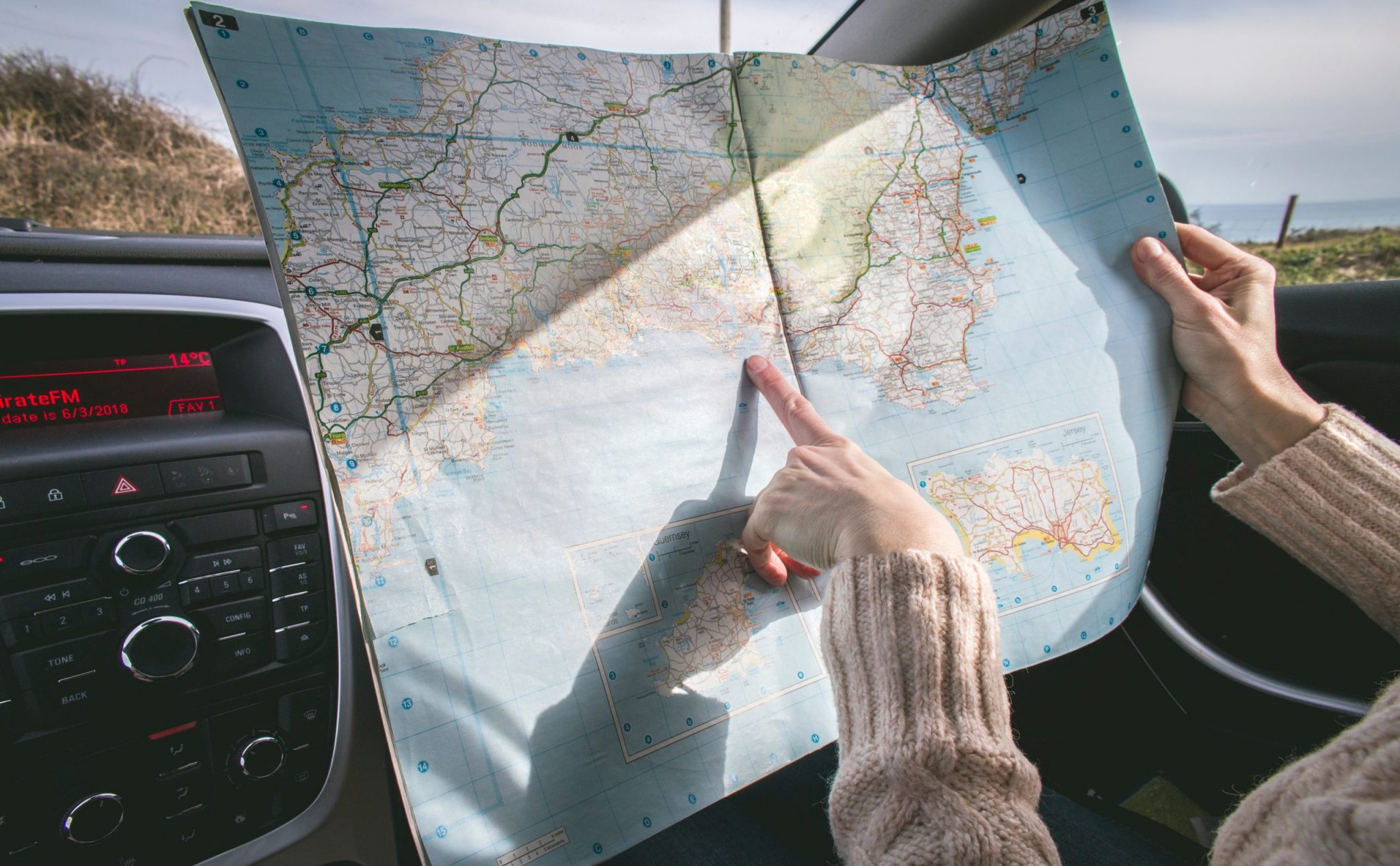

In the age of smartphones, satellite imagery, and instant GPS directions, the thrill of getting lost seems almost quaint. The very word “exploration” now conjures images of tapping a screen, following a blue dot, and avoiding obstacles preemptively. Digital maps have undoubtedly transformed the way we navigate our world. They offer efficiency, safety, and precision that early explorers could only dream of. Yet, this convenience comes with a cost—a subtle erosion of curiosity, spontaneity, and the raw joy of discovery.
The Allure of Being Lost
To understand what digital maps might be taking away, it’s crucial to revisit why humans have historically explored. Exploration was never just about reaching a destination; it was about the journey itself. Early adventurers—whether crossing deserts, jungles, or city streets—thrived on uncertainty. Every turn, every unmarked path, held the promise of discovery.
In modern cities, wandering without a map can be surprisingly invigorating. Street corners hide artisanal cafes, alleys reveal vibrant murals, and forgotten bookstores offer treasures impossible to predict. Analog maps, compasses, and local directions fostered not just navigation skills but also intuition. There’s a tactile satisfaction in unfolding a map, tracing your finger along twisting streets, and making decisions based on partial knowledge. It’s a subtle form of play, a mental exercise in spatial reasoning and risk-taking.
Digital maps, however, minimize that experience. Turn left, turn right, recalculating, rerouting—these prompts are comforting, yes, but they short-circuit the cognitive and emotional thrill of figuring it out yourself. The sense of serendipity—the accidental discoveries, the surprise encounters—is muted. When every route is optimized for speed or efficiency, there’s little room for detours, improvisation, or the exhilarating uncertainty of not knowing exactly what lies ahead.
The Psychology of Mapping
Digital navigation reshapes more than just our walking habits—it reshapes our brains. Cognitive scientists have found that reliance on GPS can reduce our spatial memory and navigational skills. When we constantly follow a digital arrow, we engage different neural circuits than when we actively plan a route or interpret landmarks.
In practical terms, this means people who rely heavily on GPS may struggle to recall routes or understand the geography of areas they frequent. This is not just a quirky fact about memory; it has profound implications for exploration. Maps in the traditional sense are not just tools; they are instruments for building mental landscapes. Digital maps often reduce this to a sterile set of coordinates, stripping away layers of spatial context that give a place its character.
Convenience Versus Curiosity
There is no denying the power of digital maps. They are lifesavers in emergencies, incredibly helpful for travelers in unfamiliar cities, and crucial for logistics and planning. Yet, convenience often suppresses curiosity. When a route is pre-calculated and every decision automated, the explorer within is sidelined.
Think about hiking, for example. Trails once discovered through trial, advice from locals, and sometimes plain luck are now easily navigable with apps that provide elevation, difficulty ratings, and even real-time conditions. While this democratizes exploration, it also sanitizes it. The unpredictability that once made venturing into the unknown so thrilling becomes a curated, predictable experience.
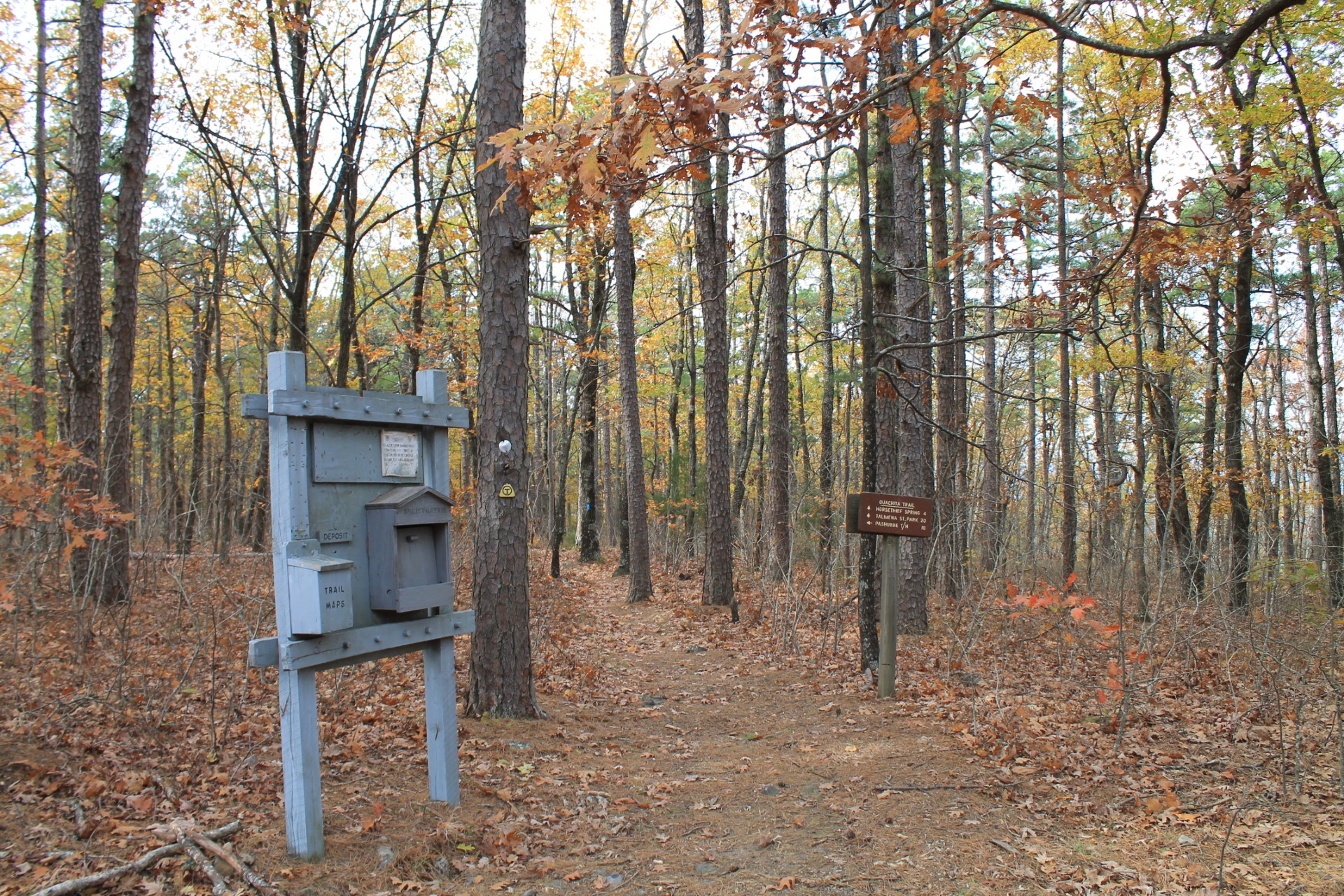
This tradeoff mirrors a broader societal trend. Technology often amplifies efficiency while quietly displacing skills, instincts, and emotional rewards. In this sense, digital maps are not inherently destructive—they are tools. But like any tool, they shape the behaviors of those who use them. Over-reliance can lead to a form of exploration that is technically precise but emotionally shallow.
Serendipity in the Analog Age
Consider the joy of serendipitous encounters in urban environments. A misread map might lead you to a tiny record shop tucked between towering office buildings. A wrong turn could place you in a neighborhood festival you never knew existed. Analog navigation encourages mistakes, and mistakes are where stories are born.
Digital maps, by design, minimize mistakes. They optimize paths, minimize delays, and sometimes even hide the less-traveled routes entirely. While this can be convenient for commuters, it reduces the random intersections with the unknown that make exploration memorable. The paradox is clear: as navigation becomes simpler, the potential for surprise—one of exploration’s most cherished rewards—shrinks.
The Cultural Dimension of Maps
Maps are more than tools; they are cultural artifacts. Early maps were artistic, philosophical, and political. They contained not only topography but also myths, annotations, and personal interpretations. A map was a storyteller, capturing both the physical world and the human imagination.
Digital maps, in contrast, are utilitarian. They prioritize utility over narrative, pixels over poetry. The aesthetic dimension of cartography, the small details that invite curiosity, is often lost. As we outsource navigation to algorithms, we risk losing an appreciation for the subjective experience of a place—the stories embedded in streets, the names of forgotten landmarks, the human geography that cannot be measured in meters.
Navigation as Skill and Adventure
Exploration is also a skill. Learning to read terrain, orient with landmarks, and make judgment calls develops confidence and spatial intelligence. Digital maps can erode this skill by creating dependency. For example, someone relying entirely on a GPS may feel disoriented without it. They might avoid exploration in unfamiliar areas, fearing the discomfort of uncertainty.
This is not just about nostalgia. Being able to navigate independently fosters resilience, adaptability, and a deeper engagement with the environment. It encourages active participation rather than passive observation. When digital maps dominate, exploration becomes a checklist activity: reach the destination, check the photos, move on. The sensory and cognitive richness of wandering is diminished.
The Joy of Analog Interaction

The act of holding a paper map, unfolding it on a park bench, or consulting locals is interactive in a way digital navigation rarely is. Analog exploration invites social engagement, conversation, and improvisation. Asking a stranger for directions often leads to stories, recommendations, or hidden gems.
Digital maps, by contrast, encourage isolation. One follows an impersonal arrow, rarely engaging with the environment beyond the screen. The social and narrative dimensions of exploration are therefore diminished. The world becomes a network of waypoints, not a living landscape full of surprises.
Balancing Technology and Wonder
This is not an argument to abandon digital maps entirely. They are invaluable for safety, planning, and accessing places that would otherwise be unreachable. The key lies in balance: using technology to enhance exploration without allowing it to dictate it completely.
Some strategies to preserve the joy of exploration include:
- Intentional “offline” adventures: Leave your phone behind or turn off navigation to rely on intuition and memory.
- Hybrid approaches: Use digital maps for orientation but allow flexibility for detours and unplanned routes.
- Cultural immersion: Seek local guidance, stories, and landmarks rather than following the optimized path.
- Analog mapping: Carry paper maps or create your own hand-drawn routes to engage more actively with geography.
The goal is not to reject modern technology but to reclaim the cognitive and emotional benefits of exploration. By consciously choosing moments of uncertainty, we invite curiosity, creativity, and the deep satisfaction of discovery.
Exploration as a Mindset
Ultimately, exploration is a mindset more than a method. Whether navigating a forest trail or wandering a labyrinthine city, the spirit of adventure thrives on openness, curiosity, and attention. Digital maps are neither inherently good nor bad; they are enablers. They allow access but also control. The joy of exploration comes when we step beyond control, embrace chance, and accept the unknown.
The challenge for modern explorers is therefore intentionality. By integrating technology without surrendering curiosity, we can navigate with both efficiency and wonder. Maps—digital or analog—should guide, not dictate. They should inspire questions, not just solutions. When used thoughtfully, they can enhance the journey rather than diminish it.
Conclusion: Rediscovering the Thrill
Are digital maps killing the joy of exploration? Not entirely. But they can make exploration predictable, efficient, and emotionally muted. The blue dot may save us time, but it can also rob us of serendipity. The algorithm optimizes our paths, but it cannot replicate the thrill of being unsure, of turning a corner and discovering something completely unexpected.
To preserve the essence of exploration, we must embrace uncertainty, foster curiosity, and engage actively with our environments. Whether through analog maps, local guidance, or intentionally unplugged adventures, the joy of discovery lies in the unexpected.
Digital maps are powerful, but they should not be the master of our journeys. They should be companions—tools that enhance the adventure, not replace it. Only by balancing technology with curiosity can we navigate the modern world while still savoring the timeless delight of exploration.