





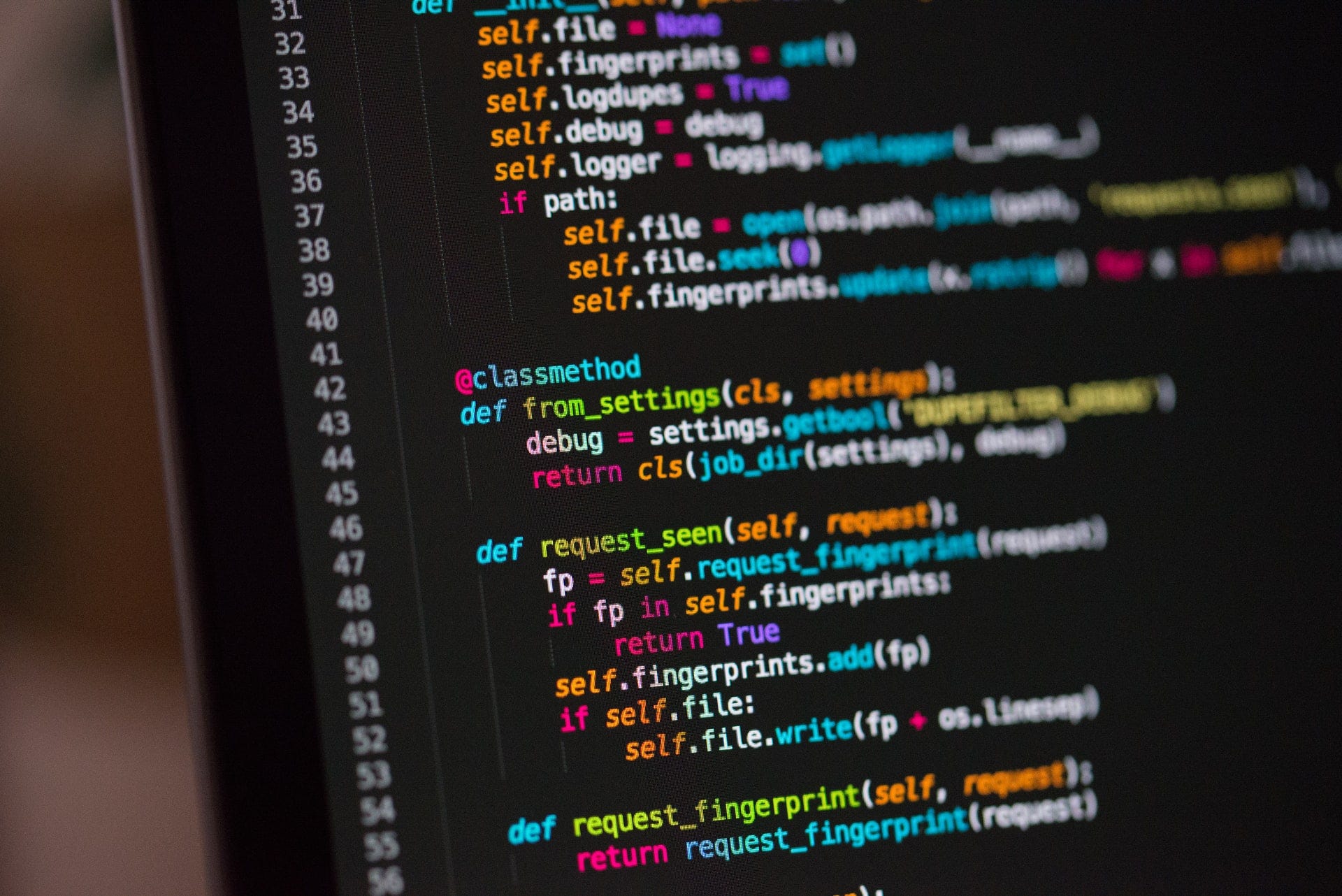

In the modern world, coding has become the universal language of problem-solving, innovation, and creativity. From apps on your phone to websites you visit daily, coding is the hidden engine powering almost everything. Given this reality, it’s no wonder that millions of people flock online every year seeking to learn programming. Among the most common avenues are coding tutorials—YouTube videos, blog posts, interactive coding platforms, and online courses. But here’s the burning question: do coding tutorials actually teach you to code? The answer is nuanced, because “learning to code” is not as straightforward as simply following instructions. Let’s dive deep into the mechanics of tutorials, the psychology of learning, and the practical realities of becoming a programmer.
1. The Allure of Coding Tutorials
Coding tutorials are everywhere, and they promise a simple path from zero knowledge to coding mastery. Platforms like Codecademy, freeCodeCamp, LeetCode, and countless YouTube channels provide structured lessons on everything from HTML basics to full-stack web development.
The appeal is obvious:
- Accessibility: Tutorials are available 24/7 and often free. You can learn in your pajamas at 2 a.m.
- Step-by-step guidance: They reduce cognitive load by guiding you through small, incremental steps.
- Visual feedback: Many platforms allow you to see the results of your code immediately, which reinforces learning.
- Community support: Popular tutorials come with forums, Discord servers, or comment sections where you can ask questions.
All of these factors create a perception of effectiveness. But perception isn’t reality. Just because you follow a tutorial doesn’t necessarily mean you’ve learned to code.
2. The Illusion of Learning
A major pitfall of tutorials is that they can create an illusion of mastery. When a tutorial shows you how to build a simple web page or a Python program, it often comes with pre-written code snippets. You copy, paste, and tweak them slightly. You watch the app run successfully and feel accomplished. But ask yourself:
- Do you understand why the code works?
- Could you build the same project from scratch without guidance?
- Can you solve a similar problem that’s slightly different from the tutorial example?
If the answer is no, then what you’ve gained is tutorial fluency—the ability to follow instructions—not true programming fluency.
This illusion is dangerous because it can give learners a false sense of progress. It’s tempting to binge tutorials endlessly, thinking that each video brings you closer to mastery. But without active problem-solving, learning plateaus quickly.
3. Passive vs. Active Learning
A key concept in education research is the distinction between passive and active learning.
- Passive learning: You watch, read, or listen without interacting deeply with the material. Tutorials often fall into this category.
- Active learning: You engage with the material, experiment, make mistakes, debug, and solve problems independently.
Active learning is far more effective for coding. Why? Because coding is inherently problem-solving. You’re not memorizing facts; you’re training your brain to think algorithmically, logically, and creatively. Watching someone else type code is not enough to develop these skills.
Think of it like learning to ride a bike. Watching a YouTube tutorial on cycling can give you tips, but until you get on the bike, wobble, and fall a few times, you haven’t truly learned. Coding works the same way—you need to get your hands dirty.
4. The Anatomy of a Good Tutorial
Not all tutorials are created equal. Some genuinely help you learn, while others are mere “clickbait.” The best tutorials share several characteristics:

- Conceptual Depth: They explain why something works, not just how to type it. For example, instead of showing you
for i in range(10): print(i), a good tutorial explains what a loop is, why it’s useful, and different scenarios where it can be applied. - Incremental Challenges: The tutorial should start simple and gradually introduce complexity, giving you room to experiment and apply concepts.
- Interactive Exercises: Passive watching is replaced with coding exercises where you write your own solutions. Platforms like freeCodeCamp and LeetCode excel at this.
- Debugging Guidance: Learning to fix errors is crucial. Tutorials that only show the final working code skip over the messy, but essential, part of coding: problem-solving under uncertainty.
- Encouraging Creativity: The best tutorials prompt learners to modify, extend, or combine what they’ve learned. This fosters independent thinking.
5. Tutorials vs. Real Coding Practice
Even the best tutorial can’t replace actual coding experience. Here’s why:
- Projects Teach Integration: Coding tutorials often focus on isolated topics—loops, functions, CSS styling, or database queries. Real-world projects require integrating multiple concepts. Building a project like a personal website or a simple game forces you to combine HTML, CSS, JavaScript, and backend logic.
- Debugging Builds Understanding: Errors are inevitable in real coding. Struggling to understand a bug and solving it deepens your comprehension far more than following a flawless tutorial.
- Decision-Making Skills: Tutorials rarely teach you to make architectural choices, plan features, or refactor code. Experience does.
- Adaptability: Tutorials usually work in ideal conditions. Real-world coding requires you to adapt to different frameworks, libraries, and environments—skills that only practice develops.
In short, tutorials are like learning the rules of a board game. Playing the game repeatedly, experimenting with strategies, and facing unexpected situations is where true mastery emerges.
6. Common Misconceptions About Tutorials
Many beginner coders fall into common traps regarding tutorials. Understanding these misconceptions can save you time and frustration:
Misconception 1: Watching More Tutorials = Faster Learning
Binge-watching tutorials can give the illusion of productivity but often results in “tutorial fatigue.” The brain retains little if you’re not applying knowledge. Quality over quantity is key.
Misconception 2: Tutorials Make You Job-Ready
While tutorials teach syntax and small projects, they rarely prepare you for the complexity of professional coding tasks. Employers look for problem-solving skills, debugging experience, and code organization—all things tutorials may not fully provide.
Misconception 3: You Must Finish Every Tutorial
Some learners feel obligated to complete every lesson before moving on. In reality, experimenting, building side projects, and even making mistakes teaches more than passive completion.
7. How to Maximize Learning from Tutorials
If you’re committed to using tutorials effectively, consider these strategies:
- Pause and Predict: Before running code, predict what will happen. This encourages active engagement.
- Take Notes: Write explanations in your own words rather than just copying code.
- Modify Examples: Change variables, add features, or combine concepts from different tutorials.
- Do Mini-Projects: Build tiny applications inspired by the tutorial but with your own twist.
- Teach Others: Explaining concepts to someone else, even virtually, reinforces your understanding.
- Debug Independently: Resist the urge to immediately copy solutions. Struggle through errors first.
These practices transform a tutorial from a passive guide into an active learning tool.
8. The Role of Learning Platforms
Modern platforms like Codecademy, freeCodeCamp, and LeetCode are designed around interactive, project-based learning. They differ from traditional tutorials by:
- Offering challenges instead of pre-scripted instructions.
- Providing immediate feedback on code.
- Encouraging experimentation through sandbox environments.
Even so, platforms alone aren’t sufficient. They are a scaffold—a temporary support. Real skill emerges when you move beyond guided exercises and start building independently.
9. Combining Tutorials with Other Learning Methods
For a well-rounded approach to learning programming, consider combining tutorials with other methods:
- Reading Documentation: Learning to read official language documentation builds autonomy and understanding.
- Open Source Contribution: Contributing to projects exposes you to real-world coding standards and team workflows.
- Coding Challenges: Websites like HackerRank and Codewars encourage problem-solving in a gamified format.
- Mentorship: Experienced developers provide feedback and context that tutorials cannot.
The key is diversification. Tutorials are a useful piece of the puzzle, but they are not the entire picture.
10. Psychological Factors in Learning to Code
Learning to code is as much a mental game as it is a technical skill. Tutorials can support motivation, but they can also trigger frustration if expectations aren’t managed.
- The Beginner’s Paradox: Early on, even simple concepts can feel overwhelming. Tutorials that overemphasize rapid progress may demotivate learners when they hit inevitable obstacles.
- Imposter Syndrome: Copying code from tutorials without understanding it can reinforce feelings of inadequacy. Recognizing that struggle is normal helps learners persist.
- Gamification Helps: Platforms with badges, streaks, and points can maintain engagement but shouldn’t replace deep learning.
Understanding these psychological dynamics helps learners navigate the ups and downs of coding effectively.
11. Realistic Expectations
After years of research and observation, the consensus is clear: tutorials alone rarely make you a proficient coder. They are a starting point, not an endpoint. To truly learn to code, expect to:
- Spend significant time on independent projects.
- Make mistakes and embrace frustration as part of learning.
- Read and experiment beyond tutorial content.
- Integrate multiple concepts into functional programs.
- Gradually transition from guided learning to self-directed problem-solving.
Think of tutorials as training wheels: useful at first, but eventually, you need to ride the bike on your own.
12. The Fun Factor
One undeniable benefit of tutorials is that they make coding fun. They provide quick wins, interesting projects, and immediate gratification. This is crucial for sustaining motivation, especially in the early stages. But fun should be balanced with challenge. Tutorials that are too easy or overly guided risk turning coding into a passive hobby rather than a skill-building exercise.
13. Case Studies: Success and Failure
Consider two learners:
- Alice: Watches tutorials passively for six months, completes every example, but never experiments. She struggles to build even a simple web app independently.
- Bob: Watches fewer tutorials, but immediately experiments, builds small projects, encounters bugs, and solves them. Within six months, Bob can design functional programs from scratch.
The difference isn’t talent; it’s active engagement. Tutorials alone didn’t make Bob better—his application of knowledge did.
14. The Takeaway
Coding tutorials are not magic pills. They are tools—powerful ones if used correctly, but useless if consumed passively. True programming mastery comes from the interplay of guidance, experimentation, failure, and persistence.
To summarize:
- Tutorials teach the “how,” but you must learn the “why.”
- Active practice beats passive watching every time.
- Mistakes and debugging are your greatest teachers.
- Projects integrate concepts and build confidence.
- Diversifying learning methods strengthens skills.
In short, tutorials are helpful, but they are not a substitute for doing the hard, rewarding work of coding independently.
15. Final Thoughts
If you’re starting your coding journey, embrace tutorials—but don’t idolize them. Use them as springboards, not crutches. Ask questions, experiment, and build. Celebrate failures as much as successes. Coding is a skill that rewards persistence, curiosity, and creativity.
So, do coding tutorials actually teach you to code? The honest answer is: only partially. They lay the foundation, but the real structure—your coding skill—emerges when you step beyond the tutorial, tackle problems on your own, and create something uniquely yours. That’s when learning transforms into mastery.