





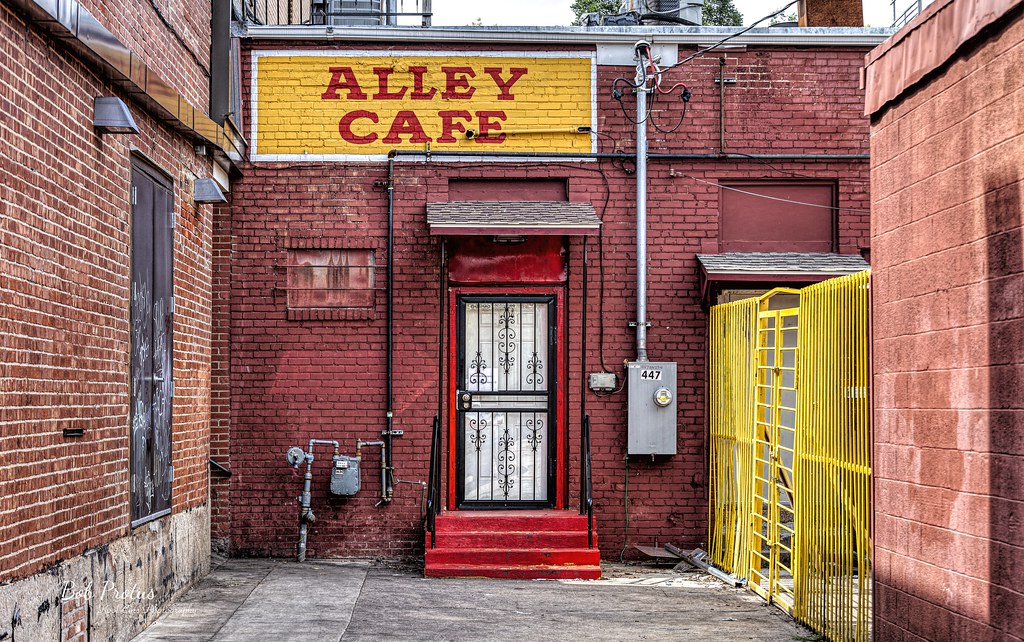

Urban landscapes are often measured by their landmarks: towering skyscrapers, grand museums, bustling markets. Yet, there exists a subtler pulse, quieter yet profoundly alive. Hidden alley cafes—small, tucked-away spots behind graffiti-covered walls or down narrow, winding streets—capture the soul of a city in ways that mainstream attractions rarely can. They are the secret stages upon which everyday city life unfolds, offering glimpses into local culture, history, and the intimate rhythms of human connection.
The Allure of Seclusion in a Crowded City
At first glance, a hidden alley cafe may seem insignificant, even inconspicuous. A hand-painted sign, a faint aroma of roasted coffee beans, a single table outside with a chair pulled slightly away from the wall—these are not markers of grandeur. Instead, they hint at something far more compelling: discovery. In a city saturated with advertisements, neon lights, and tourist-packed streets, the thrill of finding a small cafe tucked away in an alleyway is akin to finding a secret room in a familiar house. It awakens curiosity, a desire to explore, and a sense of intimacy that larger establishments rarely provide.
These cafes are often bastions of calm amid urban chaos. They offer a pause from the relentless pace of city life. A visitor stepping into such a space immediately experiences a shift in tempo: conversations slow, footsteps soften, and the aroma of freshly ground coffee becomes a gentle companion. Here, patrons are not just customers—they are witnesses to the subtle heartbeat of the city, a rhythm that thrives quietly in corners that the city’s spotlight rarely touches.
The Intersection of History and Modernity
Many hidden alley cafes are housed in buildings with rich histories. Perhaps the structure was once a bookstore, a small workshop, or even an artist’s studio. The walls may retain traces of the past: peeling paint, exposed brick, or a faded mural that hints at the neighborhood’s evolution. These spaces are living museums of urban transformation. Each creak of the wooden floor, each dent in a metal chair, carries stories of decades past.
Yet, while steeped in history, these cafes are also vibrant with contemporary culture. Local artists hang paintings on the walls, musicians perform live acoustic sets, and writers carve out afternoons typing on vintage typewriters. This fusion of past and present mirrors the city itself—a constant negotiation between heritage and innovation. Hidden alley cafes, in this sense, serve as cultural incubators where history is preserved not as static relics but as dynamic, living experiences.
Craft, Community, and Authenticity
What truly sets alley cafes apart is their emphasis on craft and authenticity. Unlike large chain cafes, which often prioritize uniformity and efficiency, these small spaces celebrate individuality. The barista knows your name, remembers your favorite drink, and may even experiment with a new blend just for you. Pastries are often baked in-house, sometimes following generations-old recipes adapted to contemporary tastes. Every cup of coffee is a dialogue between maker and drinker, a microcosm of human connection that resonates far beyond the beverage itself.
These cafes are also hubs of community. Regular patrons, local artists, and curious travelers all intersect here, creating a web of interactions that forms the social fabric of the neighborhood. In a world increasingly dominated by digital communication, the value of these face-to-face exchanges cannot be overstated. They provide not only nourishment for the body but also for the mind and soul—a reminder that cities thrive not merely through infrastructure but through the relationships cultivated within them.
Architectural Poetry in Narrow Spaces
The physical design of hidden alley cafes often amplifies their charm. Architects and designers working in these constrained spaces must be inventive. A narrow alley may become a courtyard filled with potted plants, string lights, and hand-crafted tables. Natural light streams through skylights or small windows, casting patterns on textured walls. Every corner becomes intentional, every object part of a cohesive narrative. Unlike large, impersonal cafes, these small spaces are dense with meaning; each element contributes to the ambiance, transforming mere coffee-drinking into a multisensory experience.
Moreover, these cafes frequently incorporate elements of local culture and environment. Bamboo partitions in an Asian city, exposed stone walls in a European town, or vibrant murals in Latin America—these details provide a strong sense of place. Patrons are not just drinking coffee; they are immersed in the textures, colors, and stories of the city itself.
Culinary Creativity Beyond the Menu
Food and drink in hidden alley cafes are rarely just sustenance; they are expressions of creativity. Coffee might be brewed using traditional methods such as siphons or pour-overs, emphasizing precision and ritual. Snacks and meals often feature local ingredients prepared in unique ways, offering tastes that cannot be replicated in chain establishments. Seasonal changes influence menus, connecting patrons to the city’s natural rhythms. A cherry tart in spring, a roasted squash soup in autumn, a spiced hot chocolate in winter—these offerings tie culinary art to the living cycles of urban life.
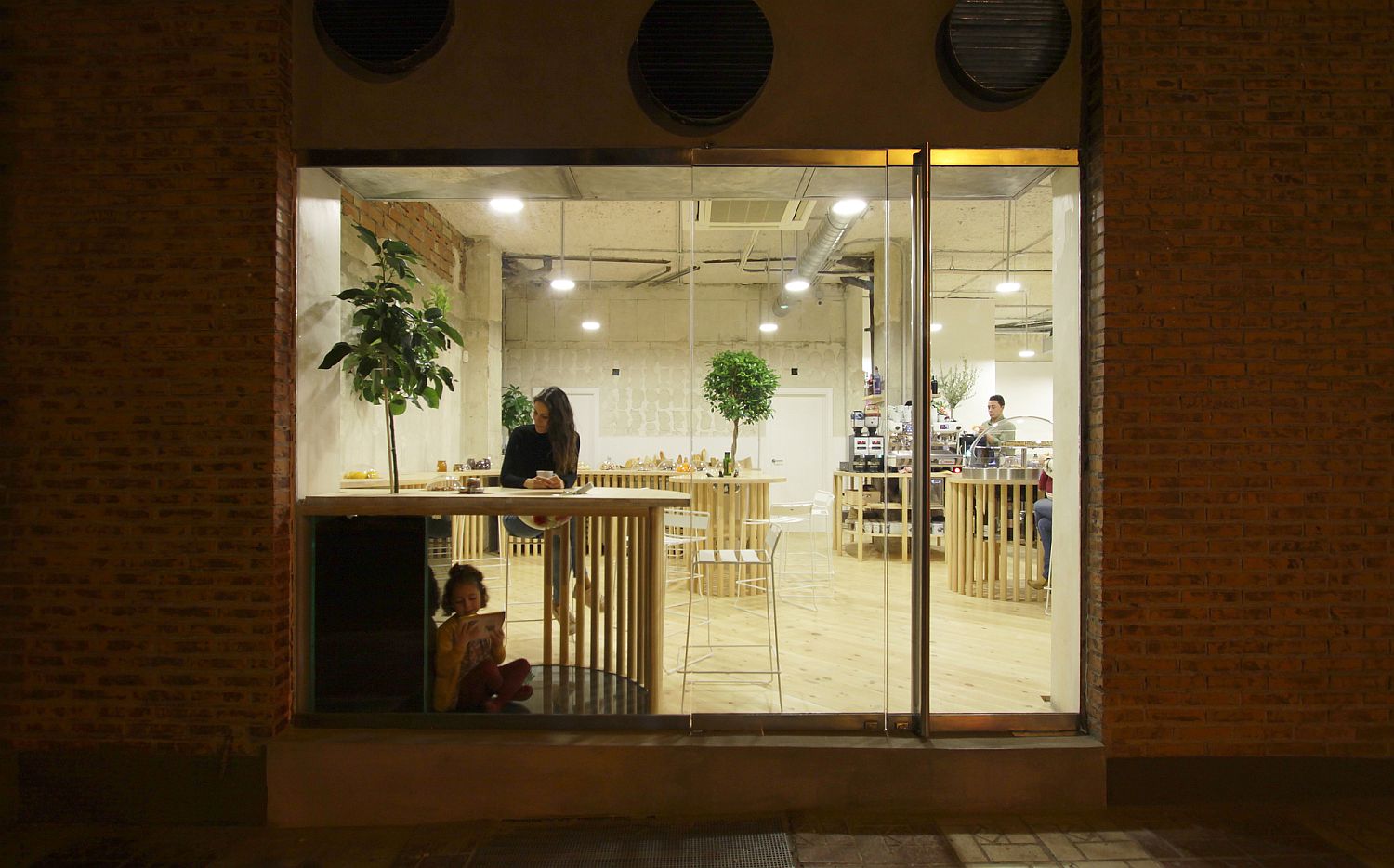
Furthermore, these cafes frequently collaborate with local producers: bakers, chocolatiers, farmers, and artisans. This synergy strengthens the local economy, fosters sustainable practices, and reinforces the sense that a hidden alley cafe is not merely a business but a node in the city’s cultural and ecological network.
Music, Literature, and Urban Storytelling
Many hidden alley cafes double as cultural venues. Acoustic evenings, poetry readings, small art exhibitions—these activities turn everyday cafes into spaces of storytelling and creativity. Music flows through the alleys, sometimes from a lone guitar player, other times from a small speaker system carefully curated to match the mood. Words, art, and melody blend with the aroma of coffee, creating experiences that linger in memory long after the cup is empty.
Literature, too, finds a natural home here. Writers and thinkers are drawn to these intimate spaces for their quiet corners, ambient noise, and inspiration. Cafes become laboratories for thought, nurturing ideas that might eventually ripple through the city at large. In this sense, alley cafes function as incubators of urban imagination, quietly influencing the intellectual and cultural life of the city.
A Lens into Social Change
Hidden alley cafes often reflect the social dynamics of the neighborhoods they inhabit. Gentrifying districts, historic quarters, and multicultural enclaves each leave distinct imprints on these spaces. Observing who frequents the cafes, what languages are spoken, and which cultural practices are celebrated offers insights into broader urban trends. In other words, these cafes are microcosms of social change. They reveal shifts in demographics, tastes, and values—often before mainstream media takes notice.
In some cases, alley cafes play active roles in community activism, hosting discussions on sustainability, urban planning, or social equity. They become platforms for civic engagement, turning seemingly private spaces into public forums. By doing so, they reinforce the idea that the heartbeat of a city is not found solely in its monumental architecture but in its living, breathing social networks.
The Psychology of Hidden Spaces

Why do hidden alley cafes resonate so deeply with humans? Part of the appeal is psychological. Humans are naturally drawn to spaces that feel secretive, intimate, and exclusive. Discovering a hidden cafe triggers a sense of reward, activating pleasure centers in the brain. It also taps into the human need for safe, enclosed spaces—a refuge from the overstimulation of urban life.
Moreover, these cafes provide “third places,” a sociological term for environments that are neither home nor work but serve as social anchors. Such spaces are crucial for mental well-being, fostering creativity, reducing stress, and enhancing social cohesion. The subtle architecture, the tactile objects, the smell of coffee, and the murmur of conversation combine to create a holistic sensory experience that nurtures both the mind and the soul.
Global Perspectives: Alleys Around the World
Hidden alley cafes are not confined to a single culture or geography. In Tokyo, narrow laneways known as “yokocho” house tiny cafes where patrons sip meticulously brewed matcha. In Paris, cobblestone streets conceal coffee houses with literary legacies stretching back centuries. In Istanbul, winding lanes reveal cafes serving strong Turkish coffee alongside centuries-old pastries. Each city adapts the concept of alley cafes to its unique history, architecture, and social fabric, yet the underlying principles remain universal: intimacy, authenticity, and cultural immersion.
This universality highlights a fascinating truth: no matter how large or modern a city becomes, human beings will always seek spaces that feel personal, secret, and alive. Hidden alley cafes satisfy that need, making them essential to the emotional and cultural heartbeat of urban life.
Digital Age and the Rediscovery of Hidden Spaces
In an era dominated by social media, hidden alley cafes have gained a paradoxical visibility. While still tucked away physically, many are shared digitally through photos, reviews, and location tags. This creates a delicate balance: cafes benefit from wider recognition while striving to maintain their intimate, authentic charm. The challenge lies in preserving the very qualities that make them appealing—quiet, community-oriented, and carefully curated—even as they attract global attention.
Some cafes have embraced this challenge creatively, offering workshops, limited-time menu items, and carefully controlled seating to prevent overcrowding. Others rely on word-of-mouth, trusting that patrons will respect the spirit of the space. Regardless of approach, the enduring appeal of alley cafes lies in their authenticity—a trait that no algorithm can replicate.
The Emotional Resonance of Discovery
Perhaps the most profound aspect of hidden alley cafes is their capacity to evoke emotion. Discovery, curiosity, and delight converge to create memorable experiences. A first-time visitor might stumble upon a cafe accidentally, drawn by the smell of freshly baked bread or the sound of distant laughter. Regulars develop a deep sense of belonging, forming bonds with staff, neighbors, and even the space itself. In both cases, the cafe functions as more than a place to eat or drink; it becomes a site of personal and collective memory.
This emotional resonance is part of why hidden alley cafes are often described as the heartbeat of a city. Just as a heartbeat is quiet yet essential, subtle yet life-sustaining, these cafes sustain the human spirit amidst the concrete and steel of urban life.
Conclusion: Cafes as Urban Vital Signs
Cities are complex, living organisms. Skyscrapers, roads, and subway systems are the bones and muscles; alley cafes are the pulse. They offer intimacy, cultural richness, and social connection. They bridge the past and present, blend culinary art with community engagement, and provide spaces for reflection, creativity, and conversation. Without them, a city may function but lacks vibrancy, warmth, and soul.
Hidden alley cafes are not merely places to grab coffee; they are sites of discovery, culture, and connection. They reflect the city’s personality, respond to its rhythms, and nourish the lives of its inhabitants. In their quiet, unassuming ways, they indeed represent the heartbeat of urban life—a gentle, persistent, and indispensable pulse that sustains the city’s identity.