





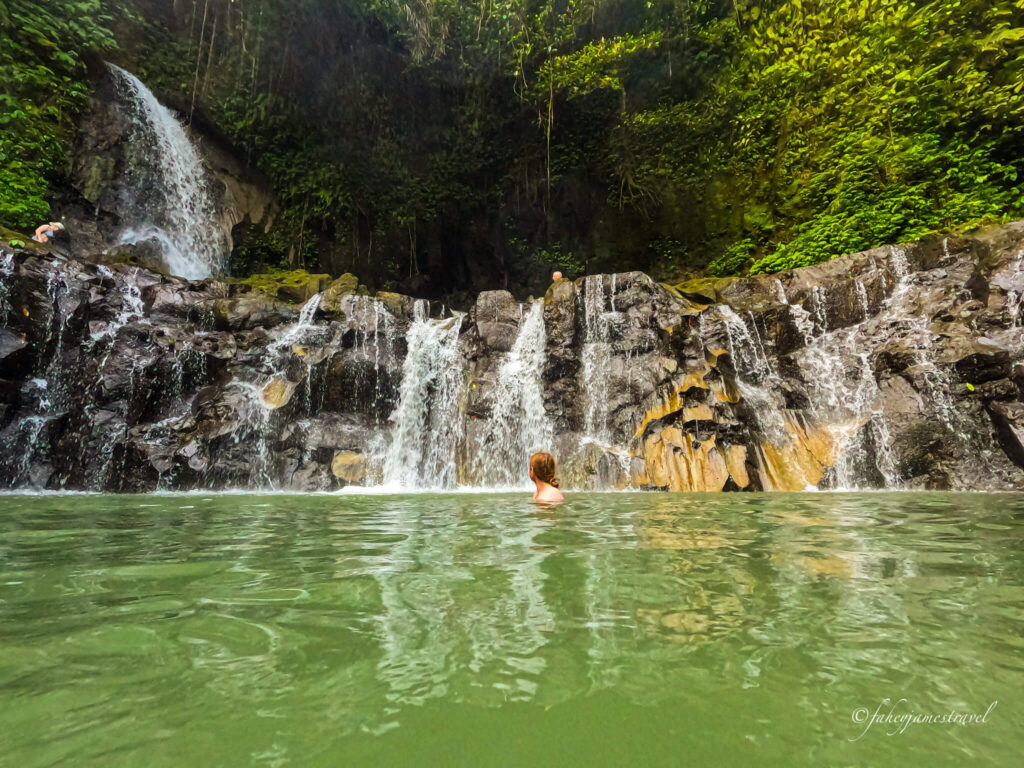

Waterfalls have long captured human imagination. Their sheer power, mesmerizing beauty, and constant motion evoke feelings ranging from tranquility to exhilaration. But among the many ways to experience waterfalls, one particular adventure stands out: swimming behind them. The idea sparks curiosity—can humans safely venture behind these natural spectacles? What does it feel like, and where can it be done? This article explores the science, geography, thrill, and precautions of finding waterfalls you can swim behind.
The Allure of Swimming Behind a Waterfall
Swimming behind a waterfall is not just an adventure; it’s a sensory experience. Imagine standing in a shallow pool, the water roaring in front of you, yet a hidden alcove shields you from the full force of the fall. Light refracts through cascading droplets, creating rainbows. The mist cools your skin, and the sound of the waterfall becomes a powerful, almost hypnotic background to the rhythmic flow of water.
Humans have always been drawn to water for recreation and contemplation. But the notion of swimming behind a waterfall adds a layer of thrill: it’s entering a secret, often less accessible part of nature that few get to see. This allure blends adventure tourism, natural curiosity, and even meditation.
How Waterfalls Form and Why Some Allow Access Behind Them
To understand why some waterfalls can be swum behind while others cannot, it’s important to grasp how waterfalls form. Waterfalls occur where a river or stream flows over a vertical drop in the bedrock. The nature of the rock, erosion patterns, and water volume determine the shape and accessibility of the waterfall.
- Rock Composition
Harder rocks like granite and basalt often create vertical cliffs. Softer rocks like limestone and sandstone erode more easily, sometimes forming recessed areas behind the waterfall. These recesses are the key to safely swimming behind a waterfall. - Waterfall Shape
- Plunge waterfalls drop vertically and usually leave a clear space behind them, making swimming behind them more feasible.
- Horsetail waterfalls stay in contact with the rock, often leaving little to no space.
- Block waterfalls spread water over a wide area, rarely leaving gaps.
- Flow Volume and Seasonality
During rainy seasons, waterfalls swell. Some falls that are normally safe to approach can become dangerous torrents. Conversely, in dry seasons, the reduced flow may make the space behind a waterfall more accessible.
Understanding these factors is crucial: not all waterfalls are created equal when it comes to adventure swimming.
Famous Waterfalls Around the World You Can Swim Behind
While swimming behind waterfalls is thrilling, only a handful of waterfalls globally are safe and accessible for this activity. Here are notable examples:
1. Seljalandsfoss, Iceland
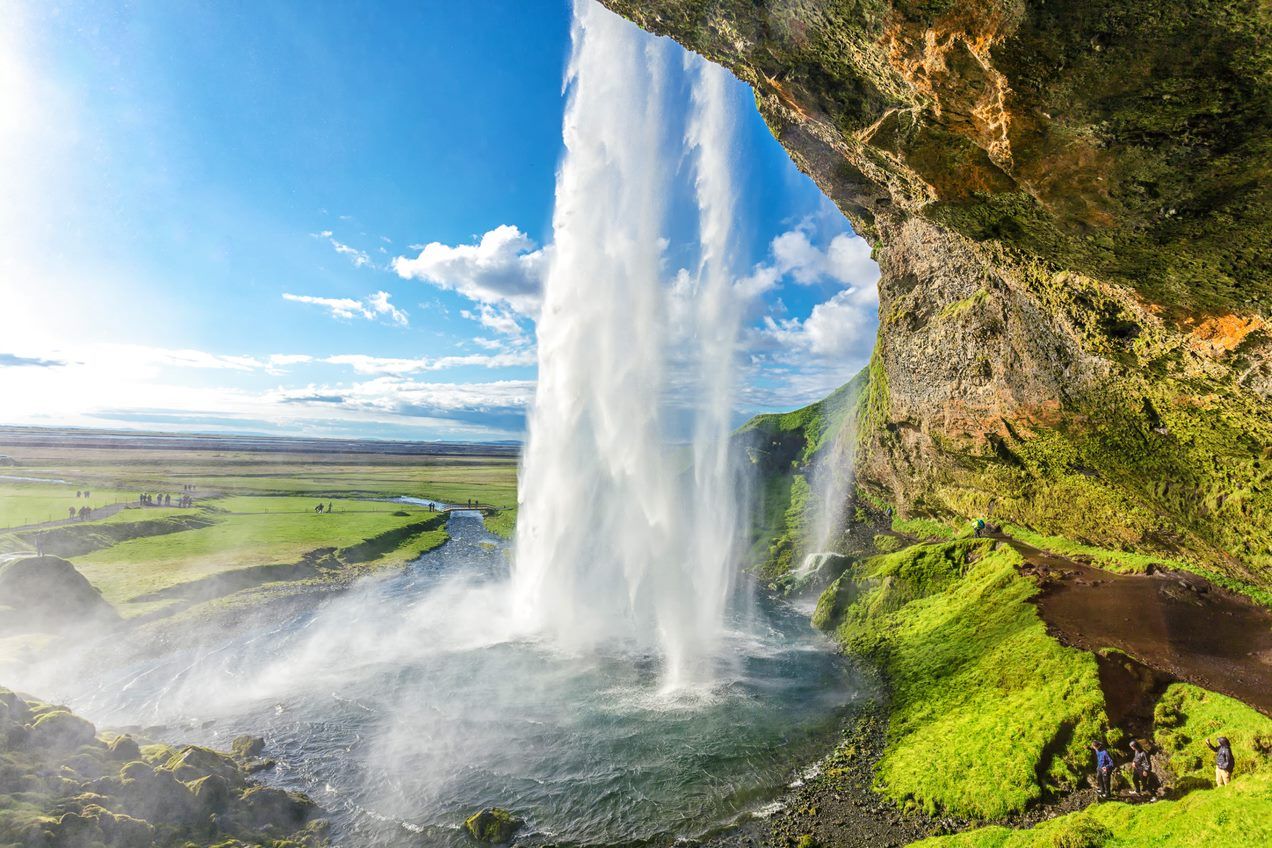
Seljalandsfoss is arguably the most famous waterfall you can walk and swim behind. Its unique horseshoe-shaped cliff allows visitors to enter a cave-like space behind the cascading water. The combination of Iceland’s stark landscapes, the roar of the fall, and the opportunity to peek through the waterfall makes it iconic.
2. Wailua Falls, Hawaii
Hawaii offers a tropical alternative. Wailua Falls is surrounded by lush greenery and accessible by a short hike. The pool behind the waterfall is deep enough to swim in, offering a refreshing respite from the tropical heat.
3. Pinnacles Waterfall, New Zealand
New Zealand’s North Island features the Pinnacles Waterfall, tucked within forested trails. Its natural alcove allows swimming behind the water during low-flow periods, making it a favorite for photographers and adventurous swimmers.
4. Sgwd Yr Eira, Wales
Known as the “fall of snow,” Sgwd Yr Eira is part of the Brecon Beacons National Park. Its moderate height and recessed cliff allow visitors to pass behind the fall safely, creating a surreal, immersive experience.
5. Dunn’s River Falls, Jamaica
While primarily famous for climbing cascades, Dunn’s River Falls offers sections where one can enjoy being under and partially behind cascading water. The tropical climate enhances the swimming experience.
Safety Considerations When Swimming Behind Waterfalls
While the idea of swimming behind waterfalls sounds magical, it comes with serious risks if precautions are ignored. Safety should always be the top priority.
1. Water Volume and Flow Rate
High water flow increases the force behind the fall, which can trap or injure swimmers. Always check seasonal conditions.
2. Hidden Rocks
The alcoves behind waterfalls often contain slippery rocks or jagged edges. Wearing water shoes with grip can prevent cuts and falls.
3. Temperature and Hypothermia
Even tropical waterfalls can have cold water, especially if fed by mountain streams. Prolonged exposure can lead to hypothermia. Enter gradually and monitor your body’s reaction.
4. Swimming Ability
Strong swimmers should attempt waterfalls behind swimming only. Currents, sudden drops, or undertows can make weaker swimmers vulnerable.
5. Local Wildlife
Some waterfalls have aquatic life—snakes, leeches, or sharp-shelled creatures. Being aware of local wildlife prevents unpleasant surprises.
6. Accessibility and Rescue
Choose waterfalls with safe entry and exit points. Remote locations without emergency services pose additional risks.
The Science of the Alcove: Why Some Waterfalls Have Space Behind Them
Not all waterfalls have enough room behind to allow swimming. This space is often formed by a combination of geological and hydrological factors.
- Differential Erosion
Soft rock erodes faster than hard rock. When a layer of soft rock lies beneath a harder layer, water undercuts the softer rock, creating a hollow behind the waterfall. - Rock Fractures
Water exploits natural fractures and weaknesses in rock. Over centuries, this can form cavernous spaces. - Sediment Transport
Water carries sediment that can sculp recesses and alter the shape of the waterfall over time. Pools at the base may deepen or shallow depending on sediment deposition.
The Thrill Factor: Psychology of Swimming Behind Waterfalls
Why do people seek this adventure? The appeal goes beyond novelty.
- Sensory Immersion: The roar, mist, and chill create a full sensory experience.
- Seclusion: Behind the fall, one experiences a natural private space hidden from the world.
- Risk and Reward: Controlled risk activates adrenaline, enhancing feelings of achievement.
- Connection to Nature: Being so close to raw natural power can trigger awe and mindfulness.
Tips for the Best Experience
- Wear a Waterproof Action Camera: Capture the surreal view behind the waterfall.
- Visit in Off-Peak Hours: Avoid crowds for a more serene experience.
- Scout the Area First: Observe water force and check for rocks before entering.
- Go with a Buddy: Safety in numbers, especially in slippery or remote locations.
- Protect Electronics and Valuables: Mist can damage devices and clothing items.
Environmental Responsibility
Swimming behind waterfalls is fun, but it comes with ecological responsibility:
- Avoid littering.
- Do not disturb flora and fauna.
- Stick to marked paths to prevent erosion.
- Avoid applying sunscreens or lotions that can harm water quality.
Respecting the environment ensures that waterfalls remain pristine for future adventurers.
Alternative Experiences if Swimming Isn’t Possible
Not all waterfalls are safe for swimming behind. Alternative ways to enjoy the magic include:
- Viewing Platforms: Some waterfalls have built-in trails that offer behind-the-fall views without entering the water.
- Kayaking or Canoeing: Waterfalls in rivers may allow safe approaches from a boat.
- Photography from Different Angles: Capturing the waterfall with wide-angle lenses or drones provides unique perspectives.
- Virtual Reality Experiences: Certain tours recreate waterfalls digitally for immersive viewing.
Conclusion
Yes, it is possible to find waterfalls that you can swim behind, but doing so requires careful consideration of geology, water flow, and safety. Places like Seljalandsfoss in Iceland, Sgwd Yr Eira in Wales, and Wailua Falls in Hawaii offer unforgettable experiences for those seeking adventure. The key is preparation: understanding the waterfall, respecting natural forces, and prioritizing safety. Swimming behind a waterfall is more than just a thrill—it’s a dance with nature, an intimate encounter with power and beauty that leaves lasting memories.