





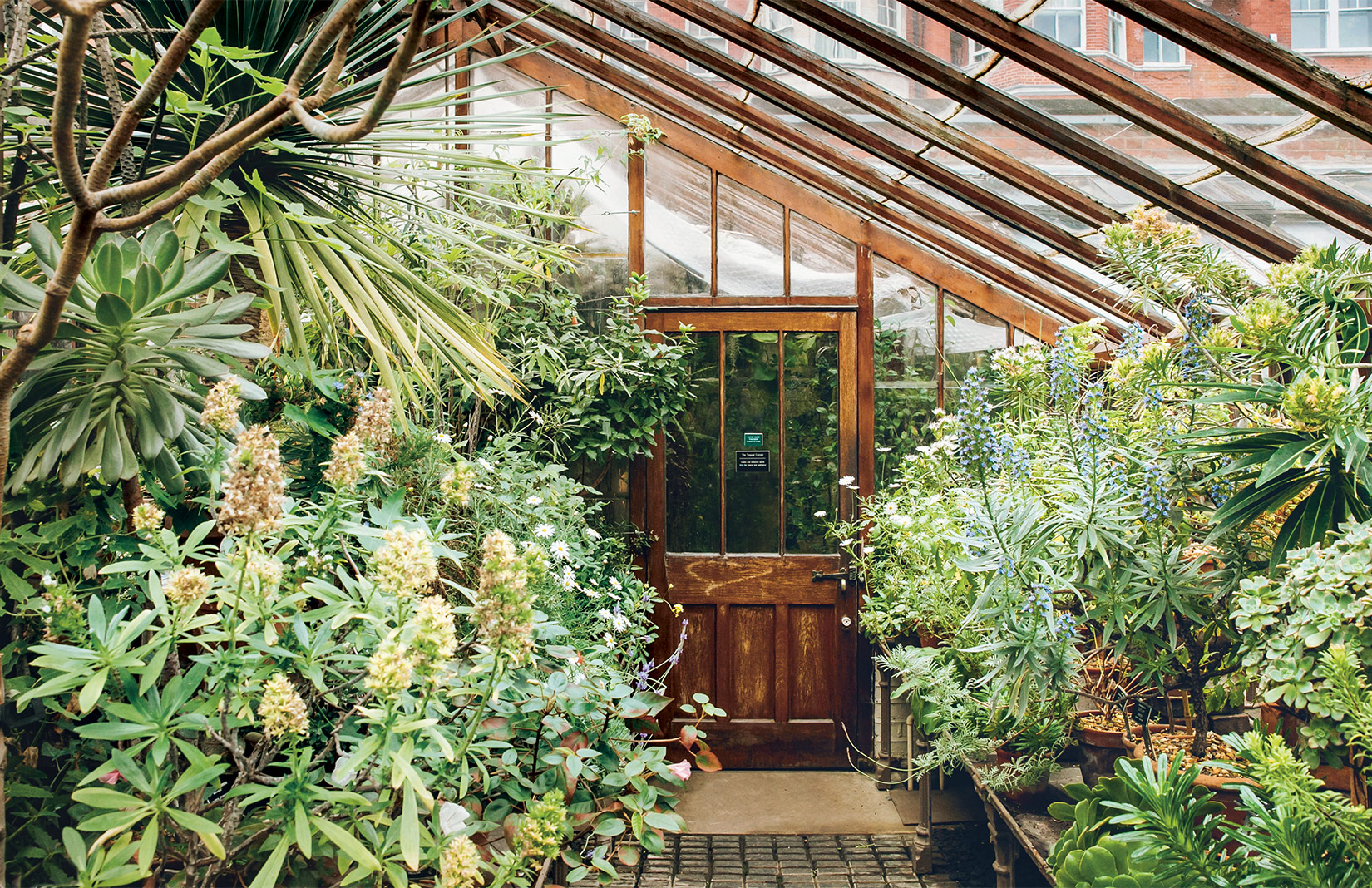

In a world increasingly dominated by crowded attractions, neon lights, and Instagrammable landmarks, there exists a quieter, subtler charm that often goes unnoticed: hidden gardens. These small, tucked-away green spaces—sometimes just a courtyard behind a forgotten alley, sometimes a secluded corner in an old estate—possess a unique enchantment. Unlike famous parks, which are often bustling with tourists and scheduled events, hidden gardens invite visitors to slow down, to notice, to reflect. But what is it that makes these secretive havens more captivating? And can they truly rival the grandeur of renowned urban parks?
The Allure of the Hidden
Hidden gardens offer an intimacy that large, famous parks rarely can. Their size, often modest, encourages a sense of personal connection. Stepping into a hidden garden is like entering a private world, a momentary escape from the constant hum of city life. There is no pressure to pose for photos, to follow crowds, or to navigate labyrinthine pathways filled with strangers. Instead, every footstep, every rustle of leaves, every ray of sunlight filtering through branches feels deliberate, almost sacred. The garden itself seems to whisper secrets, revealing itself slowly to those willing to pause and listen.
Famous parks, by contrast, are designed to accommodate masses. They are stages for recreation, festivals, and tourism. While they can be beautiful, their enchantment is diluted by the sheer scale of human activity. Hidden gardens, on the other hand, create a microcosm of wonder, where a single bench or a tiny pond can hold as much magic as a sprawling fountain or ornate sculpture in a metropolitan park.
Sensory Immersion
One reason hidden gardens feel so enchanting lies in the richness of sensory experiences they offer. A well-hidden garden engages all senses simultaneously. You hear the soft chirping of birds, the subtle trickle of a fountain, and the occasional crunch of fallen leaves underfoot. The scent of blooming flowers mingles with the earthy aroma of damp soil. Sunlight, filtered through dense foliage, creates patterns of shadow and light that dance across moss-covered stones. These experiences feel heightened precisely because they are rare; the absence of crowds allows for a more profound connection to the environment.
Famous parks often attempt to provide similar sensory delights, but the effect is diluted by noise, human traffic, and the constant presence of structured activities. The sensory overload of a city park can prevent deep immersion, whereas hidden gardens operate almost as laboratories for natural wonder, fostering a quiet contemplation that famous parks struggle to replicate.
Historical Layers
Many hidden gardens carry with them a palpable sense of history. Often attached to historic estates, monasteries, or private residences, these gardens have evolved over centuries. Each stone path, wrought-iron gate, or carefully pruned shrub tells a story. Visiting a hidden garden can feel like stepping back in time, connecting visitors with generations of caretakers who tended the same soil long before smartphones existed.
Famous parks, while sometimes historic themselves, often undergo continual renovation to maintain their appeal to tourists. In doing so, they may lose traces of the past, replacing layers of authentic history with modern landscaping. Hidden gardens, protected by their seclusion, tend to retain their original character, offering a more intimate and authentic experience of nature’s interaction with human culture over time.
Microclimates and Biodiversity
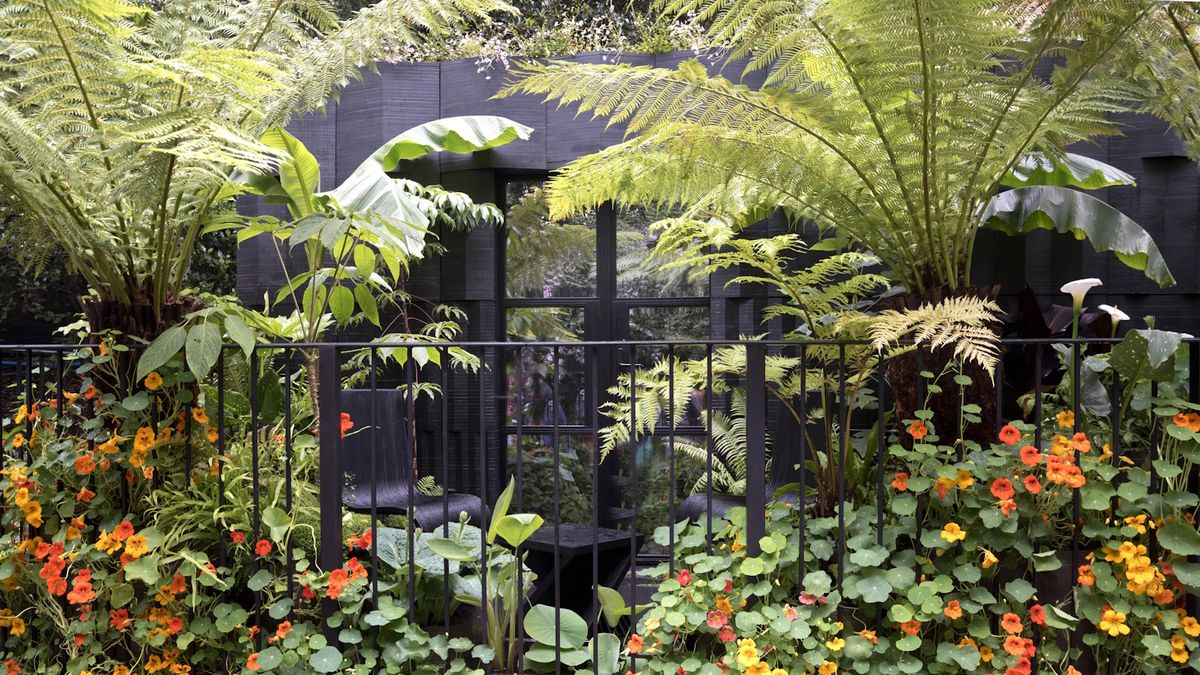
Hidden gardens frequently boast unique ecological characteristics. Their seclusion can create microclimates that allow unusual plant species to thrive, from delicate ferns to rare orchids. The careful curation of flora, often by passionate private owners or small community groups, results in ecosystems that are diverse and finely balanced. Birds, insects, and small mammals find refuge here, creating an intricate web of life in miniature. The quiet, controlled environment encourages species to flourish in ways that large, public parks—with heavy foot traffic and routine maintenance—cannot always support.
This biodiversity is part of the enchantment. Every visit can reveal something new: a flower in bloom that was invisible a week ago, a bird’s nest tucked beneath a canopy, or a butterfly resting on a sun-warmed stone. Famous parks offer variety too, but the scale and uniformity often make encounters with rare or fleeting natural phenomena less intimate and less surprising.
The Role of Surprise
One of the most magical aspects of hidden gardens is their unpredictability. You cannot plan for the exact moment when sunlight will catch a dew-laden spiderweb or when a flock of birds will take flight above a quiet pond. The surprise element is integral; it transforms ordinary moments into extraordinary experiences. This element of discovery creates a psychological effect that is profoundly satisfying. In essence, hidden gardens reward curiosity, patience, and attentiveness.
Famous parks, while visually stunning, often provide predictable experiences. You know where the main attractions are, the pathways are clearly marked, and events are scheduled. While comforting for visitors, the element of personal discovery is minimized. Hidden gardens, conversely, are inherently adventurous—every turn may unveil something unexpected.
Emotional Resonance
Beyond visual and sensory appeal, hidden gardens have an emotional resonance that famous parks can rarely achieve. Their intimacy fosters reflection, nostalgia, and even a sense of personal ownership. When you discover a hidden garden, there is an unspoken acknowledgment: you were one of the few who stumbled upon this secret, and in doing so, you become part of its story. This emotional connection transforms a simple stroll into an almost meditative journey.
Famous parks, while capable of inspiring awe, often do so on a collective level. They are symbols, stages, and communal spaces. Hidden gardens are deeply personal, offering a sanctuary where one can experience solitude, wonder, and the subtle poetry of nature.
Design Philosophy
Hidden gardens often follow design principles distinct from large, public parks. The scale allows for experimentation: asymmetry, intimate focal points, and the use of natural materials in their raw form. Pathways may meander rather than follow a rigid grid, encouraging exploration. Water features are scaled for contemplation rather than spectacle. Plantings are chosen for texture, scent, and seasonal variation rather than uniformity. These principles align closely with philosophies such as wabi-sabi, which values imperfection and transience, and the English cottage garden tradition, which celebrates informal beauty and ecological harmony.
Famous parks, in contrast, often prioritize monumental statements, sightlines, and large-scale symmetry. While visually impressive, these designs cater to crowds and visibility rather than intimate, sensory engagement. Hidden gardens offer a more subtle, layered experience, where every design choice contributes to a sense of quiet enchantment.
Cultural Significance
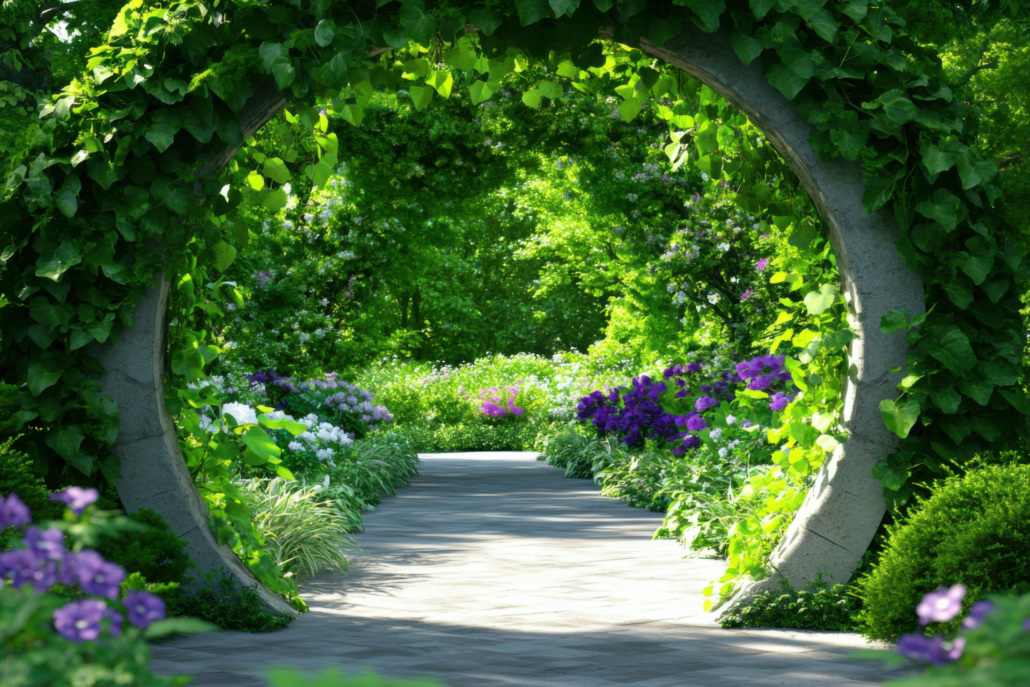
Hidden gardens can reflect the local culture in ways large parks may not. They are often maintained by small communities, families, or individuals, embodying local traditions, horticultural knowledge, and storytelling. The flora, garden structures, and even maintenance practices may be tied to regional identity, seasonal rituals, or spiritual beliefs. Visiting such a garden is a cultural immersion as much as a natural one.
Famous parks, while culturally significant, are frequently curated to appeal to a broad audience. Their design may aim for universal appeal, which can dilute the intimate connection to local heritage. Hidden gardens, by virtue of their secrecy and scale, preserve authenticity and cultural nuance.
Accessibility and Exclusivity
Ironically, hidden gardens’ limited accessibility is part of their charm. The effort required to find them—research, local tips, wandering through quiet streets—creates a sense of adventure. It turns a visit into a small victory, enhancing the perceived value of the experience. Famous parks, accessible to all and often featured in travel guides, are more democratic but less exclusive. Their magic is collective rather than private.
The sense of discovery in hidden gardens taps into a psychological reward system: the joy of uncovering something rare, cherished, and almost forgotten. This exclusivity amplifies enchantment in ways that public spaces cannot replicate, despite their grandeur.
The Future of Hidden Gardens
In the age of urbanization and environmental stress, hidden gardens may become increasingly important. They offer not only aesthetic pleasure but also ecological value, serving as refuges for biodiversity and small-scale ecosystems. They can also provide mental health benefits, offering calm spaces for reflection, mindfulness, and connection with nature. Preserving these gardens requires awareness and care: unlike famous parks, which often receive public funding, hidden gardens depend on private stewardship or small community initiatives. Recognizing their value is essential for future generations.
Famous parks will continue to play their role in recreation and urban planning, but hidden gardens remind us of the power of subtlety, intimacy, and surprise in the human experience. Their enchantment is not derived from scale but from depth, not from visibility but from discovery.
Conclusion
Are hidden gardens more enchanting than famous parks? The answer lies not in a simple comparison of size or visitor numbers but in the quality of experience. Hidden gardens captivate through intimacy, sensory immersion, historical resonance, biodiversity, surprise, and emotional depth. They reward curiosity, patience, and attentiveness, offering a personal and transformative encounter with nature and culture. Famous parks impress through scale, spectacle, and collective enjoyment, but hidden gardens enchant on a personal, almost secretive level.
In an age of instant gratification, crowded tourist attractions, and digital oversaturation, hidden gardens offer a rare, restorative magic. They remind us that true enchantment often resides not in what everyone can see, but in what we are willing to discover for ourselves. To wander a hidden garden is to participate in a subtle, ongoing dialogue between nature, history, and the human spirit—a dialogue that, once experienced, leaves an indelible mark on the heart.