





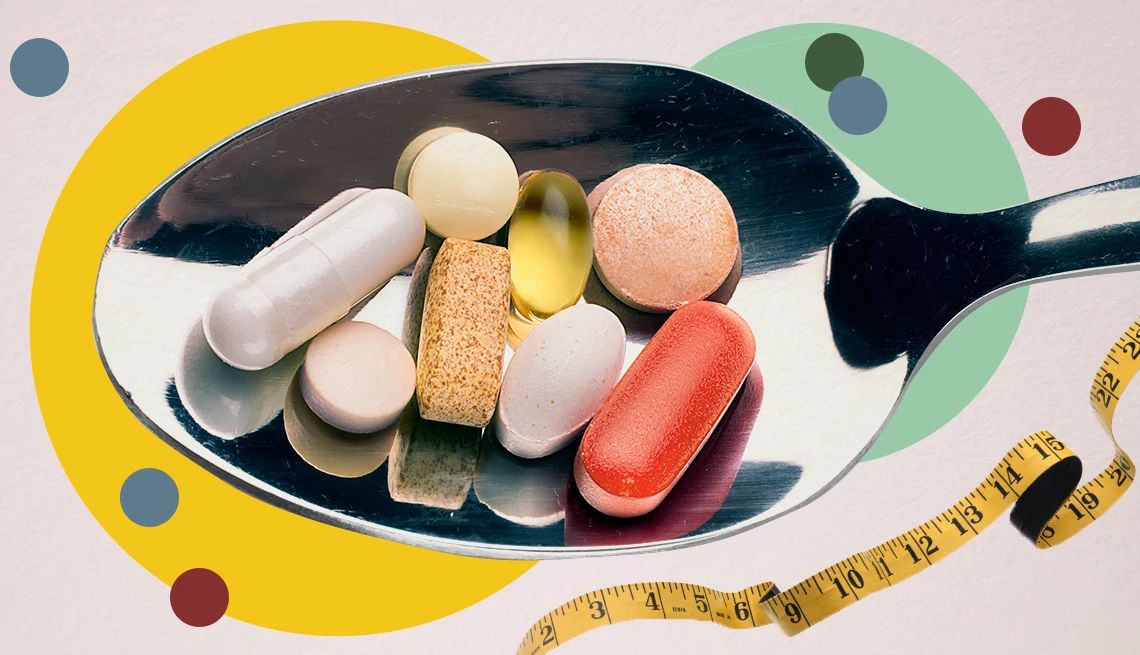

In recent years, the wellness industry has exploded with the promise of personalization. From DNA-based diets to custom vitamin packs delivered to your doorstep, the idea is simple: you are unique, so your supplements should be too. Personalized supplements promise to optimize health, improve energy, and even fine-tune mental clarity based on your genetics, bloodwork, or lifestyle. Sounds appealing, right? But beneath the glossy packaging and sleek apps lies a question that every health-conscious consumer should ask: are personalized supplements really worth the hype, or are they simply overrated?
The Rise of Personalized Supplements
The personalized supplement industry is booming. Market research shows that the global personalized nutrition market is projected to reach tens of billions of dollars in the next decade. Tech companies and biotech startups have jumped on the trend, offering services ranging from at-home saliva tests to wearable devices that track biomarkers and provide customized nutrient recommendations.
The pitch is seductive: why settle for a generic multivitamin when you could get a formulation tailored specifically to your body? Imagine a daily capsule designed precisely for your vitamin D deficiency, B12 absorption efficiency, and antioxidant needs. It’s the ultimate promise of science meeting convenience. But the key question is: does the science behind these supplements live up to the marketing?
How Personalized Supplements Work
Personalized supplements generally rely on three main pillars:
- Genetic Testing: Companies analyze your DNA to predict nutrient metabolism, like whether you process vitamin B12 efficiently or if caffeine affects your blood pressure.
- Biomarker Analysis: Blood, saliva, or urine tests measure specific nutrient levels or biomarkers. These results supposedly guide precise supplement formulation.
- Lifestyle and Dietary Data: Apps track your diet, sleep, activity, and stress levels to fine-tune recommendations.
On paper, this sounds impressive. Knowing your biology could theoretically prevent nutrient deficiencies, reduce chronic disease risk, and optimize performance. But there are critical limitations.
The Science Behind Nutrient Personalization
Here’s where things get tricky. While genetics and biomarkers do influence nutrient needs, the science is not always straightforward.
- Genetic Variability: Many genes linked to nutrient metabolism have small effects individually. For instance, a common genetic variant might slightly reduce folate absorption. But does this small effect justify a specialized supplement, or can a balanced diet cover it? The evidence is mixed.
- Biomarker Limitations: Blood or urine tests are snapshots in time. Vitamin levels fluctuate based on recent meals, hydration, and other factors. Relying on a single test may lead to over-supplementation rather than correction.
- Lifestyle Oversimplification: Apps can track steps, calories, or sleep, but they cannot capture the full complexity of nutrient interactions, gut microbiome diversity, or hormonal balance. Translating these data points into a precise supplement formula is more art than science.
In short, personalization is promising but far from perfect.
Are Personalized Supplements More Effective Than Generic Ones?
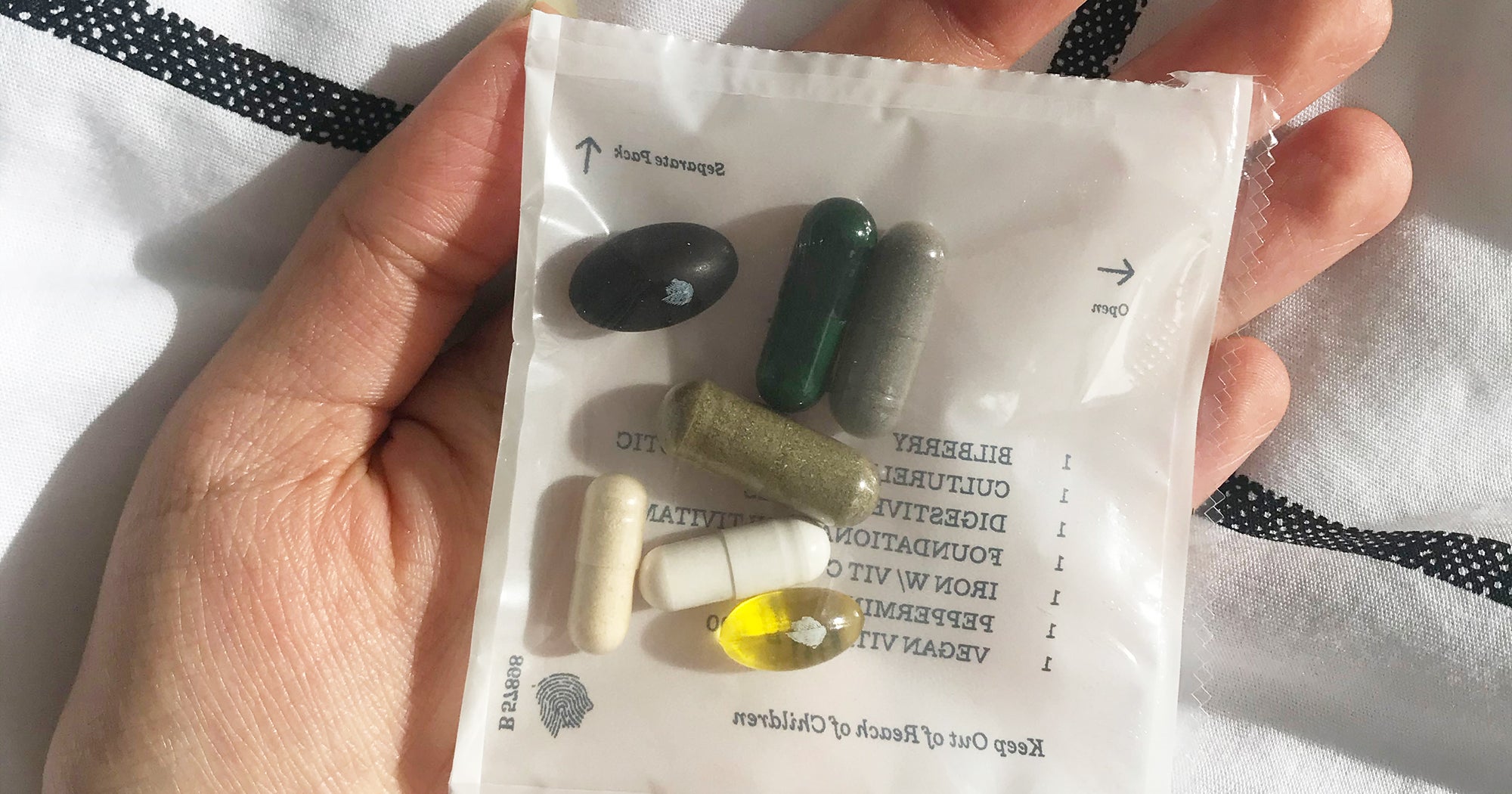
This is the million-dollar question. Do personalized supplements deliver better results than a standard multivitamin?
- Limited Evidence: Most research comparing personalized supplements to generic multivitamins is still in its infancy. While some small studies show benefits, larger clinical trials have yet to confirm that DNA- or biomarker-based supplementation outperforms standard supplementation for the average person.
- Placebo Effect: Personalization can feel empowering. Receiving a capsule designed “just for you” may boost adherence, creating a positive perception of improvement even if the supplement itself is not dramatically different from generic options.
- Individual Cases: Personalized supplements may matter for people with clear deficiencies, chronic conditions, or specific genetic markers affecting nutrient absorption. For the average healthy adult with a balanced diet, the marginal benefit may be negligible.
The Marketing Hype
A big part of the debate comes down to marketing. Personalized supplement companies often use sleek, futuristic branding to suggest that their products are cutting-edge science. Terms like “genome-based nutrition” or “AI-driven wellness” make the product sound revolutionary, even if the underlying science is still evolving.
It’s also worth noting that the supplement industry is lightly regulated in many countries. Unlike prescription medications, companies do not need to prove efficacy before selling products. This regulatory gap allows marketing claims to stretch far beyond what the science currently supports.
Risks of Personalized Supplements
While generally considered safe, personalized supplements carry potential risks:
- Over-supplementation: Taking high doses of certain vitamins or minerals can be harmful. For example, excessive vitamin A or iron can lead to toxicity. Personalized plans based on limited or inaccurate testing might unintentionally push intake too high.
- False Security: Relying on supplements instead of diet can encourage unhealthy habits. Some people may neglect nutrient-rich foods thinking their personalized pill covers all bases.
- Privacy Concerns: DNA and health data are extremely sensitive. Not all companies have robust security, leaving users vulnerable to data misuse.
When Personalized Supplements Make Sense
Despite the hype, there are situations where personalized supplements may genuinely add value:
- Documented Nutrient Deficiencies: If testing confirms low vitamin D or iron, a tailored supplement can correct deficiencies faster than diet alone.
- Absorption Issues: Certain genetic conditions or digestive disorders can impair nutrient uptake. Personalized supplements can compensate for these challenges.
- High-performance Goals: Athletes or individuals with intense physical demands may benefit from precise supplementation based on biomarkers.
Even in these cases, the approach should be guided by qualified healthcare professionals rather than solely relying on an app or a direct-to-consumer kit.


Practical Alternatives to Personalized Supplements
Before investing hundreds of dollars per month in customized capsules, consider these practical strategies:
- Balanced Diet First: Most nutrient needs can be met through a varied diet rich in vegetables, fruits, whole grains, lean proteins, and healthy fats.
- Routine Blood Tests: Periodic testing through a doctor can provide accurate biomarkers and guide standard supplementation without the bells and whistles.
- Targeted Generic Supplements: For common deficiencies like vitamin D, omega-3s, or magnesium, generic supplements are usually sufficient and more affordable.
- Lifestyle Optimization: Sleep, exercise, and stress management influence nutrient absorption and overall health just as much as supplementation.
The Psychology of Personalization
One reason personalized supplements feel so appealing is psychological ownership. When people feel that a product is designed specifically for them, they are more likely to engage with it. This phenomenon, known as the “IKEA effect” in psychology, can increase adherence and perceived results—even if the actual health impact is minimal.
Moreover, personalization taps into a cultural trend: self-optimization. In a world obsessed with efficiency, performance, and biohacking, the idea that a single capsule could unlock your full potential is hard to resist. Companies leverage this desire to sell a dream as much as a supplement.
Cost Considerations
Cost is another major factor. Personalized supplements can range from $50 to $200 per month. Over a year, that’s easily $600–$2,400. Compare this to generic multivitamins, which often cost less than $20 per month.
When weighing cost versus benefit, most healthy adults may not see enough added value to justify the expense. The key exception, again, is individuals with documented deficiencies or unique health needs.
The Future of Personalized Nutrition
The potential for personalized nutrition is undeniable. Advances in genomics, microbiome research, and AI-driven analytics could eventually allow truly precise interventions. In the future, we might see supplements designed not just for broad nutrient categories but for individual metabolic profiles and gut microbiome interactions.
However, the current market is a mix of science and marketing. Until larger clinical trials confirm significant benefits, personalized supplements should be approached with curiosity—but tempered skepticism.
Bottom Line
So, are personalized supplements overrated? The answer depends on perspective:
- For the average healthy adult: Yes, mostly. Standard multivitamins, a balanced diet, and lifestyle optimization often provide comparable benefits without the hefty price tag.
- For individuals with deficiencies or special needs: No, they can be useful when based on credible testing and professional guidance.
- For the general hype-driven consumer: Caution is warranted. Sleek marketing and DNA-based claims don’t automatically translate to superior health outcomes.
In essence, personalized supplements are an exciting concept, but the reality is nuanced. They are not a magic bullet, nor a replacement for fundamental health practices. They can enhance wellness in certain contexts, but many consumers may find the benefits marginal compared to cost, effort, and alternative strategies.
Key Takeaways
- Personalized supplements promise individualized health optimization but are limited by current science.
- Most healthy adults do not require highly tailored supplements to meet their nutrient needs.
- Marketing often exaggerates benefits, so informed skepticism is essential.
- DNA and biomarker testing can be helpful for specific deficiencies or absorption issues.
- Lifestyle factors, diet, and affordable generic supplements often provide equal or better outcomes.
- Cost, data privacy, and over-supplementation risks should be considered before purchasing.
Ultimately, the future may hold more precision in personalized nutrition. For now, a balanced diet, informed supplementation, and healthy lifestyle remain the smartest, most reliable strategies. Personalized supplements are intriguing, but for most people, they are more luxury than necessity.