





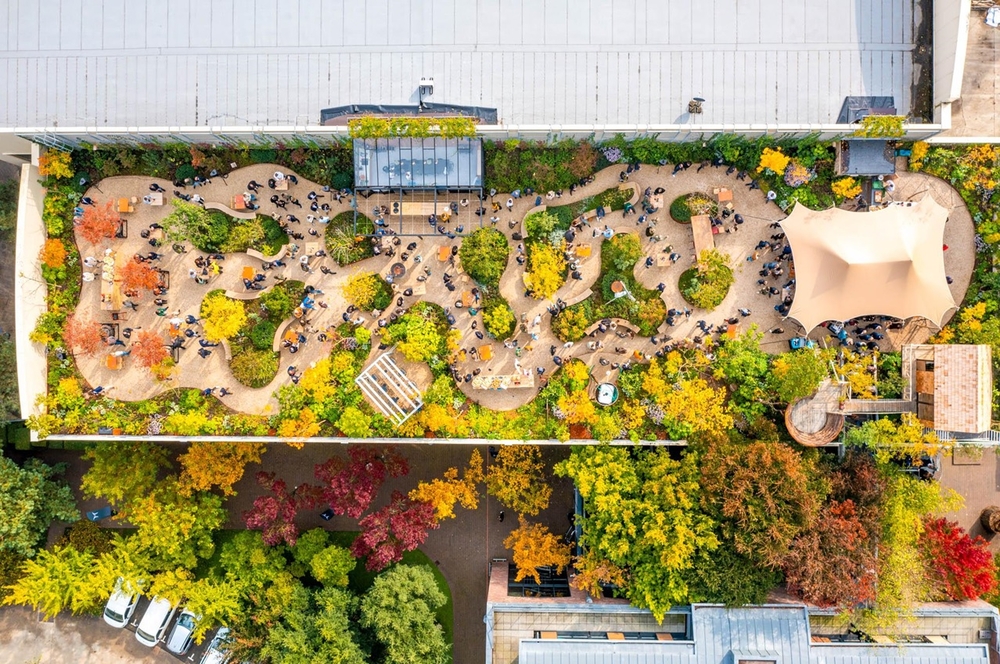

In the modern world, our minds are constantly in overdrive. Between endless notifications, bustling streets, and the ceaseless hum of work obligations, mental fatigue has quietly become one of the most pervasive ailments of urban life. People often try coping with coffee, screens, or fleeting distractions, but these only offer temporary relief. What if the solution was simpler, greener, and right outside your door? Enter urban gardening—a practice that promises not only aesthetic satisfaction but a profound mental reset. Could urban gardening be the antidote to the cognitive exhaustion plaguing city dwellers? Let’s dig in, literally and figuratively.
The Invisible Epidemic: Mental Fatigue in the City
Mental fatigue is more than feeling tired after a long day; it is a state of cognitive overload where attention wanes, motivation dips, and emotional regulation falters. Neuroscientists describe it as the depletion of executive functions—critical mental processes that govern decision-making, problem-solving, and self-control.
In urban environments, mental fatigue is exacerbated by constant sensory input: honking horns, flashing billboards, crowded public transport, and the never-ending ping of digital notifications. Studies suggest that urban residents experience higher levels of stress and anxiety than those living in rural areas, and this chronic cognitive strain can even increase the risk of burnout and depression.
But there’s hope. Emerging research indicates that interaction with natural environments—however small—can restore cognitive capacity. Here’s where urban gardening enters the scene.
Urban Gardening: More than Just a Trend
Urban gardening, the practice of cultivating plants in city spaces such as rooftops, balconies, community plots, and vertical gardens, has surged in popularity over the past decade. At first glance, it may seem like just another hip hobby, a way to grow fresh herbs or decorate apartments. But beneath the greenery lies a sophisticated blend of psychology, biology, and neuroscience that directly counters mental fatigue.
Unlike traditional gardening in rural settings, urban gardening often requires creativity to overcome spatial and environmental constraints. This makes it not only a form of physical activity but also a cognitive exercise, engaging attention, planning, and problem-solving.
The Science Behind Gardening and the Mind
Nature’s Cognitive Reset
One of the most compelling theories explaining the mental benefits of gardening is Attention Restoration Theory (ART). ART suggests that urban environments demand directed attention—a type of focus that requires effort and leads to mental fatigue. Natural environments, in contrast, allow for “soft fascination,” which gently engages the mind without taxing cognitive resources.
Gardening uniquely combines soft fascination with goal-directed activity. Planting seeds, watering seedlings, and watching growth unfold offers a restorative break for the brain. The repetitive, sensory-rich tasks trigger mindfulness, lowering cortisol levels and improving mood.
Neurobiological Benefits
From a neurobiological perspective, exposure to greenery stimulates the parasympathetic nervous system—the branch responsible for relaxation and recovery. Regular engagement with plants increases levels of serotonin and dopamine, neurotransmitters associated with happiness and motivation. Studies on horticultural therapy show measurable decreases in stress hormones after just 30 minutes of gardening.
Moreover, physical interaction with soil may introduce beneficial microbes that enhance immune function and potentially influence mental health. This phenomenon, sometimes referred to as “the garden effect,” highlights an intriguing link between our microbiome, environment, and mood regulation.
Urban Gardening as a Mindful Practice
Gardening requires attention, patience, and observation, making it inherently mindful. Unlike passive exposure to nature, active gardening engages both body and mind:

- Observation Skills: Noticing subtle changes in plant growth trains attention to detail.
- Problem-Solving: Adjusting watering schedules, soil types, and plant positioning enhances cognitive flexibility.
- Routine and Ritual: Regular care of plants creates structured habits, which can improve time management and reduce anxiety.
Mindfulness is widely recognized as a powerful tool against mental fatigue. By fostering present-moment awareness and reducing rumination, gardening indirectly boosts resilience and emotional regulation.
Physical Movement and Mental Refreshment
It may come as a surprise, but urban gardening is a subtle form of exercise. Lifting pots, bending to weed, and stretching to reach plants all engage muscles gently but consistently. This light physical activity increases blood flow and oxygen delivery to the brain, enhancing alertness and improving executive function.
Unlike intensive workouts that may add stress if done excessively, gardening offers a balanced, restorative form of movement. For city dwellers confined to desks or apartments, this combination of physical and cognitive activity is especially potent.
Designing a Garden for Maximum Mental Benefit
Not all urban gardens are equally beneficial for mental restoration. Thoughtful design can maximize the cognitive and emotional impact. Key elements include:
- Diversity of Plants: Mixing textures, colors, and scents stimulates multiple senses simultaneously.
- Accessibility: Ensure easy access to watering and maintenance tools to reduce friction and frustration.
- Sensory Corners: Include aromatic herbs or textured foliage to encourage tactile and olfactory engagement.
- Visual Appeal: Patterns and arrangements that are aesthetically pleasing enhance soft fascination.
- Community Integration: Collaborative gardening boosts social support, which is protective against stress.
Community Gardens: Social Connection as a Cognitive Booster
One dimension often overlooked in urban gardening is its social impact. Mental fatigue isn’t only a result of cognitive overload; social isolation can exacerbate feelings of exhaustion. Community gardens provide opportunities for social interaction, cooperation, and knowledge exchange.
The simple act of sharing tips, exchanging produce, or celebrating plant growth fosters a sense of belonging. Social interaction in combination with nature exposure has been shown to amplify restorative effects, creating a synergy that individual efforts alone may not achieve.
Case Studies and Real-World Examples
Around the world, cities have embraced urban gardening as a mental health intervention:
- Tokyo, Japan: Rooftop gardens in office districts reduce employee stress and improve concentration.
- New York City, USA: Community plots in dense neighborhoods have been linked to lower self-reported stress and improved sleep quality.
- Berlin, Germany: Urban allotments provide older adults with meaningful activity, combating cognitive decline.
- Singapore: Vertical gardens in residential buildings enhance residents’ mood while optimizing space in a high-density city.
These examples illustrate that urban gardening is scalable, adaptable, and effective across diverse cultures and climates.
Psychological Mechanisms in Depth
Several psychological processes explain why gardening combats mental fatigue:

- Restoration of Directed Attention: Engaging with plants allows the brain to shift from effortful concentration to effortless focus.
- Sense of Achievement: Watching plants grow provides immediate, tangible feedback, boosting self-efficacy.
- Reduction of Rumination: Gardening distracts the mind from repetitive, negative thought patterns.
- Connection to Nature: Biophilia, the innate human affinity for natural life, promotes emotional balance and cognitive recovery.
Interestingly, even small-scale interventions—like caring for a few potted plants on a balcony—can produce measurable improvements in attention and mood.
Digital Detox Through Gardening
Mental fatigue is often aggravated by screen time. Urban gardening provides a natural counterbalance to digital overload. Tasks such as pruning, planting, or soil preparation require full attention, drawing people away from notifications and social media. Unlike other hobbies that may still rely on devices, gardening is intrinsically screen-free, offering the brain a genuine respite.
Challenges and Limitations
While urban gardening is promising, it is not a universal panacea:
- Space Constraints: Not everyone has access to balconies, rooftops, or shared plots.
- Initial Investment: Tools, soil, and plants require some upfront cost.
- Maintenance Requirements: Neglect can turn a restorative activity into a source of stress.
- Climate Limitations: Some urban areas may face extreme weather, limiting plant survival.
Despite these challenges, creative solutions like vertical gardens, hydroponics, and indoor planting kits make gardening feasible in even the most constrained environments.
Practical Tips for Getting Started
For beginners aiming to use urban gardening as a mental recharge:
- Start Small: Begin with a few potted herbs or succulents.
- Create a Routine: Dedicate 15–30 minutes daily to plant care.
- Mix Sensory Elements: Incorporate scented plants, colorful flowers, and textured leaves.
- Track Progress: Keep a growth journal to reinforce the sense of achievement.
- Connect Socially: Join local gardening groups for advice and community support.
Consistency, rather than scale, is the key to cognitive restoration through gardening.
Future Directions: Urban Gardening as Public Health Strategy
As cities face mounting stress-related health issues, urban gardening could evolve from hobbyist pastime to structured mental health intervention. Potential strategies include:
- Workplace Integration: Rooftop and indoor gardens in offices to reduce employee burnout.
- School Programs: Teaching students plant care to enhance attention and reduce anxiety.
- Healthcare Applications: Horticultural therapy in hospitals and rehabilitation centers to support recovery and emotional well-being.
- Urban Planning: Designing neighborhoods with accessible green spaces to prevent cognitive overload before it begins.
Investing in green infrastructure is not just environmentally responsible; it may be an essential cognitive and emotional investment for urban populations.
Conclusion: Digging Into Mental Wellness
Urban gardening offers more than aesthetic beauty or fresh produce; it presents a scientifically grounded method to combat mental fatigue. By combining sensory engagement, mindful activity, gentle physical movement, and social interaction, gardening acts as a holistic cognitive restorative.
In a world dominated by screens, noise, and constant stimulation, taking a few moments to nurture a plant may be one of the most radical acts of self-care. The evidence suggests that even small doses of greenery can reset attention, boost mood, and enhance overall mental resilience.
So the next time your brain feels fried from city life, remember: the solution might not be a coffee break or an app—it might be a patch of soil, a handful of seeds, and the simple act of watching life grow. Urban gardening, it seems, is more than a hobby—it’s a cognitive lifeline.