






Virtual Reality, commonly abbreviated as VR, has long been associated with gaming, sci-fi fantasies, and immersive adventures. A headset over your eyes, hand controllers in your grasp, and suddenly, you are no longer in your living room—you are flying through alien skies, battling dragons, or exploring lost civilizations. Yet, the question arises: is VR merely a source of amusement, or has it evolved into a versatile tool for modern lifestyles? As technology matures, the lines between play, productivity, and daily living are blurring. VR may no longer be just entertainment; it could be the ultimate lifestyle companion.
The Entertainment Roots of VR
To understand VR as a lifestyle tool, we must first acknowledge its beginnings. VR entered the mainstream consciousness through gaming and film. The early 1990s brought clunky VR arcade machines, offering short-lived experiences that were more novelty than substance. Fast forward to the 2010s, and VR reemerged with sleek headsets like Oculus Rift, HTC Vive, and PlayStation VR. These devices brought a level of immersion that arcade machines could only dream of.
Gaming remains the most visible face of VR. Popular titles transport users into rich, interactive worlds, providing experiences impossible through conventional screens. VR allows players to not just observe but participate. This level of engagement has created communities, eSports competitions, and even fitness regimes disguised as games. For instance, VR rhythm games encourage movement, coordination, and cardiovascular exercise, all under the guise of entertainment. The appeal is undeniable: VR games feel more real, more personal, and more memorable than traditional gaming.
Movies and cinematic VR experiences also push the boundaries of storytelling. Filmmakers can place viewers inside the scene, altering the traditional passive watching experience into an active journey. This narrative immersion offers emotional resonance that conventional films struggle to match. VR theaters and 360-degree content can make a horror scene genuinely terrifying or a serene landscape utterly breathtaking. In short, VR’s entertainment potential is vast, diverse, and highly compelling.
Beyond Fun: VR as a Lifestyle Tool
While entertainment remains a primary driver, VR is increasingly recognized as a lifestyle technology with practical, professional, and social applications. Its ability to create immersive, interactive environments opens doors that go far beyond gaming.
Health and Wellness
One of the most promising areas is health and wellness. VR is being used in physical therapy, pain management, and mental health care. For patients recovering from injuries, VR can simulate exercises and environments that make rehabilitation engaging rather than monotonous. Similarly, VR mindfulness apps transport users to calming natural landscapes, guiding meditation and stress relief practices in a way traditional apps cannot.
In mental health, exposure therapy in VR can help individuals confront phobias or anxiety triggers in a controlled, safe environment. Studies suggest that VR exposure therapy can be more effective than conventional methods because it engages the brain’s senses fully, making the experience feel real while remaining entirely safe.

Fitness and Active Lifestyles
Fitness is another domain where VR blurs the line between entertainment and lifestyle. VR-based workouts, like boxing simulations, dance adventures, or obstacle courses, make exercise addictive. Users often lose track of time while burning calories, improving coordination, and boosting cardiovascular health. Unlike conventional workouts, VR combines game mechanics, immersive environments, and instant feedback, transforming exercise from a chore into a playful adventure.
Remote Work and Productivity
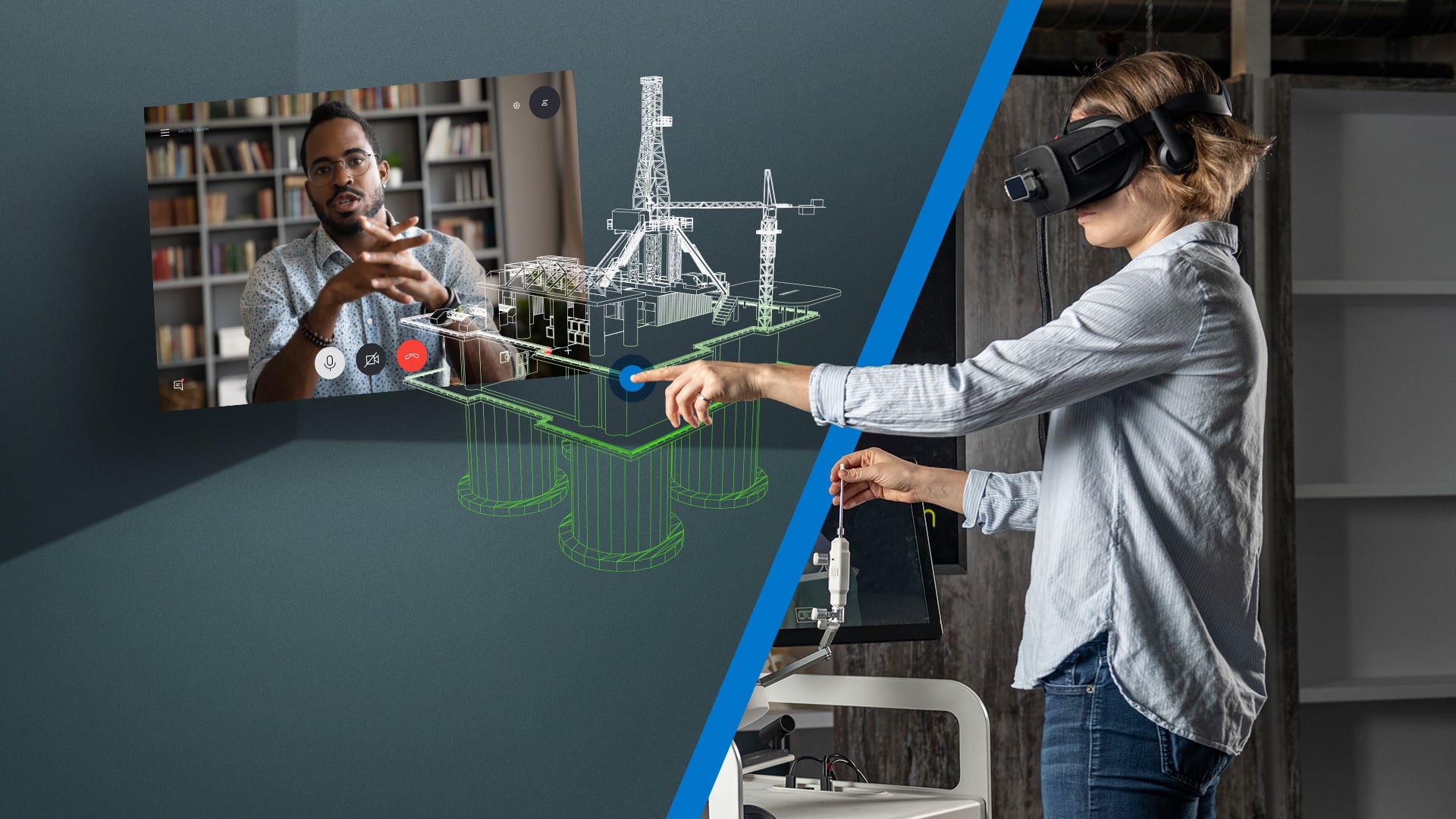
The modern workspace is also undergoing a VR revolution. Virtual offices allow people to meet, collaborate, and brainstorm as if they were physically together. Platforms like Horizon Workrooms or Spatial offer customizable virtual meeting rooms, whiteboards, and interactive tools. For remote teams scattered across continents, VR provides a shared sense of presence and immediacy absent in video calls.
Beyond meetings, VR enhances productivity through simulation-based training and design. Architects can walk through virtual buildings before construction begins. Engineers can test complex machinery without risking damage. Even medical students can perform virtual surgeries repeatedly, honing skills in a zero-risk environment. In these contexts, VR is less a luxury and more a functional lifestyle tool, streamlining work and skill development.
Social Interaction and Community
VR also reshapes social experiences. Social VR platforms allow users to interact, attend events, or simply hang out with friends in virtual spaces. Concerts, art galleries, and global meetups have found a digital second home, accessible from anywhere with a headset. For people isolated by geography, health conditions, or mobility limitations, VR becomes a bridge to meaningful social connections, enriching daily life in ways traditional screens cannot replicate.
Even dating and friendship are finding a new dimension in VR. Avatars, interactive worlds, and shared experiences make virtual encounters more engaging than standard messaging or video calls. Social VR is not a replacement for reality but a supplement, expanding how we connect and share experiences.
VR in Education and Lifelong Learning

Education is another arena where VR transitions from entertainment to a lifestyle tool. Traditional learning often struggles with engagement and practical application. VR addresses this by creating immersive, interactive classrooms where students can explore ancient civilizations, dissect virtual organisms, or conduct chemistry experiments without risk.
Beyond school, lifelong learners benefit from VR’s experiential capabilities. Language learners can practice in simulated environments, cultural enthusiasts can tour historic landmarks, and hobbyists can master skills—from painting to woodworking—through virtual hands-on practice. Learning becomes active, memorable, and personalized, moving far beyond passive screen-based methods.
Balancing Reality: The Psychological and Social Dimensions
Despite its promise, VR as a lifestyle tool comes with challenges. Overuse may blur the boundaries between virtual and physical reality. Social isolation is a risk if virtual interactions replace real-life connections entirely. Moreover, excessive immersion can lead to motion sickness or disorientation in some users.
Psychologists recommend intentional use of VR: integrating it as a tool rather than an escape. The lifestyle potential of VR is unlocked not by constant immersion but by deliberate, purposeful engagement. When used thoughtfully, VR enriches daily living; when overused, it risks becoming a solitary retreat from reality.
VR as a Hybrid Experience
Perhaps the most accurate perspective is that VR is inherently hybrid. It straddles the line between entertainment and lifestyle, offering both play and purpose. Many applications overlap categories. For example, a VR fitness game entertains while promoting health; a virtual museum visit informs and inspires while providing leisure enjoyment.
This duality is what makes VR compelling. Unlike most technologies that are strictly functional or recreational, VR thrives in a blended space. It is an entertainment platform that trains the body, educates the mind, and connects the social self. The same headset can deliver laughter, learning, fitness, and professional growth—all within the same day.
The Future of VR in Daily Life
Looking ahead, VR is poised to become increasingly integrated into daily routines. Advances in hardware, AI integration, and spatial computing suggest a future where VR is seamless, lightweight, and ubiquitous. Augmented reality (AR) may further blur boundaries, overlaying virtual elements onto physical environments for practical, lifestyle-enhancing experiences.
Imagine a morning routine where VR guides your meditation, provides interactive workout instructions, and delivers news briefings in an immersive, engaging format. Imagine remote workspaces where collaboration feels tangible, educational journeys where learning feels like exploration, and social gatherings where distance is irrelevant. In this vision, VR is not just entertainment—it is an essential lifestyle companion.
Conclusion
Virtual Reality is no longer confined to novelty or entertainment. While games and immersive stories remain its most visible applications, VR has evolved into a versatile lifestyle tool. Health, fitness, education, work, and social interaction are all enhanced through immersive experiences that blend engagement with utility.
The defining question is not whether VR entertains but how it integrates into life. When used purposefully, VR enhances experiences, expands capabilities, and creates new ways to interact with the world. It is a bridge between reality and imagination, fun and function—a technology that entertains, empowers, and enriches daily life.
In short, VR is both a lifestyle tool and entertainment. The two are inseparable, creating an ecosystem where play informs purpose, and purpose enhances play. For those willing to explore responsibly, VR promises not just escapism but an entirely new way of living.