





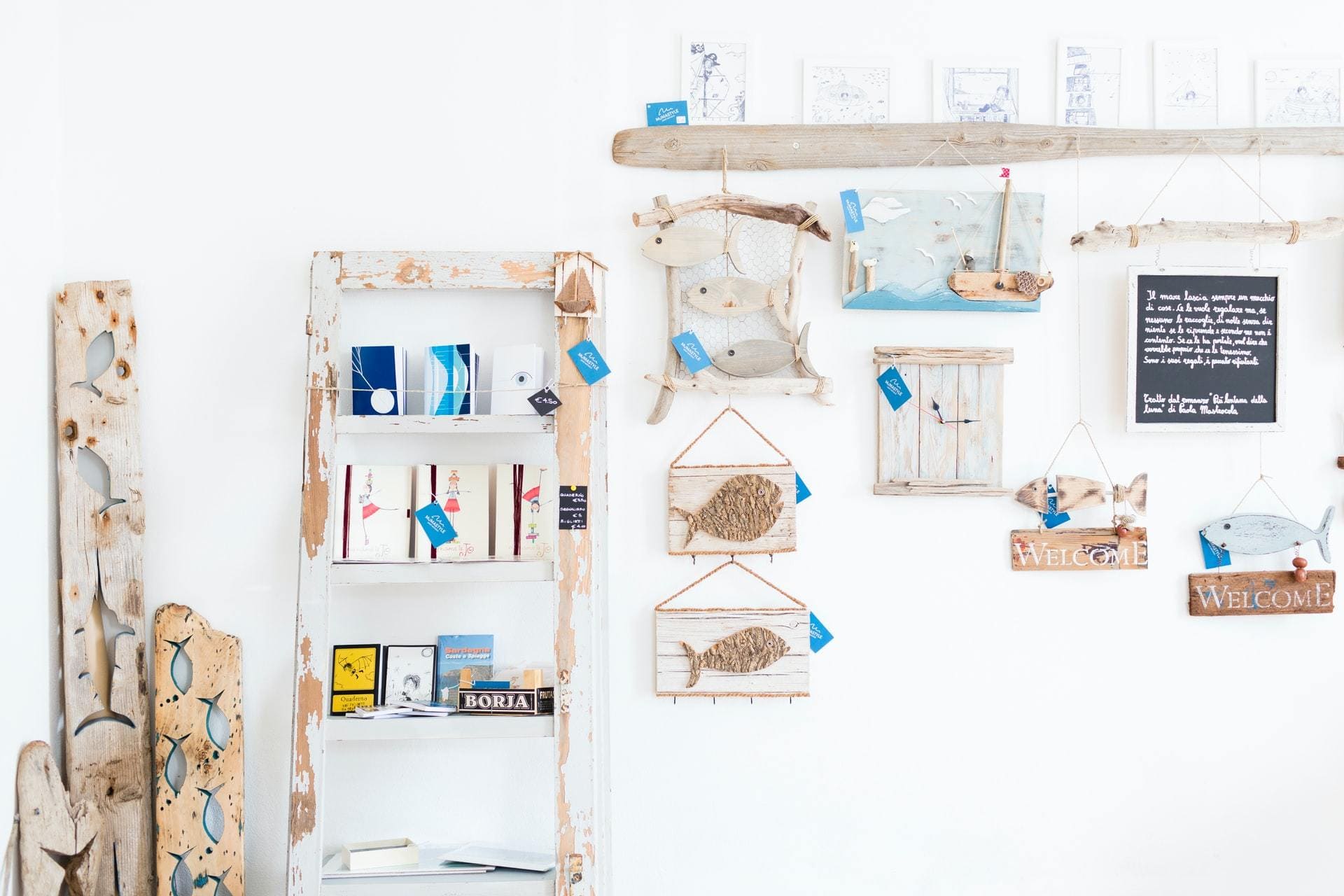

In the world of interior design, the term “DIY” has moved far beyond a mere trend. It represents creativity, individuality, and—most importantly—a pathway to personal satisfaction. Whether you are repurposing an old chair, crafting a macramé wall hanging, or painting an accent wall, engaging in DIY home decor projects offers more than just aesthetic rewards. It can significantly enhance your sense of achievement, elevate self-confidence, and even impact mental well-being. But how exactly does tinkering with your home environment translate into feelings of accomplishment? Let’s explore the psychology, science, and artistry behind DIY home decor.
The Psychological Power of Creating
Human beings are inherently creative. From childhood, we are wired to experiment, manipulate materials, and solve problems. Psychologists often link creative engagement to higher self-esteem and a sense of mastery over one’s environment. When it comes to DIY home decor, this manifests in several ways:
- Tangible Results: Unlike abstract work, DIY projects yield visible outcomes. Completing a shelf, painting a wall, or arranging a gallery wall provides instant visual proof of effort and success. This visibility acts as a reward system for the brain, triggering dopamine—the “feel-good” neurotransmitter—enhancing both mood and a sense of accomplishment.
- Skill Development: DIY isn’t just about decoration; it’s about learning. Every project introduces new skills: measuring accurately, using tools safely, color coordination, or learning carpentry basics. With each skill mastered, your confidence grows. The sense of achievement here is twofold: you not only complete a task but expand your abilities.
- Problem-Solving Satisfaction: Home decor projects rarely go perfectly. Challenges such as mismatched colors, unstable furniture, or tricky dimensions require problem-solving. Overcoming these hurdles stimulates the brain and reinforces resilience, making the final accomplishment even sweeter.
Small Wins, Big Rewards
The concept of “small wins” is powerful in psychology. In essence, achieving incremental goals generates motivation and positive reinforcement. DIY home decor is a fertile ground for small wins:
- Hanging a picture straight for the first time.
- Crafting a plant holder that actually holds the plant.
- Refinishing a tabletop with a flawless finish.
Each minor victory boosts your confidence and feeds into a cumulative sense of achievement. Over time, these small wins build momentum, encouraging you to take on more complex projects and explore creativity without fear of failure.
Home as a Canvas for Self-Expression
DIY home decor allows your living space to reflect your personality. Unlike mass-produced furniture or generic wall art, handmade or customized pieces carry your unique touch. This personal imprint amplifies emotional satisfaction in ways that purchased items cannot:
- Ownership and Identity: Crafting a piece of decor yourself creates a strong sense of ownership. It becomes part of your identity, a reflection of your taste, creativity, and dedication.
- Storytelling Through Objects: Every handmade item has a story—why you chose a certain color, material, or design. Revisiting these items triggers memories and reinforces a sense of purpose and personal achievement.
- Pride in Uniqueness: When friends and family admire your creations, the pride is doubled. Knowing that no one else has the exact same piece reinforces accomplishment and individuality.
The Science Behind DIY Satisfaction

Neuroscience has shown that creating tangible items can increase levels of dopamine and serotonin, chemicals in the brain linked to pleasure and satisfaction. Additionally, manual engagement—sawing wood, hammering nails, or sewing cushions—has been associated with reduced stress and enhanced focus. Here’s how:
- Flow State Activation: When you’re fully engaged in a DIY project, you may enter a “flow state,” characterized by complete immersion and loss of self-consciousness. Flow states are linked to higher satisfaction, enhanced performance, and a profound sense of achievement.
- Goal-Oriented Brain Stimulation: Planning, executing, and completing DIY tasks engage the prefrontal cortex, the brain region responsible for goal-setting and problem-solving. Each successfully completed project strengthens neural pathways, reinforcing your ability to set and achieve goals.
- Stress Reduction: Engaging with tactile materials in a hands-on way is inherently calming. Activities like painting, sanding, or assembling furniture reduce cortisol levels, making the accomplishment feel even more rewarding.
DIY and Cognitive Benefits
Beyond emotional satisfaction, DIY home decor has cognitive benefits that contribute to achievement:
- Improved Spatial Awareness: Arranging furniture, designing wall layouts, and visualizing dimensions improve your spatial reasoning skills.
- Enhanced Memory: Learning new techniques, remembering measurements, or following step-by-step guides strengthens short-term memory.
- Creativity Boost: Each project pushes your creative boundaries, teaching you to combine materials, textures, and colors in innovative ways.
- Executive Functioning: Planning a project from start to finish hones executive functions such as organization, prioritization, and time management.
These cognitive benefits often translate into broader life skills, reinforcing a sense of competence and achievement beyond home decor.
Overcoming Common DIY Challenges
Even the most ambitious DIY enthusiast faces obstacles. Confronting and overcoming these challenges is a critical part of the achievement cycle:
- Mistakes Are Learning Opportunities: Mistakes—like uneven paint strokes or crooked shelves—provide instant feedback. Learning to adapt fosters problem-solving skills and resilience.
- Time Management: Completing a project on time or balancing it with daily life reinforces discipline and efficiency.
- Budget Constraints: Working with limited resources encourages creative thinking and smart resource allocation, making success even more satisfying.
- Technical Skills: Some DIY projects require learning new tools or techniques. Mastering them not only ensures project completion but also enhances a sense of personal growth and mastery.

Community and Social Validation
Achievement is amplified when shared. DIY home decor often comes with a social component, whether it’s online communities, friends, or family:
- Online Sharing: Platforms like Instagram, Pinterest, and TikTok provide opportunities to showcase your creations. Positive feedback and engagement validate your effort, boosting self-esteem.
- Community Projects: Participating in workshops or collaborative decor projects fosters social connection, shared learning, and collective achievement.
- Inspiring Others: Teaching or showing DIY techniques to others enhances your sense of accomplishment and contributes to a broader creative culture.
Long-Term Psychological Benefits
The sense of achievement from DIY home decor isn’t fleeting. Its effects can be long-lasting:
- Enhanced Self-Efficacy: Successfully completing projects builds belief in your ability to tackle future challenges, both creative and practical.
- Emotional Resilience: Engaging in hands-on projects teaches patience and adaptability, critical skills for managing life’s uncertainties.
- Mindfulness Practice: DIY often requires attention to detail, promoting mindfulness. This presence in the moment reduces anxiety and strengthens emotional regulation.
- Sustained Happiness: Studies in positive psychology show that creative engagement correlates with long-term life satisfaction. DIY home decor is a practical way to channel creativity toward tangible, lasting rewards.
Inspiring Examples of DIY Achievements
Let’s look at a few practical examples of DIY home decor projects that illustrate the sense of achievement they can provide:
- Reclaimed Wood Shelving: Transforming discarded wood into stylish shelves involves design, measurement, and craftsmanship. The satisfaction comes not only from the final product but also from turning something considered waste into functional beauty.
- Customized Wall Art: Painting, stenciling, or creating collages allows personal expression. Each brushstroke becomes a micro-achievement, and the completed artwork becomes a proud focal point in the home.
- Furniture Makeovers: Refinishing old furniture with paint or upholstery combines technical skill with aesthetic judgment. The contrast between “before” and “after” visually reinforces the accomplishment.
- Indoor Gardens: Building plant displays or terrariums blends creativity with environmental mindfulness. Watching plants thrive thanks to your effort is both rewarding and therapeutic.
- Upcycled Decor: Turning everyday items into stylish accents—for example, jars into candle holders or crates into bookshelves—provides eco-friendly satisfaction and a boost in self-worth.
Practical Tips for Maximizing Achievement
If you want DIY home decor to truly boost your sense of achievement, consider these practical strategies:
- Start Small: Choose manageable projects at first. Small victories build confidence and prepare you for larger, more complex tasks.
- Document Progress: Take photos before, during, and after. This visual record makes achievements tangible and reinforces pride.
- Set Clear Goals: Define what “completion” looks like for each project. Clear goals enhance focus and satisfaction.
- Celebrate Completion: Don’t underestimate the power of acknowledging your work. Treating yourself or simply enjoying your finished space reinforces accomplishment.
- Learn Continuously: Every project teaches new skills. Embrace learning as part of the achievement, not just the end product.
The Ultimate Reward: A Home That Reflects You
At its core, DIY home decor is about transforming your environment into a reflection of your identity. The true sense of achievement lies not only in completing projects but in shaping a space that feels authentically yours. Every corner, wall, and shelf becomes a testament to your effort, creativity, and growth. Over time, this accumulation of small, meaningful successes contributes to a broader sense of life satisfaction, self-confidence, and personal empowerment.
Conclusion
DIY home decor is far more than a hobby or a design trend—it’s a gateway to personal achievement. Through tangible outcomes, skill development, creative problem-solving, and social recognition, every DIY project reinforces competence, confidence, and emotional satisfaction. Engaging in hands-on creation nurtures the brain, fosters resilience, and enhances mental well-being. By turning your home into a personal canvas, you are not just decorating a space—you are cultivating a sense of accomplishment that radiates through your life.
Ultimately, the act of creating, improving, and personalizing your surroundings demonstrates a profound truth: achievement is not only about grand milestones—it’s about the joy, pride, and fulfillment found in hands-on, meaningful work. DIY home decor empowers you to see and celebrate those accomplishments every day.