





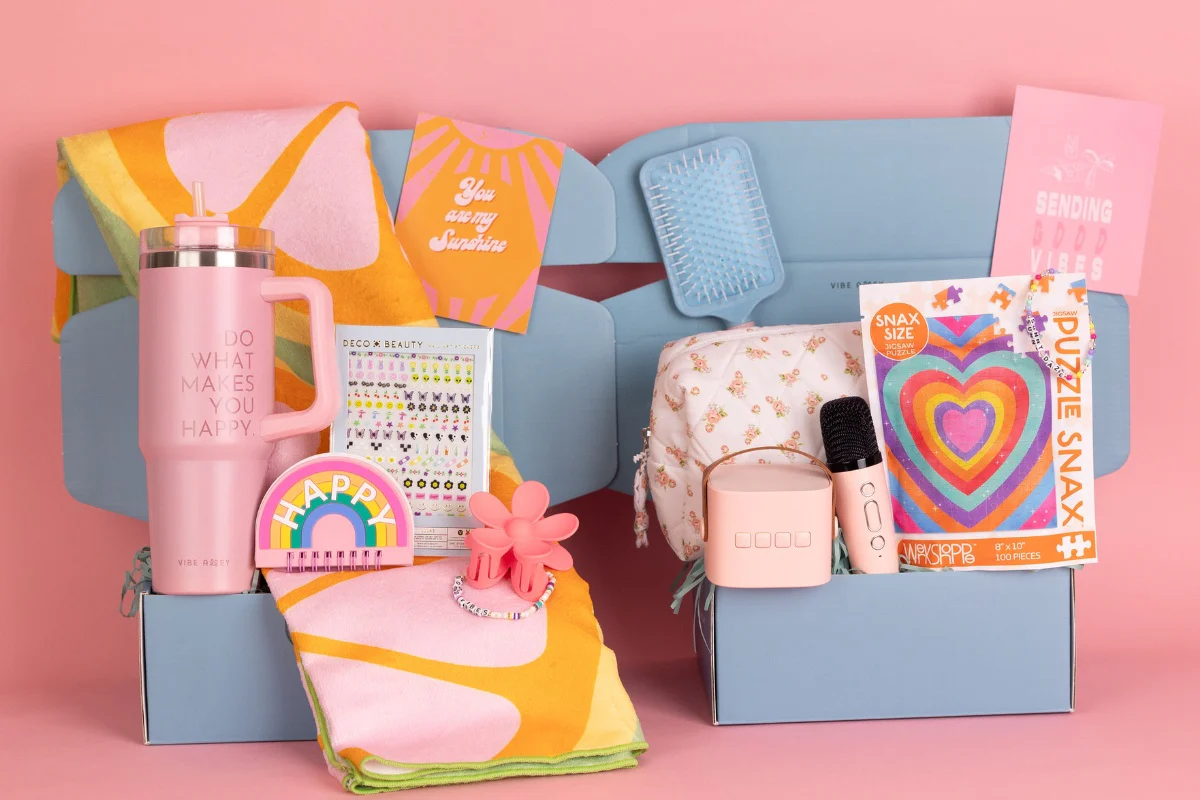

In the past decade, one of the most fascinating shifts in consumer behavior has been the rise of subscription boxes. From gourmet snacks to beauty products, fitness gear to books, subscription boxes have emerged as a cultural phenomenon, transforming not only what we buy but how we think about consumption itself. Unlike traditional retail, subscription boxes rely on anticipation, personalization, and surprise, reshaping the relationship between brands and consumers. But how exactly are these curated packages changing the way we consume, and what does this mean for the future of shopping?
The Allure of the Subscription Model
Subscription boxes appeal to human psychology in ways traditional shopping often cannot. The key lies in the concept of anticipation and reward. Each month, subscribers experience a moment of joy when opening a package, akin to receiving a gift from oneself. The excitement is amplified by curation—knowing that someone has selected items specifically for you creates a sense of exclusivity and personal attention.
Furthermore, subscription boxes harness the power of convenience. In a fast-paced world, consumers increasingly value time-saving solutions. Rather than browsing endless aisles or scrolling through e-commerce listings, a curated box arrives at your doorstep, eliminating decision fatigue while still offering variety. This shift has positioned subscription boxes not just as products, but as experiences, blending utility with entertainment.
Personalization: A Key Driver
One of the most significant innovations of subscription boxes is personalization. Many services use questionnaires, purchase histories, or even AI algorithms to tailor their offerings. A skincare box can recommend products based on skin type, a book subscription can select novels according to reading habits, and a snack box can cater to dietary restrictions.
This level of customization alters consumer expectations. Shoppers no longer want generic offerings; they crave products that reflect their tastes, lifestyles, and values. Subscription boxes have effectively raised the bar, pushing traditional retailers to adapt or risk losing relevance. This transformation emphasizes a broader trend: modern consumers value experiences and relevance over quantity.
The Psychology of Surprise
Closely linked to personalization is the element of surprise. Unlike online shopping, where customers know exactly what they are buying, subscription boxes introduce unpredictability. This creates a unique emotional engagement, often leading to higher satisfaction and brand loyalty. The unboxing process becomes a ritual, a moment of daily delight that transcends the products themselves.
Psychologists argue that this taps into the dopamine system—the brain’s reward mechanism. Receiving unexpected rewards, even small ones, triggers pleasure and excitement. Subscription boxes exploit this scientifically, making consumption more emotionally engaging than traditional shopping.
Influencing Buying Behavior

Subscription boxes are not just about novelty; they actively influence long-term purchasing habits. Many boxes introduce consumers to products they would not have tried otherwise. A monthly tea subscription might expose someone to exotic blends, eventually turning casual tasters into dedicated enthusiasts. Similarly, beauty boxes often help smaller brands gain exposure, shifting spending away from mainstream giants.
This trend has broader implications: it democratizes consumption, enabling smaller businesses to compete with industry behemoths. Consumers discover niche products that align more closely with their personal values—organic, vegan, sustainable—shaping their buying decisions well beyond the monthly box.
Redefining Retail and Brand Strategy
For brands, subscription boxes have created a new channel for marketing and customer retention. Unlike traditional sales models, which often rely on one-time transactions, subscriptions foster continuous engagement. Brands gain valuable data on preferences, usage patterns, and feedback, which can inform future product development and marketing campaigns.
Moreover, subscription boxes challenge conventional retail logic by shifting focus from mass appeal to micro-targeting. Companies no longer need to convince every shopper; they aim for highly specific niches, creating communities around shared interests. For example, a subscription box for plant enthusiasts can cultivate brand loyalty far more effectively than a generic gardening aisle in a department store.
Sustainability and Ethical Considerations
Despite their appeal, subscription boxes raise important questions about sustainability. The convenience of curated packages often comes with increased packaging waste and carbon footprint. Many consumers are now conscious of these environmental costs, prompting some companies to adopt eco-friendly practices such as recyclable materials, reduced packaging, or offsetting carbon emissions.
Interestingly, subscription boxes can also promote mindful consumption. By curating products carefully, boxes encourage consumers to focus on quality over quantity. Instead of purchasing impulsively from a crowded store, subscribers receive thoughtful selections, potentially reducing overall waste and unnecessary spending.
Subscription Boxes Across Industries
The subscription box phenomenon is not limited to a single sector. Its influence spans multiple industries, each adapting the model to fit its unique market:
- Food and Beverage: From meal kits like HelloFresh to artisanal coffee and snack boxes, subscription services are redefining how people experience cuisine. They introduce new flavors, cooking techniques, and international foods without the need to travel.
- Beauty and Personal Care: Monthly beauty boxes like Birchbox or Ipsy have changed the way consumers discover cosmetics and skincare. Sampling new products encourages experimentation and brand discovery.
- Books and Education: Book subscriptions, educational kits, and even STEM-focused boxes make learning engaging, blending entertainment with enrichment.
- Fitness and Wellness: Subscription boxes for wellness include fitness equipment, supplements, and self-care items, making health-focused lifestyles more accessible and enjoyable.
- Hobbies and Collectibles: From board games to art supplies, these boxes nurture niche communities and hobbies, helping consumers explore interests they might not pursue otherwise.
Technology as a Catalyst
Technology underpins the growth of subscription boxes. E-commerce platforms, advanced algorithms, and data analytics enable brands to predict consumer preferences, optimize inventory, and personalize offerings at scale. AI-driven recommendations enhance relevance, while mobile apps make subscription management effortless.
Social media also plays a critical role. Platforms like Instagram and TikTok fuel the unboxing trend, turning ordinary deliveries into shareable content. This creates a feedback loop, where excitement around subscription boxes spreads virally, attracting new subscribers and reinforcing consumer habits.
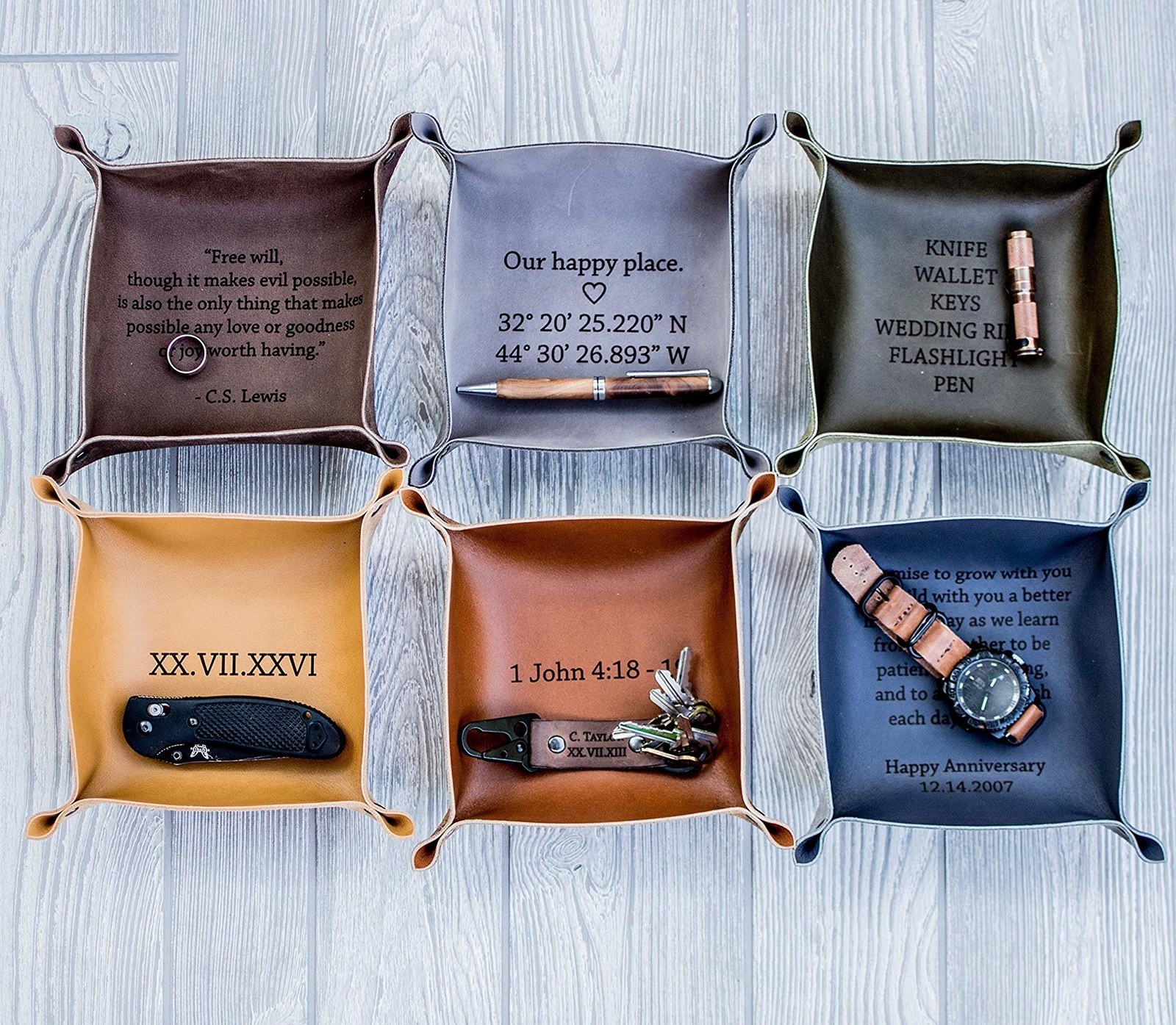
Economic Impacts
The subscription box model also reshapes economic dynamics. Unlike traditional retail, which relies heavily on foot traffic and seasonal sales, subscriptions generate predictable recurring revenue. This stability allows small businesses to scale more sustainably, while large brands can diversify income streams.
On the consumer side, subscriptions encourage planned spending. While impulse buying dominates traditional retail, subscription services require a commitment, often fostering more deliberate and consistent consumption patterns.
Challenges and Criticisms
Despite its advantages, the subscription box model is not without challenges. High churn rates, customer fatigue, and logistical complexities can hinder profitability. Consumers may feel overwhelmed by recurring payments or disappointed if products fail to meet expectations.
Additionally, the environmental impact cannot be ignored. Frequent shipping, packaging, and returns contribute to carbon emissions and landfill waste. Companies must balance the emotional appeal of surprise and convenience with responsible consumption practices to maintain long-term viability.
The Cultural Shift
Perhaps the most profound impact of subscription boxes is cultural. They reflect and reinforce a shift from ownership to experience, from mass consumption to curated discovery. Consumers increasingly seek personal meaning in their purchases, valuing experiences, emotions, and stories behind products over mere possession.
Subscription boxes embody this shift perfectly. Each package is a narrative, a curated moment designed to spark joy, curiosity, and connection. They turn mundane consumption into a ritualized experience, reshaping the very way society views shopping.
The Future of Subscription Boxes
Looking ahead, subscription boxes are likely to evolve further. Personalization will become more sophisticated, leveraging AI, machine learning, and behavioral data to anticipate needs before consumers even articulate them. Sustainability will be central, with eco-conscious packaging and low-waste shipping practices becoming standard rather than optional.
We may also see hybrid models that blend digital and physical experiences, such as virtual events paired with tangible products, or interactive boxes that incorporate augmented reality. Brands will increasingly focus on building communities, rather than just selling items, creating a sense of belonging and shared identity among subscribers.
Conclusion
Subscription boxes are more than just a shopping trend; they are a transformative force in consumer culture. By combining personalization, surprise, convenience, and engagement, they are redefining the way we consume. They challenge traditional retail models, promote niche discovery, and even encourage mindful consumption, all while satisfying a deep psychological need for excitement and novelty.
As technology, culture, and sustainability continue to shape consumer behavior, subscription boxes will likely play an even more prominent role. They are not merely changing the way we buy—they are changing the way we think about what we buy, why we buy it, and how we experience consumption itself.
In a world increasingly dominated by digital interactions, subscription boxes provide a tactile, emotional, and personalized experience—a reminder that even in the age of screens, the joy of opening a package remains timeless.