





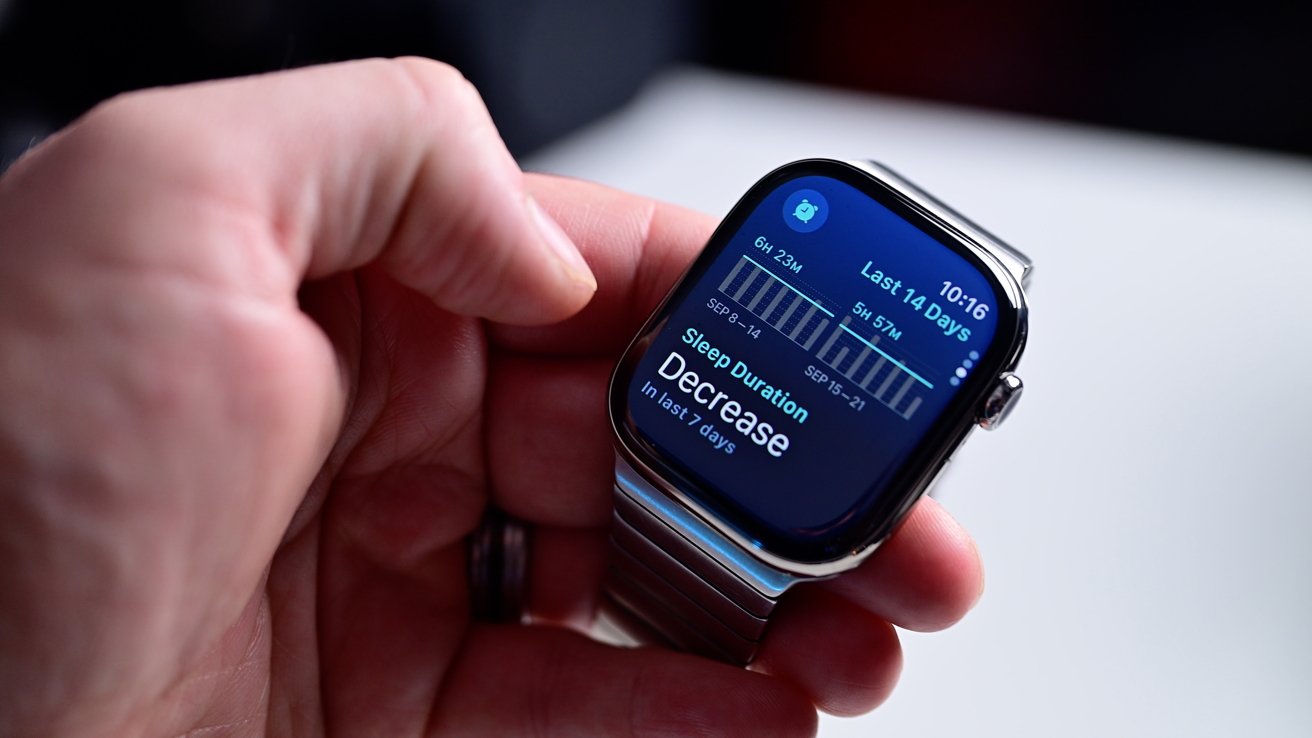

In the last decade, fitness wearables have morphed from niche gadgets for hardcore athletes into ubiquitous companions for everyday life. Smartwatches, heart rate monitors, sleep trackers, and step counters are now as common as smartphones in many households. What began as a simple push to quantify movement and health has escalated into a cultural phenomenon: millions of people now wake up every morning to check their sleep scores, calorie burn, or step count before they even have their coffee. But the question arises—are these devices genuinely promoting healthier lifestyles, or are they cultivating a new breed of health obsession?
The Rise of the Quantified Self
The quantified self movement—tracking personal data to gain insights into behavior and health—was once a futuristic concept. Today, it is woven into the fabric of daily life. Fitness wearables are designed to quantify almost every aspect of physical existence: heart rate variability, blood oxygen levels, resting calories, and even stress indicators. These gadgets promise clarity, control, and improvement. They offer users the ability to measure progress in real time and set precise goals.
Yet, there’s a subtle shift happening. What was once a tool for insight is now a source of pressure. The line between mindful self-improvement and compulsive data monitoring is becoming blurrier with every new update or notification ping.
From Motivation to Pressure: How Wearables Shape Behavior
The psychological power of fitness wearables is undeniable. They tap into basic human instincts: reward, competition, and social validation. Step challenges with friends, streak tracking, and badges for reaching certain thresholds create gamified experiences that are addictive.
For many, seeing a “ring” on a smartwatch filled with activity or sleep metrics provides satisfaction and pride. But for others, it can trigger stress, guilt, or even anxiety when targets aren’t met. Suddenly, the number of steps taken, calories burned, or hours slept becomes not just information but judgment.
This shift isn’t trivial. Behavioral science shows that extrinsic motivation—rewards or pressures from external sources—can sometimes undermine intrinsic motivation, the internal drive to act for one’s own well-being. When fitness becomes a competition against numbers rather than a pursuit of health, the risk of obsession rises.
Health Anxiety in the Digital Age
It’s easy to underestimate how fitness wearables can feed into health anxiety. Consider the phenomena of “symptom checking”: users notice a slight variation in heart rate or sleep score and immediately fear a medical issue. While awareness can lead to positive action—like consulting a doctor—excessive focus can create unnecessary worry.
Wearables often provide imperfect data. Metrics like VO2 max or heart rate variability are influenced by countless factors—stress, hydration, diet, or even minor illness. Misinterpretation of these numbers can escalate small deviations into perceived crises, reinforcing compulsive checking behavior.
In extreme cases, users may experience a form of obsession known as orthosomnia, where anxiety about sleep itself prevents proper rest, ironically worsening the very metric they aim to improve.
The Social Dimension: Comparison and Competition
Social sharing is another double-edged sword of fitness wearables. On one hand, sharing accomplishments with friends can foster accountability, motivation, and community. On the other, it can ignite unhealthy competition and comparison.
Scrolling through a feed of others’ step counts or running distances can trigger self-criticism or FOMO (fear of missing out). For younger users, who are especially sensitive to social validation, this comparison can amplify stress and create a cycle where fitness metrics become central to self-worth.
The Data Deluge: When Numbers Take Over
A recurring theme in wearable culture is the obsession with data itself. Users often track multiple metrics simultaneously—steps, calories, sleep cycles, stress levels, heart rate, hydration, and even menstrual cycles. The constant influx of numbers can be both empowering and exhausting.
In some cases, users begin prioritizing numerical improvement over holistic health. A person may walk 15,000 steps a day but ignore chronic fatigue, poor nutrition, or mental health concerns. The danger lies in mistaking quantity for quality: more steps do not always equal better health, just as longer sleep does not guarantee restorative rest.
Positive Impacts: Motivation and Awareness
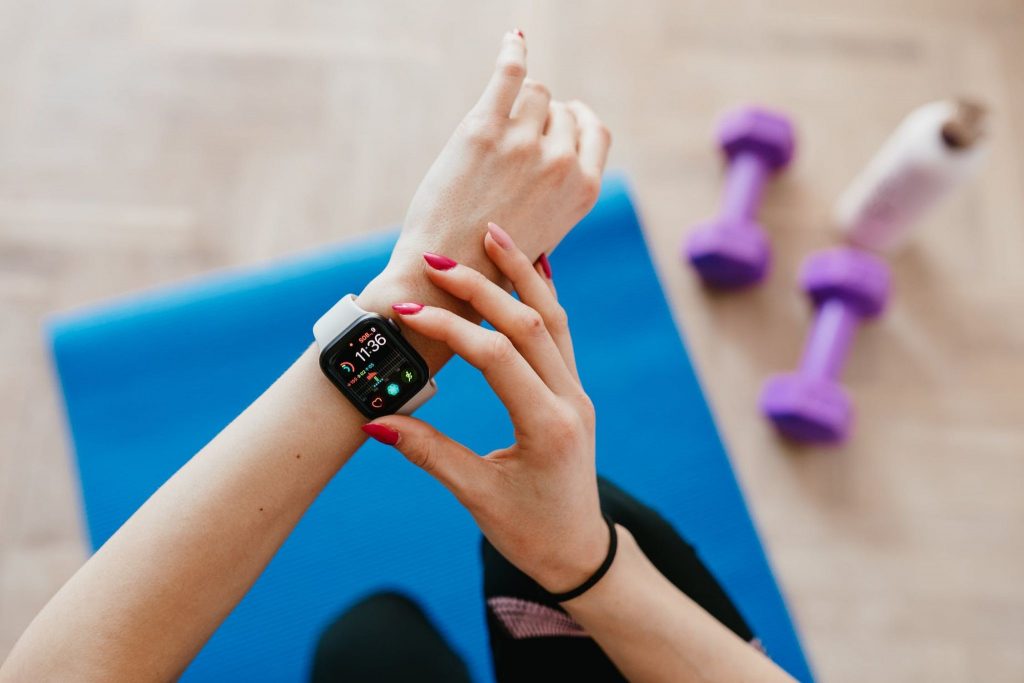
It’s not all doom and gloom. Fitness wearables have undeniably positive effects when used mindfully. For sedentary individuals, step counters and activity reminders can spark a level of motivation that might not emerge otherwise. They create awareness of habits that were once invisible, such as prolonged sitting, inconsistent sleep, or under-hydration.
The gamification of fitness—earning badges, achieving streaks, or completing challenges—can be highly motivating, especially for beginners. For people who respond well to structured goals, wearables can transform vague aspirations into concrete, trackable actions.
Furthermore, when used alongside professional guidance—trainers, physiotherapists, or doctors—wearables can provide actionable data that informs safer and more effective routines.
Psychological Pitfalls: Obsession, Guilt, and Burnout
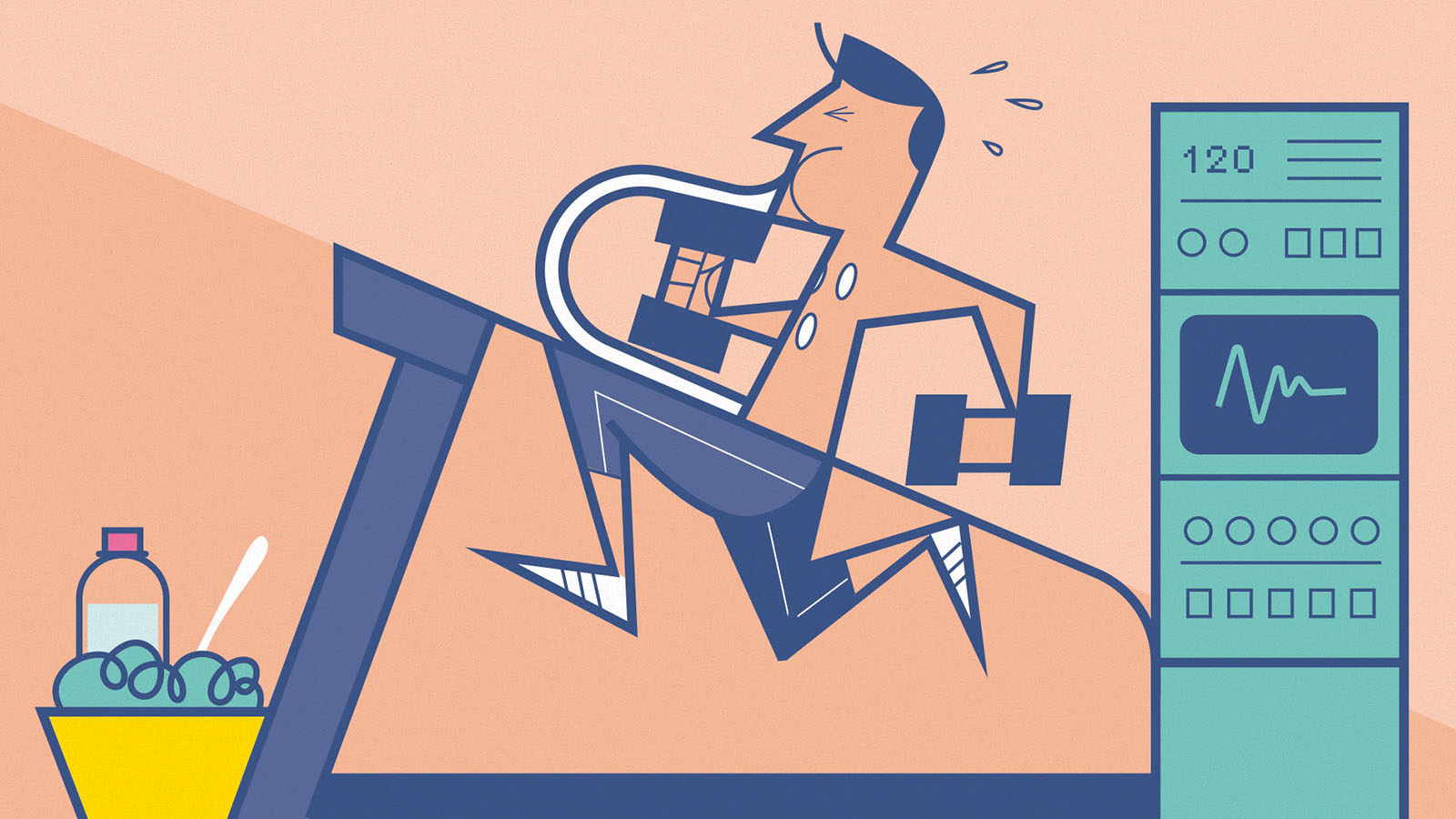
However, the same tools that inspire progress can also create a treadmill of expectation. Missing a target can provoke guilt; failing to maintain streaks can provoke shame. For some, this pressure escalates to compulsive behavior: constantly checking devices, over-exercising, or obsessively logging calories.
The “just one more” mentality, fueled by notifications and gamified targets, can undermine both physical and mental health. In extreme cases, this behavior overlaps with orthorexia—an unhealthy fixation on diet and exercise—or exercise addiction. While wearables are not the sole cause, they can exacerbate tendencies in vulnerable individuals.
The Role of Design: How Wearables Encourage Obsession
Design choices in wearable technology often unintentionally encourage obsessive behavior. Notifications, daily targets, streaks, and leaderboard comparisons are all intended to engage users—but they can also create anxiety and compulsion.
Color-coded alerts, vibrations, and celebratory animations are psychologically rewarding, reinforcing certain behaviors. Conversely, missed goals may trigger negative emotions, subtly teaching users that falling short is failure.
Manufacturers are aware of these dynamics, but the line between engagement and obsession is delicate. Features designed to motivate can tip into triggers for anxiety in susceptible individuals.
Gender, Age, and Vulnerability Factors
Not all users are affected equally. Teenagers, particularly girls, may be more prone to body image-related stress or social comparison. Adults with perfectionist tendencies may interpret missed metrics as personal failure. Older users may feel pressure to meet activity standards despite physical limitations.
Cultural context also matters. In societies that highly value productivity and optimization, the pressure to quantify every action is intensified. Fitness wearables do not exist in a vacuum—they interact with broader social norms around health, success, and self-discipline.
Balancing Data with Intuition
One of the emerging challenges is learning to balance quantitative feedback with bodily intuition. Humans evolved to listen to physical cues: fatigue, hunger, restlessness, and energy. Wearables offer precise data, but they cannot replace the nuanced signals of the body.
The healthiest approach often involves using data as a guide rather than a judge. Metrics should inform decisions without dictating identity or worth. Learning to step away from constant monitoring is as critical as the act of measuring itself.
Toward Mindful Wearable Use
Mindful use of fitness wearables involves several strategies:
- Set flexible goals: Treat targets as guidance, not absolutes. Missing a step count is not failure.
- Limit notifications: Reduce alerts to essential reminders instead of constant feedback loops.
- Track trends, not every number: Focus on weekly or monthly averages rather than obsessing over daily fluctuations.
- Combine data with subjective experience: Pay attention to energy, mood, and well-being alongside numeric metrics.
- Disconnect when necessary: Taking breaks from monitoring can reduce anxiety and restore perspective.
These habits encourage a healthier relationship with technology, turning wearables into allies rather than rulers.
The Future of Wearables: Smarter, Softer, Safer
As technology advances, wearables are becoming more integrated, intelligent, and predictive. AI-driven insights can provide context, suggesting rest days, stress management techniques, or nutrition adjustments. Some devices are experimenting with non-intrusive methods that emphasize wellness over metrics, such as gentle nudges toward mindfulness rather than constant scoring.
Future design may prioritize mental well-being alongside physical fitness, helping prevent obsessive behaviors while still offering motivation and insight. The challenge will be to maintain engagement without triggering anxiety—a balance that requires careful ethical design.
Conclusion: Obsession or Empowerment?
Fitness wearables occupy a complex space between empowerment and obsession. They have the potential to inspire, motivate, and educate—but they also carry the risk of creating new forms of health anxiety. The difference lies not in the technology itself, but in how it is used and perceived.
When approached mindfully, wearables can be powerful tools for self-improvement, offering insights that help people move more, sleep better, and live healthier lives. When approached compulsively, they can turn every heartbeat, step, and calorie into a source of stress.
Ultimately, the conversation isn’t about banning wearables—it’s about fostering awareness, balance, and healthy boundaries. Fitness wearables are mirrors reflecting our choices and anxieties. How we respond to that reflection determines whether we are empowered or obsessed.