





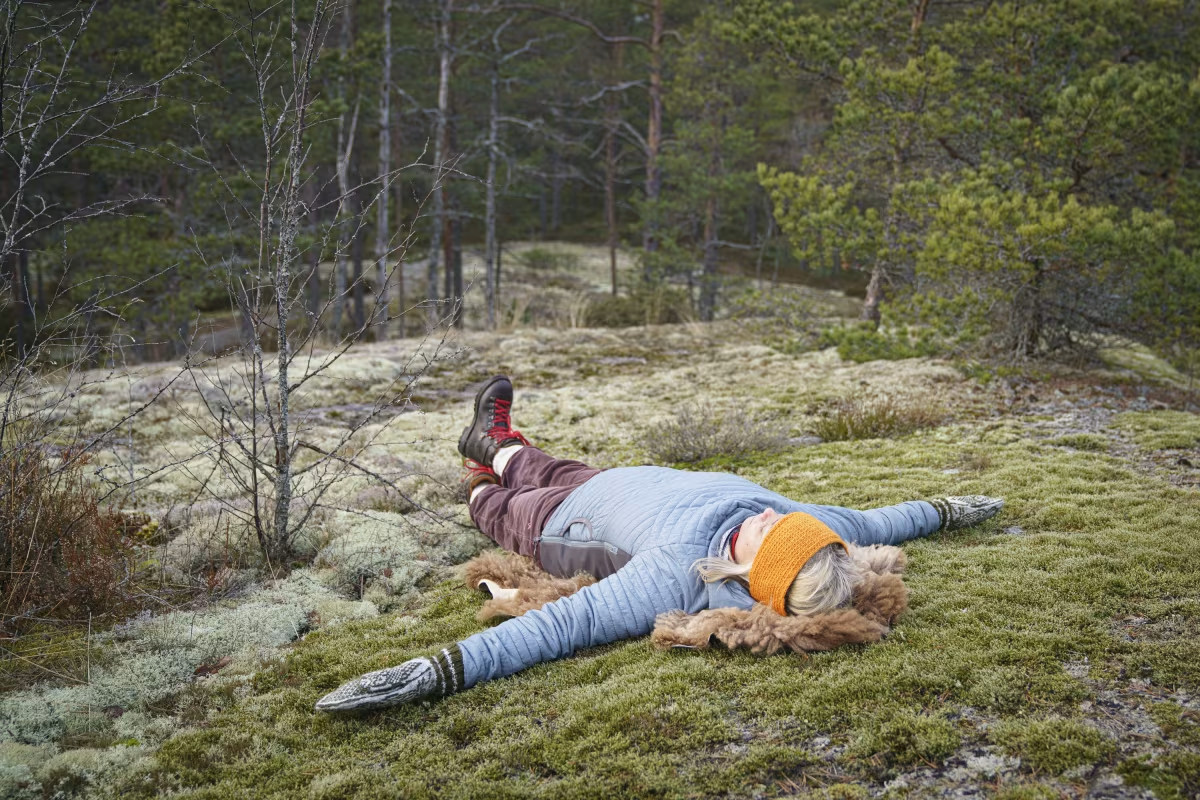

A Quiet Question with a Big Echo
The question sounds almost mischievous: could strolling slowly through a forest possibly replace the sweat, strain, and structure of a gym routine? For decades, the gym has been the symbol of modern fitness—bright lights, polished machines, mirrors, metrics, and measurable progress. Forest bathing, on the other hand, sounds gentle, almost indulgent, like a wellness trend built more on poetry than physiology.
Yet this question refuses to go away. As burnout rises, screens dominate daily life, and people search for sustainable ways to stay healthy, forest bathing has moved from niche concept to mainstream curiosity. It is being discussed not as a replacement for medical treatment or high-performance training, but as a serious contender in the broader conversation about physical and mental health.
This article does not aim to pit trees against treadmills in a simplistic showdown. Instead, it explores whether forest bathing can realistically replace, partially replace, or meaningfully complement a gym routine. We will look at science, physiology, psychology, cultural history, and modern lifestyle demands. Along the way, we will challenge assumptions about what “exercise” really means, and whether intensity is always the best path to health.
By the end, the answer may surprise you—not because forests suddenly grow dumbbells, but because health itself turns out to be far more nuanced than reps and calories burned.
What Forest Bathing Really Is (And What It Is Not)
Forest bathing is not hiking, jogging, or outdoor boot camp. The Japanese term Shinrin-yoku, coined in the 1980s, translates roughly to “taking in the forest atmosphere.” The emphasis is not on distance, speed, or performance, but on presence.
A typical forest bathing session involves slow walking, frequent pauses, sensory awareness, and deliberate engagement with the natural environment. Participants might notice the texture of bark, the pattern of light through leaves, the smell of damp soil, or the rhythm of their breathing as it aligns with the quiet of the woods.
Importantly, forest bathing is not exercise in the traditional sense. It does not aim to elevate heart rate dramatically, build muscle mass, or improve athletic performance directly. Instead, it operates through subtler physiological and psychological pathways.
This distinction is crucial. Many misunderstandings arise because forest bathing is judged by gym standards. It is like judging meditation by how many calories it burns. The value lies elsewhere.
The Modern Gym: What It Actually Gives Us
Before we ask whether forest bathing could replace the gym, we need to understand what the gym actually provides.
A well-designed gym routine typically offers:
- Cardiovascular conditioning through activities like running, cycling, or rowing
- Muscular strength and endurance via resistance training
- Bone density support, especially through weight-bearing exercises
- Metabolic benefits, including improved insulin sensitivity
- Measurable progression, which helps motivation and consistency
Gyms are efficient. In a relatively small space and limited time, they deliver targeted stress to the body, prompting adaptation. This efficiency is one of their greatest strengths.
But efficiency has a cost. Gym environments can be overstimulating, intimidating, or monotonous. Many people struggle with consistency not because gyms do not work, but because they do not feel good going to them.
If health is something you can maintain only by forcing yourself through an experience you dislike, sustainability becomes a problem.
Forest Bathing and the Physiology of Calm
Forest bathing works primarily through the nervous system. Specifically, it influences the balance between the sympathetic nervous system (associated with stress and alertness) and the parasympathetic nervous system (associated with rest, recovery, and repair).
In modern life, many people live in a near-constant state of mild stress. Even when sitting still, the body behaves as if it is under threat. This state affects digestion, sleep, immune function, and long-term cardiovascular health.
Forest environments appear to gently nudge the body in the opposite direction.
Key physiological responses associated with forest bathing include:
- Reduced heart rate
- Lower blood pressure
- Decreased levels of stress hormones
- Improved autonomic nervous system balance
- Enhanced immune markers
These effects are not dramatic in the way a sprint is dramatic, but they are cumulative. Over time, repeated exposure to calm-inducing environments may shift the body’s baseline toward better regulation.
In contrast, intense gym workouts intentionally stress the body to provoke adaptation. Both stress and recovery are essential for health, but modern life often provides plenty of stress and very little genuine recovery.

Movement Without Metrics: A Different Kind of Physical Activity
Forest bathing still involves movement, even if it does not look like exercise. Slow walking, standing, squatting to observe plants, balancing on uneven ground—these actions engage muscles, joints, and coordination.
This type of movement has several notable characteristics:
- Low impact, reducing joint strain
- Multi-directional, engaging stabilizing muscles often ignored in machine-based workouts
- Self-regulating, as the body naturally adjusts pace and intensity
- Sustainable, encouraging longer sessions without exhaustion
From a purely caloric perspective, forest bathing is modest. It will not rival a spin class or a heavy lifting session. But calories are only one metric of health, and often an overemphasized one.
For individuals who are sedentary, burned out, or recovering from illness, this gentle movement may be far more beneficial than doing nothing—or forcing themselves into an unsustainable gym habit.
Mental Health: Where Forest Bathing Quietly Outperforms
If gyms excel at building physical capacity, forests often shine in mental and emotional health.
Modern mental fatigue is not caused by lack of stimulation, but by too much of it. Screens, notifications, artificial lighting, and constant decision-making overload the brain’s attentional systems.
Natural environments appear to offer something psychologists call “soft fascination.” The mind is gently engaged without being taxed. Leaves move, light shifts, birds pass through the periphery of attention. The brain rests while remaining awake.
Reported mental benefits of forest bathing often include:
- Improved mood
- Reduced anxiety
- Enhanced focus and creativity
- Better emotional regulation
- A sense of perspective and groundedness
While gyms can certainly support mental health—especially through routine and endorphin release—they rarely offer this kind of deep cognitive rest. In fact, some gym environments add to sensory overload.
For people whose primary struggle is mental fatigue rather than physical weakness, forest bathing addresses the root problem more directly.
Immune Function and Long-Term Resilience
One of the more intriguing areas of forest bathing research involves immune health. Natural environments expose the body to a diverse array of microorganisms and plant-derived compounds.
Trees release volatile organic compounds, often referred to as phytoncides, which may interact with human physiology in subtle ways. While the exact mechanisms are still being explored, exposure to natural biodiversity appears to support immune regulation.
This does not mean forests are magical medicine. However, the modern indoor lifestyle significantly reduces exposure to environmental diversity. Gyms, while clean and controlled, are biologically monotonous spaces.
Long-term health is not just about strength and stamina. It is also about resilience—the body’s ability to respond appropriately to challenges. Forest bathing may support this resilience in ways that structured exercise alone does not.
Can Forest Bathing Build Strength?
Here we encounter the most obvious limitation.
Forest bathing does not provide progressive overload, the key principle behind muscle growth and strength development. Without increasing resistance or intensity over time, muscles have little reason to adapt.
That said, not everyone needs or wants significant muscle growth. For many people, especially those focused on longevity and daily function, maintaining baseline strength and mobility is enough.
Forest bathing can support:
- Joint mobility through gentle movement
- Balance and proprioception on uneven terrain
- Light muscular endurance
But it cannot replace resistance training for:
- Significant strength gains
- Bone density optimization in higher-risk populations
- Athletic performance goals
This does not make forest bathing inferior. It simply defines its role.
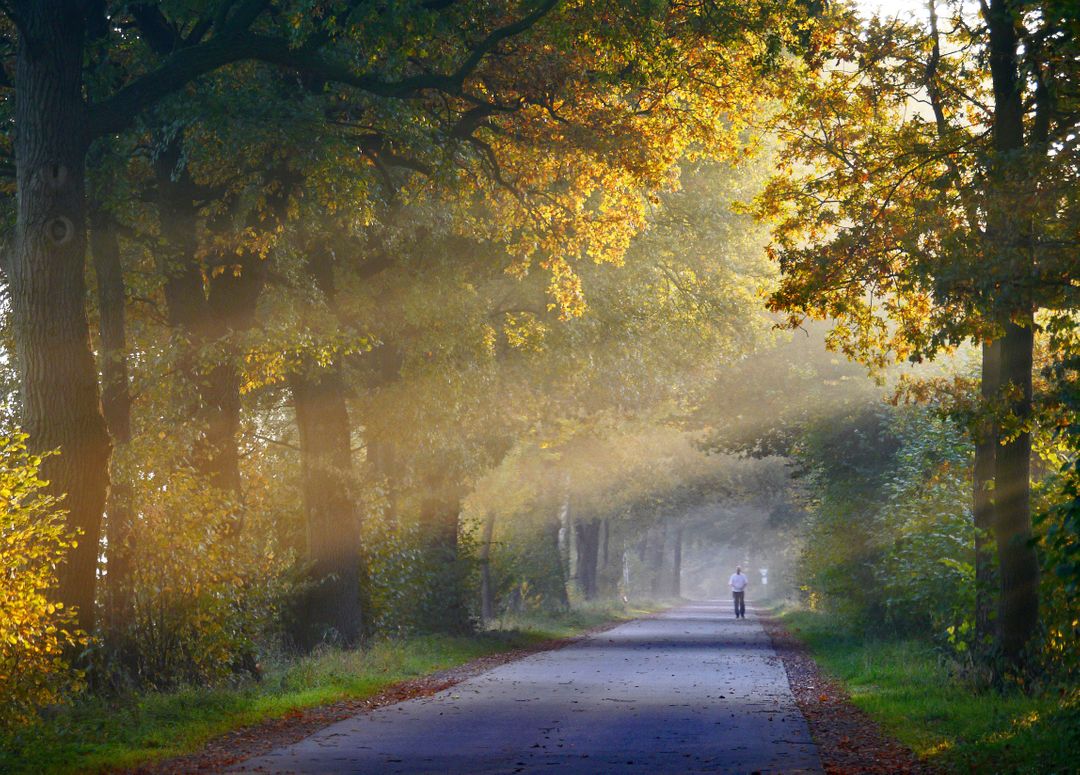
Cardiovascular Health: Intensity Versus Consistency
Cardiovascular fitness is often equated with intensity. High heart rates, sweat, and breathlessness are seen as indicators of effectiveness.
Forest bathing usually keeps heart rate in a low to moderate range. This places it closer to zone-two training, which is increasingly recognized for its importance in metabolic health and endurance.
The advantage of low-intensity activity is that it can be sustained for longer periods and done more frequently. A person might comfortably forest bathe for two hours, several times a week, without burnout.
For individuals who avoid cardio because they hate intense workouts, forest bathing may provide a gateway to improved cardiovascular health through consistency rather than intensity.
However, it is unlikely to fully replace higher-intensity training for those seeking maximal aerobic capacity.
Lifestyle Integration: The Hidden Advantage
One of the strongest arguments in favor of forest bathing is not physiological, but behavioral.
Health habits fail not because they are ineffective, but because they are not integrated into life. A gym routine requires scheduling, travel, clothing changes, and often a financial commitment. These barriers, while small individually, add up.
Forest bathing can be integrated more fluidly:
- A walk in a nearby park
- Time in a wooded neighborhood
- Weekend visits to natural reserves
- Even mindful presence in a garden
When health practices feel like life rather than interruptions to it, they are more likely to endure.
Who Might Replace the Gym with Forest Bathing?
For certain groups, forest bathing could realistically replace a gym routine, at least for a period of time.
These include:
- Individuals recovering from burnout or chronic stress
- Beginners intimidated by gym culture
- Older adults prioritizing mobility and mental health
- People with limited access to gyms
- Those whose primary goal is general wellness rather than performance
In these cases, the benefits of forest bathing may outweigh the costs of not engaging in structured exercise.
Who Should Not Replace the Gym?
Equally important is recognizing who should not abandon gym-based training entirely.
This includes:
- Athletes with performance goals
- Individuals needing strength training for medical reasons
- People managing conditions that benefit from supervised exercise
- Anyone aiming for significant body composition changes
For these individuals, forest bathing works best as a complement, not a replacement.
A False Dichotomy: Forest and Gym Together
The most interesting conclusion is that the question itself may be slightly misframed.
Health does not require choosing between iron and oak, between mirrors and moss. The body thrives on varied stimuli: stress and rest, effort and ease, structure and freedom.
A hybrid approach might look like:
- Two to three days of strength or cardio training
- Regular forest bathing sessions for recovery and mental health
- Outdoor movement replacing some indoor workouts
- Viewing nature as part of training, not an escape from it
In this model, the gym builds capacity, and the forest restores it.
Redefining Fitness in a Tired World
At its core, the debate between forest bathing and gym routines reflects a deeper cultural tension. Modern fitness often celebrates pushing harder, optimizing more, and measuring everything. Forest bathing invites us to slow down, feel more, and trust less quantifiable outcomes.
Neither philosophy is wrong. Each answers a different need.
If you are exhausted, disconnected, and struggling to maintain any routine at all, forest bathing might not just replace your gym—it might save your relationship with movement entirely.
If you are strong, motivated, and training toward specific goals, the forest may become your secret weapon for longevity and balance.
The Real Answer
So, could forest bathing replace your gym routine?
For some people, yes. For most, partially. For everyone, it offers something the gym cannot: a reminder that health is not only built through effort, but also through presence.
In a world that constantly asks us to do more, forests quietly suggest another path—one where simply being, breathing, and moving gently is not a failure of discipline, but a form of wisdom.
And sometimes, wisdom is the strongest muscle of all.