





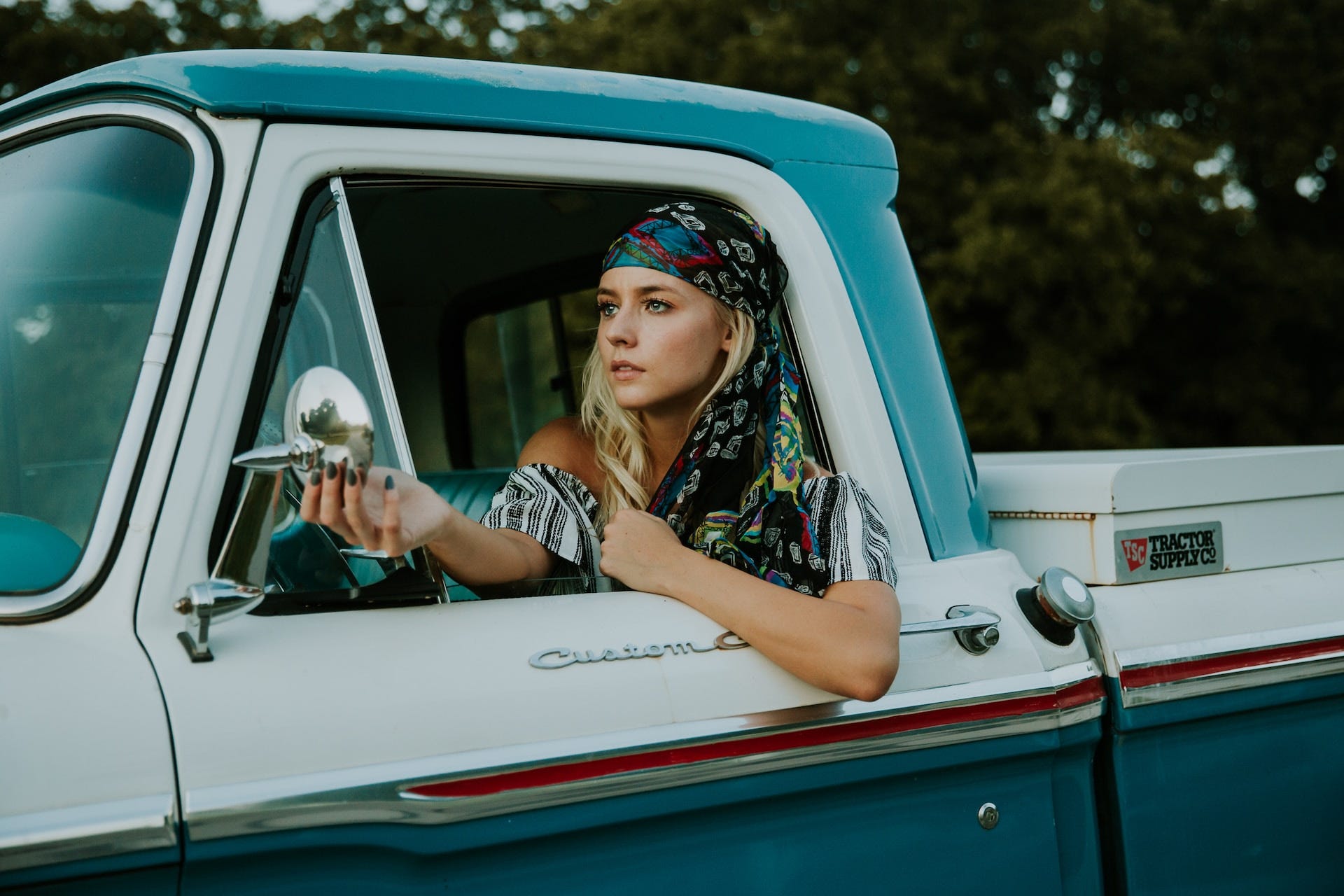

In a world constantly chasing the next big trend, the idea of looking backward may seem counterintuitive. Yet, retro subcultures—the distinct social groups built around styles, music, attitudes, and aesthetics from past decades—have never completely disappeared. From the roaring energy of 1980s punk to the understated elegance of 1950s greasers, these cultural pockets carry a sense of identity that transcends time. Today, as digital spaces amplify nostalgia and a global audience craves authenticity, retro subcultures are not only surviving—they may be poised for a dramatic comeback.
The Anatomy of a Retro Subculture
To understand why retro subcultures could resurface, it’s essential to dissect what makes them compelling. A subculture is more than fashion; it’s an ecosystem of music, behavior, philosophy, and social bonds. When a subculture becomes “retro,” it is not simply old-fashioned—it embodies a particular historical and emotional context.
Take, for example, the 1970s punk movement. Punk was as much about sonic rebellion as it was about social critique, DIY ethics, and anti-establishment fashion. Its revival today often emphasizes the music’s raw energy and the aesthetic’s visual punch rather than the original political urgency. Similarly, retro gaming communities resurrect the digital culture of the 1980s and 1990s while adapting to contemporary platforms. In essence, retro subcultures are about translation: taking an old identity and giving it modern resonance.
Nostalgia as Cultural Currency
One of the strongest forces behind the resurgence of retro subcultures is nostalgia. Psychologists define nostalgia as a bittersweet longing for the past, which offers comfort and identity in uncertain times. In modern societies marked by rapid technological change, global crises, and shifting social norms, nostalgia becomes a stabilizing emotional force. People turn to the aesthetics, music, and practices of prior decades as anchors—symbols of a perceived “simpler” time.
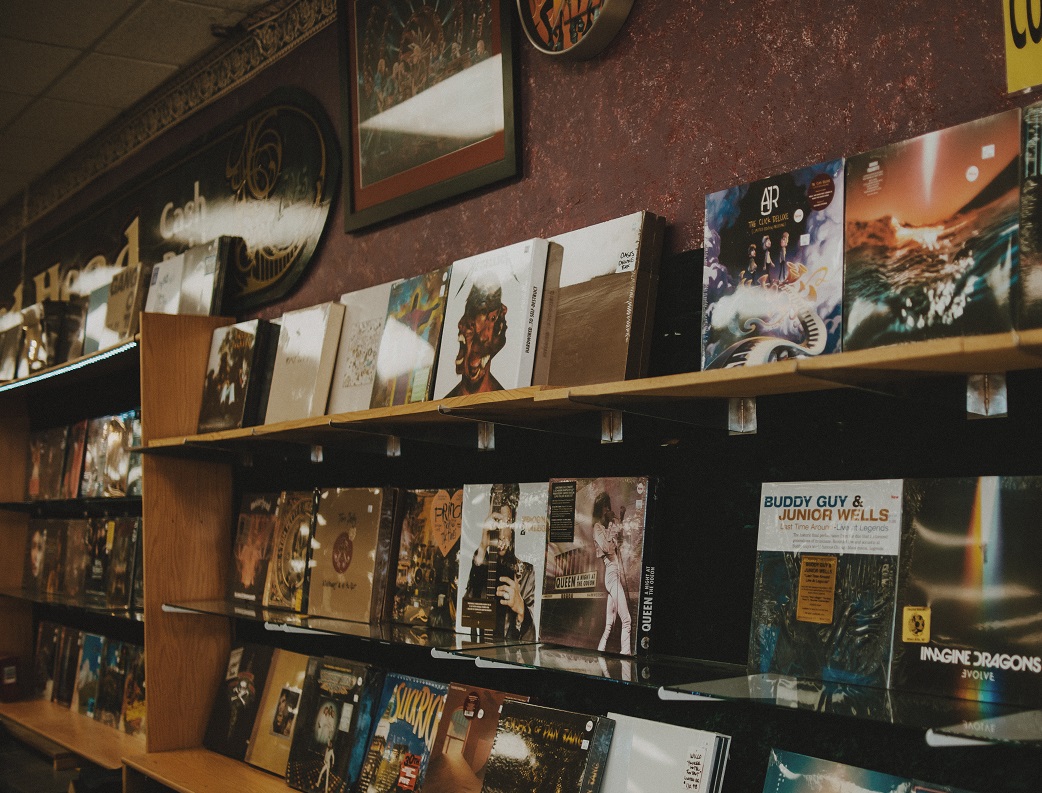
Interestingly, nostalgia is also highly commodifiable. Brands, fashion houses, and entertainment industries actively leverage retro aesthetics to engage audiences. Think of vinyl records, vintage sneakers, or classic arcade games—they are not merely collectibles; they are badges of cultural literacy. Retro subcultures thrive at this intersection of emotion, identity, and consumption, making them ideal candidates for revival.
Digital Platforms as Revival Engines
The internet, particularly social media, has accelerated the comeback potential for retro subcultures. Platforms like TikTok, Instagram, and Discord provide spaces for niche communities to flourish, often transcending geographical boundaries. Vintage fashion trends, old-school hip-hop, or 90s rave culture can now reach millions of followers almost instantly, enabling micro-subcultures to coalesce and grow.
Moreover, digital tools allow for creative reinterpretation. Instagram aesthetics, TikTok transitions, and YouTube retrospectives remix vintage imagery and sound in ways that appeal to younger generations who never lived through the original eras. This dynamic creates a hybrid culture: retro in origin but distinctly modern in expression. In other words, the digital era doesn’t just preserve retro subcultures—it transforms them.
Case Studies: Retro Revivals in Action
1. 1980s Synthwave and Retrowave
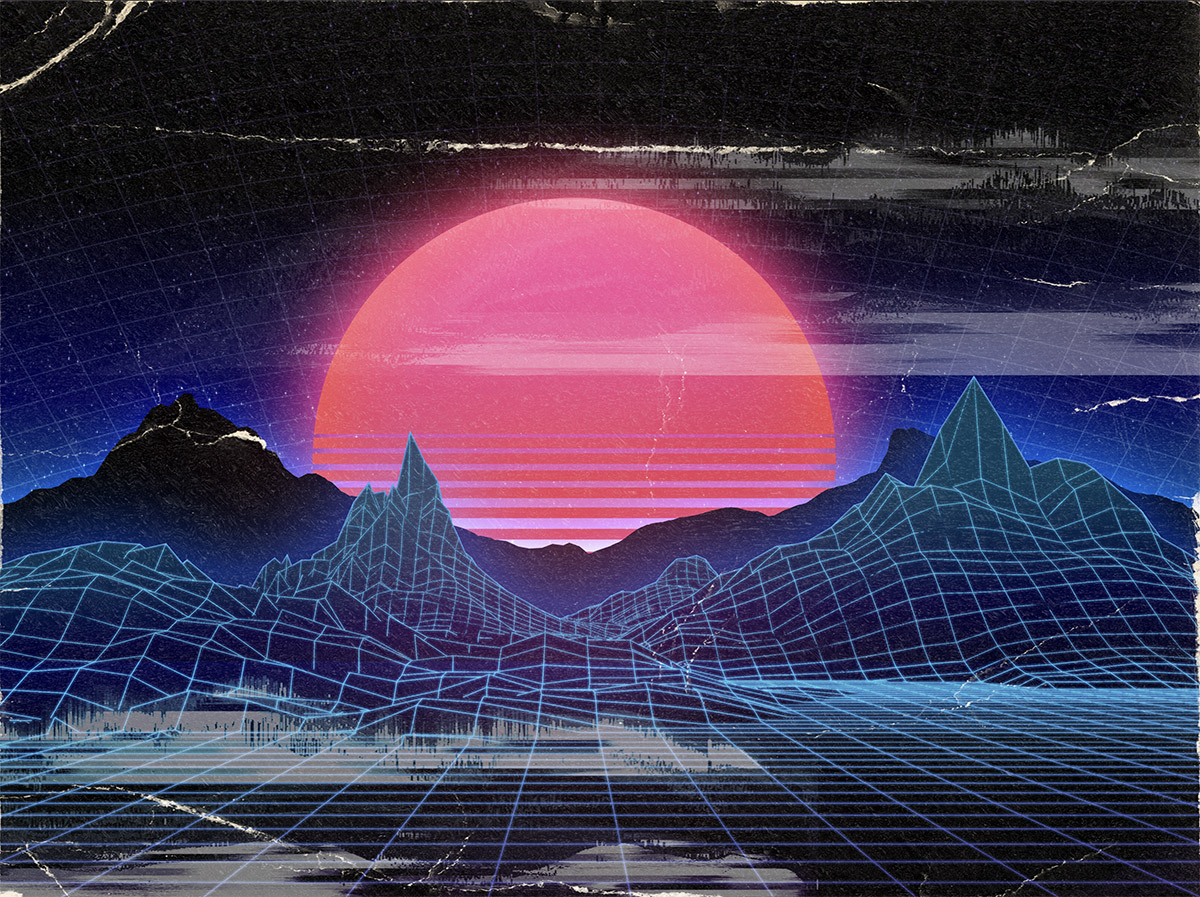
Synthwave, a music and visual movement inspired by 1980s electronic music and neon-lit visuals, exemplifies how retro subcultures can be reborn. Its success lies in a blend of nostalgia and futurism: the music recalls analog synthesizers and VHS-era production, while the aesthetics are exaggerated, almost hyper-real. Films, video games, and fashion adopt these motifs, creating a loop where media and lifestyle reinforce one another. What started as a niche online phenomenon now influences mainstream design and music.
2. Neo-Punk and Post-Punk Resurgence
Punk’s revival takes multiple forms today. Fashion incorporates leather jackets, safety pins, and dyed hair, while music channels the same rebellious energy with modern twists. Neo-punk bands combine digital production with traditional raw instrumentation, appealing to both older fans and new listeners seeking authenticity. The resurgence is less about replicating the 1970s subculture and more about adopting its ethos for a contemporary context.
3. Vintage Gaming Communities
Retro gaming subcultures, often centered around 80s and 90s consoles, highlight how technology shapes retro appeal. Emulators, remakes, and speedrunning competitions keep old games alive while fostering global communities. These communities don’t just celebrate nostalgia—they innovate within it, creating tournaments, fan art, and online challenges that feel fresh even while rooted in history.
Fashion Cycles and Retro Appeal
Fashion is often the most visible aspect of retro subcultures. Interestingly, the fashion industry itself relies heavily on cyclical patterns. Styles popular in the 20th century, from the flared jeans of the 1970s to 1990s grunge flannels, regularly resurface. These revivals are not mere reproductions—they are adapted for modern tastes, materials, and sensibilities.
Streetwear, for instance, frequently borrows from past decades. Graphic tees featuring retro logos, baggy pants, and throwback sneakers merge the aesthetic of nostalgia with contemporary sensibilities. Young consumers often view these items as both fashionable and meaningful—a way to align themselves with a cultural narrative that feels authentic and rebellious in a world saturated with fast fashion.
The Psychology of Identity in Retro Subcultures
Retro subcultures offer a powerful avenue for identity formation, particularly for adolescents and young adults. By adopting a subculture’s symbols, clothing, and music, individuals signal membership and express values distinct from mainstream culture. Retro subcultures also provide a sense of continuity; in a fast-changing world, participating in a culture with historical roots can feel grounding and meaningful.
Moreover, retro subcultures often emphasize DIY practices, creativity, and individuality. For teenagers, these values are particularly appealing because they allow self-expression within a structured yet flexible framework. Wearing a leather jacket, collecting vinyl records, or mastering a retro video game is not just about aesthetics—it is an active engagement with a culture that values skill, dedication, and identity.
Cultural Hybridity: The New Retro
The comeback of retro subcultures is rarely pure nostalgia. Instead, it involves cultural hybridity: blending old forms with new technology, ideas, and global influences. For example, K-pop fashion frequently incorporates retro Western aesthetics, from 80s neon to 90s streetwear, creating a cross-cultural retro identity. Similarly, retro electronic music is often merged with contemporary genres, producing a sound that feels both familiar and novel. This hybridization allows retro subcultures to remain relevant across generations and borders.
Challenges to a Full Revival
Despite the appeal, retro subcultures face challenges. Commercialization risks diluting authenticity, turning deeply meaningful subcultures into disposable trends. Oversaturation on social media can also lead to “nostalgia fatigue,” where audiences tire of constant retro references. Additionally, some retro elements may not translate well to modern values—attitudes and social norms from past decades may conflict with contemporary ethics, creating tension for would-be revivalists.
Another challenge is generational perception. Older generations may view modern adaptations as shallow or inauthentic, while younger participants might lack the historical context to fully grasp the original subculture’s significance. Successful revival, therefore, requires balancing respect for historical roots with innovative reinterpretation.
The Role of Media in Revival
Media—film, television, video games, and streaming platforms—plays a crucial role in reigniting interest in retro subcultures. Period dramas, biopics of iconic musicians, and remakes of classic films often spark curiosity about past decades. TikTok trends like “90s aesthetic” videos or “retro outfit challenges” turn obscure historical details into viral sensations. Through storytelling and visual culture, media transforms retro subcultures from static relics into dynamic, living communities.
The Economic Incentive
There is also a strong economic dimension to the comeback of retro subcultures. Retro fashion lines, collectible vinyl records, and vintage electronics generate significant revenue. Brands actively market nostalgia because it appeals emotionally while promising profitability. For young consumers, purchasing retro items is a form of cultural participation, not merely consumption. This economic incentive ensures that retro subcultures are not only culturally viable but financially attractive to stakeholders.
Retro Subcultures and Sustainability
Interestingly, retro subcultures align with growing interest in sustainability. Vintage clothing, thrift shopping, and upcycling are inherent to many retro lifestyles. By emphasizing reuse and creativity, retro communities contribute to environmental awareness while maintaining their aesthetic identity. This practical advantage enhances the appeal of retro subcultures in a generation increasingly concerned with ecological responsibility.
Predictions: What the Future Holds
Looking ahead, retro subcultures are likely to remain influential, though their form will evolve. Expect further blending of eras, with hybrid aesthetics that draw inspiration from multiple decades. Digital spaces will continue to expand their reach, allowing micro-subcultures to thrive globally. We may also see a shift toward experiential retro culture, such as immersive events, retro-themed cafes, and augmented reality experiences that make past aesthetics interactive.
Importantly, the revival will not be uniform. Some subcultures, like 80s synthwave or 90s grunge, may dominate visually and musically, while others remain niche. The key to their survival will be relevance: retro subcultures must adapt to contemporary cultural concerns—diversity, inclusivity, and creativity—without losing their historical identity.
Conclusion
Could retro subcultures make a comeback? Evidence suggests they already are, albeit in new forms. Nostalgia, digital platforms, economic incentives, and sustainability concerns all create fertile ground for revival. The phenomenon is less about replicating the past and more about reinterpreting it, blending old and new to create culturally resonant, emotionally compelling communities.
Retro subcultures offer more than style—they provide identity, creativity, and connection in a fast-changing world. Their comeback is not a mere fad; it is a testament to the enduring power of culture, memory, and human expression. As long as people seek authenticity, individuality, and a link to history, retro subcultures will continue to evolve, thrive, and inspire.