





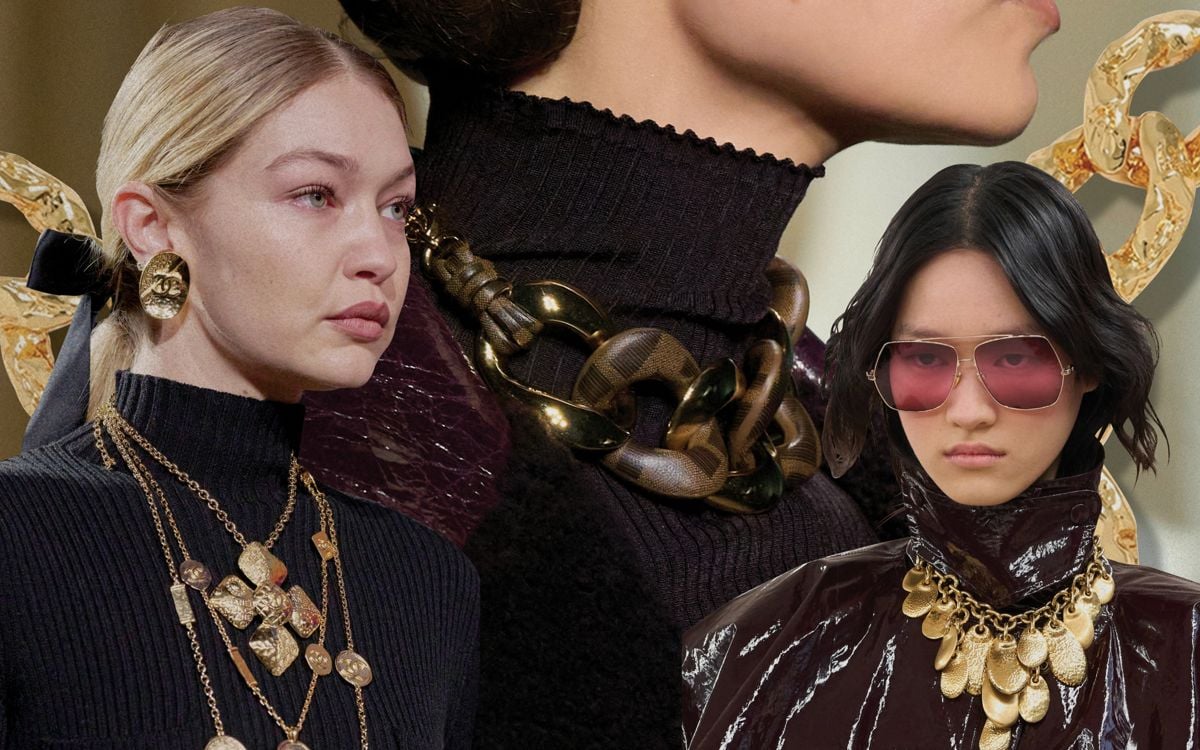

In the modern fashion landscape, few topics spark as much quiet debate as the role of statement accessories. Once hailed as the final flourish that completed a look, they now sit at the center of an aesthetic tug-of-war: do they elevate outfits, or do they overwhelm them? As wardrobes grow more streamlined and silhouettes more restrained, statement accessories have grown bolder, louder, and more self-assured. Oversized earrings, sculptural necklaces, exaggerated belts, architectural bags, and experimental footwear dominate runways and social feeds alike.
This raises a compelling question for designers, stylists, and everyday dressers: are statement accessories enhancing personal style, or are they overpowering outfits to the point where clothing becomes merely a backdrop?
This article explores the evolution, psychology, and practical application of statement accessories in contemporary fashion. Through a professional yet engaging lens, we will examine when bold accessories succeed, when they fail, and how to use them with intention rather than excess.
1. What Exactly Is a Statement Accessory?
A statement accessory is not simply an accessory that is noticeable. It is an item designed to command attention, provoke reaction, or anchor an entire outfit around itself. Unlike supporting accessories—such as minimalist studs or neutral belts—statement pieces declare their presence unapologetically.
Common Characteristics of Statement Accessories
- Scale: Oversized proportions, exaggerated shapes, or unexpected volume
- Visual Impact: Bold colors, high contrast, reflective materials, or intricate textures
- Conceptual Design: Sculptural forms, symbolic motifs, or artistic references
- Intentional Focus: Designed to be the visual center of the outfit
Importantly, statement accessories are not limited to jewelry. Bags, shoes, hats, eyewear, and even belts can serve this role when their design dominates visual attention.
2. A Brief History: From Ornament to Authority
Statement accessories are not a new phenomenon. Historically, accessories have always signaled status, power, and identity.
Ancient and Historical Roots
- Ancient civilizations used jewelry as markers of rank and spirituality. Gold collars in Egypt or jade ornaments in China were unmistakable symbols of authority.
- European aristocracy relied on elaborate accessories—brooches, gloves, fans—to demonstrate wealth and social standing.
- Traditional cultures worldwide used accessories as storytelling tools, embedding meaning into beads, metals, and textiles.
In these contexts, accessories were not overpowering outfits; they were the outfit’s meaning.
3. The Modern Shift: Clothing as Canvas
In contemporary fashion, the dynamic has shifted. Clothing has grown quieter while accessories have grown louder.
Why This Shift Happened
- Minimalism in Clothing Design
Clean lines, neutral palettes, and simplified silhouettes dominate modern wardrobes. This creates visual space for accessories to shine. - Fast Fashion and Wardrobe Efficiency
Consumers seek versatility. One neutral outfit paired with multiple statement accessories offers variety without excess clothing. - Social Media Visual Culture
Accessories photograph well. A bold earring or bag reads instantly in a small digital frame, often more effectively than subtle tailoring.
As a result, accessories have moved from supporting roles to starring ones.
4. When Statement Accessories Elevate an Outfit
Statement accessories are not inherently overpowering. When used with intention, they can transform an outfit from ordinary to memorable.
Situations Where They Work Exceptionally Well
1. Monochrome or Neutral Outfits
A bold accessory introduces contrast and energy, preventing minimal looks from feeling flat.
2. Simple Silhouettes
Clean tailoring allows the accessory to stand out without competition.
3. Intentional Styling
When the outfit is clearly designed around the accessory, the result feels cohesive rather than chaotic.
4. Personal Branding
For creatives, professionals, or public figures, a signature accessory can become part of a recognizable style identity.
In these cases, the accessory does not overpower—it anchors.
5. When Accessories Become Too Much
The line between “statement” and “distraction” is thin.
Common Styling Pitfalls
- Too Many Focal Points: Multiple statement pieces competing for attention
- Mismatch of Energy: An avant-garde accessory paired with a conservative outfit without transition
- Ignoring Scale: Oversized accessories overwhelming petite frames or delicate garments
- Trend Overload: Chasing novelty without considering longevity or coherence
:max_bytes(150000):strip_icc()/Screenshot2024-03-27at3.02.07AM-7ac97434634a4f3f89dbc52e79d33973.png)
When accessories dominate without dialogue with the outfit, the result can feel unbalanced and visually exhausting.
6. The Psychology Behind Bold Accessories
Statement accessories do more than decorate—they communicate.
What They Signal
- Confidence: Wearing something bold implies comfort with attention
- Individuality: Unique pieces suggest originality and personal taste
- Creativity: Artistic accessories position the wearer as visually literate
However, they can also signal insecurity if used excessively, as though the accessory is compensating for a lack of clarity in personal style.
Understanding this psychological layer helps explain why opinions on statement accessories are often polarized.
7. Accessories as Conversation Starters
One undeniable strength of statement accessories is their ability to spark interaction.
A sculptural ring or unconventional bag often invites questions, admiration, or curiosity. In professional or social settings, this can be an advantage, subtly breaking ice without verbal effort.
However, this conversational power also means the accessory may overshadow the wearer’s overall presentation if not balanced carefully.
8. Fashion Industry Influence: Runways and Retail
High fashion has played a major role in amplifying statement accessories.
On the Runway
Designers frequently use exaggerated accessories to:
- Emphasize conceptual themes
- Create memorable visual moments
- Distinguish collections in a crowded fashion calendar
On the runway, overpowering is often intentional. Drama is the point.
In Retail
These runway pieces trickle down into wearable interpretations. Yet when consumers adopt them without runway-level styling context, imbalance can occur.
9. The Role of Craftsmanship and Quality
One overlooked factor in the “overpowering” debate is craftsmanship.
A well-crafted statement accessory:
- Feels intentional rather than gimmicky
- Ages better visually
- Integrates more naturally into diverse outfits

Poorly made bold accessories often feel loud because they lack refinement, not because of their size or color.
Quality softens impact.
10. Cultural and Regional Differences
Perceptions of overpowering vary widely across cultures.
- In fashion capitals, bold accessories are often celebrated as signs of sophistication.
- In conservative environments, the same pieces may be seen as excessive or inappropriate.
Understanding context is crucial. A statement accessory that feels right in an art gallery may feel out of place in a corporate meeting.
11. The Balance Principle: One Star Rule
One of the most effective professional styling principles is simple:
Let one element lead.
If the accessory is the star, the outfit should support it quietly. If the clothing carries visual complexity, accessories should recede.
This principle prevents visual overload and preserves clarity.
12. Statement Accessories vs. Personal Style
A key question often ignored: does the accessory express you, or are you wearing it because it is bold?
Statement accessories work best when they:
- Align with personality
- Reflect lifestyle needs
- Integrate naturally into existing wardrobes
When they feel forced, they overpower not just the outfit, but authenticity itself.
13. Sustainability and Longevity
In an era of conscious consumption, statement accessories face scrutiny.
The Sustainability Dilemma
- Trend-driven bold pieces may feel dated quickly
- Overly specific designs limit versatility
The most successful statement accessories are those that balance distinctiveness with timeless appeal, allowing repeated wear without fatigue.
14. Styling Statement Accessories with Professionalism
In professional settings, bold accessories require extra care.
Smart Approaches
- Choose architectural shapes over novelty
- Limit color palettes
- Use accessories to express authority rather than distraction
A statement accessory can reinforce professionalism when it signals confidence and clarity rather than chaos.
15. Are We Expecting Too Much from Accessories?
Perhaps the real issue is not that statement accessories overpower outfits, but that we expect them to do too much.
They are asked to:
- Express individuality
- Refresh wardrobes
- Create visual impact
- Signal trend awareness
No single item can carry all of this without risk.
When accessories are allowed to be part of a broader visual conversation—rather than the sole speaker—they function more harmoniously.
16. The Future of Statement Accessories
Looking ahead, statement accessories are likely to evolve rather than disappear.
Emerging Directions
- Modular designs: Customizable boldness
- Material innovation: Sustainability-driven experimentation
- Subtle statements: Impact through detail rather than size
The future points toward intentional impact, not maximalist excess.
17. So, Are Statement Accessories Overpowering Outfits?
The answer is nuanced.
Statement accessories are not inherently overpowering. They become overpowering only when:
- Used without intention
- Layered without hierarchy
- Disconnected from the wearer’s identity
When chosen thoughtfully, they elevate outfits, sharpen personal style, and turn clothing into a platform for expression.
The real power lies not in the accessory itself, but in the stylistic judgment behind it.
18. Final Thoughts: Mastery Over Magnitude
Fashion maturity is not about choosing quieter or louder pieces—it is about knowing why you choose them.
Statement accessories are tools. In skilled hands, they create balance, interest, and authority. In careless use, they dominate and distract.
Ultimately, the most compelling outfits are not those where accessories shout the loudest, but those where every element speaks the same visual language.