





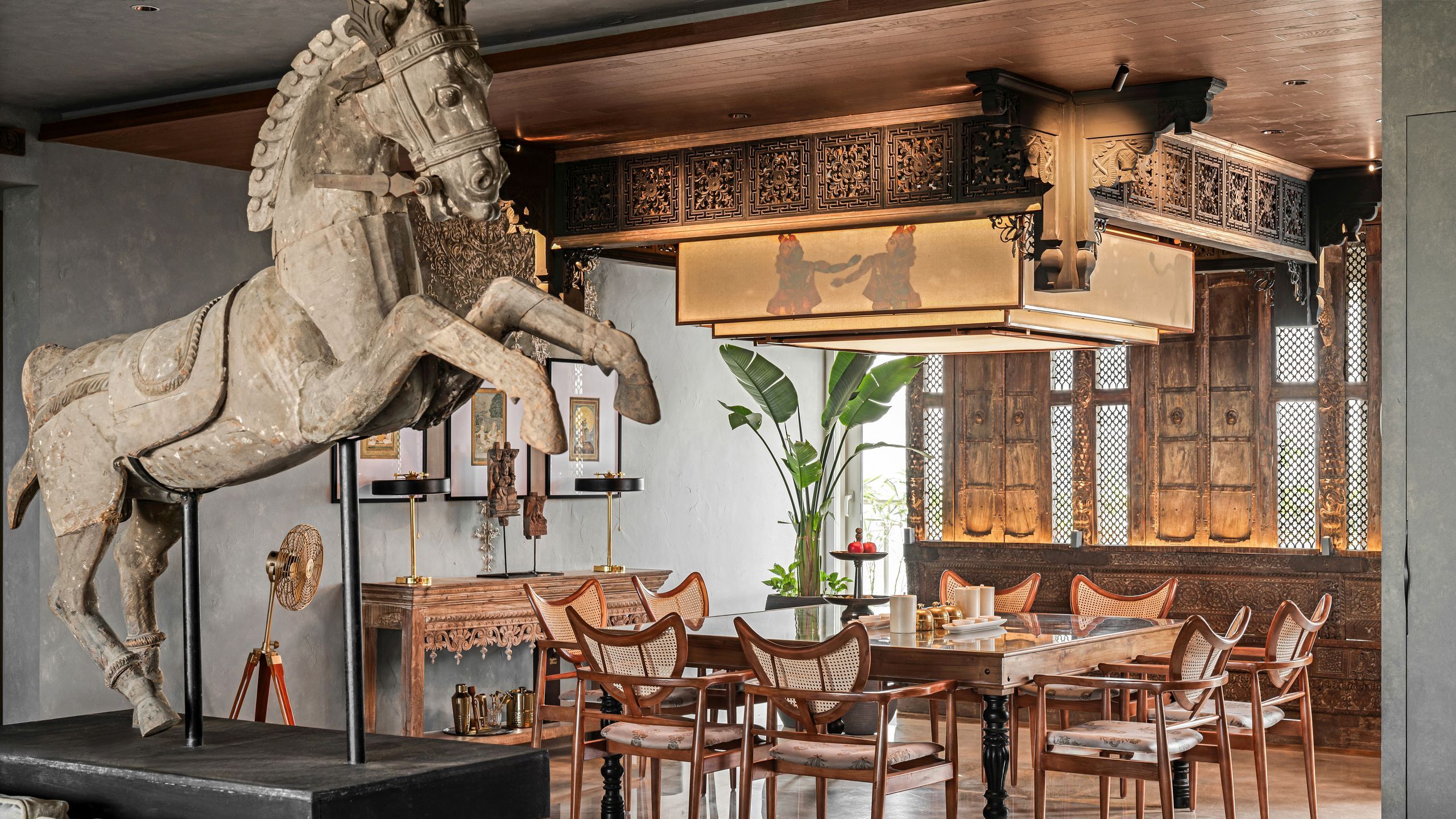

Introduction: When the Past Knocks on the Living Room Door
Interior design rarely moves in a straight line. Instead, it drifts in loops—forward, backward, sideways—responding to social moods, technological shifts, and collective memory. One of the most persistent forces shaping these loops is nostalgia. From mid-century modern revivals to the recent return of 1970s color palettes, nostalgia has repeatedly resurfaced as a design driver.
But as we enter an era shaped by rapid digitalization, global uncertainty, and accelerating cultural change, a question quietly but insistently emerges: Will nostalgia influence interior design again?
The short answer is yes.
The longer answer is far more interesting.
Nostalgia today is no longer about simply recreating the past. It is about reinterpretation, emotional grounding, and selective memory. Designers, homeowners, and brands are not copying history; they are conversing with it. This article explores how nostalgia is evolving, why it continues to matter, and how it is reshaping interiors in ways that are more subtle, intelligent, and emotionally resonant than ever before.
1. Understanding Nostalgia as a Design Force
Nostalgia Is Not Imitation
In design, nostalgia is often misunderstood as replication—bringing back old furniture styles or reviving dated aesthetics. In reality, nostalgia functions more like emotional translation. It captures how a period felt, not how it objectively looked.
A nostalgic interior does not aim to become a museum. Instead, it offers:
- Emotional comfort
- Familiar visual cues
- A sense of continuity in a rapidly changing world
This distinction is crucial. Modern nostalgia is interpretive, layered, and intentional.
Why Designers Return to the Past
Several factors explain nostalgia’s recurring influence:
- Psychological comfort: Familiar elements reduce stress and increase emotional safety.
- Cultural reflection: Design mirrors societal values; nostalgia rises during times of uncertainty.
- Aesthetic richness: Past eras offer deep visual languages developed over decades.
- Sustainability logic: Reusing, restoring, and valuing longevity aligns with nostalgic thinking.
Rather than resisting innovation, nostalgia often coexists with progress, creating spaces that feel both rooted and relevant.
2. A Brief History of Nostalgia in Interior Design
Early Revivals: A Cyclical Pattern
Nostalgia has shaped interiors for centuries. The Victorian era romanticized medieval craftsmanship. The Arts and Crafts movement looked backward to pre-industrial ideals. Even modernism, despite its future-facing ideology, borrowed heavily from classical proportion and symmetry.
Design history demonstrates a consistent rhythm:
- Radical innovation
- Emotional fatigue
- Return to familiar forms
- Reinterpretation
This cycle continues today, only faster and more global.
Late 20th Century: Memory as Style
By the late 20th century, nostalgia became more explicit. Postmodern interiors openly referenced historical motifs, often playfully or ironically. The 1980s embraced bold retro forms. The 1990s revived mid-century modern. Each revival reflected not just aesthetic preference, but cultural mood.
These moments prove that nostalgia is less about time and more about timing.
3. The Emotional Economy of Interiors
Homes as Emotional Infrastructure
In contemporary life, homes serve more functions than ever before: workplace, retreat, social hub, and identity statement. This emotional overload intensifies the desire for interiors that feel safe, familiar, and grounding.
Nostalgic elements provide:
- Emotional anchoring
- Personal narrative
- A sense of lived-in authenticity
They soften the sharp edges of hyper-minimalism and digital abstraction.
Memory and Materiality
Certain materials trigger memory more effectively than others:
- Solid wood recalls craftsmanship and longevity
- Linen and wool evoke tactile warmth
- Ceramic tiles suggest domestic rituals
These materials do not just decorate space; they store memory. Designers increasingly use them to build emotional depth rather than visual spectacle.
4. The Difference Between Retro and Nostalgic Design
Retro: Visual Reference
Nostalgic: Emotional Resonance
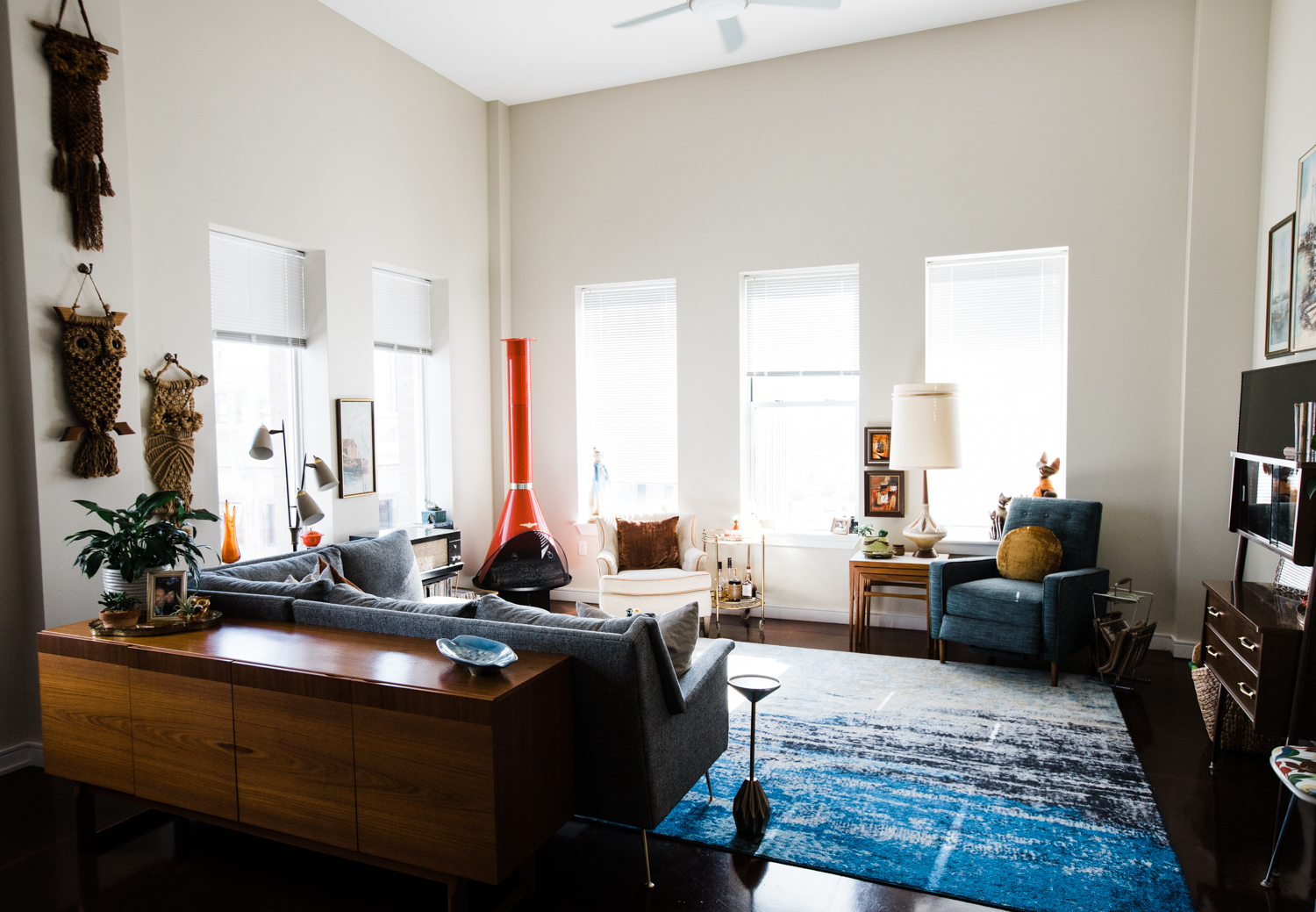
Retro design focuses on recognizable aesthetics—patterns, colors, silhouettes. Nostalgic design focuses on how a space makes you feel.
A retro kitchen might replicate a 1950s diner.
A nostalgic kitchen might simply use:
- Rounded edges
- Warm lighting
- Familiar proportions
The latter feels timeless rather than dated.
Why This Difference Matters
As design matures, superficial revival loses appeal. Users crave spaces that feel authentic, not performative. Nostalgia succeeds when it is quietly embedded rather than loudly displayed.
5. Contemporary Nostalgia: A New Interpretation
Selective Memory
Modern nostalgia is highly edited. Designers choose the best parts of the past:
- Comfort without inconvenience
- Beauty without excess
- Craft without rigidity
Uncomfortable truths of earlier eras are filtered out. What remains is emotional essence.
Hybrid Spaces
Today’s nostalgic interiors are rarely pure. They blend:
- Vintage forms with modern materials
- Traditional layouts with contemporary technology
- Familiar colors with unexpected textures
This hybridity prevents nostalgia from becoming stagnant.
6. Technology and the Rise of Digital Nostalgia
Analog Longing in a Digital World
As daily life becomes more virtual, physical spaces compensate by becoming more tactile and emotionally grounded. This has sparked renewed interest in:
- Handcrafted details
- Visible construction
- Mechanical elements
These features counterbalance digital invisibility.
Technology as an Invisible Partner
Interestingly, modern nostalgia often hides advanced technology rather than rejecting it. Smart systems are embedded discreetly, allowing spaces to feel old while functioning as new.
This quiet integration reinforces emotional comfort without sacrificing convenience.
7. Color: Memory in Pigment
The Return of Emotional Palettes
Nostalgic color palettes favor:
- Muted earth tones
- Dusty pastels
- Warm neutrals
These colors feel familiar, calming, and human.
Why Color Triggers Memory
Color is directly linked to emotional recall. Certain shades instantly evoke:
- Childhood homes
- Seasonal rituals
- Cultural references
Designers increasingly use color psychology to create subconscious connections rather than visual drama.
8. Furniture: Forms That Remember
Soft Geometry and Familiar Shapes
Contemporary nostalgic furniture avoids extremes. Instead of rigid minimalism or ornate decoration, it favors:
- Rounded edges
- Generous proportions
- Inviting silhouettes
These forms feel welcoming and intuitive.
The Emotional Weight of Objects
Furniture often carries memory beyond its function. A chair can recall a grandparent’s home; a table can echo family gatherings. Designers now consider these emotional associations when creating or selecting pieces.
9. Craft, Imperfection, and Human Presence
The Beauty of Imperfection
Nostalgia embraces irregularity. Handmade objects, visible joints, and natural wear tell stories. They resist the sterile perfection of mass production.
Craft as Cultural Memory
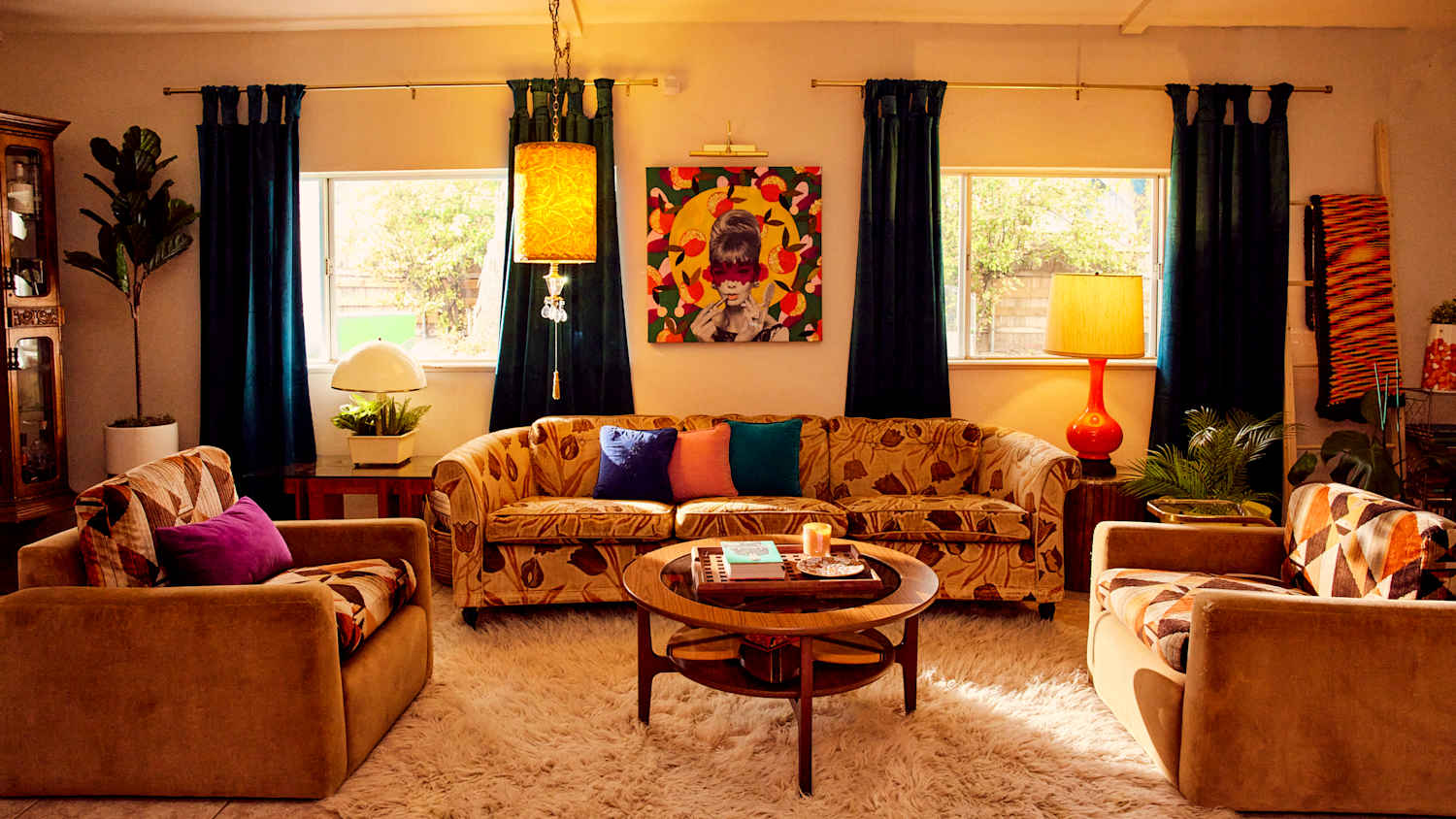
Craft traditions preserve regional identity. Incorporating them into modern interiors creates a dialogue between:
- Past and present
- Local and global
- Individual and collective memory
This approach elevates interiors from style exercises to cultural expressions.
10. Sustainability and Nostalgia: A Natural Alliance
Longevity Over Trend
Nostalgic design values durability. Objects are chosen to last, age, and develop character. This mindset aligns naturally with sustainable principles.
Reuse as Emotional Design
Reclaimed materials and vintage furniture bring pre-existing stories into new spaces. Sustainability becomes emotional rather than moralistic, encouraging deeper attachment and care.
11. Cultural Nostalgia vs. Personal Nostalgia
Collective Memory
Certain styles resonate broadly because they reflect shared cultural experiences—postwar optimism, pre-digital simplicity, domestic rituals.
Individual Narrative
At the same time, interiors are becoming more personalized. Personal nostalgia—childhood memories, family traditions, regional influences—plays an increasing role.
The future of nostalgic design lies in balancing these two layers.
12. Globalization and the Localization of Memory
Global Access, Local Meaning
While global platforms expose designers to worldwide aesthetics, nostalgia encourages localization. Designers reinterpret global styles through local materials, climates, and traditions.
Cultural Authenticity
Rather than copying foreign eras, designers now ask:
- What does nostalgia mean here?
- Which memories feel relevant to this community?
This shift results in more meaningful, place-specific interiors.
13. The Role of Storytelling in Nostalgic Interiors
Spaces as Narratives
Nostalgic interiors tell stories. Each object, material, and layout choice contributes to a narrative that unfolds slowly over time.
Design Beyond Visual Impact
Story-driven spaces may appear understated at first glance, but reveal depth through use. This slow-burn quality contrasts sharply with trend-driven design.
14. Commercial Spaces and Emotional Branding
Retail and Hospitality
Brands increasingly use nostalgia to build trust and emotional connection. Familiar materials and references make spaces feel approachable and human.
Avoiding Sentimentality
Successful commercial nostalgia avoids cliché. It focuses on atmosphere rather than overt references, creating environments that feel comforting without being predictable.
15. Minimalism Meets Memory
The Softening of Minimalism
Pure minimalism has proven emotionally unsustainable for many users. Nostalgia reintroduces warmth, texture, and personality without abandoning clarity.
Emotional Editing
Instead of removing everything, designers now remove only what lacks meaning. What remains carries emotional weight.
16. Generational Perspectives on Nostalgia
Younger Generations and Borrowed Memory
Younger users often feel nostalgia for eras they never experienced firsthand. Media, storytelling, and cultural imagery create second-hand nostalgia.
Cross-Generational Dialogue
This phenomenon encourages design that bridges generations, blending inherited memory with contemporary interpretation.
17. The Future: What Kind of Nostalgia Comes Next?
Not a Return, but a Reframing
Future nostalgic design will not focus on specific decades. Instead, it will emphasize:
- Emotional stability
- Material honesty
- Human-scale comfort
The focus will shift from when to why.
Design as Emotional Resilience
As uncertainty continues to shape modern life, interiors will increasingly act as emotional stabilizers. Nostalgia provides continuity without resistance to change.
Conclusion: The Past Is Not Behind Us
So, will nostalgia influence interior design again?
It already is—but not in the way it once did.
Nostalgia today is quieter, smarter, and more emotionally intelligent. It does not demand attention; it earns trust. It does not recreate history; it translates memory into meaning.
In the future, the most successful interiors will not ask us to admire them. They will ask us to stay. To remember. To feel at home.
And in that sense, nostalgia will never stop influencing interior design—because memory is not a trend. It is a human constant.